RIIZE’s Eunseok Issues Apology for Controversial Comment as Fandom Grapples with Subsequent Racist Backlash
Article Editorial Team
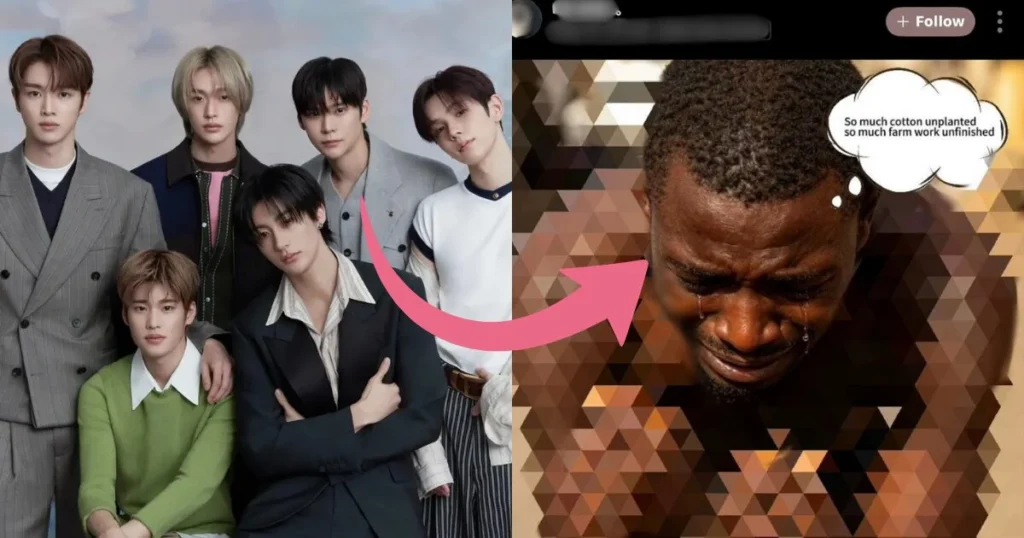
The K-pop world finds itself once again at the nexus of cultural sensitivity and fan responsibility following a recent incident involving Eunseok, a member of the popular boy group RIIZE. What began as a seemingly innocuous Children’s Day post featuring childhood photos quickly escalated into a significant controversy after Eunseok used a derogatory term in a caption. His subsequent apology, while swift, failed to quell the storm, instead triggering a disturbing wave of racist comments targeting Black fans within the group’s official fan community platform, Weverse, highlighting persistent issues of anti-Blackness within global K-pop fandoms.
The Initial Controversy: A Children’s Day Post Gone Wrong
On May 5, 2026, coinciding with South Korea’s annual Children’s Day celebrations, RIIZE member Eunseok shared a series of nostalgic childhood photographs with his fans. These posts are a common and often cherished way for idols to connect with their audience, offering a glimpse into their formative years. However, one particular photo caption quickly drew widespread criticism for its use of the Korean term "kkamdoongie" (깜둥이). The term, while sometimes used colloquially or even affectionately in certain very specific contexts to describe someone with darker skin, carries profoundly negative and racist connotations, frequently compared to the English N-word due to its historical use as a racial slur against Black individuals and people of color.
The post, which was shared on a public platform, immediately caught the attention of international fans. Many, particularly Black fans and those familiar with the term’s derogatory history, expressed shock and disappointment. The swift online reaction led to the original post being deleted, but not before screenshots and discussions had proliferated across social media platforms like Twitter, Instagram, and various K-pop forums. This incident underscored the ongoing challenge for K-pop idols, who operate in an increasingly globalized industry, to navigate linguistic nuances and cultural sensitivities that extend far beyond their immediate national borders.
Understanding "Kkamdoongie": A Linguistic Minefield
To fully grasp the gravity of the situation, it is crucial to delve into the complexities of the term "kkamdoongie." Linguistically, it is a compound word derived from "kkam," an onomatopoeic word or adverb indicating darkness or blackness, and "doongie," a suffix often used to denote a small, round, or endearing person or object, similar to "baby" or "little one." On the surface, some might argue that the term’s affectionate suffix could imply a harmless nickname for a child with a tan or naturally darker complexion.
However, historical context and contemporary usage unequivocally mark "kkamdoongie" as a racial slur. Its origins are rooted in a period when derogatory language was used to dehumanize and mock individuals with darker skin tones, particularly those of African descent. Over time, it has been employed in various media and everyday conversations in ways that reinforce negative stereotypes and prejudices. While some Koreans might claim ignorance of its offensive nature or argue it can be used innocently, especially when referring to a child who got tanned playing outdoors, its comparison to the N-word in English is not an overstatement. Both terms share a similar trajectory of being weaponized to diminish and oppress, making their use, regardless of intent, deeply hurtful and unacceptable in a globally aware society. The debate over intent versus impact is a recurring theme in such controversies, with the prevailing sentiment among those affected being that the impact of a racial slur always outweighs any purported innocent intent.
Eunseok’s Swift Apology and Initial Fan Reactions
Following the immediate backlash, Eunseok issued an apology, which was described as "short" and "direct." While the exact wording of his apology was not fully disseminated in the initial reports, the fact that he addressed the issue directly and promptly was noted by many. Such quick responses are often expected from idols and their agencies in the face of controversy, aiming to mitigate further damage to their image and group reputation.
The apology, however, met with a mixed reception among fans and netizens. A segment of the fandom expressed understanding, acknowledging that linguistic and cultural differences could lead to unintentional offense, particularly if Eunseok was unaware of the term’s full derogatory weight in a global context. They argued that his quick apology demonstrated remorse and a willingness to learn. This group often emphasized the importance of education over cancellation, advocating for a nuanced approach to cultural missteps.

Conversely, many, especially Black fans and allies, found the situation deeply disappointing. They highlighted that regardless of intent, the use of such a term by a public figure, particularly one with a global platform, was unacceptable. For these fans, the incident was not merely a linguistic misunderstanding but a painful reminder of the persistent racial insensitivity that plagues parts of the K-pop industry and its fandoms. They stressed that idols and their management companies, such as SM Entertainment, have a responsibility to educate themselves on global cultural sensitivities to prevent such incidents from recurring. The debate intensified, underscoring the growing divide between domestic and international fan perspectives on issues of race and cultural appropriation within K-pop.
Escalation: Racist Backlash Targets Black Fans
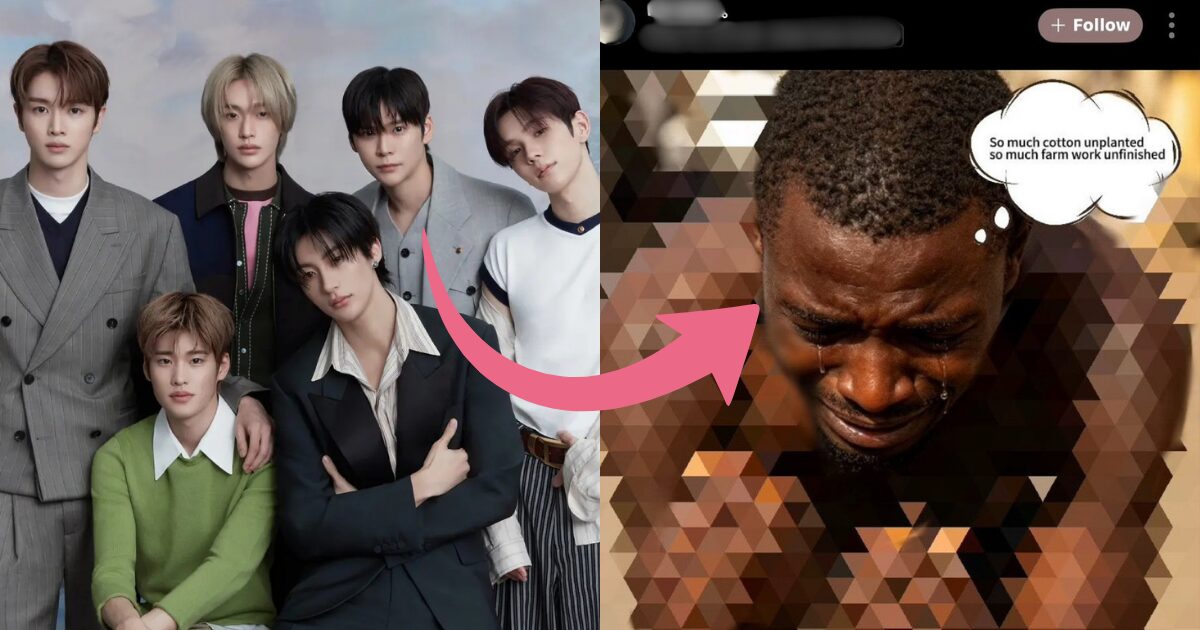
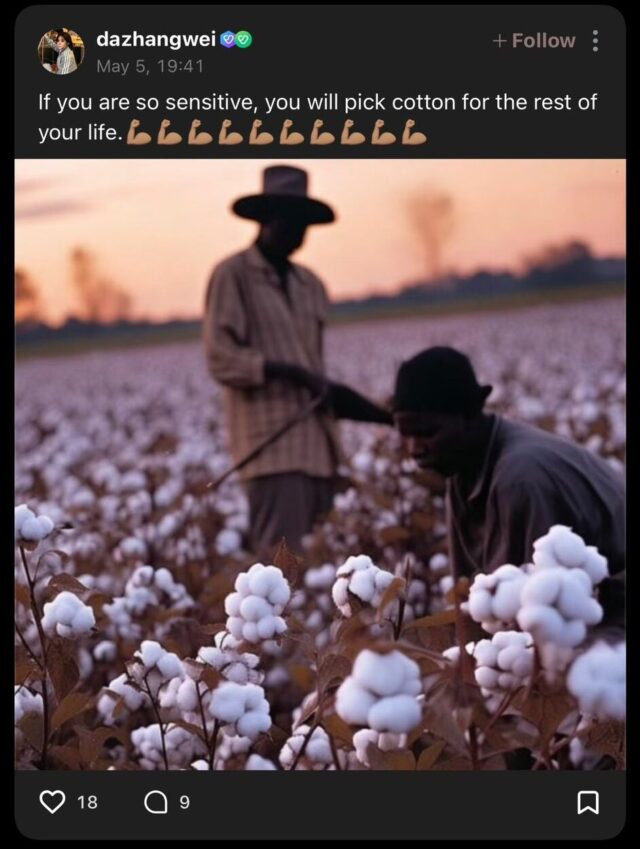
What began as a controversy surrounding Eunseok’s comment took a far more disturbing turn when some fans, in response to the criticism directed at the idol, resorted to outright racism. On RIIZE’s official Weverse community, a platform designed for direct communication between idols and their fans, several posts containing explicit racial taunts against Black people were documented. These posts were not merely defensive of Eunseok but actively attacked the very community that had voiced its hurt and disappointment.
Screenshots circulated online showed Weverse posts filled with derogatory language, racist caricatures, and hateful rhetoric targeting Black individuals. These comments mocked Black people’s appearance, intelligence, and even referenced historical atrocities like slavery, demonstrating a shocking level of anti-Black racism. The presence of these comments on an official fan platform, and the apparent lack of immediate moderation, deeply wounded and angered many.
The implications of these posts are profound. They reveal a toxic undercurrent within certain segments of the K-pop fandom, where perceived loyalty to an idol or group can manifest as aggressive, hateful attacks against other fans or communities. Many Twitter users quickly condemned the racism, with one fan stating, "and briize want us to just move on a day later after seeing shit like this yeah okay," expressing outrage at the expectation for Black fans to simply overlook such hate. Another commented on the hypocrisy of those defending idols due to "lack of historical sensitivity" while simultaneously demonstrating knowledge of historical racism, asking, "oh but if koreans don’t possess the same level of historical sensitivity as americans how do they know about slavery." These reactions underscore the deep hurt and frustration experienced by Black fans who are often at the receiving end of such attacks within K-pop spaces.
Weverse as a Microcosm of Fandom Issues
The choice of Weverse as the platform for these racist attacks is particularly significant. Weverse, developed by HYBE Corporation (formerly Big Hit Entertainment, home to BTS), is a global fan community platform that allows idols to communicate directly with fans through posts, live streams, and comments. It serves as a central hub for fan engagement, making it a critical space for fostering a positive and inclusive environment.
However, incidents like this highlight the challenges of moderating vast online communities. While Weverse has policies against hate speech, the sheer volume of posts and comments can make real-time enforcement difficult. This incident brings to light the critical need for more robust content moderation systems, proactive measures against hate speech, and a clear, swift response mechanism for reporting and removing racist content. The platform, by design, aims to bring idols and fans closer, but without stringent oversight, it can also become a breeding ground for harassment and discrimination, turning a space meant for connection into one of division and harm.
Broader Implications: Anti-Blackness in K-Pop Fandoms
This incident involving Eunseok and the subsequent racist fan reactions is not an isolated event but rather indicative of a larger, systemic problem of anti-Blackness within K-pop fandoms. For years, Black K-pop fans have consistently raised concerns about cultural appropriation, racial insensitivity from idols, and pervasive anti-Black racism from fellow fans. These issues range from idols adopting Black hairstyles and fashion without understanding their cultural significance, to using AAVE (African American Vernacular English) inappropriately, and, more severely, the use of racial slurs and derogatory stereotypes.
The online environment, particularly within the passionate and often insular world of K-pop fandoms, can amplify these issues. The desire to defend one’s idol or group, sometimes perceived as unconditional loyalty, can lead to aggressive behaviors, including gaslighting, harassment, and the deployment of racist tropes against those who voice criticism. As one Twitter user eloquently put it, "the posts and the likes… antiblackness is such a huge problem in kpop spaces and it is not taken seriously enough by non black ppl. we need to call this shit out when we see it in our spaces bc letting microaggressions go unchecked from idols And fans culminates in This." This sentiment encapsulates the frustration of Black fans who feel their concerns are often dismissed or met with hostility, further marginalizing them within a community they are part of.
The Role of Agencies: SM Entertainment’s Stance
In the wake of such a controversy, the spotlight inevitably turns to the management agency. SM Entertainment, one of South Korea’s "Big 3" entertainment companies and RIIZE’s agency, bears a significant responsibility. This responsibility extends beyond merely issuing an apology from the idol. It encompasses educating their artists on global cultural sensitivities, implementing stricter guidelines for public communication, and actively monitoring and moderating their official fan platforms.
While SM Entertainment has not yet issued a comprehensive statement addressing the fan-generated racist content on Weverse, the expectation from international fans is clear: the agency must take a firm stand against racism within its fandom. This would involve not only removing the offensive posts but also taking disciplinary action against users who engage in such behavior, and, crucially, making a public statement reaffirming their commitment to inclusivity and condemning all forms of hate speech. Agencies play a vital role in shaping fandom culture, and their silence or inaction can be interpreted as tacit approval, further emboldening those who perpetuate racism. Proactive measures, such as mandatory diversity and inclusion training for idols and staff, are increasingly seen as essential for any entertainment company operating on a global stage.
Moving Forward: A Call for Dialogue and Change
The incident involving RIIZE’s Eunseok and the subsequent racist backlash serves as a stark reminder of the ongoing need for critical dialogue and systemic change within the K-pop industry and its global fandoms. While Eunseok’s apology was a necessary first step, it is merely the beginning of a longer journey towards accountability and understanding.
For the K-pop industry, this means moving beyond performative apologies and implementing concrete strategies to foster genuine cultural competency. This includes comprehensive education for idols and trainees on global historical contexts of race, power, and language. For fan communities, it necessitates self-reflection, holding fellow fans accountable for hateful behavior, and actively working to create inclusive spaces where all fans, regardless of their race or background, feel safe and respected. The passionate nature of K-pop fandom, while a source of immense joy and connection for millions, must not be allowed to become a shield for racism and bigotry. Continued discussions, education, and unwavering commitment to anti-racism are essential for the K-pop phenomenon to truly live up to its global potential as a unifying force.
Related News