Embracing K-Pop Style: Navigating Trends to Cultivate Personal Fashion Identity
Article Editorial Team
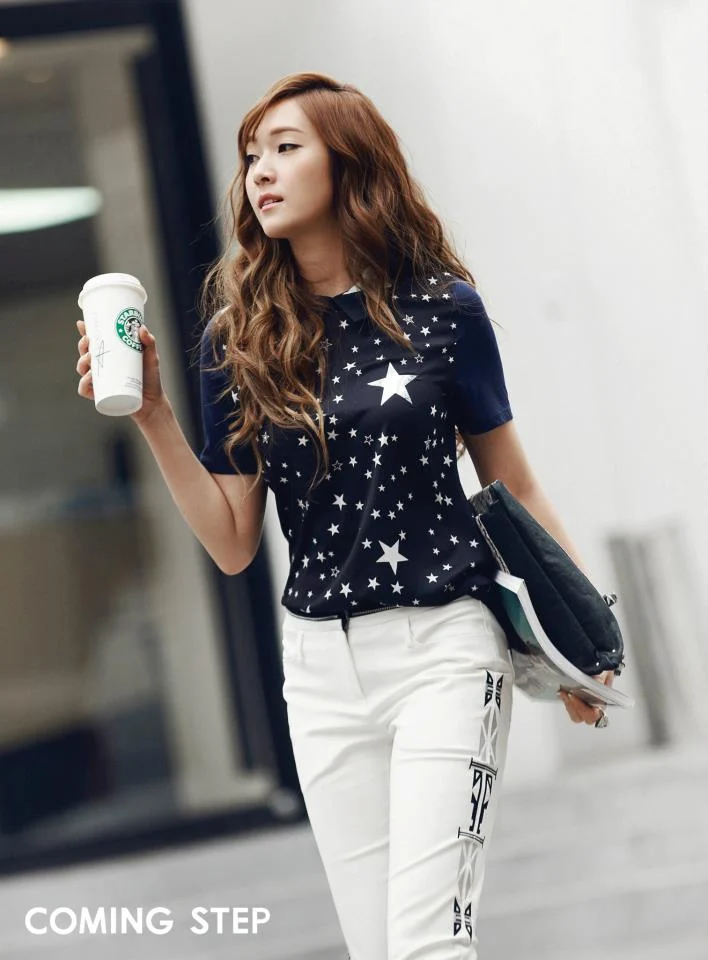
The vibrant and visually captivating world of K-Pop has long transcended musical boundaries, establishing itself as a significant global cultural phenomenon. Beyond the meticulously choreographed performances and infectious melodies, K-Pop idols have become style icons, meticulously curating their appearances for every public engagement. This dedication to visual presentation, encompassing fashion, hair, and makeup, has inspired a legion of fans worldwide to emulate their favorite artists. While learning complex dance routines or mastering vocal techniques might be challenging, fashion offers a more accessible avenue for fans to connect with K-Pop culture. However, simply replicating idol outfits without understanding the underlying principles of personal style can lead to an unintended costume-like appearance, detracting from the desired fashionable outcome. This article explores the nuances of adopting K-Pop inspired fashion, emphasizing the importance of integrating trends thoughtfully into one’s personal aesthetic rather than wholesale adoption.
The Visual Power of K-Pop and Fan Emulation
K-Pop’s inherent visual appeal is undeniable. The industry invests significant resources in cultivating the image of its artists, recognizing that visual presentation is as crucial as musical talent. From the high-octane energy of music show stages to the polished glamour of red carpet events and the casual chic of airport fashion, K-Pop idols are constantly under the sartorial spotlight. This constant exposure to diverse and trendsetting styles has naturally fostered a strong desire among fans to replicate these looks.
The accessibility of fashion as a medium for fan engagement cannot be overstated. Unlike the specialized skills required for dancing or singing, clothing is a universal necessity and a readily available form of self-expression. Fans often find themselves drawn to specific garments, accessories, or overall aesthetics sported by their idols, seeking to translate these inspirations into their own wardrobes. This has led to the proliferation of fan communities dedicated to dissecting idol fashion, identifying brands, and sharing tips on how to achieve similar looks. Websites and social media platforms are replete with guides and discussions centered on K-Pop style, illustrating the profound impact these artists have on global fashion trends.
Previous attempts to guide fans in this endeavor have often focused on direct acquisition of specific items worn by idols. While identifying the origins of a particular purse carried by Jessica of Girls’ Generation or the hat sported by G-Dragon at the airport might be the initial step, it is far from the complete picture. The core challenge lies not in finding the items themselves, but in integrating them into a coherent and personally resonant style.
The Pitfall of Direct Replication: From Idol to Costume
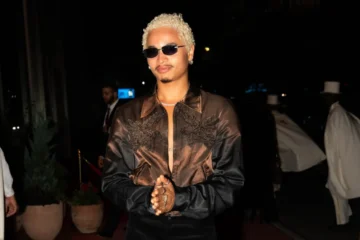
The allure of K-Pop fashion often leads fans to attempt a direct transfer of idol aesthetics into their everyday lives. This can involve accumulating a collection of distinct pieces – perhaps Key’s signature earrings, CL’s striking footwear, or Woohyun’s statement jacket. While individually these items might be fashionable, the uncritical amalgamation of multiple idol-worn trends can inadvertently result in an outfit that resembles a stage costume rather than a curated personal look.
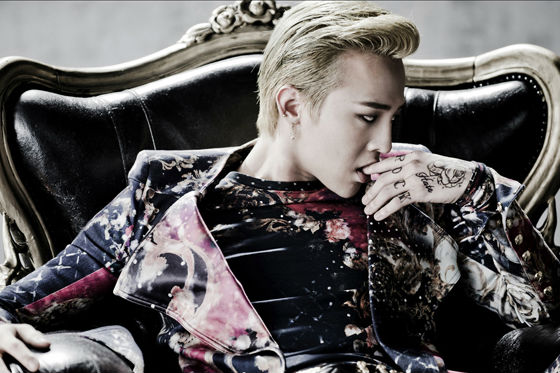
This phenomenon occurs because K-Pop idols, in their public appearances, are often presenting carefully constructed stage personas. Their outfits are frequently designed as part of a larger performance concept, coordinated with music, choreography, and overall thematic elements. These are not always practical for everyday wear and are meant to be viewed within a specific context. When a fan attempts to wear numerous such "costume" pieces together, the intended stylish effect can be lost, leading to an appearance that is overly flashy, disconnected, or simply not reflective of their daily environment. The goal for most fans is to achieve the cool, stylish aura of idols in a relatable, real-world setting, not to mimic their performance attire.
Cultivating Personal Style: The Art of Integration
The key to successfully incorporating K-Pop inspired fashion lies in a more nuanced approach: integrating trends in small doses and aligning them with one’s existing personal style. This requires a degree of self-awareness and introspection regarding individual fashion preferences. Rather than seeking to become a replica of an idol, the objective should be to identify which K-Pop trends resonate with and complement one’s inherent aesthetic.
This process of discovery often involves experimentation. Fashion, at its heart, is about exploration and self-expression. By understanding one’s own inclinations – whether it’s a preference for minimalist palettes and structured silhouettes, a leaning towards casual and sporty aesthetics, or an affinity for menswear-inspired pieces with muted tones – individuals can better discern which K-Pop trends genuinely align with their sartorial identity. The aim is not to become a carbon copy of artists like Zelo or Minah, but to harness their style as inspiration for developing a unique look.
Identifying Your Aesthetic Foundation
To navigate this process effectively, fans are encouraged to ask themselves critical questions about their current style. What colors do they find themselves consistently drawn to? What types of fabrics do they prefer? Do they gravitate towards fitted or relaxed silhouettes? Understanding these fundamental preferences provides a solid foundation upon which K-Pop influences can be thoughtfully layered.
For instance, an individual who favors a minimalist approach might find inspiration in the clean lines and monochromatic ensembles often seen on certain idols, adapting these elements by incorporating a single, well-chosen K-Pop inspired accessory or a subtly trend-driven garment. Conversely, someone with a more casual or sporty inclination might look to idols who master athleisure, integrating specific K-Pop takes on tracksuits, sneakers, or graphic tees into their existing comfortable wardrobe.
The Progressive Nature of Style Evolution
The journey of developing a personal style is often progressive, particularly for those seeking to make significant changes. It is advisable to approach style evolution gradually rather than making drastic, expensive overhauls. Investing heavily in a multitude of trendy K-Pop items without a clear understanding of how they fit into one’s personal aesthetic can lead to buyer’s remorse and a wardrobe filled with ill-fitting or underutilized pieces.

A more prudent strategy involves starting with small, manageable experiments. This might mean purchasing one or two items that capture a specific K-Pop trend that has caught your eye, and then carefully assessing how they integrate with your existing clothing. This cautious approach not only minimizes financial risk but also allows for a more thoughtful and deliberate incorporation of new styles.
Strategic Integration: Bridging Idol Inspiration and Personal Wardrobe
Once a clearer understanding of one’s personal style emerges, the process of selecting and integrating K-Pop inspired pieces becomes more strategic. Instead of asking "Can I buy the exact patterned pants Fei wore?" the question should evolve to "How can I wear something similar to those patterned pants, or a piece that evokes a similar vibe, with what I already own?"
This shift in perspective is crucial. It moves the focus from direct imitation to creative adaptation. When considering a particular item – whether it’s a bold jacket worn by Eunhyuk or a unique accessory seen on another idol – the key is to envision how it would complement the existing contents of your closet. This approach not only fosters a more authentic and personalized style but also proves to be more economical. By leveraging existing pieces, fans can achieve a K-Pop inspired look without the need for extensive new purchases.
The Power of Confidence and Authenticity
Ultimately, the most impactful element of any outfit is confidence. While a stylist might curate an idol’s appearance, fans must become their own style directors. The ability to wear an outfit with self-assurance is what elevates it from mere clothing to a statement of personal identity. Even if an item is not perfectly aligned with a specific trend, wearing it with confidence can make it appear stylish and intentional.
The goal is not to achieve a flawless replication of an idol’s look, but to infuse K-Pop’s fashion energy into one’s own unique expression. By thoughtfully selecting pieces, considering how they harmonize with personal style, and wearing them with conviction, fans can transcend the notion of "cosplaying" as an idol and instead develop a distinct and fashionable identity.
The Broader Impact: K-Pop as a Catalyst for Global Fashion Discourse
The influence of K-Pop on global fashion trends is a multifaceted phenomenon with far-reaching implications. The industry’s constant innovation in visual presentation has pushed the boundaries of mainstream fashion, introducing new silhouettes, color palettes, and styling techniques to a global audience. This has not only impacted how fans dress but has also prompted fashion houses and designers to pay closer attention to the K-Pop market and its trends.

The rise of K-Pop has also democratized fashion influence to some extent. While traditional fashion capitals like Paris, Milan, and New York have long held sway, K-Pop has demonstrated the power of a digitally connected, youth-driven global fanbase to shape trends independently. This has fostered a more diverse and inclusive fashion landscape, where inspiration can emerge from unexpected corners of the globe.
Data and Trends in K-Pop Fashion Consumption
While precise global data on K-Pop fashion consumption is dynamic and often proprietary to brands and analytics firms, anecdotal evidence and industry reports consistently highlight its significant impact. For instance, a surge in interest in specific fashion items or brands is frequently observed following their endorsement or prominent display by K-Pop idols. This phenomenon, known as the "K-Pop effect," can lead to rapid sell-outs and significant revenue increases for featured companies.
Market research firms have noted the growing purchasing power of K-Pop fans, particularly in Asia and North America, who are willing to invest in fashion items that allow them to emulate their idols. This has led to an increase in collaborations between K-Pop artists and fashion brands, further solidifying the link between music and style. The economic implications are substantial, with the K-Pop industry not only generating revenue from music and performances but also from its powerful influence on consumer spending in the fashion sector.
Analysis of Implications
The enduring appeal of K-Pop style suggests a deeper cultural exchange at play. It signifies a global appreciation for the meticulous artistry and aspirational aesthetics that K-Pop embodies. For fans, adopting elements of K-Pop fashion can be a way to connect with a global community, express admiration for their idols, and explore aspects of their own identity.
However, the emphasis on visual perfection within K-Pop also raises important discussions about body image, consumerism, and the potential for unrealistic beauty standards. While the article advocates for personal style development, it is crucial to acknowledge the pressures associated with the K-Pop industry’s emphasis on flawless appearances. The encouragement to experiment and find one’s own style is a healthy counterpoint to the potential pitfalls of uncritical emulation.
Ultimately, the relationship between K-Pop and fashion is a symbiotic one. K-Pop provides a constant stream of visual inspiration, while the fashion industry benefits from the immense reach and influence of K-Pop artists. For the discerning fan, the challenge and reward lie in navigating this dynamic landscape to cultivate a personal style that is both inspired and authentically their own, proving that one can indeed be stylish without feeling like they are wearing a costume. The journey is one of experimentation, self-discovery, and the ultimate embrace of personal confidence as the most essential fashion accessory.
Related News