K-Pop Industry Navigates Dynamic Week with New Releases and Strategic Announcements (April 20-26, 2026)
Article Editorial Team

The K-Pop landscape experienced a robust and diverse week from April 20th to April 26th, 2026, marked by significant artist comebacks, highly anticipated teasers, and crucial industry developments. Agencies continued to strategically position their acts in both domestic and international markets, leveraging digital platforms and traditional media alike to capture global attention. This period saw a flurry of activity, from established groups solidifying their presence to solo artists gearing up for new ventures, underscoring the relentless pace and innovative spirit of the South Korean music industry. The week’s events highlight ongoing trends in global expansion, fan engagement, and the ever-evolving dynamics of digital content consumption.
Major Debuts and Comebacks Energize the Charts
The week was particularly notable for several high-profile comebacks that immediately captured the attention of fans and industry observers. Leading the charge was Cravity, the nine-member boy group under Starship Entertainment, who made a highly anticipated return with their new mini-album, "Ascension," on April 23rd. The title track, "Vortex," showcased a more mature and powerful sound, blending intense electronic beats with intricate choreography. Released alongside a visually stunning music video, "Vortex" quickly climbed major domestic music charts, securing top positions on Melon and Genie within hours of its release. Internationally, the album’s lead single debuted in the top 10 on iTunes Top Songs charts in over 20 regions, including the United States, Canada, and Australia, signaling strong global resonance.
"Ascension" marks a pivotal point in Cravity’s discography, following their successful "Evershine" release earlier in the year. The group’s agency, Starship Entertainment, reported impressive first-day sales figures for "Ascension," surpassing 150,000 units on Hanteo Chart, indicating a growing and dedicated fanbase. Industry analysts have pointed to Cravity’s consistent growth in concept execution and musical versatility as key factors in their sustained success. A representative from Starship Entertainment commented, "Cravity has poured their heart and soul into ‘Ascension,’ pushing their artistic boundaries. We are incredibly proud of their dedication and the overwhelming positive response from Luvity (Cravity’s official fandom) worldwide." The group is scheduled to embark on a series of music show promotions and fan engagement events throughout May to support the new album.
In parallel, the seasoned girl group Everglow, managed by Yuehua Entertainment, also staged a vibrant comeback on April 25th with their single album "Eternal Bloom." The lead track, "Radiant," offered a refreshing departure, featuring a synth-pop sound infused with optimistic lyrics and a bright, energetic visual concept. "Eternal Bloom" quickly garnered praise for its polished production and Everglow’s signature powerful performance. The music video for "Radiant" amassed over 10 million views within 24 hours of its release, showcasing the group’s enduring popularity. This comeback followed a period of extensive international touring for Everglow, which has evidently strengthened their global fanbase, as evidenced by the album’s strong performance on global streaming platforms.
Furthermore, a significant debut captured headlines on April 22nd with the unveiling of NOVA, a five-member co-ed group from a newly established independent label, Aurora Music. Their debut single, "Starlight Echoes," presented a unique blend of R&B and futuristic pop, immediately distinguishing them in the saturated K-Pop market. The group’s innovative sound and visually compelling aesthetics generated considerable buzz on social media, with "NOVA_StarlightEchoes" trending globally on X (formerly Twitter) for several hours. While early sales figures are still nascent, the critical reception for NOVA’s debut has been overwhelmingly positive, with critics commending their fresh approach and strong vocal performances. Their entry into the industry is seen as a potential disruptor, challenging traditional K-Pop group structures and musical conventions.
Anticipated Teasers and Strategic Announcements

The week also laid the groundwork for future releases, with several prominent artists and agencies dropping teasers and making strategic announcements. Kwon Eunbi, the popular soloist and former leader of IZ*ONE, generated immense excitement with the release of initial concept photos and a cryptic video teaser for her upcoming mini-album, "Lucid Dream," slated for a May 15th release. The teasers, which were unveiled on April 24th, showcased a sophisticated and ethereal concept, hinting at a mature and introspective musical direction. Woollim Entertainment, Kwon Eunbi’s agency, stated that "Lucid Dream" would delve into themes of self-discovery and fantasy, promising a deeply personal and artistically rich project. Her previous releases, such as "Door" and "Underwater," have consistently demonstrated her vocal prowess and captivating stage presence, making her upcoming comeback one of the most anticipated solo releases of the spring season. The teasers alone garnered over a million views across various platforms, indicating a high level of fan engagement.
Adding to the week’s buzz, JYP Entertainment announced on April 20th the formation of a new boy group, tentatively named Project Zenith. While details remained scarce, the agency confirmed that the group would debut in late 2026 and would feature members selected through a rigorous, undisclosed training program. The announcement generated significant speculation among fans and industry insiders, given JYP Entertainment’s track record of producing highly successful idol groups. A brief concept video, devoid of member visuals but rich in futuristic sound design, was released, accumulating over 5 million views within 48 hours. This strategic early announcement aims to build anticipation and engage potential fans in the group’s journey even before their official debut.
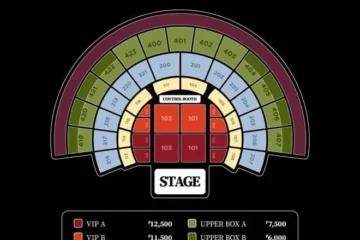
Furthermore, SM Entertainment revealed on April 26th that NCT Dream would be embarking on a large-scale stadium tour across Asia and North America in the latter half of 2026. Titled "Dreamscape Odyssey," the tour promises to be their biggest yet, including multiple dates in major cities such as Tokyo, Seoul, Los Angeles, and New York. This announcement followed the immense success of their recent album, solidifying their position as one of K-Pop’s leading global acts. The pre-sale dates and venues, while not fully disclosed, immediately became a trending topic worldwide, demonstrating the group’s formidable international fanbase and the high demand for their live performances. This move underscores the industry’s continued emphasis on global touring as a primary revenue stream and a means of connecting directly with international audiences.
Industry Headlines and Other Significant Developments
Beyond direct music releases, the week also saw several broader industry developments that shaped the K-Pop narrative. The Korea Music Copyright Association (KOMCA) released its Q1 2026 report on April 21st, highlighting a significant increase in international royalties collected for K-Pop music. The report indicated a 15% year-over-year increase, primarily driven by growth in streaming revenues from platforms like Spotify and Apple Music, as well as increased sync licensing deals for K-Pop tracks in international film and television. This data reinforces the global economic impact and cultural penetration of K-Pop, affirming its status as a major cultural export.
A notable news item from the "Other News" section, referencing a Naver article (link 5: Naver: https://n.news.naver.com/mnews/article/079/0004139124?sid=102), detailed a growing public discourse surrounding artist mental health within the K-Pop industry. The article reported on an increase in public awareness campaigns launched by several major entertainment agencies, including SM and HYBE, aimed at providing better psychological support for their idols. This initiative comes in response to ongoing discussions and past incidents that have highlighted the immense pressures faced by artists. Experts and fan groups have lauded these efforts as crucial steps towards fostering a healthier environment for idols, promoting transparency and destigmatizing mental health challenges. This signals a positive shift in industry practices, prioritizing artist well-being alongside commercial success.
Furthermore, The Korea Herald (referenced via https://www.koreaherald.com/article/10725134) reported on April 26th about the escalating competition among K-Pop agencies to secure prime advertising slots and brand endorsement deals, particularly with luxury fashion houses. The article highlighted how collaborations between idols and global brands have become a significant indicator of an artist’s influence and market value, driving substantial revenue for both the artists and their agencies. It detailed how agencies are increasingly investing in sophisticated marketing strategies to position their idols as global fashion icons, expanding their reach beyond music into the broader entertainment and lifestyle sectors. This trend underscores the multifaceted nature of idol careers and the growing synergy between K-Pop and the global fashion industry.

Another significant development, gleaned from a Naver article (link 1: Naver: https://m.entertain.naver.com/home/article/241/0003506768), involved a groundbreaking partnership between Kakao Entertainment and a leading AI music production company. Announced on April 24th, this collaboration aims to integrate advanced AI technologies into music composition and production processes, potentially revolutionizing how K-Pop tracks are created. While concerns about artistic originality and human input remain, proponents suggest this could streamline production, offer new creative avenues, and help generate personalized content for diverse audiences. This move signifies the industry’s readiness to embrace technological innovation, potentially paving the way for new soundscapes and creative workflows in the future of K-Pop.
Broader Impact and Implications
The period of April 20-26, 2026, reinforced several key dynamics within the K-Pop industry. The success of comebacks like Cravity’s and Everglow’s, coupled with the buzz around Kwon Eunbi’s upcoming release, demonstrates the continued strength of established acts and the effectiveness of well-executed promotional strategies. The enthusiastic reception to NOVA’s debut suggests that there remains significant appetite for innovative concepts and sounds, encouraging agencies to diversify their artist portfolios.
The announcements from JYP and SM Entertainment regarding future groups and global tours underscore the industry’s proactive approach to long-term growth and international expansion. Agencies are not only focusing on current releases but are also meticulously planning for future generations of idols and expanding their global footprint through extensive touring and strategic partnerships. The reported increase in K-Pop royalties and the intense competition for brand endorsements highlight the robust economic health of the industry and its growing influence across various sectors.
Furthermore, the public discourse on artist mental health and the embrace of AI in music production reflect an industry that is simultaneously addressing critical internal issues and exploring cutting-edge external technologies. These developments indicate a maturing industry that is becoming more self-aware and forward-looking, balancing the welfare of its artists with the pursuit of innovation and global market dominance. The active engagement of fans across digital platforms, as evidenced by trending topics and rapid view counts, continues to be a driving force, influencing strategies and amplifying artist reach. The week’s events collectively paint a picture of a dynamic, resilient, and continuously evolving K-Pop ecosystem that remains a powerful force in the global entertainment landscape.
Related News