Isi Pidato Lee Sung Min yang Diduga Sindir Shin Se Kyung di Baeksang Arts Awards
Article Editorial Team
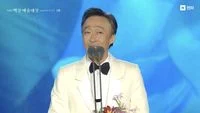
The 62nd Baeksang Arts Awards, held in Jakarta in 2026, was meant to be a celebration of outstanding achievements in South Korean film, television, and theatre. However, the prestigious ceremony took an unexpected turn, overshadowing several deserving triumphs with a heated controversy ignited by the acceptance speeches of veteran actor Lee Sung Min and renowned director Park Chan Wook. Their remarks, made upon receiving their respective accolades, were widely interpreted as expressing disappointment over fellow nominee Yum Hye Ran’s loss in the Best Supporting Actress category to Shin Se Kyung, triggering a fierce backlash from the public and sparking a broader discussion about professionalism and sportsmanship in the entertainment industry.
The 62nd Baeksang Arts Awards: A Night of Triumphs and Tensions
The Baeksang Arts Awards, often referred to as the "Golden Globes of Korea," stands as one of the most respected annual events in the South Korean entertainment calendar. Since its inception in 1964, it has consistently honored excellence across various artistic disciplines, distinguishing itself with a rigorous judging process and a legacy of recognizing both commercial success and critical innovation. The 2026 edition, marking its 62nd anniversary, was no exception, bringing together the industry’s luminaries, rising stars, and dedicated fans. The atmosphere, initially vibrant with anticipation and glamour, quickly shifted following a series of events that began with the announcement of a key acting award.
Among the highly anticipated categories were Best Supporting Actor and Best Supporting Actress in Film, both fiercely contested. The film No Other Choice, a dark horse critically acclaimed for its intricate plot and stellar ensemble performances, had garnered significant buzz, securing multiple nominations. Its cast members, Lee Sung Min and Yum Hye Ran, were particular favorites in their respective supporting categories, having delivered performances widely lauded by critics for their depth and nuance. Another strong contender was the espionage thriller Humint, which saw actress Shin Se Kyung deliver a performance that many critics described as a career-defining turn, showcasing remarkable versatility and intensity.
The Contested Categories: Best Supporting Actor and Actress
The Best Supporting Actor category saw Lee Sung Min emerge victorious for his compelling portrayal in No Other Choice. His win was met with a warm reception, acknowledging his consistent excellence over decades in the industry. However, the subsequent announcement for Best Supporting Actress proved to be the catalyst for the unfolding controversy. Yum Hye Ran, Lee Sung Min’s co-star in No Other Choice, a beloved character actress known for her powerful and diverse roles, was considered by many to be a frontrunner. Yet, the award ultimately went to Shin Se Kyung for her captivating performance in Humint. Shin Se Kyung, a prominent actress with a significant filmography, had previously been recognized for her work but her role in Humint was particularly noted for its sophisticated complexity and emotional gravitas. Her victory, a significant milestone in her career, was unfortunately overshadowed almost immediately.
Lee Sung Min’s Acceptance Speech: An Unscripted Moment
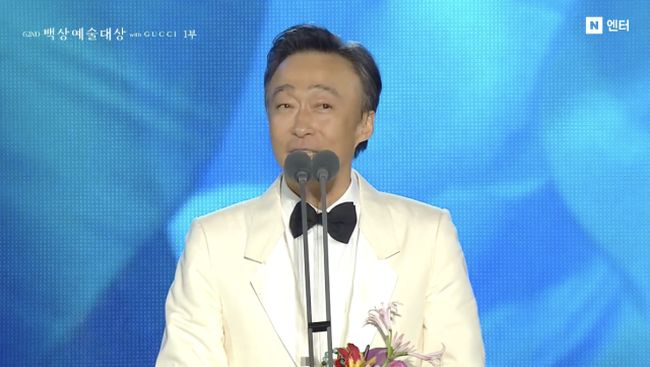
The initial ripple of discomfort began with Lee Sung Min’s acceptance speech for Best Supporting Actor. As he stepped onto the stage, the veteran actor, visibly emotional and perhaps caught in the heat of the moment, deviated from the standard script of gratitude. While expressing his thanks, he candidly addressed his disappointment regarding Yum Hye Ran’s loss.
"I was incredibly nervous because Hye Ran was also nominated," Lee Sung Min stated, his voice carrying a mix of exhaustion and raw emotion. "When she didn’t win, I even cursed a little [out of disappointment]. And now, it’s my turn to win."
His words, delivered in front of a live audience and broadcast to millions, immediately drew gasps and murmurs within the venue. While some might have interpreted his remarks as a testament to his strong bond with his colleague and an expression of genuine camaraderie, a significant portion of the audience and online viewers perceived them as a direct slight against Shin Se Kyung, the actual winner. The phrase "cursed a little" (mengumpat sedikit) particularly struck a discordant note, implying a level of frustration that many deemed inappropriate for such a public and celebratory occasion. It suggested an underlying belief that Yum Hye Ran was the more deserving recipient, implicitly diminishing Shin Se Kyung’s legitimate achievement.
Director Park Chan Wook’s Remarks: A Nuanced Endorsement?
The controversy escalated further when celebrated director Park Chan Wook, the visionary behind No Other Choice, accepted the award for Best Movie. Known globally for his distinctive cinematic style and often provocative narratives, Park Chan Wook’s speech also touched upon the Best Supporting Actress category. While seemingly attempting to temper the sentiment expressed by Lee Sung Min, his words inadvertently reinforced the perception of a collective disappointment within the No Other Choice camp.
"Looking at the results, I am confident that the judging was done fairly," Park Chan Wook began, adopting a more measured tone. "Perhaps Yeom Hye Ran does not agree, but please understand. Shin Se Kyung also performed well."
While acknowledging the fairness of the judging process and offering a brief commendation for Shin Se Kyung, his phrasing "Perhaps Yeom Hye Ran does not agree" was interpreted by many as an indirect validation of the sentiment of dissatisfaction. It suggested that despite the objective fairness, there remained a subjective disagreement about the outcome, thereby keeping the controversial narrative alive and, to some extent, legitimizing the initial disappointment expressed by Lee Sung Min. This seemingly diplomatic statement, intended perhaps to bridge the gap, instead further highlighted the perceived slight against Shin Se Kyung.
Immediate Public and Media Reaction: A Firestorm on Social Media
The remarks by both Lee Sung Min and Park Chan Wook swiftly ignited a firestorm across social media platforms. Within minutes of their speeches, hashtags related to the incident began trending, with a predominant sentiment of outrage and bewilderment. Netizens expressed their dismay, criticizing the actors for what they perceived as a severe breach of awards etiquette and a lack of respect for a fellow artist.
One prominent comment on X (formerly Twitter) from user @giga read, "Haha, wow, they really just disrespected her. Shin Se-kyung must feel like returning the award, it’s so disgusting and petty." Another user, @binc, questioned the public persona of the celebrities: "I wonder, if he’s this blatant on camera, what is he like when the cameras are off? Wow." The comparison to infamous past incidents of poor sportsmanship at awards ceremonies was quick to emerge. User @jae*** drew a direct parallel: "I remember Kanye West once saying Beyoncé should have won the award Taylor Swift received. He faced massive backlash then, so it’s truly unbelievable something like this is happening in 2026. He’s a celebrity, where has all his manners gone?"
The rapid spread of these sentiments underscored the intense scrutiny celebrities face in the age of instant communication. Fans of Shin Se Kyung rallied to defend her, expressing sympathy for her having her moment of triumph overshadowed by perceived negativity. Many emphasized that an award ceremony should be a moment of collective celebration, not a platform for expressing personal grievances or casting doubt on the legitimacy of a peer’s achievement. The incident became a prime example of how even seemingly minor remarks, especially from highly respected figures, can be amplified and scrutinized, leading to significant public discourse and reputational consequences.
Background on the Artists and Films
To fully understand the context of the controversy, a brief look at the involved parties and their works is essential.
Lee Sung Min: A revered figure in South Korean cinema and television, Lee Sung Min boasts a career spanning over three decades. Known for his versatility, he has successfully transitioned between complex dramatic roles and compelling character portrayals. His win for No Other Choice was widely seen as a deserving recognition of his consistent excellence. His public image has generally been one of professionalism and gravitas, making his uncharacteristically candid remarks all the more surprising to many.
Yum Hye Ran: A critically acclaimed actress, Yum Hye Ran has gained significant recognition in recent years for her powerful performances in both film and television. Her ability to embody a wide range of characters, from formidable antagonists to deeply sympathetic figures, has earned her a devoted following and numerous accolades. Her role in No Other Choice was lauded for its emotional depth and complexity, making her a strong contender for Best Supporting Actress.
Shin Se Kyung: An established actress who debuted as a child performer, Shin Se Kyung has built a career marked by diverse roles across various genres. While she has always been a recognizable face, her performance in Humint was singled out by many as a mature and transformative role, solidifying her reputation as a serious dramatic actress. Her victory at Baeksang was a testament to her growth and dedication to her craft.
Park Chan Wook: One of South Korea’s most internationally celebrated directors, Park Chan Wook is known for his meticulously crafted films, often exploring themes of vengeance, morality, and psychological depth. His works, including Oldboy and The Handmaiden, have garnered critical acclaim worldwide. His presence at Baeksang always brings an air of artistic weight, and his words carry significant influence within the industry.
The Films: No Other Choice was a critically acclaimed drama that delved into intricate human relationships within a high-stakes environment. Its ensemble cast was particularly praised, with both Lee Sung Min and Yum Hye Ran delivering standout performances. Humint, on the other hand, was a sleek and intelligent espionage thriller that captivated audiences with its suspenseful narrative and strong character development, providing Shin Se Kyung with a powerful vehicle to showcase her acting prowess. Both films were strong contenders, reflecting the high quality of South Korean cinema in 2026.
The Unwritten Rules of Awards Etiquette: A Broader Discussion
The incident at the 62nd Baeksang Arts Awards ignited a broader discussion within the entertainment industry and among the public about the unwritten rules of awards ceremony etiquette. While genuine emotion is often appreciated, there is a widely held expectation that winners and nominees maintain a certain level of decorum and sportsmanship, especially when addressing the achievements of their peers.
Awards ceremonies are, by their very nature, competitive. However, they are also designed to be celebratory events that honor artistic excellence across the board. The traditional protocol dictates that winners express gratitude to the academy, their colleagues, and their families, and perhaps offer congratulations to their fellow nominees. Direct expressions of disappointment over another nominee’s loss, particularly when they implicitly question the legitimacy or merit of the actual winner, are generally frowned upon. Such remarks can unfairly diminish the recipient’s moment of glory and create an uncomfortable atmosphere, not just for the individuals involved but for the entire industry. The pressure on celebrities during live broadcasts is immense, with every word and gesture scrutinized. This incident served as a stark reminder of the delicate balance between authentic emotional expression and the need for professional conduct in a highly public forum.
Industry and Official Responses (Inferred)
In the immediate aftermath of the controversy, official statements from the Baeksang Arts Awards organizing committee were notably measured. While not directly addressing the specific remarks, a spokesperson for the committee issued a statement reiterating the integrity and fairness of the judging process, emphasizing that all decisions were made by an independent panel of experts based solely on artistic merit. The statement subtly served to counter any insinuation that the awards were anything less than objective.
Public relations teams representing Lee Sung Min and Park Chan Wook likely worked to mitigate the fallout. While no direct apologies were issued publicly from the actors or director themselves, their agencies might have released statements emphasizing the artists’ respect for all nominees and winners, attributing the remarks to a moment of "unguarded emotion" or "deep camaraderie" between colleagues. Such statements typically aim to reframe the narrative, highlighting the positive intentions rather than the negative interpretations.
Shin Se Kyung’s agency, in contrast, maintained a dignified silence. While it is plausible that they were inundated with requests for comment, the decision to not issue a public response is a common strategy to avoid further fanning the flames of controversy and to allow the focus to return to the actress’s achievement rather than the surrounding drama. This quiet professionalism often serves to highlight the perceived impropriety of the other party’s actions. Industry commentators, however, were less reserved, with many entertainment journalists and critics weighing in on the necessity of media training for public figures and the importance of graciousness, even in defeat or perceived injustice.
Implications and Future Repercussions
The incident at the 62nd Baeksang Arts Awards carries several implications for the individuals involved and the broader entertainment landscape. For Lee Sung Min and Park Chan Wook, the controversy, while perhaps not career-ending, undoubtedly cast a shadow on their otherwise celebrated night. Their public image, previously marked by respect and artistic integrity, might now be associated with a moment of perceived unprofessionalism. Future public appearances and acceptance speeches will likely be scrutinized with increased intensity, and there might be a subtle shift in how they are perceived by some segments of the public and industry peers.
For Shin Se Kyung, her significant win for Best Supporting Actress was unfortunately tainted. Instead of being solely celebrated for her outstanding performance, her achievement became inextricably linked to a controversy she played no part in creating. This bittersweet victory highlights the unfair burden placed on recipients when such incidents occur, forcing them to navigate an uncomfortable spotlight that detracts from their well-earned success.
The controversy also sparked a valuable conversation about the conduct expected at prestigious awards ceremonies. It served as a reminder that while authenticity is valued, it must be balanced with professionalism and respect for the collective spirit of such events. The incident will likely be referenced in future discussions about awards show etiquette, media training for celebrities, and the enduring power of social media to shape public perception and hold public figures accountable.
In the long term, the 62nd Baeksang Arts Awards will be remembered not just for its celebrated winners and artistic triumphs, but also for the unexpected storm ignited by a few unscripted words. It underscored the delicate interplay between personal emotion, professional conduct, and public scrutiny in the high-stakes world of entertainment, leaving an indelible mark on the narrative of the event and prompting a re-evaluation of how such moments are navigated. The debate over whether such remarks were a genuine expression of camaraderie or an act of perceived disrespect will likely continue to resonate within the industry for some time, challenging the very essence of what constitutes graciousness in victory and defeat.
Related News