The Intersection of Aesthetic Standards and Cultural Identity Examining the Proliferation of Plastic Surgery in South Korea’s Entertainment Sector
Article Editorial Team

The discourse surrounding cosmetic enhancement in South Korea has evolved from a whispered taboo into a central pillar of the nation’s cultural and economic identity, particularly within the influential sphere of K-entertainment. In an industry where visual presentation is often weighed as heavily as vocal or acting talent, the prevalence of plastic surgery has sparked a complex debate involving celebrities, medical professionals, and the general public. This phenomenon is most visible in the digital landscape, where search engine algorithms on platforms such as Naver, Daum, and Google frequently auto-suggest "plastic surgery" or "before and after" alongside the names of prominent idols and actors. As the industry continues to export its aesthetic ideals globally, the tension between individual agency and societal pressure has reached a critical juncture.
The Televised Debate: G.NA and Lee Yoon-suk
A recent exchange on a South Korean variety program between solo vocalist G.NA and comedian Lee Yoon-suk highlighted the ideological divide regarding surgical intervention. The discussion began when Lee voiced his disapproval of his wife potentially seeking plastic surgery, characterizing such a move as a "violation of their marriage oath." Lee argued that the pursuit of cosmetic changes often stems from external pressures rather than a genuine need for self-improvement, suggesting that a partner’s love should render such alterations unnecessary.
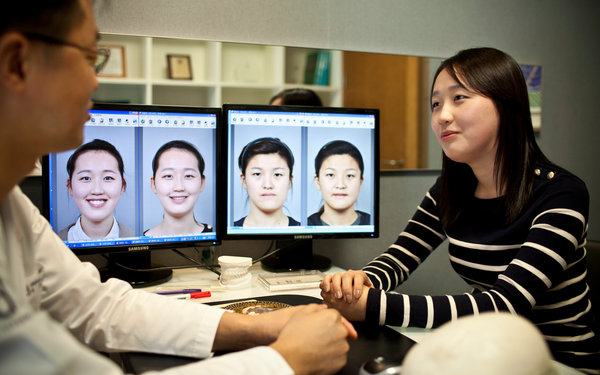
In response, G.NA offered a defense of the practice, grounding her argument in the concepts of "personal satisfaction and happiness." She shared a personal anecdote regarding her grandfather, who reportedly experienced a significant boost in morale and quality of life after undergoing hair transplant surgery. G.NA posited that for many individuals, correcting a perceived physical flaw is not an act of vanity but a necessary step toward building self-esteem. However, the debate concluded with a visible impasse, as Lee maintained that if a spouse views their partner as "perfect," the partner should not feel the need to conform to broader societal standards. This exchange reflects a broader cultural friction: the clash between traditional values of "natural" integrity and the modern reality of the "beauty economy."
The Miss Daegu 2013 Controversy and the "Clone" Phenomenon
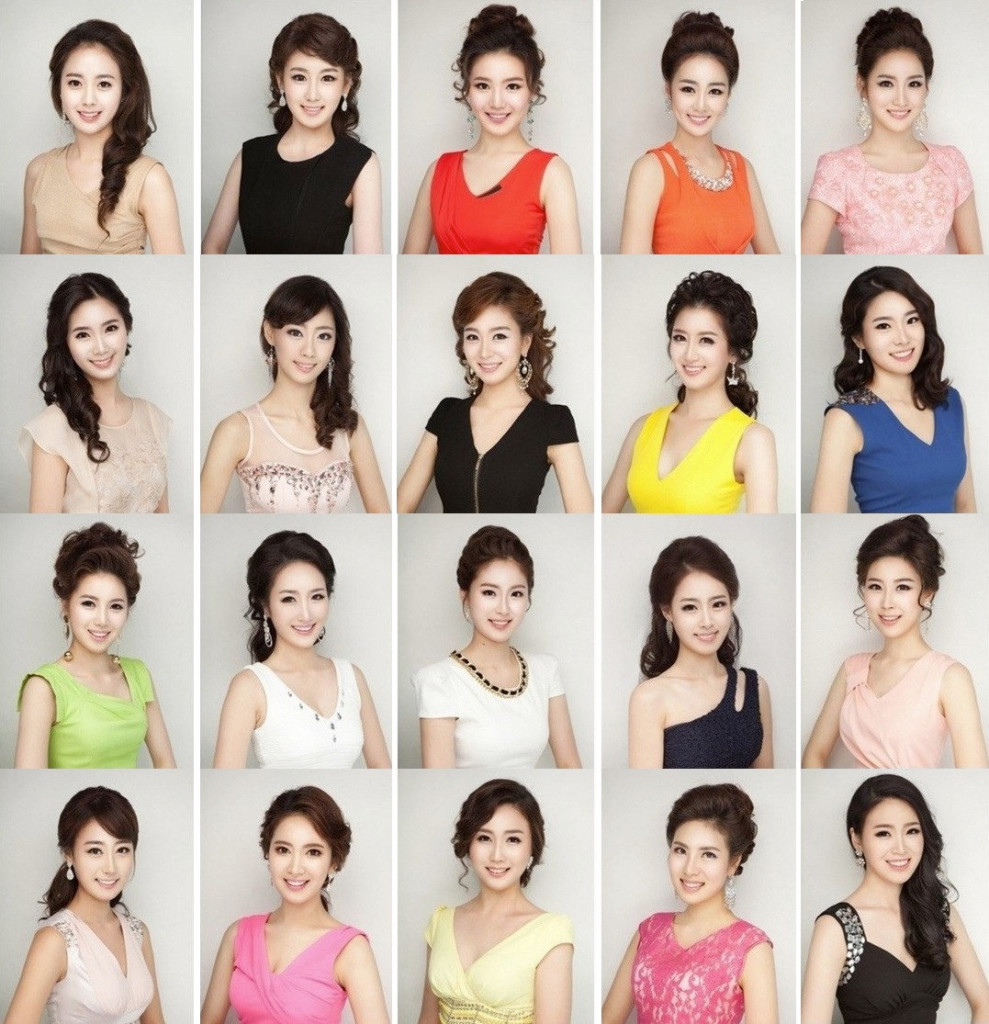
The debate over aesthetic homogeneity reached an international peak following the release of the official portraits for the Miss Daegu 2013 pageant, a preliminary for the Miss Korea competition. The images, which featured twenty candidates, went viral globally due to the striking similarity in the contestants’ facial features. Observers noted that nearly all candidates possessed the "ideal" Korean facial structure: large eyes with prominent double eyelids (epicanthoplasty and blepharoplasty), high and narrow nose bridges (rhinoplasty), milky-white skin, and the "V-line" heart-shaped jawline.
This incident sparked a firestorm of criticism and satire, with international media outlets, including the New York Times and the International Business Times, questioning whether the pageant represented a competition of natural beauty or a showcase for the skills of plastic surgeons. The "clone" phenomenon highlighted the unintended consequences of a highly efficient medical industry that has perfected a specific template of beauty. When a society adopts a singular, rigid definition of attractiveness, the individual decision to undergo surgery—once framed as a path to personal empowerment—begins to look more like a mandatory requirement for social and professional entry.

Statistical Context: South Korea as a Global Hub
Data from the International Society of Aesthetic Plastic Surgery (ISAPS) consistently ranks South Korea as having the highest rate of plastic surgery procedures per capita in the world. By 2012, it was estimated that approximately 20% of women in Seoul between the ages of 19 and 49 had undergone some form of cosmetic procedure. The "Beauty Belt" in Seoul’s Gangnam District, specifically the Apgujeong and Sinsa-dong neighborhoods, houses over 400 specialized clinics within a few square miles.
This concentration of medical expertise is not merely a social trend but a significant economic driver. The South Korean government has actively promoted medical tourism, aiming to attract hundreds of thousands of international patients annually. In 2013, the industry was valued at billions of dollars, bolstered by the "Hallyu" or Korean Wave, which exported K-pop and K-dramas—and their associated aesthetic standards—to China, Southeast Asia, and the West. The ubiquity of advertisements in subway stations and on public buses further normalizes these procedures, framing them as a routine form of "self-management" (jagi-gwalli) akin to exercise or skincare.
The Role of "Lookism" in Professional and Social Success
In South Korea, the term Oemojishangjuui (lookism) describes the pervasive belief that a person’s outward appearance is a reflection of their inner worth and capability. This cultural mindset has tangible implications for the labor market. It is common practice for job seekers to include a photograph on their resumes, and many applicants believe that undergoing "job plastic surgery" (chwieop seonghyeong) is a necessary investment to remain competitive.

The entertainment industry serves as the ultimate amplifier of these pressures. While some celebrities, such as SISTAR’s Hyorin, have admitted to procedures like double eyelid surgery after initial denials, many others face intense scrutiny. The pressure to maintain a "natural" image while simultaneously meeting "supernatural" beauty standards creates a psychological paradox. For idols, whose contracts often include clauses regarding their physical appearance, the line between personal choice and corporate requirement is frequently blurred.
Media Representation and the Absence of Diversity
A significant factor in the persistence of these standards is the lack of diverse representation in South Korean media. Unlike Western markets, where figures like Tina Fey or Lena Dunham have successfully challenged traditional beauty norms through satire and self-deprecation, the South Korean entertainment landscape often relegates those who do not fit the "ideal" to specific, limited roles.
Gagwomen such as Kim Shin-young and Jung Ju-ri frequently center their comedy on their own perceived lack of beauty. This reinforces a binary system where individuals are either "glamorous" (and thus worthy of being protagonists) or "ugly" (and thus relegated to comic relief). A notable example of this was the music video for 8eight’s Lee-hyun, which utilized Jung Ju-ri’s appearance as a punchline. This lack of inclusive imagery makes it difficult for the public to find "counter-voices" that celebrate alternative types of beauty. Without these voices, the media onslaught continues to glorify the manufactured ideal, making the decision to abstain from surgery feel like a social liability.
Analysis of Implications: From Individual Choice to Societal Mandate
The current state of plastic surgery in South Korea suggests that the practice has moved beyond the realm of individual agency. When G.NA argues for "personal satisfaction," she is speaking within a framework where satisfaction is often contingent upon meeting a narrow set of societal expectations. If an individual feels "better" after surgery, it is often because they no longer face the social friction or "lookism" associated with their previous appearance.
The normalization of risky procedures, such as double-jaw surgery (yangak surgery)—originally a reconstructive procedure for those with functional jaw issues but now marketed for facial slimming—indicates a dangerous escalation in the pursuit of the "V-line" ideal. The medicalization of beauty has turned the human face into a project that is never truly finished, leading to a cycle of constant "touch-ups" and enhancements.
Future Outlook and Potential for Change
There are signs of a burgeoning shift in the cultural conversation. Some celebrities have begun to speak more candidly about the physical and emotional toll of maintaining their images. Groups like Brown Eyed Girls have used their music and variety appearances to satirize the industry’s obsession with surgery, providing a rare moment of honesty in a field characterized by artifice.

However, for a lasting change to occur, the South Korean media must make room for a broader spectrum of beauty. This involves not only the honest admission of surgical histories but also the active promotion of "natural" and diverse features as equally valid. Until the societal structures that reward aesthetic homogeneity are challenged, the "personal decision" to undergo plastic surgery will remain inextricably linked to a collective pressure to conform. The evolution of the Miss Korea pageant and the K-pop industry will serve as a barometer for whether South Korea can move toward a more inclusive definition of beauty or whether it will continue to refine the "clone" archetype that has come to define its global image.
Related News