The Evolution of K-pop Fandom and the Rise of Critical Media Discourse in the Hallyu Era
Article Editorial Team

The global expansion of South Korean popular culture, known as the Hallyu Wave, has necessitated a parallel evolution in how fans and critics consume, analyze, and interact with entertainment media. This shift is characterized by a transition from traditional, emotionally driven fandom to a more sophisticated, analytical approach to cultural consumption. As K-pop transitioned from a regional phenomenon to a multi-billion-dollar global industry between 2010 and 2013, the role of the independent critic became vital in navigating the complexities of the industry’s polished exterior versus its internal structural realities. The discourse surrounding K-pop has increasingly moved toward an editorial paradigm, where the lines between "fan" and "journalist" blur, creating a unique space for critical engagement that challenges the industry’s manufactured narratives.
The Shift from Fandom Participation to Critical Journalism
Historically, K-pop fandom was defined by intense loyalty and organized support for specific "idols" or groups. However, the emergence of English-language editorial platforms like Seoulbeats provided a venue for fans to pivot toward critical analysis. For many contributors within this space, the transition from being a passive consumer to an active writer has resulted in a significant detachment from traditional fandom behaviors. While the emotional fervor of fandom often requires a high level of immersion in "stan culture"—characterized by unwavering defense of an artist—the editorial role demands a level of skepticism and objectivity.

This detachment is not necessarily indicative of a loss of interest, but rather an evolution of perspective. Writers in the field have noted that as they become more familiar with the industrial mechanics of K-pop, they find less need for the community validation found in traditional fandoms. Instead, the intellectual satisfaction of dissecting a comeback’s musicality, visual aesthetics, or cultural implications replaces the visceral "spazzing" often found on social media platforms like Tumblr or Twitter. This professionalization of the fan experience allows for a broader appreciation of the industry as a whole, rather than a narrow focus on a single act.
Chronology of the Hallyu Wave’s Critical Expansion (2009–2013)
To understand the rise of critical discourse, one must examine the timeline of K-pop’s international ascent. The period between 2009 and 2013 serves as the foundational era for modern global K-pop fandom.
- 2009–2010: The Regional Foundation. Following the success of acts like Wonder Girls and Girls’ Generation in Asia, the industry began eyeing the Western market. Fandom was largely decentralized, existing on forums like Soompi.
- 2011: The Digital Explosion. The "K-pop Flash Mob" phenomenon and the success of SM Town Live in Paris signaled a shift. Digital platforms became the primary drivers of growth, and the need for English-language news and analysis grew.
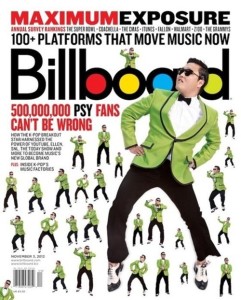
- 2012: The "Gangnam Style" Catalyst. Psy’s viral success brought unprecedented mainstream attention to K-pop. This created a demand for context; Western audiences needed to understand the difference between Psy’s satire and the idol system.
- 2013: The Year of Diversification. As the market became saturated with new groups, critics began to focus on the "volume of content." This year saw a move toward "critical consumption," where the sheer output of the industry forced a more discerning eye regarding quality and artistic merit.
During this timeline, the role of the independent blogger evolved into that of a cultural commentator. The necessity of staying abreast of daily news and weekly releases fostered a deep respect for the industry’s productivity, but also a heightened awareness of its "dark side," including the "Idol Code" of conduct and the lack of corporate transparency.
Industrial Volume and the Business of Music
A central theme in the analysis of modern K-pop is the sheer volume of creative output. Unlike Western music industries, which may see a major artist release an album every two to three years, the K-pop industry operates on a "comeback" cycle that occurs multiple times a year for a single artist. This relentless pace produces a vast amount of content, ranging from music videos and variety show appearances to behind-the-scenes "vlogs."
Supporting data from the Korea Creative Content Agency (KOCCA) indicates that during the early 2010s, the export value of Korean music grew at an exponential rate. In 2012 alone, music exports were valued at approximately $235 million, a significant increase from previous years. This economic boom was fueled by the industry’s ability to maintain a "universally decent standard" of production. Critics have noted that the rigorous training system in South Korea ensures that even mediocre acts possess a baseline level of performance capability in dancing and singing.
However, this high volume of content also creates a "filter" effect for critics. By being exposed to the vast majority of releases, writers develop higher standards for what constitutes a truly exceptional performance. This leads to a more nuanced appreciation of artists who manage to break through the "homogenous" nature of the genre with genuine charisma or innovative composition.

Socio-Cultural Reflection and Global Implications
The study of K-pop often serves as a mirror for the observer’s own society. For international critics, analyzing the South Korean entertainment system frequently leads to a reevaluation of Western media and social norms. Issues such as the "Idol Code"—which often includes dating bans and strict behavioral expectations—highlight cultural differences in the perception of public figures.
The "dating conundrum" remains one of the most discussed topics in the critical sphere. In the West, a celebrity’s romantic life is often seen as a private matter or a source of tabloid entertainment; in the K-pop industry, it is frequently viewed as a breach of contract or a betrayal of the "parasocial relationship" between the idol and the fan. Critics have argued that while it is important not to impose Western standards on Korean culture, the evolution of the industry toward a global market inevitably brings these conflicting values into contact.
Furthermore, the critical lens has shifted toward the "business aspect" of the music. The lack of transparency in how entertainment agencies operate—from profit distribution to the mental health of performers—has become a staple of serious K-pop journalism. This move away from "idols as godly creatures" toward "idols as workers within a corporate structure" represents a significant maturation of the discourse.

The Role of Netizen Engagement and Public Reaction
A defining characteristic of the Hallyu Wave is the "feedback loop" between creators, critics, and the audience, often referred to as "netizens" (internet citizens). The power of netizen comments in South Korea is well-documented, often influencing the career trajectories of artists. In the English-speaking critical world, this dynamic is mirrored in the comment sections of editorial sites.
Writers have noted that engaging with reader feedback is a double-edged sword. While it provides a sense of community for those who previously experienced K-pop in isolation, it also exposes writers to the "fury" of protective fandoms. When a critic dares to provide a negative review of a popular group, the reaction can be vitriolic. Yet, this tension is essential for a healthy media ecosystem. It forces readers to accept that differing opinions are a valid part of the cultural conversation and encourages writers to articulate their arguments with greater logic and evidence.
Broader Impact and the Future of Hallyu Criticism
The impact of critical platforms like Seoulbeats extends beyond the immediate fandom. By providing a "logical and critical" framework for understanding K-entertainment, these sites have helped legitimize K-pop as a subject of serious academic and journalistic study. The transition from "skepticism" about the genre’s longevity to an acknowledgment of its "niche greatness" reflects a broader global trend.

As of 2013, the consensus among many seasoned critics was that while K-pop might not achieve "mainstream" dominance in the sense of displacing local Western pop, its ability to cultivate a dedicated, informed, and global audience is an unprecedented feat of cultural soft power. The music has transcended language barriers not just through catchy hooks, but through a complex system of visual storytelling and performance art that demands—and deserves—critical scrutiny.
In conclusion, the evolution of the K-pop critic represents a vital chapter in the history of the Hallyu Wave. By moving past the "polished sheen" of the industry and engaging with its systemic complexities, these writers have provided a roadmap for how to be a "critical consumer" of popular culture. As the industry continues to grow, the need for an objective, skeptical, and informed voice remains more important than ever, ensuring that the conversation around K-pop remains as dynamic and multifaceted as the music itself.
Related News