The global expansion of the Korean music industry, known as the Hallyu Wave, has been propelled largely by the fervent dedication of its domestic and international fanbases. These organized groups are frequently lauded for their philanthropic efforts, including the donation of thousands of dollars to charities in the names of their favorite artists, the coordination of elaborate "rice wreath" displays at concerts, and the creation of synchronized fan chants that define the live K-pop experience. However, beneath the surface of this altruistic collective lies a more volatile reality. A series of incidents involving high-profile idols from f(x), SHINee, and Super Junior has highlighted a growing trend of toxic behavior, where the lines between consumer support and personal harassment have become dangerously blurred. This phenomenon raises critical questions regarding the "customer is always right" philosophy in the entertainment sector and the psychological toll of the industry’s reliance on parasocial relationships.
Digital Borders and the Deletion of Personal Space: The Krystal Jung Incident
The vulnerability of K-pop idols in the digital age was starkly illustrated by the recent departure of f(x) member Krystal Jung from the social media platform Instagram. In mid-2013, Krystal deactivated her personal account, @kjungxox, following a sustained campaign of online harassment and multiple hacking attempts. The catalyst for this digital siege was a series of "likes" on her photos by G-Dragon, the leader of Big Bang. Within the ecosystem of K-pop fandom, such minor social media interactions are often misinterpreted by "shippers" or overprotective fans as evidence of a romantic relationship.
The reaction from a subset of G-Dragon’s fanbase was immediate and aggressive. Krystal’s comment sections were flooded with derogatory remarks, threats, and demands for clarification. The situation escalated beyond mere verbal abuse when unidentified users attempted to gain unauthorized access to her account. This incident serves as a primary case study of how digital platforms, intended to bridge the gap between artists and fans, can be weaponized. The "ownership" mentality prevalent in certain fan circles suggests that idols are not individuals with private lives, but curated characters whose associations must be approved by the consumer base. When these perceived boundaries are crossed, the digital retaliation can be severe enough to force an artist into social isolation.
The "Only 13" Legacy: Exclusionary Tactics within Super Junior
The internal dynamics of Super Junior have long been a focal point for fan intervention, most notably through the "Only 13" movement. This campaign, which dates back to the group’s early years, seeks to prevent the addition of new members to the core lineup, specifically targeting Henry Lau and Zhou Mi of the sub-unit Super Junior-M. In July 2013, the tension reached a boiling point, prompting Super Junior member Eunhyuk to issue a formal statement clarifying the status of the two performers.
Eunhyuk stated that Zhou Mi and Henry are not "official" members of the main Super Junior group, but rather guest members of the Mandopop-focused sub-unit. This clarification was a direct response to demands from a vocal segment of the fanbase that insisted on "clearly defined boundaries" between the original thirteen members and subsequent additions. The power of this fan movement is significant; it has influenced management decisions and restricted the career trajectories of talented performers like Henry and Zhou Mi, who, despite years of contribution, remain marginalized by a portion of the people they serve. This scenario underscores a unique aspect of K-pop culture where fans feel entitled to dictate the corporate structure and personnel management of the groups they support.
The Apology Culture: Jonghyun and the Erasure of Personal Privacy
Perhaps the most poignant example of the pressures facing modern idols is the recent public apology issued by SHINee’s Jonghyun. After being spotted at a cinema with a female acquaintance, rumors of a romantic entanglement began to circulate on community forums. Despite the outing being a mundane social activity among friends, the backlash was significant enough to compel Jonghyun to address the matter on Twitter.
In his statement, Jonghyun expressed regret for causing "hurt" or concern among his followers. He wrote, "Even though it’s not something I should be sorry about, I’m sorry." This paradoxical sentiment captures the essence of the idol-fan contract. The industry markets idols as "ideal" partners who are perpetually available to their fans, creating a commercialized form of intimacy. When an idol exercises basic human rights—such as attending a movie with a friend—it is viewed by some as a breach of contract. The fact that an artist feels the need to apologize for living a normal life indicates a systemic issue where the human identity of the performer is secondary to their status as a marketable commodity.

The Physical Toll: Airport Safety and the Crowd Management Crisis
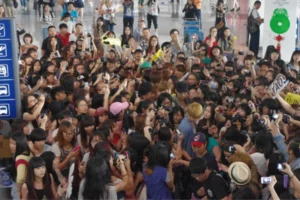
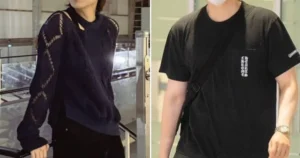
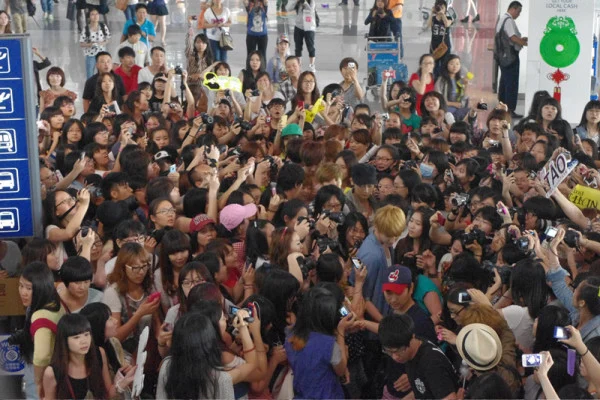
The transition from digital harassment to physical danger is most visible at international airports. As K-pop’s popularity has surged, "airport fashion" has become a recognized sub-culture, leading hundreds of fans to congregate at terminals to catch a glimpse of their idols. However, these gatherings frequently devolve into chaos. Reports of stampedes, shoving, and fans falling over one another are common. In some instances, artists have been physically touched or harassed in the crush of the crowd.
The safety protocols for these events are often insufficient. Entertainment agencies, particularly large entities like SM Entertainment, have faced criticism for failing to provide adequate security personnel to manage the surge of fans. Furthermore, there is a notable silence from corporate offices when these incidents occur. By failing to reprimand inappropriate physical behavior, companies implicitly signal that such actions are an acceptable byproduct of fame. This lack of intervention not only endangers the artists but also poses a public safety risk to other travelers and airport staff.
The Commodity of Perfection: Deconstructing the Parasocial Contract
To understand why these behaviors persist, one must examine the economic and psychological foundations of the K-pop industry. The genre is built on the concept of "perfection." Idols undergo years of rigorous training to ensure their performance, appearance, and public demeanor meet an exacting standard. This commitment to perfection is what attracts millions of consumers, but it also creates a rigid expectation that leaves no room for human error or autonomy.
Netizens and fans often hold idols to a standard that they themselves do not adhere to. There is a profound hypocrisy in the way fans demand absolute transparency and moral purity from artists while simultaneously engaging in bullying, hacking, and physical aggression. This disconnect stems from the dehumanization of the idol; they are seen as characters in a narrative controlled by the audience. When the "character" deviates from the script—by dating, by having a private social media account, or by being part of a group lineup the fans dislike—the audience reacts with the vitriol of a consumer who has received a defective product.

Industry Inertia: The Role of Entertainment Agencies
The responsibility for the current state of fan culture does not lie solely with the fans. Entertainment agencies have historically pandered to the most vocal and extreme segments of their audience to ensure continued financial support. In the K-pop business model, the "super-fan"—those who buy multiple copies of the same album, attend every concert, and invest heavily in merchandise—is the primary revenue driver. Consequently, agencies are hesitant to alienate this demographic by setting firm boundaries or taking legal action against harassment.
However, this short-term financial gain may lead to long-term instability. The psychological burnout of artists, as seen in the cases of Krystal and Jonghyun, and the physical risks at airports, suggest that the current model is unsustainable. For the industry to mature, companies must shift from a model of total appeasement to one of protection. This includes implementing stricter security measures, pursuing legal repercussions for cyber-harassment, and publicly defending their artists’ right to a private life.
Seeking a Sustainable Future for Fan-Artist Relations
The path forward requires a dual effort from both the industry and the fans themselves. There is a need for "self-policing" within fandoms. While fans are capable of incredible feats of organization for good causes, they must apply that same level of coordination to discourage inappropriate behavior. Mature discourse within fan communities is essential to challenge the notion that financial support equates to the right to control an artist’s personal life.
Furthermore, the industry must re-evaluate its marketing strategies. While parasocial relationships are a powerful tool for engagement, they must be balanced with the reality that idols are human beings, not property. The cycle of blind negativity and the demand for constant apologies for non-offenses serves only to degrade the quality of the industry and the well-being of its participants.

As the Hallyu Wave continues to influence global culture, the standards of behavior within its community will be under increasing scrutiny. The question remains whether the industry and its consumers will step forward to foster a culture of mutual respect, or if the "gritty" side of the K-pop coin will continue to overshadow the music and talent that brought the world together in the first place. The digital and physical safety of artists is not a luxury; it is a fundamental requirement for a healthy and sustainable entertainment ecosystem.