“Who’s Gonna Do The Acting?” — Major K-Drama’s Casting Hit With Scathing Response
Article Editorial Team

The controversy centers on the casting of Byeon Woo Seok, Han So Hee, Kang Yoo Seok, and Kang Mina. Despite their significant individual popularity and commercial appeal, a vocal segment of the audience argues that the casting prioritizes "visuals" and "trendiness" over the specific character nuances established in the original web novel and its record-breaking webtoon counterpart. This backlash highlights a growing tension in the South Korean entertainment industry between the demand for star power to drive global streaming numbers and the fans’ desire for faithful, high-caliber character portrayals.

The Cultural Significance of the Solo Leveling Intellectual Property
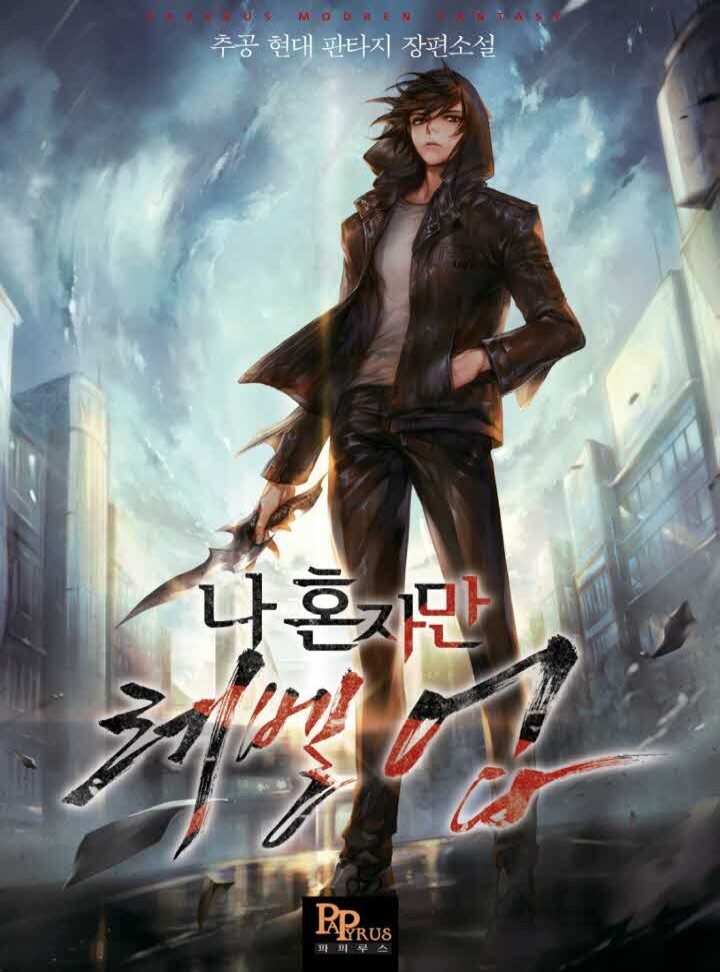
To understand the intensity of the public reaction, one must consider the status of Solo Leveling within the global "Hallyu" or Korean Wave. Originally a web novel titled Na Honja-man Level Up by author Chugong, the series exploded in popularity following its webtoon adaptation illustrated by the late artist DUBU (Jang Sung-rak) of Redice Studio. The series has amassed over 14.3 billion views globally, making it one of the most successful digital comics in history.
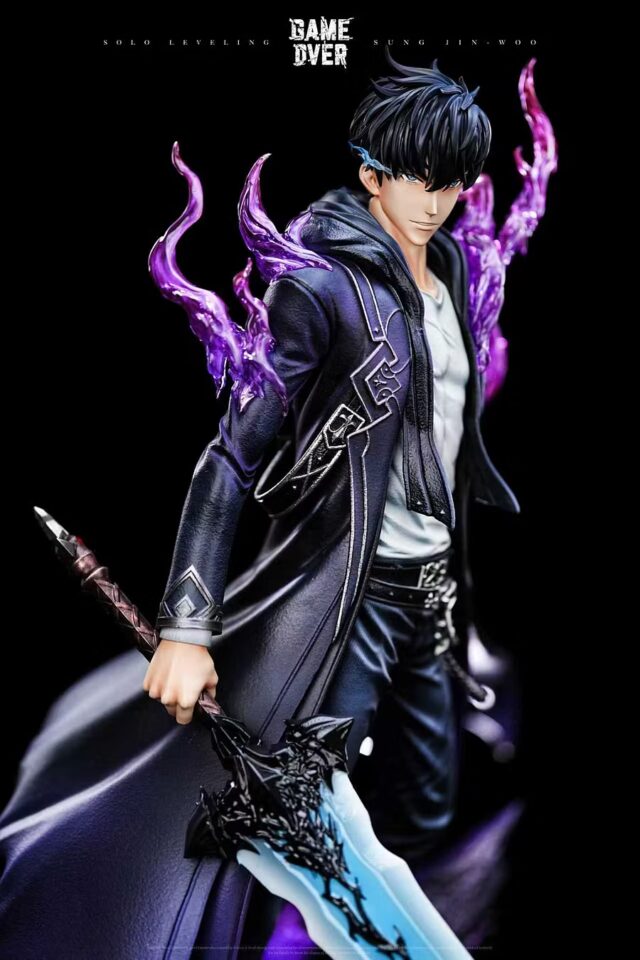
The narrative follows Sung Jin Woo, an E-rank hunter known as "The World’s Weakest Hunter." In a world where "gates" connect the human realm to dungeons filled with monsters, hunters are individuals granted supernatural abilities to protect humanity. After a near-death experience in a high-level "Double Dungeon," Sung Jin Woo becomes a "Player" of a mysterious "System" that allows him to "level up" his strength—a feat previously thought impossible for hunters. His journey from a fragile, desperate young man to a god-like sovereign forms the backbone of a story that blends dark fantasy, psychological growth, and intense action.

Given the immense visual standards set by the webtoon and the emotional depth of the novel, expectations for a live-action adaptation were always going to be extraordinarily high. For many fans, the casting is not just about finding famous faces; it is about finding actors who can embody the physical and psychological transformation of these beloved characters.
Analyzing the Casting Decisions and Netizen Skepticism
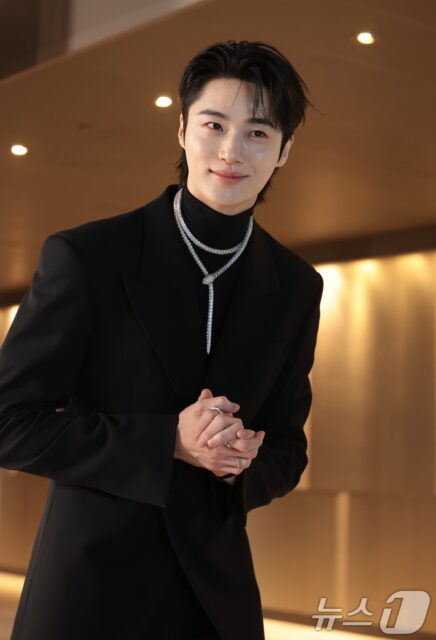
The most significant point of contention involves the casting of Byeon Woo Seok as the protagonist, Sung Jin Woo. Byeon recently experienced a meteoric rise in fame following his role in the hit drama Lovely Runner, where he was praised for his romantic leading-man qualities. However, critics argue that his "flower boy" image and acting style may not translate well to the grit and intensity required for Sung Jin Woo. In the latter half of the story, the character becomes cold, calculated, and physically imposing—a shift that some netizens fear Byeon may struggle to portray convincingly.
"Who’s gonna do the acting?" became a viral refrain on community sites like theqoo, reflecting a sentiment that while the cast is visually stunning, they lack the "heavyweight" acting credentials usually associated with dark, epic fantasy.
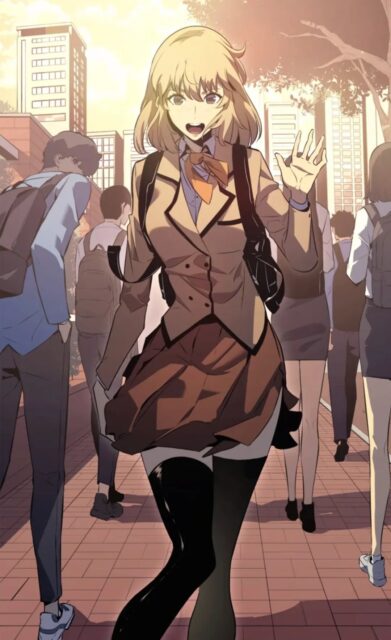
Han So Hee, cast as Cha Hae In, faces a different kind of scrutiny. While she is widely regarded as one of the most talented and versatile actresses of her generation—proven by her roles in The World of the Married, My Name, and Gyeongseong Creature—some fans feel she does not "look the part" of the S-Rank hunter Cha Hae In. In the source material, Cha Hae In is a disciplined, elite athlete with a specific aura of stoicism. While Han So Hee has demonstrated her action prowess in My Name, the debate suggests that the public has a very specific, perhaps rigid, mental image of the character that she has yet to satisfy.
The inclusion of Kang Yoo Seok (playing Yoo Jin Ho) and Kang Mina has also been met with mixed reviews. Kang Yoo Seok is a rising star known for his role in Black Knight, while Kang Mina, a former member of the K-Pop group I.O.I, has been steadily building her acting portfolio in dramas like Welcome to Samdal-ri. The criticism here often stems from a general fatigue regarding "idol-actors" and "rookie-actors" being cast in massive, high-budget productions where veteran talent might be expected.
A Timeline of the Solo Leveling Phenomenon
The journey of Solo Leveling from a text-based novel to a live-action Netflix series has been nearly a decade in the making:
- 2016: Chugong begins publishing the Solo Leveling web novel on the KakaoPage platform.
- 2018: The webtoon adaptation premieres, with art by DUBU. Its cinematic art style sets a new global standard for digital comics.
- 2021: The series concludes, leaving a massive void in the market and sparking rumors of various adaptations.
- January 2024: The anime adaptation by A-1 Pictures premieres to critical acclaim, further cementing the IP’s global reach and proving that the story can be successfully translated into other mediums.
- May 2024: Rumors and subsequent reports regarding the Netflix live-action cast begin to surface, leading to the current public discourse.
This chronology demonstrates that the live-action series is entering a market already saturated with high-quality versions of the same story. Fans are comparing the live-action cast not just to the original novel, but to the iconic webtoon art and the successful anime voice acting, creating a "triple-burden" for the new actors.
Supporting Data: The High Stakes of Netflix’s K-Content Investment
The backlash against the Solo Leveling casting is more than just fan chatter; it has implications for Netflix’s broader business strategy in South Korea. In 2023, Netflix CEO Ted Sarandos announced a $2.5 billion investment in South Korean content over the next four years. A significant portion of this budget is dedicated to adapting popular webtoons, which come with built-in fanbases.

However, the success of these adaptations is inconsistent. While Sweet Home and All of Us Are Dead were global hits, other high-budget adaptations have struggled when they deviated too far from the source material or failed to capture the "vibe" of the characters. For Solo Leveling, which relies heavily on the protagonist’s personal charisma and "cool factor," a casting misfire could be catastrophic for the show’s reception in the domestic Korean market, which often acts as a trendsetter for global audiences.
Industry analysts note that casting "trendy" actors like Byeon Woo Seok is a calculated risk. His current popularity ensures a massive initial viewership from his dedicated fanbase, but it does not guarantee the long-term critical success needed to sustain a multi-season fantasy epic.
Broader Implications for the K-Drama Industry
The "scathing response" to the Solo Leveling casting reflects a broader shift in audience expectations. Modern viewers are increasingly savvy about the production process and are more vocal about "miscasting" than in previous decades. There is a growing demand for "synchronization"—a term used in Korea to describe how closely an actor matches the original character in both appearance and energy.
Furthermore, this situation highlights the difficulty of adapting the "LitRPG" or "Leveling" genre into live action. These stories often feature protagonists who are intentionally "overpowered" (OP). If an actor cannot convey the internal weight and external authority of such a character, the performance can easily come across as "cringe-worthy" or hollow. The concern that "visuals were prioritized over acting" suggests that fans are worried the drama will become a "visual showcase" rather than a compelling narrative.
Conclusion: The Path Forward for Solo Leveling
As production moves forward, the cast and crew of the Solo Leveling live-action series face the daunting task of proving their critics wrong. History has shown that initial casting backlashes can be overcome by stellar performances. For example, many now-iconic roles in both Western and Eastern cinema were initially met with skepticism before the actors proved their suitability on screen.
For Byeon Woo Seok and Han So Hee, the pressure will be on their ability to deliver a transformative performance that transcends their existing public personas. If they can capture the dark, high-octane essence of Solo Leveling, they may not only silence their critics but also set a new standard for webtoon-to-live-action adaptations. Until the first trailers are released, however, the debate over "who’s gonna do the acting" is likely to remain a central theme in the discourse surrounding this landmark production. Netflix and the production team have yet to issue an official response to the netizen feedback, maintaining their focus on the early stages of development for what is arguably their most scrutinized Korean project to date.
Related News