BTS Face Significant Backlash From Fans Following Instagram Responses To Drake Shoutout In New Song Lyrics
Article Editorial Team
The global music landscape witnessed a significant moment of friction on May 15, 2026, as members of the world-renowned K-pop group BTS found themselves at the center of a social media firestorm. The controversy stems from their public acknowledgment of a mention in a new track by Canadian rapper Drake. While shoutouts between high-profile artists are typically seen as milestones of mutual respect, the specific history and current public standing of Drake have led to a polarized response from the BTS fanbase, known as ARMY, and the broader music-listening public.
The incident began with the release of Drake’s latest project, which featured a direct lyrical reference to the South Korean septet. Given BTS’s unprecedented global influence and Drake’s status as one of the highest-selling artists in digital history, the crossover was initially framed as a significant cultural moment. However, the atmosphere quickly shifted from curiosity to concern as fans anticipated how the BTS members would react to the mention.
Chronology of the Social Media Interaction
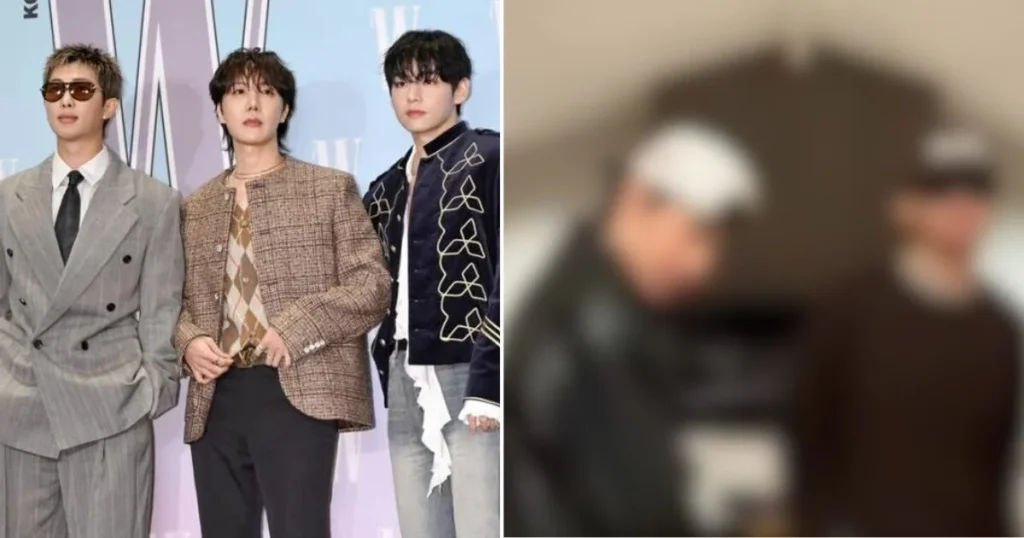
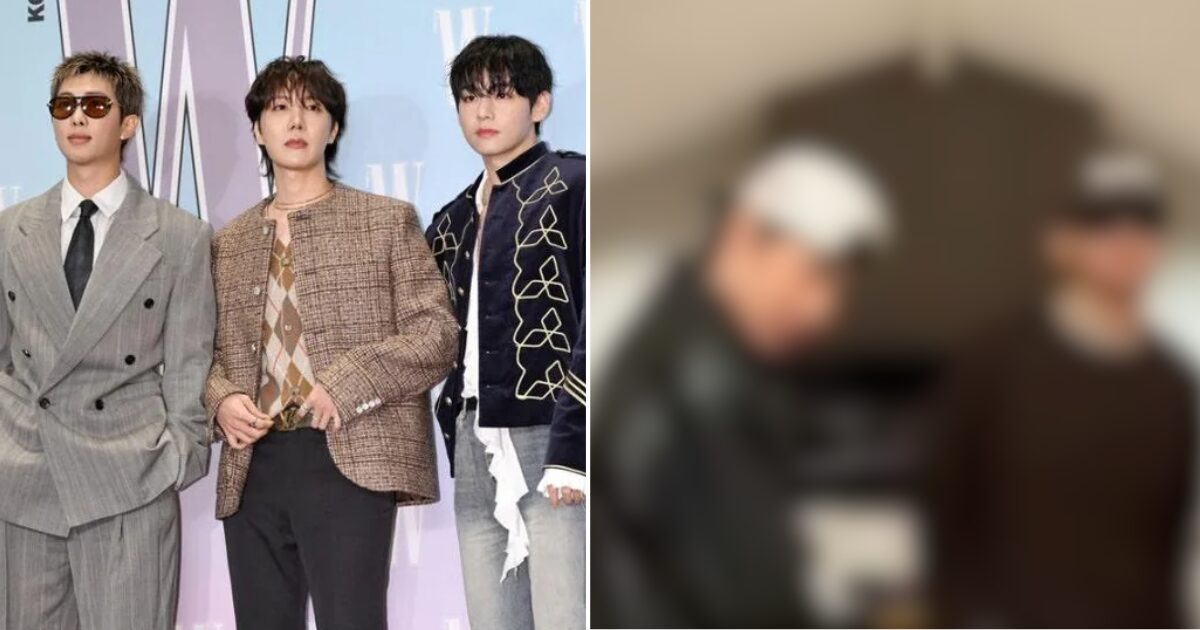
The timeline of the event unfolded rapidly across Instagram, where the members of BTS maintain individual accounts with tens of millions of followers. Shortly after the song’s lyrics began circulating online, V (Kim Taehyung) and J-Hope (Jung Hoseok) shared a video on their Instagram Stories. The footage depicted the two members listening to the track, appearing to enjoy the rhythm and the specific lyrical nod to the group.
This initial post was followed by a similar acknowledgment from Jimin (Park Jimin), who engaged with the content on his own profile. Finally, RM (Kim Namjoon), the leader of the group known for his deep ties to the hip-hop community and his role as a primary songwriter, shared the song on his Instagram Story. This collective show of support from four of the group’s seven members served as a catalyst for a massive wave of discourse on X (formerly Twitter) and other social media platforms.
The reaction from the fanbase was almost instantaneous. A segment of the ARMY expressed disappointment, citing Drake’s history of personal and professional controversies as a reason why the members should have remained silent. Conversely, other fans defended the group’s right to engage with global hip-hop culture, noting that the members have long been fans of Drake’s discography.
The Roots of the Controversy
The backlash is rooted in a complex web of recent events surrounding Drake. In the years leading up to 2026, the rapper has been involved in several high-profile disputes and has faced public scrutiny regarding his personal conduct and professional rivalries. Most notably, the 2024 feud between Drake and Kendrick Lamar left a lasting impression on the music industry, with various allegations surfaced during the exchange that impacted Drake’s reputation among certain demographics of listeners.
For many BTS fans, the group represents a set of values—integrity, kindness, and social responsibility—that they feel are at odds with the "problematic" nature of Drake’s public persona. The concern among fans was not merely about the music, but about the "brand association" that occurs when BTS members publicly endorse an artist who is currently viewed through a critical lens by a portion of the Western public.
Prior to the members posting their stories, many fans had expressed a sense of dread. Social media posts from the morning of May 15 showed fans pleading for "Vhopejoon" (a portmanteau for V, J-Hope, and RM) to refrain from posting. When the members did eventually share the song, it was viewed by some as a lapse in PR judgment, while others saw it as a genuine expression of their personal musical tastes, independent of the rapper’s external controversies.
Analysis of Netizen Criticism and Language Bias
A secondary and more malicious layer of the backlash emerged from general netizens and "anti-fans." This group used the Instagram Stories as an opportunity to attack the BTS members’ English language proficiency. Several viral posts suggested that the members "probably didn’t understand" the nuances or the context of the lyrics they were sharing.

These comments have been characterized by many observers as xenophobic, as they rely on the trope that non-native English speakers are incapable of comprehending Western pop culture or hip-hop slang. RM, in particular, has been fluent in English for years and has demonstrated a sophisticated understanding of Western lyrical structures through his solo work and interviews. The criticism that the members were "acting" as if they understood the song was met with a counter-backlash from supporters who pointed out the group’s long history of studying and contributing to the hip-hop genre.
This specific line of criticism highlights the double standard often applied to K-pop artists. While Western artists are rarely questioned for their understanding of the music they consume or promote, BTS members frequently face scrutiny regarding their intellectual and cultural autonomy.
Broader Implications for BTS’s Global Image
The interaction between BTS and Drake raises important questions about the intersection of K-pop and Western hip-hop. BTS began their journey as a hip-hop-heavy group, and their respect for the genre’s titans has been a consistent theme throughout their career. They have previously collaborated with artists like Nicki Minaj, Megan Thee Stallion, and Coldplay, navigating various corners of the global music industry with relative ease.
However, as the group has moved into a more "statesman-like" role—acting as Special Presidential Envoys for South Korea and speaking at the United Nations—the expectations for their public behavior have reached an almost impossible standard. Every social media interaction is analyzed for political and social alignment. In this instance, the "clean" image of BTS collided with the "edgy and controversial" image of Drake, creating a friction point that the group’s PR team and the members themselves must now navigate.
From a market perspective, the mention by Drake is a testament to BTS’s staying power. Even during periods of mandatory military service or solo-focused activities, the group remains a central reference point in global music. For Drake, mentioning BTS can be seen as a strategic move to tap into one of the world’s most active and loyal fanbases. For BTS, the shoutout is a validation of their status as peers to the biggest names in the industry.
Official Responses and Future Outlook
As of the time of reporting, HYBE (the parent company of BIGHIT MUSIC) has not issued an official statement regarding the social media posts. The company typically allows members significant freedom on their personal Instagram accounts, a policy that was established when the accounts were first launched in late 2021. This freedom is a double-edged sword; it allows for authentic connection with fans, but it also leaves the members vulnerable to the type of scrutiny seen in the wake of the Drake mention.
Industry analysts suggest that this event is unlikely to have a long-term negative impact on BTS’s brand. The K-pop industry is no stranger to "Twitter storms," and the loyalty of the ARMY generally outweighs the temporary dissatisfaction of a vocal minority. However, the event serves as a reminder of the hyper-vigilance of modern fandom. In the digital age, a 15-second Instagram Story can spark a global debate about ethics, language, and the responsibilities of global icons.
Moving forward, the members of BTS are expected to continue their solo endeavors and prepare for a full group return in the near future. Whether they will address the Drake controversy directly remains to be seen, though history suggests they will let the music speak for itself. The incident underscores a growing tension in the music world: the desire for artists to be authentic individuals versus the demand for them to be perfect avatars of their fans’ values.
In conclusion, while the shoutout from Drake was intended as a nod to the group’s massive success, it inadvertently exposed the deep-seated divisions within the fandom and the persistent cultural barriers that K-pop artists face in the Western market. As BTS continues to bridge the gap between East and West, they will undoubtedly encounter more such "collisons" of culture and reputation. The way they—and their fans—navigate these moments will define the next chapter of their unprecedented career.
Related News