Delusional Sasaeng Fan Sends Popular K-Pop Idol Nudes To “Shoot Her Shot”
Article Editorial Team
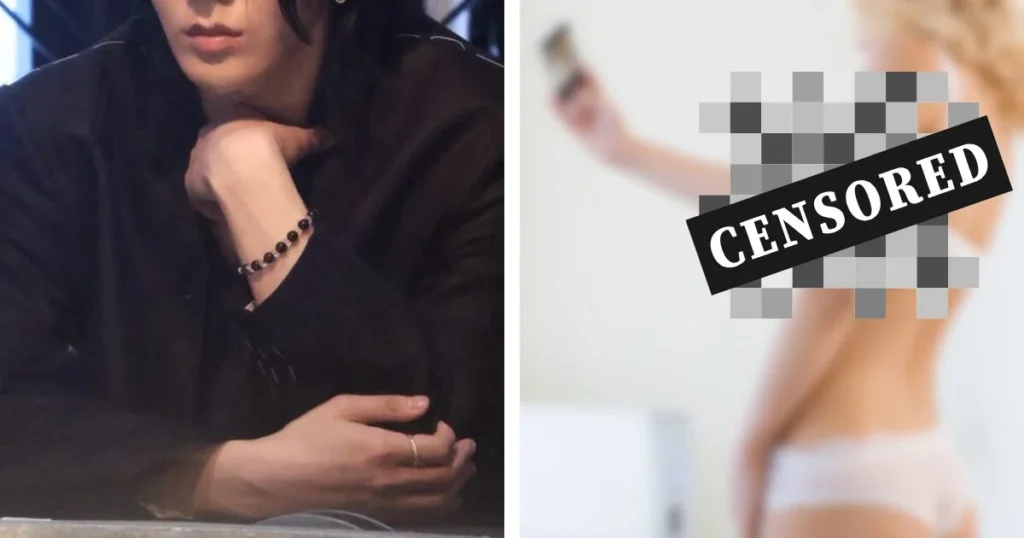
A disturbing incident has come to light involving NCT member Yuta, who recently disclosed on a Japanese television program that he received unsolicited nude images from a sasaeng fan, accompanied by a sexually explicit message. This incident underscores the escalating severity of harassment faced by K-Pop idols, highlighting the dangerous intersection of obsessive fandom and illegal behavior. Yuta’s revelation has sparked widespread outrage within the global K-Pop community, renewing urgent calls for stricter measures to protect artists from stalkers and cyberbullies.
The Alarming Revelation by NCT’s Yuta
During his appearance on Naokiman Show’s Urban Legend Wide Show Season 3, NCT’s Yuta, whose full name is Nakamoto Yuta, recounted several unsettling encounters with sasaeng fans. While the entire group has reportedly faced persistent harassment, Yuta detailed particularly invasive personal experiences. He shared that despite changing his personal phone number multiple times, sasaengs consistently managed to obtain his new contact information. On one occasion, a sasaeng directly messaged him, questioning why he had changed his number. This relentless pursuit of personal data is a hallmark of sasaeng behavior, demonstrating a profound disregard for an idol’s privacy and personal boundaries.
The most egregious incident Yuta described involved receiving a fully nude image from a sasaeng via text message. Accompanying the explicit photo was a message stating, "I’m ready whenever you are." This constitutes a clear act of sexual harassment and a deeply disturbing invasion of privacy, moving beyond typical stalking into the realm of criminal behavior. Yuta’s candid sharing of these experiences brings a chilling reality to the public eye, revealing the severe emotional and psychological toll such actions inflict on idols who are often perceived merely as public figures. The incident serves as a stark reminder that behind the glamorous facade of the K-Pop industry, artists grapple with profound personal safety and mental health challenges.
Understanding the Sasaeng Phenomenon in K-Pop
The term "sasaeng" (사생팬), derived from the Korean words "sa" (사, meaning private) and "saeng" (생, meaning life), refers to overly obsessive fans who engage in extreme and invasive behaviors to intrude upon the private lives of celebrities. This phenomenon is deeply embedded in the K-Pop industry’s darker side, evolving from mere persistent following to outright stalking, harassment, and even physical assault. Sasaengs are distinct from regular fans; while dedicated fans support their idols through legitimate means, sasaengs cross ethical and legal boundaries, often believing they have a special, intimate connection with the celebrity.
The history of sasaengs dates back to the early days of K-Pop, with groups like H.O.T. and Sechs Kies facing similar issues in the 1990s. However, with the advent of the internet and social media, the scale and methods of sasaeng activities have amplified exponentially. Digital platforms provide sasaengs with new tools for information gathering, communication, and coordination, making it easier to track idols’ movements, obtain personal information, and disseminate content, whether fabricated or illegally acquired. This digital age has blurred the lines between public and private, making it increasingly difficult for celebrities to find sanctuary from relentless scrutiny.
Common sasaeng behaviors include:
- Physical Stalking: Following idols to their homes, dorms, schedules, and even private appointments.
- Invasion of Privacy: Obtaining and leaking idols’ personal information such as phone numbers, flight details, residential addresses, and even medical records.
- Harassment: Sending incessant calls, texts, or emails; creating fake social media accounts; or spreading malicious rumors.
- Trespassing: Breaking into idols’ homes or company buildings.
- Physical Contact/Assault: Attempting to touch or physically confront idols, sometimes leading to accidents or injuries.
- Illegal Surveillance: Installing tracking devices, hidden cameras, or hiring private investigators.
- Cyberstalking: As seen in Yuta’s case, sending unsolicited explicit content or threatening messages online.
These actions are not merely annoying; they are often illegal and have severe psychological impacts on the victims, leading to anxiety, depression, paranoia, and a profound sense of insecurity.
A Pervasive Threat: Sasaeng Incidents Across K-Pop
Yuta’s experience, while shocking, is unfortunately not an isolated incident but rather a symptom of a widespread and deeply entrenched problem within the K-Pop industry. Numerous idols from various agencies and groups have publicly shared their harrowing encounters with sasaengs, painting a grim picture of relentless harassment.
For instance, fellow SM Entertainment artist and WayV member Xiaojun recently expressed his frustration, describing instances where sasaengs would persistently call his phone, causing significant disruption and distress. Earlier reports from Koreaboo highlighted how a popular girl group member was forced to move out of her luxury villa due to a terrifying sasaeng incident, underscoring the extreme measures idols sometimes must take to ensure their safety. EXO, a prominent SM Entertainment group, has long been plagued by sasaengs who have attempted to break into their dorms, installed hidden cameras, and even booked adjacent hotel rooms during international tours. Members of BTS have also spoken out about sasaengs attempting to follow them on flights, infringing upon their personal space and disrupting their travel. Red Velvet’s Joy has recounted experiences with sasaengs infiltrating their dorm, while SEVENTEEN’s Seungkwan has shared stories of sasaengs invading their privacy during practice.
These incidents are not limited to individual members but often affect entire groups, their staff, and even their families. The constant surveillance, invasion of privacy, and potential for physical harm create an environment of perpetual fear for these artists, who are often in their late teens or early twenties when they debut. The emotional toll of living under such intense, negative scrutiny is immense, contributing to mental health crises among idols.
The Psychological Toll on Idols and the Need for Mental Health Support

The constant threat of sasaengs inflicts significant psychological damage on K-Pop idols. Living under perpetual surveillance, having personal boundaries repeatedly violated, and facing sexually explicit harassment like Yuta’s can lead to chronic stress, anxiety, paranoia, and depression. Idols are often pressured to maintain a perfect public image, making it difficult for them to openly discuss their struggles or seek help without fear of backlash or further exploitation.
The entertainment industry often demands an extreme level of dedication, with idols undergoing rigorous training and adhering to strict schedules. The added burden of dealing with sasaengs exacerbates these pressures, leading to burnout and severe mental health issues. The feeling of being constantly hunted and the inability to escape public scrutiny, even in their most private moments, erodes their sense of safety and personal autonomy. Yuta’s brave decision to share his experience not only sheds light on the dark reality but also serves as a crucial reminder that idols are human beings deserving of respect, privacy, and protection. It highlights the urgent need for robust mental health support systems within entertainment agencies, allowing artists to cope with the unique stresses of their profession, including the psychological trauma inflicted by sasaengs.
Agency Responses and Legal Challenges in South Korea
Entertainment agencies, including SM Entertainment, have long struggled to effectively combat sasaeng activities. While many agencies issue warnings, take legal action, and implement security measures, the sheer volume and persistent nature of sasaengs make comprehensive protection a monumental challenge.
Historically, legal recourse against sasaengs in South Korea has been limited. The country’s legal framework often categorized stalking as a minor offense, making it difficult to secure severe penalties. However, a significant legislative change occurred in March 2021 with the implementation of the Stalking Punishment Act. This act criminalized stalking, defining it as repeated acts of approaching, following, or observing a person against their will, or sending messages, images, or sounds, thereby causing fear or anxiety. Violators can face up to three years in prison or a fine of up to 30 million won (approximately $25,000 USD). If a dangerous object is involved, the penalties increase to up to five years in prison or a fine of up to 50 million won.
This law provides a stronger legal basis for agencies to pursue charges against sasaengs, particularly for severe cases involving harassment, explicit content, or physical intrusion. SM Entertainment, like other major agencies, frequently issues statements announcing legal action against individuals who violate their artists’ privacy, spread malicious rumors, or engage in sasaeng activities. They often collect evidence from fan reports and internal investigations to file complaints with law enforcement.
Despite the new law, enforcement remains challenging. Proving repeated intent, identifying anonymous perpetrators, and navigating cross-border legal complexities for international sasaengs are significant hurdles. Furthermore, the slow pace of legal proceedings and the relatively lenient sentences, even under the new act, may not always serve as a strong enough deterrent for deeply obsessive individuals. There is a constant demand from fans and industry observers for more proactive measures, swifter legal action, and potentially harsher penalties to truly curb this pervasive issue.

The Role of Technology and Online Platforms
The digital age has paradoxically amplified both the reach of K-Pop and the severity of sasaeng threats. Social media platforms, fan forums, and messaging apps, while essential for artist-fan interaction, also serve as fertile ground for sasaengs to gather information, coordinate activities, and disseminate illegally obtained data.
- Information Gathering: Sasaengs exploit publicly available information, analyze social media posts for clues about an idol’s location or schedule, and even hack into private accounts.
- Communication & Coordination: Online chat groups and forums allow sasaengs to share real-time updates on idols’ movements, trade personal phone numbers, and plan stalking operations.
- Dissemination of Content: Illegally obtained photos, videos, or personal details can be rapidly spread across global networks, making it difficult to control the damage once information is leaked.
- Direct Harassment: Platforms enable direct messaging, comment spamming, and the sending of explicit content, as experienced by Yuta, often under the guise of anonymity.
Technology companies and platform providers face increasing pressure to collaborate with entertainment agencies and law enforcement to identify and ban sasaeng accounts, remove harmful content, and improve privacy settings. However, balancing user privacy with safety concerns remains a complex issue. The global nature of the internet also means that sasaengs can operate from anywhere in the world, complicating legal jurisdiction and enforcement.
Fan Community and Public Reaction
The K-Pop fan community, particularly the dedicated fandoms like NCTzens (NCT’s official fanbase), reacted with a mixture of outrage, concern, and solidarity following Yuta’s revelation. Social media platforms were flooded with messages condemning the sasaeng’s actions, emphasizing the illegality and depravity of sending unsolicited nude images. Hashtags calling for greater protection for idols and harsher penalties for sasaengs trended worldwide.
Many fans expressed profound sadness that their idols endure such severe harassment behind the scenes, often while maintaining a cheerful public persona. There’s a growing consensus among mainstream fans that sasaengs are not "fans" at all, but rather criminals whose actions undermine the positive aspects of K-Pop fandom. This collective condemnation from the broader fanbase is crucial, as it helps to delegitimize sasaeng behavior and fosters an environment where such actions are not tolerated. Calls for agencies to take more aggressive legal action and for individuals to report suspicious sasaeng activities are common responses.
Broader Societal Implications and Future Outlook

The incident involving Yuta and the persistent issue of sasaengs highlight broader societal questions about celebrity culture, privacy in the digital age, and the psychological effects of extreme parasocial relationships. It forces a critical examination of how society consumes celebrity content and the responsibilities of both fans and the industry.
Moving forward, addressing the sasaeng problem requires a multi-faceted approach:
- Stronger Legal Enforcement: Consistent application of the Stalking Punishment Act and exploration of international legal cooperation for cross-border harassment cases.
- Enhanced Security Measures: Agencies investing more in physical security for idols, digital security to protect personal data, and robust reporting mechanisms.
- Industry-Wide Collaboration: Entertainment companies collaborating to share information, best practices, and potentially establish a unified blacklist for known sasaengs.
- Education and Awareness: Campaigns targeting fans to educate them on healthy fan behavior, the illegality of stalking, and the severe impact on idols’ well-being.
- Mental Health Support: Prioritizing and expanding access to mental health professionals for idols to cope with the unique stressors of their profession.
- Platform Responsibility: Encouraging social media and tech companies to implement stricter policies against harassment, improve content moderation, and facilitate easier reporting and removal of harmful content.
Yuta’s courage in speaking out about such a deeply personal and disturbing experience serves as a powerful catalyst for change. It reinforces the urgent need for a safer environment for K-Pop idols, where their privacy is respected, their personal safety is guaranteed, and their mental well-being is prioritized. The K-Pop industry, a global cultural powerhouse, has a responsibility to protect its artists from the dark underbelly of obsessive fandom, ensuring that no idol has to endure the trauma of sexual harassment or relentless stalking. The incident with Yuta is a critical juncture, demanding not just outrage, but concrete action and systemic reform.
Related News