For Your Viewing Pleasure: K-Pop Idols Redefine Denim as an Enduring Fashion Staple
Article Editorial Team
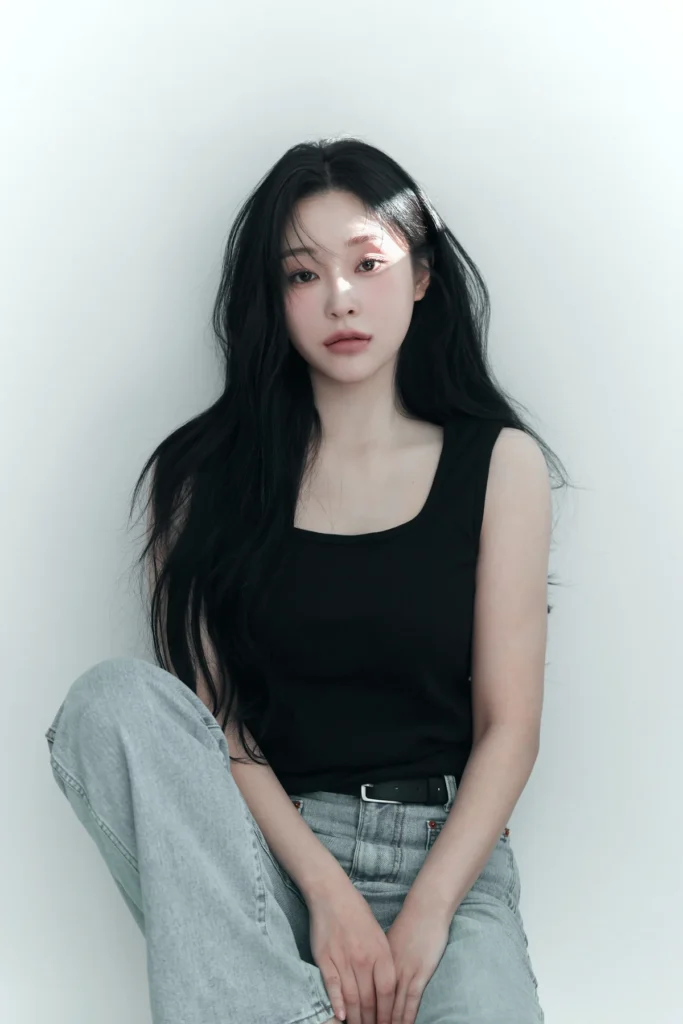
Welcome back to another installment of "For Your Viewing Pleasure," a recurring feature dedicated to curating striking visual content from the dynamic world of K-pop and Korean entertainment. This week, the spotlight falls on denim, a fabric universally recognized for its versatility and timeless appeal. Our selection of images highlights how prominent K-pop idols and actors continue to redefine and reaffirm denim’s status as an indispensable fashion staple, transcending seasonal trends and stylistic boundaries. From classic blue jeans to innovative denim accessories, these artists demonstrate the fabric’s adaptability across a spectrum of aesthetics, reinforcing its enduring presence in contemporary fashion.
The Ubiquitous Appeal of Denim: A Global Fashion History

Denim, a sturdy cotton twill fabric, boasts a rich history that began in the 19th century as durable workwear. Originating in Nîmes, France (hence "de Nîmes"), and later popularized by Levi Strauss in the United States for gold miners, it quickly evolved from utilitarian garment to a global fashion phenomenon. Its transition from manual labor uniforms to a symbol of rebellion in the mid-20th century, championed by icons like James Dean and Marlon Brando, cemented its place in popular culture. By the late 20th century, denim had infiltrated every facet of fashion, becoming a symbol of casual comfort, democratic style, and individual expression. Today, denim’s market presence is immense, with the global denim market valued at approximately USD 60 billion in 2023 and projected to grow steadily, underscoring its continued relevance and demand across all demographics and regions, including the highly influential South Korean fashion landscape. This enduring appeal is rooted in its durability, comfort, and unparalleled capacity for stylistic transformation, making it a favorite among designers and consumers alike.
Denim’s Pivotal Role in K-Pop and Korean Fashion
In the context of K-pop, fashion is not merely an accessory but an integral component of an idol’s persona, group concept, and overall artistic narrative. Stylists meticulously craft images that complement musical themes, stage performances, and public appearances. Denim, with its chameleon-like qualities, serves as a cornerstone in this sartorial strategy. It allows idols to project a range of images, from approachable and relatable to edgy and high-fashion, often within the same comeback cycle.

K-pop’s influence on global fashion trends, particularly among younger demographics, is well-documented. What idols wear on stage, in music videos, or even in casual airport fashion often sets trends that resonate far beyond South Korea’s borders. Denim’s inherent versatility makes it a perfect medium for this trendsetting. It can be distressed for a rugged look, tailored for a sophisticated silhouette, embellished for maximalist aesthetics, or kept simple for minimalist charm. This adaptability ensures that denim remains a perpetual fixture in K-pop styling, constantly reinvented to align with evolving aesthetic sensibilities and group concepts. Furthermore, the strategic use of denim in promotional materials and magazine spreads, such as those featured in publications like Harper’s Bazaar and Singles, amplifies its trendsetting potential, influencing consumer choices and solidifying its status as a fashion must-have.
A Deep Dive into Featured Denim Interpretations
The curated images for this installment of "For Your Viewing Pleasure" offer a vivid snapshot of how contemporary K-pop idols and actors are embracing and reinterpreting denim. Each individual’s styling choice speaks to a broader trend or a specific character they embody, showcasing denim’s expansive design possibilities.

Park Ji-hoon and Lee Seo-yul: The Art of Casual Sophistication
Actor and former Wanna One member Park Ji-hoon, alongside actress Lee Seo-yul, exemplify the enduring charm of casual denim in faded hues. Faded denim, often achieved through stone washing or acid washing techniques, evokes a sense of relaxed comfort and vintage appeal. This style is particularly effective in conveying an approachable yet chic aesthetic. For Park Ji-hoon, known for his transition from idol to acclaimed actor, this choice might reflect a desire to project a mature yet youthful image that resonates with a wider audience. Similarly, Lee Seo-yul’s embrace of faded denim speaks to its universal appeal for everyday elegance. Faded denim jeans, when paired with simple tops, create an effortlessly stylish ensemble that is both comfortable and visually appealing, making it a perennial favorite for casual photoshoots and everyday wear. The subtle distress or softened texture of faded denim also adds a layer of depth and character that new, rigid denim often lacks, contributing to its popularity.
Kep1er’s Dayeon: Dark Denim’s Chic Allure
In stark contrast, Kep1er’s Dayeon showcases the sophisticated side of denim with a dark denim jacket. Dark wash denim, characterized by its deep indigo or black tones, exudes a more polished and refined aura compared to its lighter counterparts. It possesses an inherent chicness that allows it to bridge the gap between casual and semi-formal wear. A dark denim jacket, like the one worn by Dayeon, can elevate a simple outfit, adding structure and an element of understated cool. For a group like Kep1er, which often balances vibrant, youthful concepts with more mature, empowered themes, incorporating dark denim allows for stylistic versatility. It demonstrates how denim can be styled to convey strength and sophistication without sacrificing contemporary appeal, making it a go-to choice for fashion editorials seeking a sleek, modern aesthetic. The rich hue of dark denim also offers a flattering effect, often creating a more streamlined silhouette, which contributes to its "chic" designation.
Seo In-guk: Mastering the Double Denim Ensemble
Actor Seo In-guk fearlessly embraces the "double denim" or "Canadian tuxedo" look, a sartorial choice that, when executed correctly, can be incredibly stylish. This involves wearing denim on both the top and bottom halves of an outfit. Historically, double denim has been viewed with skepticism, often associated with fashion missteps. However, contemporary styling has reclaimed it as a bold and fashion-forward statement. Seo In-guk’s successful execution likely involves careful consideration of wash, fit, and accessories. Key strategies for pulling off double denim include varying the washes (e.g., a lighter denim shirt with darker jeans), ensuring complementary fits, and breaking up the denim with a non-denim accessory or inner layer. For an actor of Seo In-guk’s stature, this choice reflects confidence and an understanding of current fashion trends that celebrate intentional layering and textural play, showcasing his ability to carry off challenging looks with flair.

KickFlip’s Kyehoon: Homage to Skater Boy Roots
Kyehoon of KickFlip stands out by channeling classic skater boy aesthetics with a pair of baggy blue jeans. This style is a direct nod to streetwear culture and subcultural fashion, where comfort, freedom of movement, and a distinctive silhouette are paramount. Baggy jeans, which gained immense popularity in the 1990s and early 2000s within skateboarding and hip-hop communities, have seen a significant resurgence in recent years. For a group named "KickFlip," this choice is not merely a fashion statement but a direct alignment with their brand identity, emphasizing authenticity and a connection to a specific youth culture. Kyehoon’s styling underscores how denim can be utilized to communicate a group’s concept and individual personality, making a clear statement about their artistic direction and target audience. The relaxed fit of baggy jeans also offers a contemporary alternative to the skinny and slim-fit styles that dominated the earlier 2010s, reflecting a broader shift in fashion towards comfort and relaxed silhouettes.
TXT’s Huening Kai: The Unexpected Denim Accessory
Perhaps the most distinctive denim element featured is the stylish denim scarf worn by Huening Kai of TXT. This innovative use of denim transcends traditional garment categories, showcasing the fabric’s potential in accessories. A denim scarf is an unexpected yet highly fashionable item, adding a unique texture and a touch of playful sophistication to an outfit. For TXT, a group known for their experimental concepts and fashion-forward styling, this choice perfectly aligns with their image. It demonstrates how seemingly simple fabric can be recontextualized to create high-impact, memorable looks. This particular detail highlights the ingenuity of K-pop stylists who constantly seek novel ways to incorporate familiar materials into cutting-edge fashion, pushing boundaries and inspiring new trends in the process. Such accessory choices also illustrate how individual elements can transform an entire ensemble, making a bold statement without overpowering the wearer.
Timeline of Denim Evolution in K-Pop Fashion

The journey of denim in K-pop mirrors global fashion trends, yet with its own distinct adaptations:
- 1st & Early 2nd Generation (Late 1990s – Mid 2000s): The era of baggy jeans, often paired with oversized tops, reflecting the influence of American hip-hop and streetwear. Groups like H.O.T. and g.o.d. frequently sported relaxed-fit denim.
- Late 2nd & Early 3rd Generation (Late 2000s – Early 2010s): The rise of skinny jeans. Girls’ Generation’s "Gee" (2009) is a prime example, iconic for its colorful skinny jeans. Distressed denim also began gaining traction, particularly among male idol groups aiming for a rugged image.
- Mid 3rd Generation (Mid 2010s): Continued dominance of skinny and slim-fit denim, but with increased experimentation in washes, rips, and patches. Double denim made cautious appearances, often with distinct washes to avoid a monochrome look. Denim jackets became a ubiquitous layering piece.
- 4th Generation (Late 2010s – Present): A significant shift towards wider leg cuts, straight-leg jeans, and vintage-inspired washes. Cargo denim, relaxed fits, and more experimental denim items like skirts, vests, and unique accessories (as seen with Huening Kai’s scarf) have become prominent. The focus has moved towards comfort, individuality, and a blend of retro and contemporary aesthetics.
Industry Insights and Broader Implications
The consistent presence of denim in K-pop editorials and promotional content is not accidental. Entertainment agencies, in collaboration with stylists and fashion publications, strategically leverage denim for its universal appeal and adaptability. By featuring idols in various denim styles, agencies aim to:

- Enhance Relatability: Denim’s association with everyday wear makes idols appear more approachable and relatable to their fanbase, fostering a stronger connection.
- Drive Trends and Consumption: K-pop idols are powerful trendsetters. When they wear a particular denim style or brand, it often leads to increased consumer interest and sales. This phenomenon is a significant driver in the South Korean fashion market and beyond.
- Showcase Versatility: Demonstrating that a single fabric can be styled in myriad ways highlights the creativity of stylists and the adaptability of the idols themselves, reinforcing their status as fashion icons.
- Strategic Brand Placement: While not explicitly mentioned, idols are often dressed in specific brands, turning these features into indirect endorsements. The fashion industry keenly observes these trends, leading to collaborations and increased visibility for denim brands.
The images from Harper’s Bazaar, Singles, Hogiroun Company, YY Entertainment, Klap Entertainment, BigHit Music, JYP Entertainment, and J,Wide Company are not just aesthetically pleasing; they are cultural touchstones. They signify the ongoing dialogue between global fashion trends and the unique interpretive lens of K-pop, cementing denim’s position as a dynamic and indispensable element in the ever-evolving landscape of contemporary style.
In conclusion, denim’s journey from humble workwear to a high-fashion staple has found a vibrant and dynamic expression within the K-pop industry. From the casual ease of faded jeans to the sophisticated edge of dark denim, the bold statement of double denim, the subcultural nod of baggy cuts, and the innovative flair of denim accessories, K-pop idols and actors continue to push the boundaries of how this timeless fabric is perceived and worn. Their influence extends far beyond mere aesthetics, shaping global fashion trends and reinforcing denim’s enduring legacy as a symbol of versatility, individuality, and accessible style for generations to come.
Related News