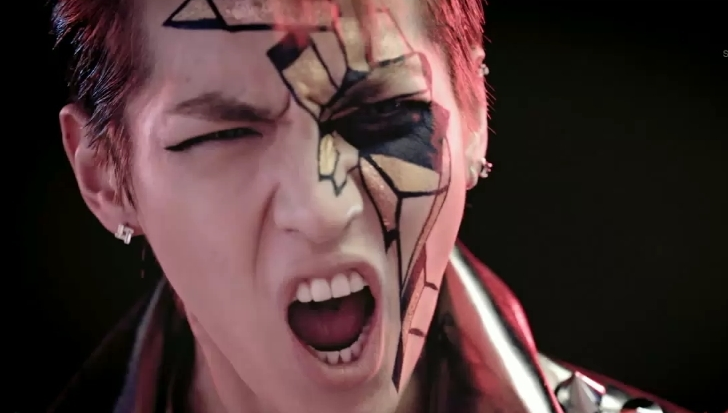
On May 15, 2014, the K-pop industry was fundamentally shaken when Kris Wu (Wu Yifan), the leader of EXO-M, filed a lawsuit against his management agency, SM Entertainment, to terminate his exclusive contract. This legal action, filed at the Seoul Central District Court, was not merely a contractual dispute; it represented a significant rupture in one of the most successful musical acts in Asia. The timing of the lawsuit was particularly volatile, occurring just one week after the release of EXO’s mini-album "Overdose" and a mere eight days before the group’s highly anticipated first solo concert, "EXO from. EXOPLANET #1 – THE LOST PLANET." As the legal proceedings unfolded, they exposed a complex web of cultural expectations, corporate strategies, and deep-seated emotional bonds that define the relationship between K-pop idols, their agencies, and their fans.
Chronology of the Conflict and Immediate Repercussions
The announcement of the lawsuit came as a shock to the global K-pop community. On May 15, 2014, legal representatives for Kris confirmed that he was seeking to nullify his contract, citing violations of basic human rights and a lack of consideration for his physical health and career aspirations. The lawsuit alleged that SM Entertainment treated Kris as an object rather than a creative artist, frequently disregarding his opinions and health. In the immediate aftermath, SM Entertainment’s stock prices experienced a sharp decline, reflecting investor anxiety over the stability of their premier boy group.
The internal reaction from EXO members was swift and largely public. Through social media platforms like Instagram and Weibo, several members expressed sentiments that ranged from confusion to perceived betrayal. Tao, a fellow member of the Mandarin-focused sub-unit EXO-M, posted a lengthy message on Weibo suggesting that the departure was a unilateral decision that disregarded the group’s hard work. He characterized the move as a betrayal of the trust shared between the twelve members. This was followed by a series of "unfollowings" on social media, where the remaining members disconnected from Kris’s accounts, signaling a significant rift within the group’s internal dynamics.
By May 23, 2014, the remaining eleven members proceeded with their solo concert at the Olympic Gymnastics Arena in Seoul. SM Entertainment moved quickly to erase Kris’s presence from the event, withdrawing all merchandise featuring his likeness and offering refunds to fans who felt the "OT12" (Only Twelve) experience had been compromised. This rapid corporate pivots served to consolidate the remaining members as a unified front, effectively rebranding EXO as an eleven-member ensemble under the "We Are One" slogan.
The Sociological Framework: Jeong and Haan
To understand why the response to Kris’s lawsuit was so visceral, one must examine the Korean cultural concept of "jeong." This term describes a deep, collective emotional bond that develops over time through shared experiences, loyalty, and affection. In the context of a K-pop group, jeong is the invisible thread that connects members who have trained together for years, as well as the bond between the artists and their dedicated fanbase. When Kris filed his lawsuit, many stakeholders viewed it not as a professional career move, but as a violation of this sacred bond.
According to research from the School of Medicine at UCLA, specifically studies by Chung and Cho (2006), the violation of "jeong" leads to a secondary emotional state known as "haan." Haan is a uniquely Korean sentiment of collective grief, resentment, and bitterness. The researchers noted that the warmer and more tender the initial relationship, the more profound the agony of haan becomes when that loyalty is betrayed. This explains why the reactions from fellow EXO members and fans were not merely disappointed, but intensely angry. To the collective, Kris was not just leaving a job; he was severing a familial tie and leaving his "brothers" to manage the consequences of his absence during a critical career milestone.
Historical Context: The Precedent of "Slave Contracts"
The dispute between Kris and SM Entertainment did not occur in a vacuum. It was the latest in a series of high-profile legal battles that have plagued the agency. The most notable precedent was the 2009 lawsuit filed by three members of TVXQ (DBSK)—Junsu, Yoochun, and Jaejoong—who eventually formed the group JYJ. Their lawsuit brought the term "slave contract" into the public consciousness, highlighting the 13-year contract lengths and unfair profit distribution models that were then standard in the industry.

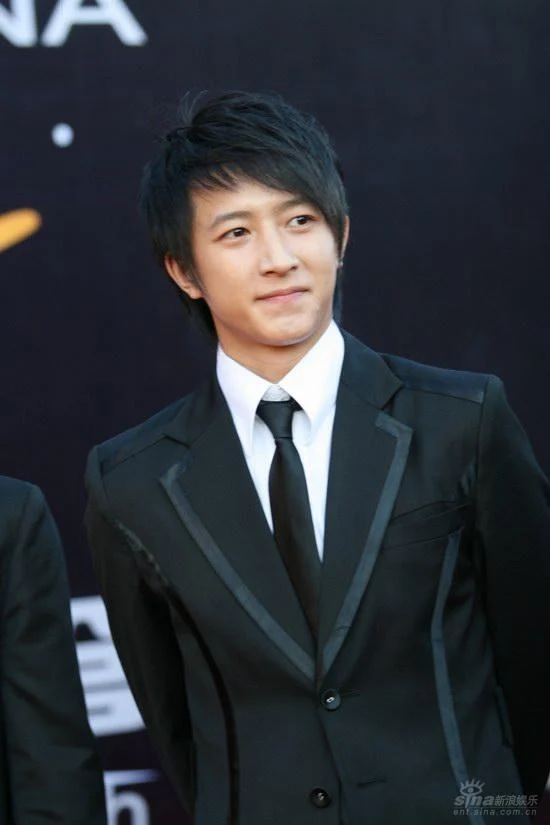
Following the TVXQ dispute, the Fair Trade Commission (FTC) in South Korea introduced "standardized contract" guidelines to limit the length of exclusive contracts to seven years. However, while the duration of contracts improved, the underlying issues of artist autonomy and health management remained contentious. Hangeng, the first Chinese member of Super Junior, also successfully sued SM Entertainment in 2009, citing similar reasons to Kris: restricted personal growth, unfair profit sharing, and health issues.
These historical precedents created a polarized public opinion. On one hand, some observers viewed Kris as a courageous individual standing up against an oppressive corporate system. On the other hand, critics—including some of his peers—saw his actions as opportunistic, particularly given that he was a foreign member who could potentially find lucrative opportunities in the Chinese market, a luxury not afforded to his Korean counterparts.
Corporate Strategy and Public Opinion Management
SM Entertainment has historically utilized a sophisticated method of public opinion management during artist disputes. By allowing or encouraging remaining members to speak out, the agency shifts the narrative from a "Company vs. Artist" conflict to a "Group vs. Individual" conflict. This strategy leverages the fans’ emotional investment in the group’s unity. In the Kris case, interviews with the remaining EXO-M members, such as Xiumin and Chen, portrayed the group as "heartbroken" and "embarrassed" by the timing of the controversy.
Super Junior’s Heechul, a veteran artist under SM, commented on the situation during an episode of the talk show "Ssulzun." He noted that the situation with Kris differed from Hangeng’s departure. Heechul pointed out that while Hangeng faced significant legal hurdles as one of the few foreign performers in Korea at the time, the environment for Chinese idols had significantly improved by 2014. He characterized Kris’s departure right before a concert as "discourteous" to the fans who had waited for the event. Such statements from senior artists serve to validate the agency’s position and frame the departing member as the sole source of the conflict’s "haan."

Implications for the K-pop Industry and Global Expansion
The Kris vs. SM Entertainment lawsuit highlights the inherent risks of the K-pop "localization" strategy. Agencies recruit foreign members to gain a foothold in international markets, particularly China. However, this creates a dynamic where foreign members may feel less tied to the Korean industry’s rigid social structures and more empowered to seek careers in their home countries, where they can often earn more and work under less grueling conditions.
Furthermore, this legal battle underscored the limitations of the "collectivist" branding in K-pop. The "We Are One" mantra of EXO was designed to project an image of unbreakable solidarity. When that image shattered, it forced fans and the industry to confront the reality that these groups are corporate constructs as much as they are emotional families. The lawsuit prompted a broader discussion about the sustainability of the "idol system," where the pressure to maintain a perfect public image often comes at the expense of an individual’s mental and physical well-being.
Conclusion: A Multi-Stakeholder Conundrum
The conflict between Kris and SM Entertainment is a multifaceted issue that defies simple "hero vs. villain" narratives. For Kris, the lawsuit was a necessary step toward reclaiming his health and professional autonomy. For SM Entertainment, it was a threat to their business model and the stability of their most profitable new asset. For the remaining members of EXO, it was a source of profound emotional distress and professional uncertainty. Finally, for the fans, it was a traumatic event that forced a re-evaluation of their relationship with the idols they support.
As Kris transitioned to a successful career in the Chinese film and music industries, and EXO continued to find record-breaking success as a smaller unit, the scars of the 2014 lawsuit remained a permanent part of K-pop history. It serves as a reminder that behind the synchronized choreography and polished music videos lies a complex human element governed by cultural values like "jeong," legal frameworks, and the high-stakes world of international entertainment commerce. The resolution of such conflicts is rarely clean, as the emotional "haan" generated by these breakups often lingers long after the legal documents are signed.