The Cultural and Geopolitical Significance of North Korea’s Arirang Smartphone and the Legacy of Korea’s Most Famous Folk Song
Article Editorial Team
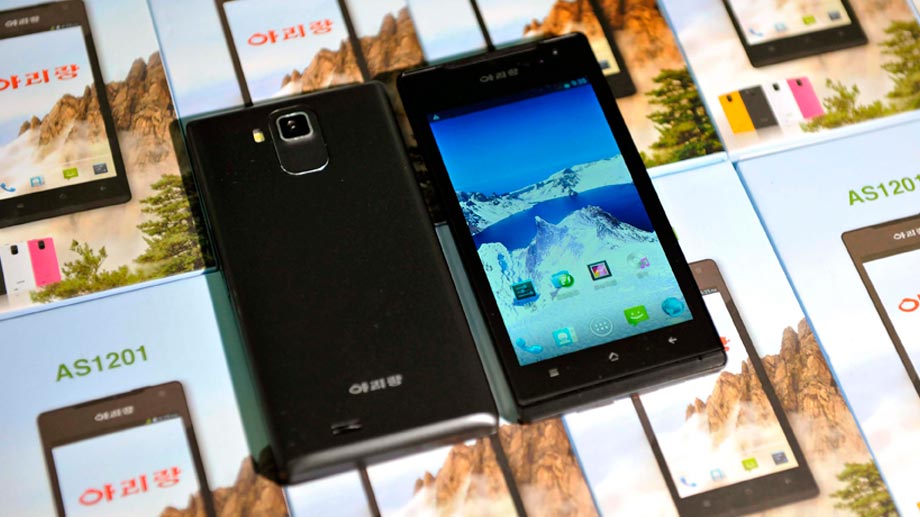
The announcement of North Korea’s first domestic smartphone, the Arirang, marks a significant intersection of technological aspiration and deep-seated cultural symbolism. While the global technology market is dominated by giants such as Apple and South Korea’s Samsung, the Democratic People’s Republic of Korea (DPRK) has sought to assert its own presence in the digital age. By naming its premier mobile device after "Arirang," the peninsula’s most cherished traditional folk song, the North Korean leadership has tapped into a reservoir of national identity that predates the modern division of the country. This move serves as a reminder that even amidst heightened military tensions and divergent political ideologies, a shared cultural fabric continues to influence the socio-political landscape of East Asia.
The Unveiling of the Arirang Smartphone
In August 2013, North Korean state media, the Korean Central News Agency (KCNA), reported that Supreme Leader Kim Jong-un had conducted a field guidance visit to the "May 11 Factory." During this visit, the leader inspected the production of a new smartphone branded as the "Arirang," specifically the model AS1201. According to official reports, Kim Jong-un praised the factory workers for developing a device that utilizes "indigenous technology" and features a high-resolution camera and a touch screen.
However, international technology analysts and monitors of North Korean affairs expressed immediate skepticism regarding the "indigenous" nature of the device. Reports from organizations such as North Korea Tech suggested that the Arirang smartphone was likely a rebranded version of a Chinese-manufactured handset, specifically the Uniscope U70. Critics pointed out that the "production" witnessed by state media appeared to be the final packaging and quality control testing of components manufactured outside the country. Despite these technical disputes, the political objective was clear: to project an image of North Korean self-reliance (Juche) and modern sophistication.
The choice of the name "Arirang" is the most potent aspect of the launch. By utilizing a name that evokes a sense of "Koreanness" recognized by both the North and the South, the DPRK government attempted to frame its technological advancements not just as a military or state achievement, but as a triumph of the Korean people’s spirit.
A Historical Chronology of Arirang
To understand why the name carries such weight, one must look at the historical trajectory of the song itself. Arirang is often described as the unofficial national anthem of the Korean people. Its history is a reflection of the peninsula’s turbulent 20th-century experience.
Early Origins (Pre-20th Century): The exact origins of Arirang remain a subject of academic debate. Estimates for its creation range from the Silla Kingdom (700 CE) to the late Joseon Dynasty (late 19th century). While there are thousands of variations of the song—such as the Jindo Arirang, Miryang Arirang, and the most famous Jeongseon Arirang—they all share a common refrain involving "Arirang Pass."
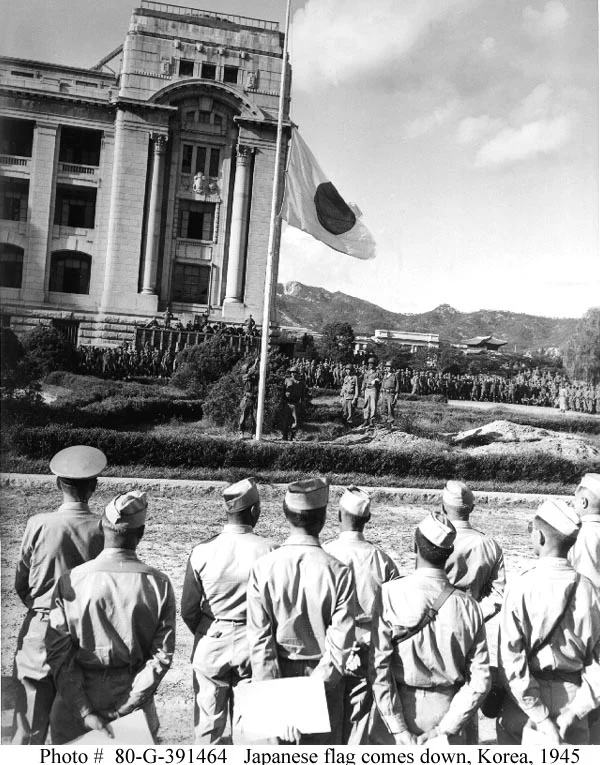
The Japanese Occupation (1910–1945): The song’s transition from a regional folk tune to a national symbol occurred during the Japanese colonial period. In 1926, filmmaker Na Woon-gyu released a silent film titled Arirang, which depicted the struggles of Koreans under foreign rule. The film and its theme song became a focal point for silent resistance. Because the lyrics often spoke of longing, separation, and crossing a difficult mountain pass, they served as a metaphor for the Korean people’s desire for independence and their sorrow under occupation.
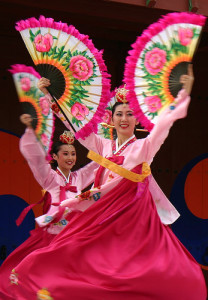
Post-War Division (1945–Present): Following the division of the peninsula after World War II and the subsequent Korean War (1950–1953), both North and South Korea claimed Arirang as their own. In the North, the song was adapted into the "Arirang Mass Games," a massive gymnastic and artistic performance involving over 100,000 participants, designed to showcase the unity and strength of the state. In the South, it remained a staple of folk culture and a symbol of the yearning for reunification.
UNESCO Recognition (2012–2014): The importance of the song was codified on the international stage when South Korea successfully applied to have Arirang included on the UNESCO Representative List of the Intangible Cultural Heritage of Humanity in 2012. Two years later, in 2014, North Korea followed suit, securing its own UNESCO designation for the song, further highlighting that while the two states are politically at odds, they compete for the same cultural soul.
The Musical and Social Fabric of the Anthem
Musically, Arirang is characterized by its simplicity. It typically follows a triple meter and uses a pentatonic scale, making it easy to sing and adapt. Scholars such as E. Taylor Atkins have noted that the song functions as a "national archive" of Korean emotions. The lyrics, while varying by region, generally tell the story of a protagonist who is left behind by a lover at Arirang Pass.
In the South, the official national anthem is "Aegukga" (The Song of Love for Country). While Aegukga is utilized for formal state functions and features a Western-style orchestral arrangement, it lacks the grassroots, emotional resonance that Arirang commands. Arirang is the song played when joint North-South athletic teams enter a stadium, and it is the melody that brings tears to the eyes of the Korean diaspora worldwide. It represents "Han," a uniquely Korean concept of collective sorrow, resentment, and hope.

Cultural Appropriation and Regional Tensions
The history of Arirang is also marked by an interesting period of Japanese appropriation. In 1931, years before the escalation of World War II, Arirang became a major pop hit in mainland Japan. Japanese audiences, during a period of rapid modernization and industrialization, viewed Korean culture through a lens of "romanticized melancholy." To the Japanese listener of the 1930s, Arirang represented a simpler, more emotional past.
This cultural exchange, however, was occurring against a backdrop of brutal imperial expansion. This duality—where the oppressor finds beauty in the culture of the oppressed—remains a complex chapter in East Asian history. It mirrors contemporary trends where, despite diplomatic frostiness, Japanese youth are among the most fervent consumers of South Korean pop culture (Hallyu).
In the modern era, the rivalry has shifted from the battlefield to the boardroom. The competition between South Korean firms like Samsung and Japanese firms like Sony or Panasonic for global electronics dominance is a matter of intense national pride. In this context, North Korea’s release of the Arirang smartphone can be seen as an attempt to enter this regional "tech-prestige" race, even if its actual market impact is negligible outside its own borders.
The Role of Soft Power and Hallyu
The launch of the Arirang smartphone also highlights the internal pressures facing the North Korean regime regarding information control. While the Arirang phone is designed to operate on a closed domestic network (Koryolink), it exists in an environment where South Korean soft power is increasingly influential.
Despite strict prohibitions and the risk of severe punishment, illegal copies of South Korean dramas (K-dramas) and K-pop music are widely circulated in North Korea via USB drives and SD cards smuggled across the Chinese border. This "Hallyu" (Korean Wave) has created a paradoxical situation: North Koreans are exposed to the lifestyle and prosperity of the South through media, even as their own government attempts to manufacture a domestic version of modernity.
The DPRK’s creation of the Moranbong Band—an all-female group that performs in a style reminiscent of Western pop, with electric violins and shorter skirts—is a direct response to the popularity of South Korean girl groups. Similarly, the Arirang smartphone is a piece of "soft power" hardware intended to satisfy the domestic elite’s desire for modern gadgets while keeping them within the state’s digital ecosystem.
Broader Implications and Analysis
The Arirang smartphone is more than just a consumer electronic device; it is a symptom of the broader struggle for legitimacy on the Korean peninsula. For the North, it is an assertion of parity—a claim that they, too, can produce the hallmarks of 21st-century civilization. For the South, and for the international community, it is a reminder of the enduring power of traditional symbols in navigating modern conflicts.
Technological Sovereignty: The device highlights the concept of technological sovereignty. In an era where digital surveillance and cyber warfare are central to national security, North Korea’s insistence on a "domestic" smartphone (regardless of its actual origin) underscores a desire to control the flow of information and maintain a distinct national identity in the digital realm.
Cultural Resilience: The fact that both Koreas and even Japan have, at various times, claimed or celebrated Arirang suggests that cultural aesthetics can transcend political borders. While the governments of Seoul, Pyongyang, and Tokyo may disagree on territorial waters or historical reparations, the shared appreciation for the pentatonic melodies of Arirang suggests a common heritage that remains a potential, albeit distant, foundation for future reconciliation.
Economic Disparity: The skepticism surrounding the phone’s production also serves as a stark reminder of the economic gap between the two Koreas. While South Korea is a global leader in semiconductor and smartphone manufacturing, North Korea remains heavily dependent on Chinese supply chains. The Arirang phone is a symbolic bridge over an economic chasm that continues to widen.
In conclusion, the Arirang smartphone serves as a fascinating case study in how modern states use ancient culture to bolster contemporary political narratives. By naming a piece of digital hardware after a song of sorrow and resilience, North Korea has attempted to claim a piece of the universal Korean identity. Whether the device is a genuine technological achievement or a clever rebranding exercise, its name ensures that it is inextricably linked to the long, complex history of a peninsula that remains divided in politics, but remains, in many ways, united by its songs.
Related News