Did HYBE Force LE SSERAFIM To Hide Injuries?— Fans Find Evidence
Article Editorial Team

The Soongsil University Performance and Choreography Concerns
The current wave of scrutiny was catalyzed by LE SSERAFIM’s appearance at a university festival held at Soongsil University on May 15, 2026. During the performance of their latest track, "Celebration," fans noticed a significant departure from the song’s original choreography. The studio version and early promotional stages of "Celebration" featured a high-intensity sequence in the chorus involving synchronized, heavy headbanging—a move that had already drawn concern from physical therapy experts and fans alike for its potential to cause long-term cervical spine issues.
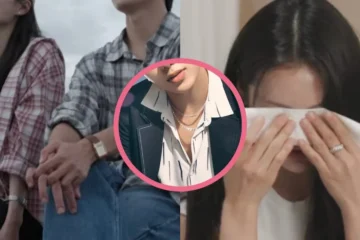
At the Soongsil University event, the group appeared to have modified the routine, omitting the headbanging segment entirely. However, the adjustment did little to alleviate concerns. Fan-captured footage centered on the group’s leader, Kim Chaewon, showed the artist visibly struggling with her mobility. Despite the removal of the most strenuous moves, Chaewon appeared to have difficulty moving her neck, frequently grimacing and showing signs of stiffness throughout the set. The footage quickly went viral on social media platforms, with many accusing the label of "too little, too late" intervention. Critics argue that the choreography should never have been approved in its original state, suggesting that the damage to the artists’ health may have already been sustained during the intensive rehearsal and initial broadcast phases of the comeback.
A Timeline of Growing Discontent
The dissatisfaction among the group’s fanbase, known as FEARNOT, has been mounting for several weeks. To understand the gravity of the current allegations, a timeline of the "Celebration" era reveals a series of red flags:
- April 28, 2026: Source Music releases the "Celebration" music video. Fans immediately point out the physical demands of the "headbanging" chorus, citing risks of whiplash and neck strain.
- May 5–12, 2026: LE SSERAFIM performs on several music programs. Observers note that while the energy remains high, the members appear increasingly fatigued.
- May 15, 2026: The Soongsil University performance takes place. The choreography is changed, but Chaewon’s visible pain sparks an outcry on X (formerly Twitter).
- May 16, 2026: A clip from a recent live broadcast surfaces, showing Sakura allegedly "silencing" Chaewon after she mentions her neck pain.
- May 17, 2026: The discourse expands to include past incidents of unaddressed injuries, and fans of other HYBE groups, specifically NewJeans, draw parallels to their own idols’ experiences.
The Live Stream Incident: Allegations of Silencing
While the physical injuries themselves are a cause for concern, the most damaging evidence for Source Music came in the form of a resurfaced live broadcast clip. In the video, Chaewon is heard muttering a brief comment regarding the persistent pain in her neck. The reaction from her fellow member, Sakura, was what fans found most alarming. Sakura appeared visibly startled by the admission and immediately signaled for Chaewon to stop speaking about the topic.
Following the signal, Chaewon quickly retracted her statement, attempting to demonstrate that she was fine by rotating her neck—an action that fans noted looked forced and uncomfortable. While the members eventually laughed the moment off, the interaction has been interpreted by many as proof of a management-imposed gag order regarding health issues. The implication is that the idols are strictly forbidden from acknowledging physical ailments to the public, presumably to maintain an image of "fearlessness" and perfection that is central to the group’s branding. This "robotic" expectation of idols, where they must perform through pain without complaint, is a long-standing criticism of the K-pop industry, but the directness of the "shushing" incident has provided a rare, candid look into the pressures faced behind the scenes.

Historical Context: A Pattern of Unaddressed Injuries
The current controversy has prompted fans to revisit previous instances where LE SSERAFIM members appeared to be struggling physically. Specifically, a past incident involving Sakura has been brought back into the spotlight. On several occasions during previous promotional cycles, Sakura was observed limping or walking with visible difficulty while arriving at scheduled events. Despite the clear physical distress, neither the artist nor the label ever provided an explanation or announced a hiatus for recovery.
At the time, some fans defended the lack of communication as a matter of privacy. However, in light of the "Celebration" controversy, the prevailing sentiment has shifted. Many now believe these incidents constitute a pattern of neglect, where the company prioritizes "the show must go on" mentality over the basic human rights of the performers. The lack of transparency regarding Sakura’s previous leg injury and Chaewon’s current neck issues suggests a systemic culture where injuries are treated as inconveniences to be hidden rather than medical issues to be treated.
Broader Implications within the HYBE Ecosystem
The backlash against Source Music does not exist in a vacuum. It comes at a time of significant internal turmoil for HYBE, the parent corporation. Many observers have pointed to the ongoing public conflict between HYBE and its subsidiary ADOR, specifically the testimony given by NewJeans member Hanni regarding workplace bullying and a lack of protection for artists.
Fans of NewJeans have been vocal on social media, suggesting that the restrictions placed on LE SSERAFIM validate Hanni’s earlier claims about the management culture at HYBE. The narrative of "slave contracts"—a term historically used to describe exploitative long-term agreements in the K-pop industry—has resurfaced in the discourse. While modern contracts have undergone legal reforms to limit their duration and improve conditions, the term is now being used metaphorically to describe the intense psychological and physical control labels exert over their talent.
The consensus among a growing segment of the international K-pop community is that HYBE’s rapid expansion has come at the cost of artist welfare. Critics argue that the conglomerate’s multi-label system, while commercially successful, has created an environment of hyper-competition where groups are pushed to their breaking points to maintain market dominance.
Analysis of the "Fearless" Brand vs. Reality
From a brand management perspective, the controversy presents a significant challenge for LE SSERAFIM. The group’s core identity is built on the concept of being "fearless," "antifragile," and physically powerful. Their content often highlights their rigorous gym routines and intense dance practices. However, there is a fine line between showcasing strength and glorifying the endurance of pain.

The current allegations suggest that the "Fearless" concept may be being used as a shield to justify overwork. If the artists are discouraged from speaking about their pain because it contradicts their "strong" image, the brand itself becomes a tool for exploitation. Industry analysts suggest that Source Music must pivot its communication strategy to include more transparency regarding artist health if it wishes to maintain the loyalty of its fanbase, which is increasingly prioritizing ethical consumption and artist well-being over pure performance quality.
Official Responses and the Need for Transparency
As of the time of publication, Source Music and HYBE have not issued a formal statement specifically addressing the "silencing" allegations or the details of Chaewon’s neck injury. Typically, K-pop labels respond to health concerns by announcing a temporary "rest period" or a "limited participation" status for the affected member. The absence of such an announcement in this case has only fueled the suspicion that the management is attempting to ignore the issue until the "Celebration" promotional period concludes.
The lack of an official response is increasingly being viewed as a tactical error. In the age of social media, where fans can analyze every frame of a performance and every second of a live stream, corporate silence often speaks louder than a curated press release. For the industry to progress, there is a growing demand for independent health monitors or "artist advocates" who are not employed directly by the labels, ensuring that health decisions are made based on medical necessity rather than the fiscal calendar.
Conclusion: The Path Forward for Idol Welfare
The controversy surrounding LE SSERAFIM and the "Celebration" comeback serves as a critical turning point for the fourth generation of K-pop. As groups reach unprecedented levels of global fame, the scrutiny on their working conditions will only intensify. The allegations of "toxic restrictions" and the suppression of health concerns at Source Music represent a broader systemic issue that transcends any single group or company.
For LE SSERAFIM to move forward sustainably, a shift in management philosophy is required. Prioritizing long-term physical health over short-term promotional gains is not only an ethical necessity but a commercial one; the loss of a key member to a career-ending injury would be far more damaging to the company’s bottom line than a delayed comeback or a modified choreography. As the discourse continues to evolve on platforms like X and within fan communities worldwide, the message to HYBE and Source Music is clear: the "fearless" spirit of the artists should be matched by a management team brave enough to prioritize their humanity over their productivity.
Related News