For Your Viewing Pleasure: Shifting Silhouettes
Article Editorial Team
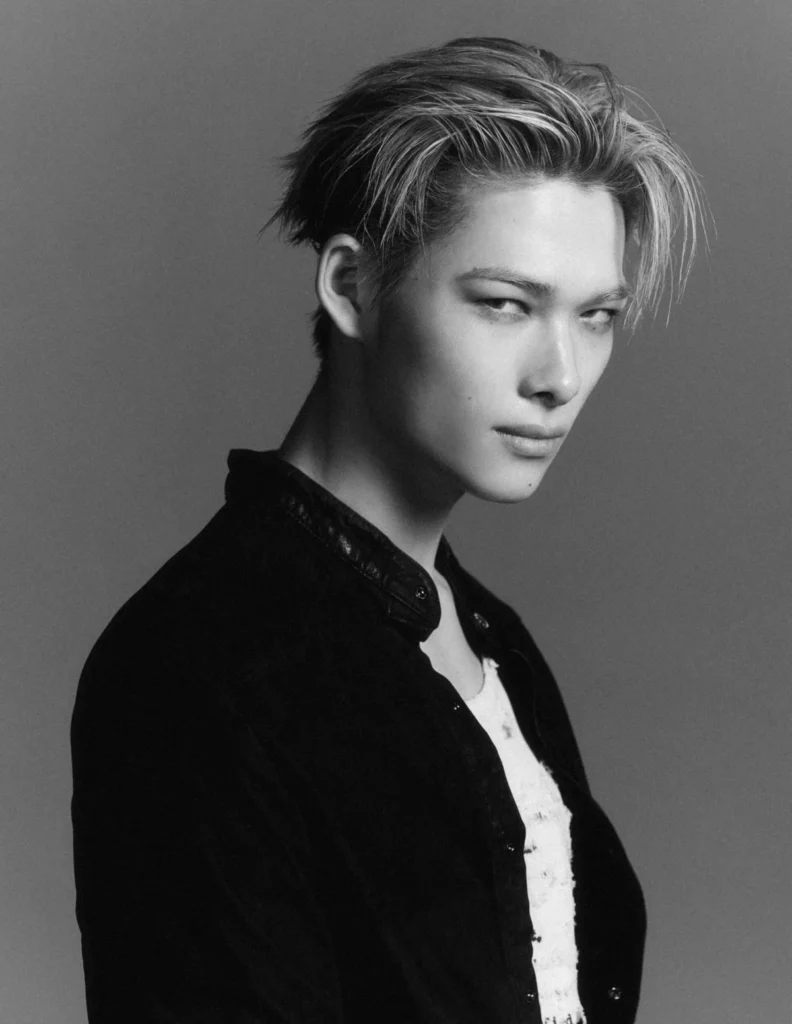
The Art of the K-Pop Silhouette: A Strategic Fashion Imperative
In the highly competitive and visually driven world of K-pop, fashion is far more than just clothing; it is an integral element of concept development, branding, and storytelling. A "strong silhouette" refers to the distinct outline or shape created by an outfit, which can dramatically alter perception, convey specific moods, and enhance an artist’s stage presence or editorial impact. This emphasis on form and structure is a cornerstone of Korean fashion, where precision tailoring and innovative design often converge to create memorable looks. Stylists and creative directors in the K-pop industry meticulously craft these silhouettes, understanding their power to communicate without words, whether it’s projecting power, elegance, rebellion, or whimsy. The global appeal of K-pop has, in turn, amplified the influence of these fashion choices, transforming idols into influential figures in the international fashion arena.
The visual storytelling inherent in K-pop extends from music videos and album concepts to public appearances and high-fashion editorials. Each outfit is carefully considered to align with an artist’s current persona or the thematic underpinnings of their latest project. The choice of fabrics, the cut of a garment, and the selection of accessories all contribute to the overall silhouette, dictating how an artist is perceived. This curated approach has positioned K-pop as a significant driver of global fashion trends, with fan communities often dissecting and emulating the styles sported by their favorite stars.

Spotlight on Tailored Lines and Flowing Forms: Exemplary Styling in Focus
The recent collection of images provides a compelling glimpse into the diverse ways Korean celebrities manipulate fashion to create distinctive silhouettes, reflecting current trends while pushing creative boundaries.
Precision in Power Suits: Ningning and Heo Nam-jun
The sharp suit, a perennial symbol of power, sophistication, and modernity, is masterfully employed by aespa’s Ningning and actor Heo Nam-jun. Ningning, known for her role in the cutting-edge girl group aespa, often embraces futuristic and high-fashion concepts. Her portrayal in a sharp suit likely integrates with aespa’s AI-meets-human aesthetic, where tailored lines can represent a sleek, almost architectural elegance. The precision of the cut, often featuring structured shoulders, a nipped waist, and clean lines, creates a commanding silhouette that is both contemporary and timeless. This styling choice for female idols also speaks to the broader trend of gender-fluid fashion within K-pop, where traditionally masculine garments are reinterpreted to empower and redefine feminine aesthetics. The choice of fabric, whether a crisp wool blend or a luxurious silk, further dictates the suit’s drape and overall impact, contributing to a silhouette that is both rigid and fluid.
Actor Heo Nam-jun’s embrace of the sharp suit likely leans into a classic, sophisticated masculinity, characteristic of the Korean acting industry’s often refined image. For actors, the suit can convey professionalism, gravitas, or a sleek urbanity, depending on the role or public appearance. The detailing—from lapel width to button placement—is crucial in shaping the silhouette, creating an impression of understated power and sartorial confidence. The tailored suit, in both instances, emphasizes a strong vertical line, elongating the figure and projecting an aura of authority and self-assurance.

The Allure of Monochromatic Chic: Lee Chae-min’s All-White Ensemble
Actor Lee Chae-min’s appearance in an all-white ensemble exemplifies the power of monochromatic styling to create a strikingly chic and sophisticated silhouette. White, often associated with purity, minimalism, and elegance, can also be a bold fashion statement, especially when worn head-to-toe. An all-white outfit demands attention through its starkness and often highlights the textural variations and structural integrity of the garments. The silhouette created by such an ensemble can range from flowing and ethereal to sharp and architectural, depending on the cuts and fabrics chosen.
In an editorial context, an all-white look can evoke a sense of high fashion, avant-garde artistry, or serene beauty. The absence of color allows the form and movement of the fabric to become the focal point, emphasizing the contours of the body or the dramatic drape of the clothing. This choice of styling for Lee Chae-min underscores a sophisticated aesthetic, potentially hinting at a clean, modern, and fashion-forward image, aligning with contemporary trends that favor understated luxury and thoughtful design. The silhouette, in this case, would be defined by the interplay of light and shadow on the white fabric, creating subtle visual interest and depth.
Opulence and Theatricality: Park Ji-hoon’s Embellished Robe
Park Ji-hoon’s elegant robe, embellished with flashes of turquoise, presents a dramatically different silhouette, leaning into opulence and theatricality. Robes, particularly those with intricate embellishments, inherently create a flowing, often voluminous silhouette that suggests luxury, comfort, and an almost regal presence. The addition of turquoise, a color often associated with tranquility, sophistication, and sometimes spiritual significance, adds a vibrant counterpoint to the robe’s inherent elegance.

This styling choice for Park Ji-hoon could be indicative of a specific conceptual direction—perhaps a comeback theme that explores fantasy, historical grandeur, or a more introspective, artistic persona. The silhouette here is less about rigid structure and more about fluid movement and dramatic drape. The embellishments, whether embroidery, sequins, or other decorative elements, catch the light and add visual texture, further enhancing the luxurious feel. This type of garment creates a broader, more expansive silhouette, allowing for dynamic posing and movement, which is particularly effective in editorial spreads or performance settings where visual impact is paramount. It speaks to a maximalist aesthetic, where details and rich materials define the overall look.
Structured Elegance: Lim Ji-yeon’s Deceptively Simple Coat
Actress Lim Ji-yeon’s structured coat offers a masterclass in deceptively simple yet profoundly stylish elegance. A well-designed coat, especially one with a strong structure, is a cornerstone of sophisticated fashion. Its silhouette is typically defined by clean lines, sharp shoulders, and a tailored fit that can be either straight, A-line, or cinched at the waist. The "deceptively simple" aspect implies that while the design might appear minimal, the impact is significant, achieved through superior tailoring, quality fabric, and an impeccable fit.
A structured coat creates a powerful, confident silhouette, often associated with power dressing and timeless chic. For Lim Ji-yeon, this choice projects an image of refined professionalism and understated glamour, which is highly valued in the acting world. The silhouette of such a coat can also serve as a versatile base, allowing for various layering options underneath while maintaining its strong outer form. It emphasizes verticality and strength, offering a sophisticated counterpoint to more overtly decorative styles. The precise cut and quality of the material are key to achieving this powerful yet effortless look, ensuring the coat maintains its shape and drape elegantly.

Bold Statements and Retro Flair: Ryujin’s Pink Flares and Silver Heels
Itzy’s Ryujin, known for her group’s energetic and confident concepts, makes a bold statement with pink flares paired with glamorous silver heels. This combination immediately evokes a retro-inspired silhouette, specifically drawing from the vibrant aesthetics of the 1970s and early 1980s disco era. Flare trousers create a distinctive silhouette that is fitted through the thigh and widens dramatically from the knee downwards, adding volume and movement. The choice of a bold pink amplifies the playful, energetic, and confident vibe characteristic of Itzy.
The pairing with glamorous silver heels further enhances this retro-futuristic appeal. Heels not only add height but also alter posture and the overall line of the leg, contributing to a more elongated and powerful silhouette. Silver, a metallic hue, adds a touch of modern glamour and often complements vibrant colors. This look for Ryujin is a testament to K-pop’s ability to reinterpret past fashion trends with a contemporary twist, creating a dynamic and visually exciting silhouette that is both nostalgic and forward-looking. The wide-leg silhouette of the flares provides a dramatic counterpoint to the sleekness of the heels, creating a balanced yet impactful overall shape that commands attention.
K-Pop’s Broader Fashion Influence and Industry Dynamics
The examples provided are not isolated instances but rather indicative of a broader, highly strategic approach to fashion within the K-pop industry. This approach has significant economic and cultural implications.

Global Reach and Brand Partnerships
K-pop’s global ascendancy has transformed its idols into powerful brand ambassadors for luxury fashion houses. The mention of Gucci in the image credits is particularly telling. Many K-pop artists hold ambassadorships with top-tier brands like Chanel, Dior, Louis Vuitton, Celine, and Tiffany & Co., among others. These partnerships are mutually beneficial: idols lend their immense global visibility and fan loyalty to brands, while brands elevate the idols’ fashion status and provide access to exclusive haute couture. According to industry reports, the market value of K-pop, encompassing music, merchandise, and related industries like fashion, has been steadily increasing, with global revenues reaching billions of dollars annually. Idols’ influence on consumer purchasing decisions, especially among younger demographics, is well-documented, making them invaluable assets in the competitive luxury market.
The Role of Fashion Magazines and Digital Platforms
The images featured are sourced from prominent fashion publications such as Elle, Singles, and Harper’s Bazaar. These magazines play a crucial role in disseminating K-pop fashion trends to a wider audience, solidifying the idols’ status as fashion icons. Editorial spreads in these high-profile publications are carefully conceptualized to showcase new collections, highlight specific designers, and craft compelling visual narratives that enhance an artist’s image. In the digital age, platforms like Instagram, TikTok, and Twitter further amplify these images, allowing fans to engage directly with the fashion choices, share opinions, and quickly identify brands, thereby driving trends at an unprecedented pace. The synergy between K-pop artists, luxury brands, and traditional/digital media creates a powerful ecosystem that shapes global fashion discourse.
Stylists and Visionaries Behind the Scenes
Behind every impeccably styled K-pop idol or actor is a team of highly skilled stylists, creative directors, and fashion coordinators. These professionals are the unsung heroes who meticulously select outfits, conceptualize looks, and ensure that every detail, from the cut of a blazer to the choice of accessories, contributes to the desired silhouette and overall artistic vision. Their expertise in understanding body types, current fashion trends, and the specific demands of K-pop concepts is paramount. They often collaborate directly with designers, procure pieces from international fashion weeks, and even commission bespoke garments to achieve truly unique and impactful looks. Their work is a testament to the collaborative nature of the K-pop industry, where music, performance, and visual aesthetics are intricately woven together.

Economic and Cultural Implications
The sophisticated approach to fashion within K-pop has far-reaching implications, extending beyond the entertainment industry itself.
Impact on Consumer Trends
The styles sported by K-pop idols frequently translate into real-world consumer trends. From specific brands seeing spikes in sales after an idol is seen wearing their products to the broader adoption of particular silhouettes, colors, or accessory types, K-pop’s influence on fast fashion and mainstream retail is undeniable. This trickle-down effect demonstrates the powerful connection between celebrity culture and consumer behavior, particularly in an era dominated by social media and instant visual communication.
Korea’s Growing Fashion Footprint
The global recognition of K-pop fashion has also shone a spotlight on the broader Korean fashion industry. Korean designers, both established and emerging, are gaining international acclaim, participating in global fashion weeks, and contributing to the diverse landscape of contemporary style. This increased visibility fosters economic growth within the Korean fashion sector, creating jobs and promoting cultural exchange through design. The emphasis on quality, innovation, and a distinct aesthetic, often blending traditional Korean elements with global trends, positions Korea as a significant player in the fashion world.

The Symbiosis of Music and Style
Ultimately, the meticulous crafting of silhouettes and overall fashion narratives in K-pop underscores the symbiotic relationship between music and style. Fashion is not merely an accompaniment to the music; it is an extension of the artistic concept, enhancing the lyrical themes, sonic qualities, and performance aesthetics. A powerful silhouette can convey the gravitas of a ballad, the fierce energy of a dance track, or the whimsical charm of a pop anthem. This integrated approach ensures that K-pop remains at the forefront of cultural innovation, continually pushing boundaries in both auditory and visual realms.
In conclusion, the careful curation of fashion, with a particular emphasis on strong and diverse silhouettes, remains a defining characteristic of K-pop and Korean entertainment. From the sharp tailoring of suits worn by Ningning and Heo Nam-jun to the bold flair of Ryujin’s retro ensemble and the elegant simplicity of Lim Ji-yeon’s coat, each look is a deliberate artistic choice. These sartorial statements, meticulously crafted by dedicated teams and amplified by global media, not only define individual artist images but also solidify K-pop’s influential position as a global trendsetter, shaping fashion narratives and driving significant economic and cultural impact worldwide.
Related News