Male Idol Shares Shocking Message From Fan, Triggering Fierce Backlash
Article Editorial Team
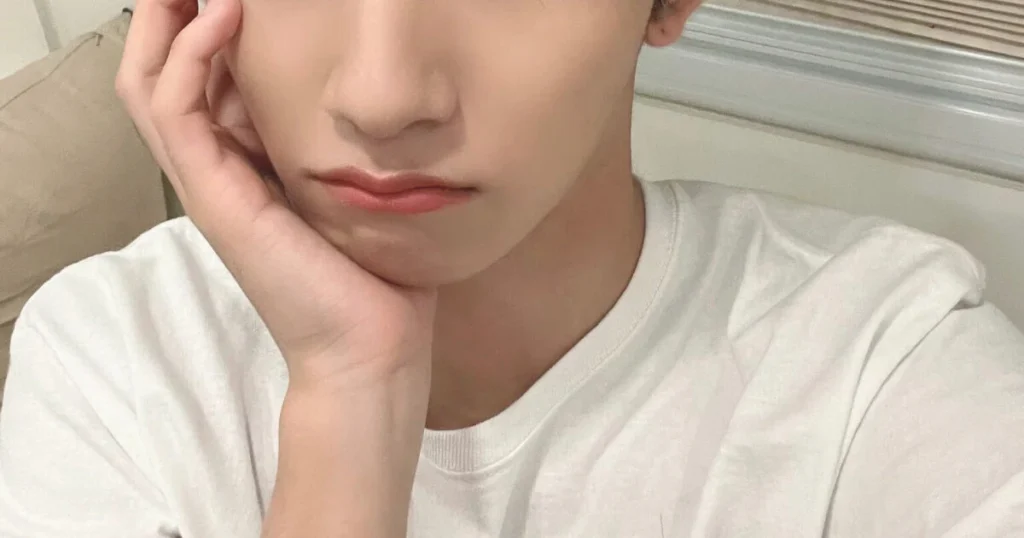
Seoul, South Korea – A recent incident involving Jeff, the youngest member of K-pop boy group EPEX, has ignited a fervent debate across online communities and social media platforms regarding the nature of fan-idol communication and the psychological well-being of artists. The revelation of a harsh, unsolicited message sent to the idol via a paid fan messaging service has not only sparked widespread outrage among fans but has also amplified calls for a comprehensive overhaul of these platforms and a re-evaluation of fan culture within the highly competitive K-pop industry.
The Incident: A Critical Message Goes Viral
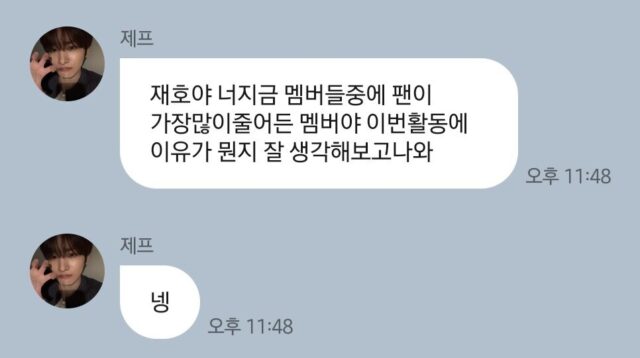
The controversy erupted on May 20, 2026, when Jeff (born Lee Jaeho), the maknae (youngest member) of EPEX, publicly shared a screenshot of a message he received on ‘fromm,’ a popular subscription-based fan communication platform. The message, sent by a user, was strikingly critical and personal in its nature, stating: "Jaeho, you are currently the member who has lost the most fans. Think carefully about the reason for this comeback before you come out." Jeff’s stark, one-word response – "Ok." – coupled with the content of the fan’s message, quickly resonated across the internet.
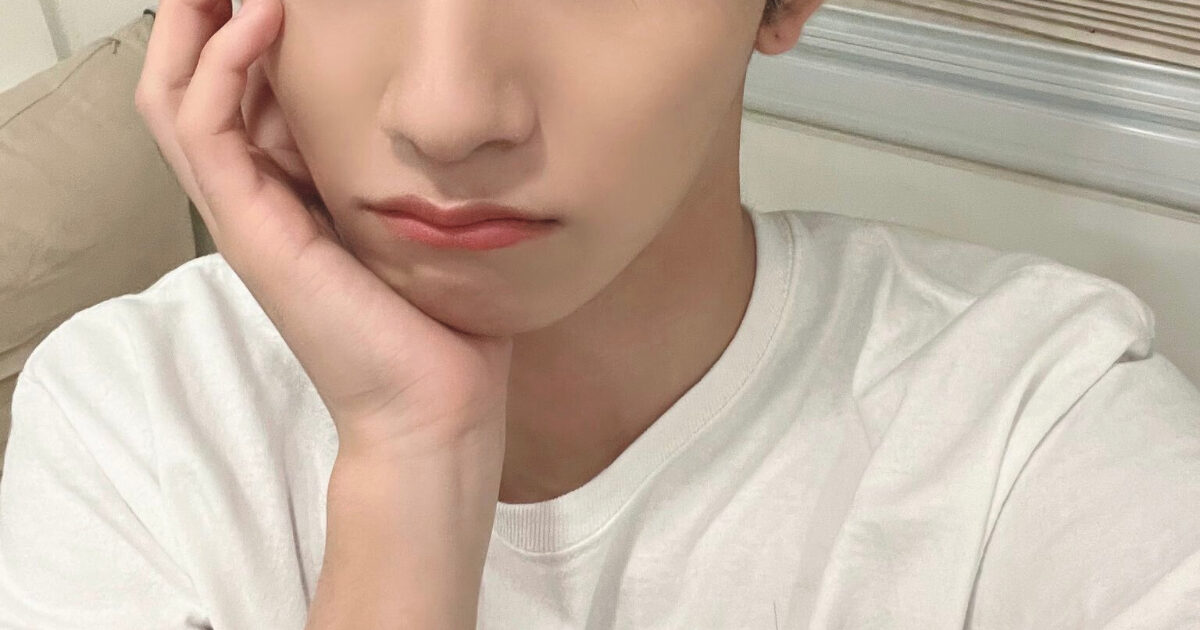
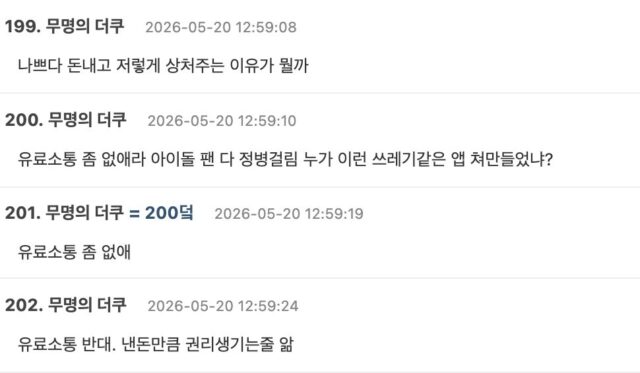
Within minutes of Jeff’s post, the screenshot began circulating rapidly on X (formerly Twitter), Instagram, and prominent South Korean online community forums such as TheQoo and Pann Nate. The virality of the message was immediate, drawing a torrent of reactions from both EPEX’s dedicated fanbase, known as ZENITH, and the broader K-pop public. The overwhelming sentiment was one of shock, anger, and profound concern for Jeff, who is still a relatively young artist in an industry known for its intense pressures. Many netizens expressed dismay at the audacity of a fan to deliver such a demoralizing and personal attack, particularly through a platform designed to foster positive interaction. The incident quickly transcended a mere fan-idol interaction, becoming a focal point for discussions on the boundaries of fandom, the responsibilities of platforms, and the mental health of K-pop idols.
The Landscape of Fan Communication Platforms: Intimacy vs. Vulnerability
The platform at the center of this controversy, ‘fromm,’ is one of several subscription-based services that have become integral to the K-pop ecosystem. Alongside industry giants like SM Entertainment’s Bubble, HYBE’s Weverse DM, and JYP Entertainment’s DearU bubble, ‘fromm’ allows fans to pay a monthly fee to receive direct messages from their favorite idols and send messages back, ostensibly creating a more personal and intimate connection. These platforms are marketed on the promise of exclusivity, offering fans a unique glimpse into idols’ daily lives, behind-the-scenes updates, and a sense of direct engagement that traditional social media cannot provide. For idols, these platforms offer a revenue stream and a controlled environment to interact with their most dedicated supporters.
However, the very design that promises intimacy also exposes idols to significant vulnerabilities. While platforms often claim to have moderation policies and filtering systems in place to prevent harassment and inappropriate content, the sheer volume of messages, combined with the subjective nature of what constitutes "harmful" criticism, makes comprehensive oversight challenging. The incident with Jeff is not an isolated one; numerous idols across various agencies have, in the past, alluded to or directly shared instances of receiving overly critical, invasive, or even threatening messages from subscribers. This constant exposure to unvarnished feedback, often delivered with a sense of entitlement by paying customers, can be profoundly damaging to an idol’s self-esteem and mental fortitude.

The commercial success of these platforms, which generate substantial revenue for both agencies and idols, underscores a critical dilemma: how to balance the financial benefits and fan engagement they provide with the imperative to protect artists from psychological harm. The current incident has forcefully brought to light the perceived inadequacy of existing safeguards, leading many to question whether the benefits truly outweigh the risks for the artists involved.
The Darker Side of Fandom: Pressure, Entitlement, and Mental Health
The message received by Jeff illuminates a troubling aspect of modern K-pop fandom, characterized by intense scrutiny, a strong sense of ownership, and at times, a deeply toxic environment. While the vast majority of K-pop fans are supportive and respectful, a vocal minority often exhibits behaviors that cross ethical boundaries. This can range from "sasaeng" fans, known for their obsessive and invasive pursuit of idols, to those who believe their financial contributions grant them the right to dictate an idol’s appearance, performance, or even personal life.
The concept of an idol "losing fans" is a potent weapon in this context, tapping into the inherent anxieties of artists whose careers are predicated on public popularity and approval. Idols operate under immense pressure from a young age, often undergoing years of rigorous training with uncertain prospects. Once they debut, they face relentless schedules, constant media attention, and the ever-present threat of public criticism. Messages like the one Jeff received, which directly attack an idol’s perceived worth and professional standing, can have devastating effects on their mental health.
According to various studies on mental health in the entertainment industry, particularly in South Korea, idols are at a significantly higher risk of experiencing anxiety, depression, and other stress-related disorders. The culture of perfectionism, intense competition, and the constant exposure to public judgment contribute to this vulnerability. The expectation for idols to maintain an image of unwavering positivity and resilience further exacerbates the problem, making it difficult for them to openly express their struggles or seek help without fear of backlash or career repercussions. The incident with Jeff serves as a stark reminder of the psychological toll that unchecked fan entitlement and criticism can exact on these young artists.
Calls for Action: Agency Responsibility and Platform Reform
In the wake of the incident, public outcry has translated into concrete demands for action from both EPEX’s agency, C9 Entertainment, and the ‘fromm’ platform itself. Fans and netizens alike are urging C9 Entertainment to take a more proactive stance in protecting its artists. This includes implementing stricter guidelines for fan interactions, providing robust mental health support, and potentially pursuing legal action against individuals who engage in cyberbullying or defamation. The general expectation is that agencies should not only manage their artists’ careers but also safeguard their well-being against the darker elements of fame.
Simultaneously, there are widespread calls for ‘fromm’ and similar messaging platforms to significantly enhance their moderation policies. Specific suggestions include:
- Improved Filtering Systems: Implementing more sophisticated AI-driven filters to automatically detect and block hate speech, personal attacks, and inappropriate content before it reaches the idol.
- Easier Reporting Mechanisms: Making it simpler for idols and their management to report problematic messages, with clear and swift punitive actions against offending users.
- Stricter User Verification: Potentially requiring more stringent identity verification for subscribers to deter anonymous harassment.
- Educational Campaigns: Launching campaigns to educate fans about healthy fan culture, boundaries, and the impact of their words on artists.
- "Cooling-off" Periods or Bans: Implementing temporary or permanent bans for users who repeatedly violate platform guidelines.
Industry experts suggest that while platforms cannot completely eliminate negative interactions, they have a moral and ethical obligation to create a safer environment. The economic model of these platforms, which relies on fan subscriptions, also places a responsibility on them to ensure that the service does not inadvertently become a conduit for abuse. There is a growing sentiment that if platforms fail to adapt and prioritize artist protection, they risk losing public trust and facing regulatory scrutiny.
Broader Implications for the K-Pop Industry
The EPEX Jeff incident is more than just a momentary scandal; it represents a critical juncture in the ongoing evolution of the K-pop industry’s relationship with its global fanbase. The implications are far-reaching and touch upon several key aspects:
- Shifting Fan-Idol Dynamics: This incident could serve as a catalyst for a healthier redefinition of the fan-idol relationship, encouraging greater respect for personal boundaries and a shift away from entitlement. It may prompt agencies to empower idols to speak out against inappropriate behavior, fostering a culture where artists are seen as human beings rather than mere commodities.
- Increased Scrutiny of Platforms: The backlash is likely to put all fan messaging platforms under increased scrutiny, potentially leading to an industry-wide review of their operational ethics and safety protocols. Platforms that fail to adapt may see a decline in user trust and potentially, subscriber numbers, as fans themselves grow weary of the toxic elements enabled by lax moderation.
- Enhanced Mental Health Initiatives: The continuous spotlight on idols’ mental health, fueled by incidents like this, could push agencies to invest more significantly in psychological support services, counseling, and mental wellness programs for their artists. This is crucial for sustaining the long-term careers and well-being of idols.
- Legal Precedents: Should C9 Entertainment decide to pursue legal action against the fan, it could set an important precedent for future cases of cyberbullying and harassment within the K-pop industry, potentially empowering other agencies and artists to defend themselves more vigorously.
Ultimately, the incident with EPEX’s Jeff serves as a poignant reminder that while direct fan communication platforms offer a unique avenue for connection, they also carry inherent risks. For the K-pop industry to continue its global expansion sustainably, it must critically examine and address the challenges posed by toxic fan culture and ensure that the well-being of its artists is paramount. The calls for change are not merely about preventing future incidents but about cultivating an entertainment environment that is respectful, supportive, and conducive to the healthy growth of both artists and their dedicated fanbases. The industry now faces the challenge of translating widespread outrage into meaningful, systemic reforms that protect its most valuable asset: its artists.
Related News