K-Pop Idol Reveals She Used To Cover Her Natural Skin Tone During Group Promotions
Article Editorial Team

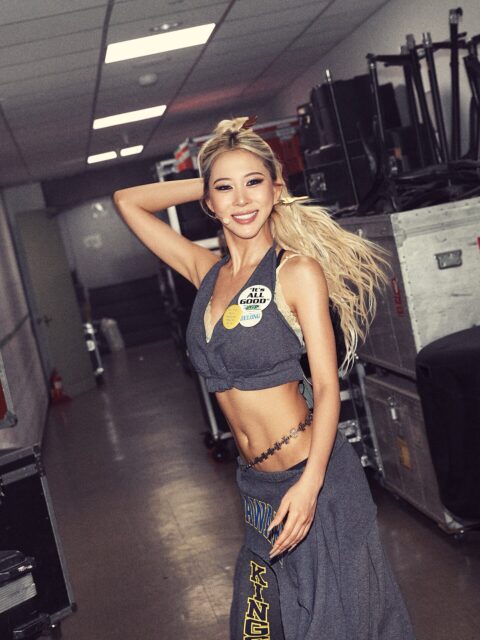
The episode, which aired on May 23, provided an intimate look at Dayoung’s daily life as she navigates her career transition. While observing her activities, the show’s hosts and panelists, including veteran entertainer Jun Hyun Moo, noted her distinct, bronzed skin tone. Jun Hyun Moo remarked that her current aesthetic reminded him of a "pop star visiting Korea," suggesting she looked as though she had recently frequented a tanning salon. This observation prompted Dayoung to clarify a long-standing misunderstanding regarding her physical appearance.
The Reality of Natural Complexion vs. Industry Standards
Dayoung revealed that her current sun-kissed look is not the result of artificial tanning but is, in fact, her natural skin tone. She explained that for the majority of her career with WJSN, she felt compelled to hide her true complexion to fit the "pale-skinned" archetype that remains a dominant beauty standard in the K-Pop industry. This standard, often referred to as the "porcelain" or "glass skin" look, is frequently associated with youth, purity, and the specific "innocent" concepts often assigned to girl groups.

According to Dayoung, the process of altering her appearance was not limited to facial makeup. To ensure a seamless and believable look, she had to apply lightening foundation to her entire body. She noted that applying light makeup only to the face would create a jarring contrast with her natural limbs, leading to what she described as a "Kabuki" effect—a reference to the traditional Japanese theater style known for its stark white face paint. To avoid this, her pre-performance preparation involved extensive layers of body makeup, covering her arms, legs, and neck.
The physical toll of this routine was significant. Dayoung shared that the removal process was equally demanding, stating that she would go through an entire bottle of foam cleanser every two weeks just to scrub the heavy pigments from her skin. This level of maintenance highlights the unseen labor and dermatological strain placed on performers to maintain a curated image that aligns with group branding.
The Cultural Weight of Skin Tone in South Korean Media
The pressure Dayoung faced is rooted in deeply embedded cultural preferences in East Asia. Historically, fair skin was associated with the aristocracy—those who did not have to labor outdoors in the sun. In the modern K-Pop context, this has translated into a rigorous preference for "bright" or "white" skin, which is often enhanced in post-production through "whitewashing" filters in photography and music videos.

Industry experts note that while there has been a slow shift toward celebrating diverse skin tones, the "default" remains fair. Groups like WJSN, which debuted in 2016 under Starship Entertainment and Yuehua Entertainment, were marketed with a celestial, magical-girl aesthetic. This concept relied heavily on ethereal visuals, where pale skin played a central role in conveying a sense of "otherworldliness" and "purity." For members like Dayoung, whose natural skin is more golden or olive-toned, the group’s visual identity required a constant suppression of her natural traits.
Chronology of Dayoung’s Career and Image Evolution
Dayoung’s journey in the public eye began at a young age. She first gained attention as a contestant on K-Pop Star 1 before debuting with WJSN in February 2016. As part of the "Wonder Unit" within the group, she was often styled in vibrant, youthful outfits that complemented the group’s synth-pop and disco-infused discography.
- 2016–2021: During the peak of WJSN’s group activities, Dayoung maintained a consistent look characterized by fair skin and bright hair colors. This period included hits like "Secret," "Save Me, Save You," and "As You Wish."
- 2022–2023: As WJSN members began exploring individual paths following their victory on the survival show Queendom 2, Dayoung started to diversify her public persona. She became a fixture on variety shows, showcasing a more athletic and outdoorsy lifestyle.
- 2024–Present: Transitioning into a solo artist, Dayoung has embraced a "sexy" and "healthy" transformation. Her recent solo debut and public appearances have highlighted her natural skin tone, signaling a departure from the "sweet" and "pale" image of her teenage years.
This evolution is not merely a change in fashion but a reclamation of her identity. By stepping away from the body makeup and lightening foundations, Dayoung is participating in a broader movement within the industry where idols are increasingly vocal about the pressures of aesthetic conformity.
Supporting Data: The Impact of Beauty Standards on Idols
While Dayoung’s admission has garnered significant attention, she is not the only idol to have faced such challenges. Data from various industry surveys and interviews suggest that a significant percentage of K-Pop trainees and idols undergo "skin brightening" treatments or use specialized cosmetics to appear lighter under stage lights.
- Stage Lighting Dynamics: K-Pop stages use intense LED and halogen lighting which can wash out certain features. Makeup artists often use lighter foundations to prevent performers from appearing "grey" or "muddy" on high-definition broadcasts, but this often evolves into a standard of "whiteness" rather than just "brightness."
- Product Consumption: The K-Beauty market is saturated with "tone-up" creams and whitening functional cosmetics. Dayoung’s mention of using a bottle of cleanser every two weeks underscores the sheer volume of product required to maintain and then remove these layers.
- Global Perception: Interestingly, international fans often criticize "whitewashing" in K-Pop media, preferring the natural skin tones of idols. This creates a dichotomy where idols are pressured by domestic standards to be pale while being encouraged by global audiences to be natural.
Reactions from the Industry and Fanbase
The reaction to Dayoung’s revelation has been overwhelmingly supportive. On social media platforms and fan forums, many "Ujung" (WJSN’s official fandom) expressed admiration for her honesty. Many fans noted that they had always suspected she was naturally tanner and praised her current "glowy" and "healthy" appearance.
Industry insiders have also commented on the shift. A former stylist for a mid-tier girl group, speaking anonymously, noted, "In the mid-2010s, it was standard procedure to apply ‘tone-up’ lotion to every visible inch of an idol’s skin. It wasn’t just about beauty; it was about group cohesion. If one member was significantly darker than the others, it was seen as a ‘distraction’ from the group’s uniform visual."
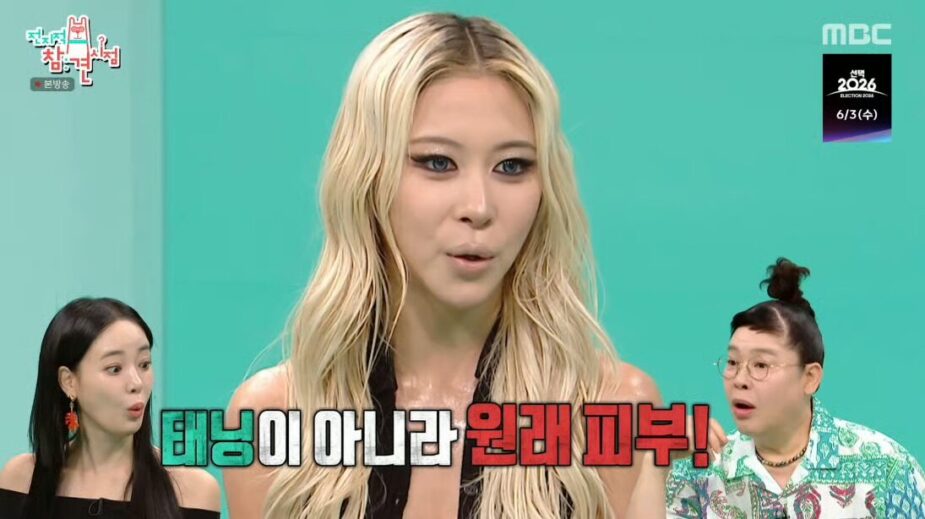
Dayoung’s decision to speak out on The Manager is seen as a sign of her growing influence and security in her career. As an established artist, she now has the platform to challenge the norms that governed her early years.
Broader Implications for the K-Pop Industry
Dayoung’s story serves as a microcosm of the changing landscape of South Korean entertainment. The "standardization" of beauty is slowly giving way to "individualization." Several factors are contributing to this shift:
- The "Hwasa Effect": Mamamoo’s Hwasa is often credited with breaking the "pale skin" taboo. Her success with a naturally tanned, curvaceous, and bold image proved that idols do not need to be "porcelain-white" to be successful or considered beautiful.
- The Rise of Health Culture: There is a growing trend in Korea toward "healthy beauty," which includes fitness, tanning, and a more natural look. This "athleisure" lifestyle is becoming popular among idols, who are now more likely to be seen at the gym or the beach.
- Mental Health and Authenticity: There is an increasing awareness of the psychological burden placed on idols to maintain a "perfect" facade. Candid discussions about makeup, dieting, and plastic surgery are becoming more common, helping to humanize idols in the eyes of the public.
In conclusion, Dayoung’s revelation about covering her natural skin tone is more than just a beauty secret; it is a commentary on the rigid structures of the K-Pop industry. Her transition from a member of a group with a strict visual concept to a solo artist who embraces her natural self reflects a personal and professional liberation. As the industry continues to expand globally, the voices of artists like Dayoung are instrumental in pushing for a more inclusive and realistic definition of beauty. Her story highlights the physical and emotional labor involved in celebrity branding and serves as a reminder of the person behind the "perfect" idol image.
Related News