For Your Viewing Pleasure: The Art of the Silhouette in K-Pop and K-Drama Fashion
Article Editorial Team
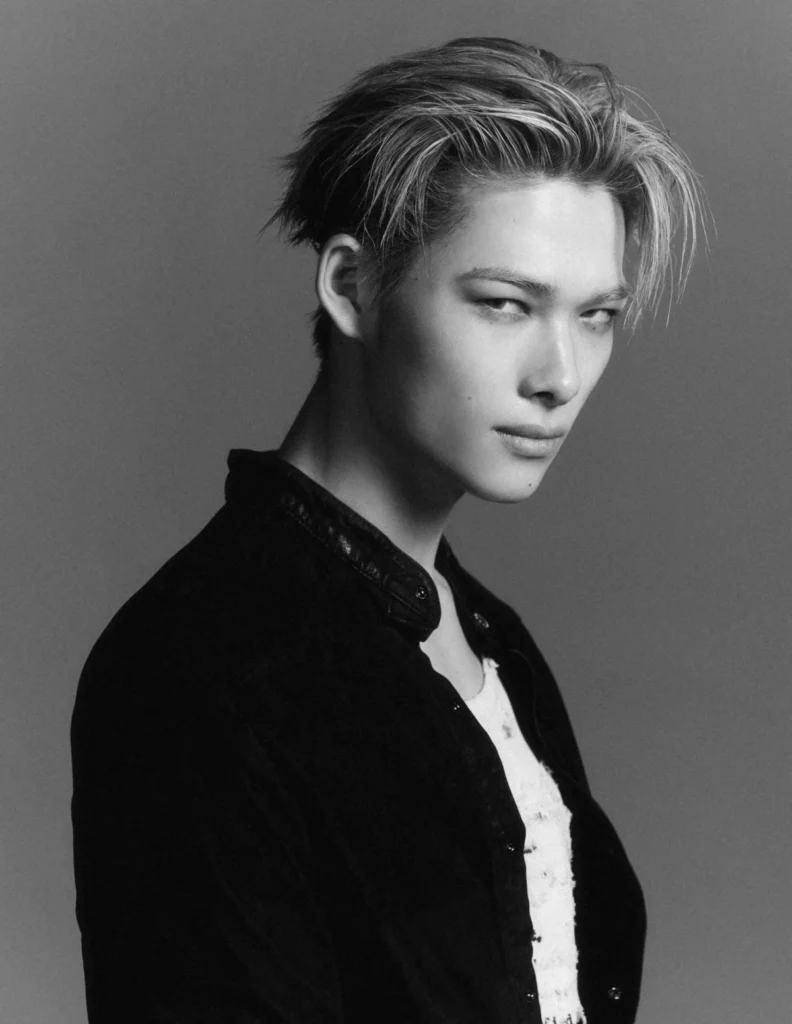
The dynamic interplay between K-pop and high fashion has solidified its status as a global cultural phenomenon, extending its influence far beyond music and into the sartorial choices of millions worldwide. This week’s curated selection of images, part of the recurring "For Your Viewing Pleasure" series, meticulously highlights the intricate art of silhouette construction within the contemporary K-pop and K-drama landscape. It delves into how prominent figures like aespa’s Ningning, actor Heo Nam-jun, Lee Chae-min, Park Ji-hoon, Lim Ji-yeon, and ITZY’s Ryujin utilize tailored lines, statement footwear, and fluid fabrics to craft compelling visual narratives that transcend mere clothing to become statements of identity and trendsetting.
Mastering the Form: A Showcase of Contemporary Silhouettes

The featured personalities exemplify diverse approaches to silhouette, demonstrating a sophisticated understanding of how form dictates presence. aespa’s Ningning and actor Heo Nam-jun provide a masterclass in sharp tailoring, each donning suits that speak to precision and power. Ningning’s ensemble likely showcases a modern interpretation of the power suit, potentially featuring strong shoulders, a cinched waist, or an avant-garde cut that redefines traditional feminine suiting. Heo Nam-jun’s sharp suit, on the other hand, might lean into classic menswear revival, emphasizing clean lines, impeccable fit, and perhaps a subtle nod to contemporary oversized or deconstructed elements. This dual presentation underscores the versatility and enduring appeal of structured tailoring, which has seen a significant resurgence across both men’s and women’s fashion, often blurring traditional gender lines in professional and high-fashion contexts. The meticulous attention to the "cut of a blazer" and the overall architectural integrity of their outfits creates a silhouette that is both commanding and elegant, reflecting a broader trend in K-fashion towards refined sophistication.
Actor Lee Chae-min presents a striking contrast with an all-white ensemble that champions minimalist chic. The choice of monochrome, particularly white, inherently draws attention to the form and texture of the garments. An all-white silhouette can range from sharply tailored to gracefully flowing, but its inherent simplicity elevates the wearer, creating an aura of purity and understated luxury. In K-fashion, monochrome styling is often employed to convey a sense of calm authority and timeless elegance, allowing the wearer’s natural presence to shine through without the distraction of vibrant patterns or competing colors. The success of such an outfit hinges entirely on its silhouette – the way the fabric drapes, the precision of its seams, and how it frames the body.
Park Ji-hoon introduces an element of dramatic flair with an elegant robe embellished with "flashes of turquoise." This choice immediately evokes a sense of luxurious comfort and artistic expression. Robes, when elevated to high fashion, are not merely loungewear; they become garments of statement, often featuring rich fabrics, intricate embroidery, or bold patterns. The silhouette of a robe is inherently flowing and relaxed, yet when paired with specific embellishments or worn with intentional styling, it can exude opulence and a unique sense of confidence. The turquoise flashes suggest a vibrant contrast against the primary fabric, perhaps breaking the flow with a sudden burst of color, thereby accentuating the garment’s movement and texture. This style speaks to a growing appreciation for fluid, gender-neutral fashion that prioritizes comfort without sacrificing grandeur.

Actress Lim Ji-yeon demonstrates the power of "deceptively simple yet stylish" with a structured coat. A well-designed coat can be the cornerstone of an entire outfit, and its silhouette is paramount. Structured coats often feature strong lines, defined shoulders, and precise tailoring that create an authoritative and polished look. The term "deceptively simple" implies that while the design might appear minimal, the impact is significant, likely due to exceptional craftsmanship, high-quality materials, and an expertly cut form that flatters and empowers. This approach aligns with a timeless fashion philosophy where quality and cut supersede overt ornamentation, allowing the garment’s silhouette to speak volumes.
Finally, ITZY’s Ryujin makes a bold statement with "pink flares she pairs with a glamorous set of silver heels." This ensemble represents a more maximalist and playful approach to silhouette. Flare trousers, especially in a vibrant color like pink, inherently create a distinctive A-line or bell-bottom silhouette from the knee down, adding dynamic movement and a retro-chic vibe. Paired with "glamorous silver heels," the look is amplified, suggesting a deliberate fusion of contemporary trends with nostalgic elements, possibly drawing inspiration from Y2K fashion or disco aesthetics. The combination creates a striking visual, emphasizing the legs and drawing the eye downwards, where the shoes become an integral part of the overall shape and attitude of the outfit. Ryujin’s choice highlights the ability of individual pieces to dramatically alter and define a silhouette, creating an impactful and memorable fashion moment.
The Global Influence of K-Pop and K-Drama Fashion

The widespread appeal of K-pop and K-drama extends beyond entertainment, profoundly shaping global fashion trends and consumer behavior. This influence is not merely anecdotal; it is substantiated by significant market data and strategic brand partnerships. According to a report by the Korea Customs Service, exports of K-fashion products reached over $1.5 billion in 2022, demonstrating a consistent upward trajectory fueled by the global popularity of Korean celebrities. Major luxury houses, including Gucci (one of the image sources), Louis Vuitton, Dior, and Chanel, have increasingly tapped K-pop idols and K-drama actors as global brand ambassadors, a testament to their unparalleled influence on millennial and Gen Z consumers. This symbiotic relationship sees idols not only wearing these brands but also actively shaping their global marketing strategies and design directions.
The phenomenon can be traced back to the early 2010s when K-pop began its international ascent, moving from niche subculture to mainstream global force. Initially, K-pop fashion was characterized by bold, often experimental, and highly coordinated stage outfits. As the industry matured and its reach expanded, so too did its fashion sensibilities. Stylists, often working behind the scenes, became pivotal in crafting distinct visual identities for groups and individual artists. These stylists collaborate closely with designers, both local and international, to create looks that are not only aesthetically pleasing but also reflective of current trends and forward-looking innovations.
The timeline of K-pop fashion influence highlights several key milestones:

- Early 2000s: Initial forays into distinct K-pop fashion with groups like H.O.T. and S.E.S., often reflecting global hip-hop and R&B trends but with a unique Korean twist.
- Late 2000s – Early 2010s: Groups like Girls’ Generation and Big Bang establish K-pop’s reputation for highly conceptual and trend-setting fashion, leading to increased exposure in international fashion magazines.
- Mid-2010s: The rise of groups like EXO and BTS marks a turning point, with their fashion choices gaining significant traction on social media and at international events like Billboard Music Awards and American Music Awards. This period also saw luxury brands beginning to take serious notice.
- Late 2010s – Present: K-pop idols become front-row fixtures at global fashion weeks (Paris, Milan, New York), secure ambassadorships with major luxury brands, and significantly impact global streetwear and high-fashion trends. The increasing global consumption of K-dramas, epitomized by shows like "Squid Game" and "The Glory," has further amplified the fashion influence of Korean actors, making their on-screen and off-screen styles highly coveted.
The Artistry of Silhouette: A Deeper Analysis
The emphasis on "creating a strong silhouette" is a cornerstone of effective fashion design and styling. A silhouette is the outline or overall shape of a garment or an ensemble, independent of color or detail. It is the first visual impression an outfit makes and communicates much about the style, era, and even the wearer’s personality.
In the context of the featured idols and actors:

- Sharp Suits (Ningning, Heo Nam-jun): The silhouette here is often angular, precise, and defined. It conveys professionalism, authority, and modernity. The resurgence of tailoring in fashion, often with gender-fluid designs, challenges traditional norms and offers a canvas for expressing personal style within structured forms. The "cut of a blazer" directly dictates the shoulder line, waist definition, and overall proportion, making it central to the silhouette’s impact.
- All-White Ensemble (Lee Chae-min): Without color to distract, the silhouette becomes paramount. Whether it’s a flowing wide-leg pant and tunic, or a more structured jacket and trousers, the lines and drapes are emphasized. This minimalist approach requires impeccable fit and quality fabrics to create a memorable outline.
- Elegant Robe (Park Ji-hoon): The robe’s silhouette is characterized by its fluidity and volume. It drapes softly around the body, creating a sense of movement and relaxed elegance. When used in high fashion, the strategic placement of belts, sashes, or openings can manipulate this natural flow to create different shapes, from columnar to more voluminous.
- Structured Coat (Lim Ji-yeon): Coats inherently offer a strong external silhouette that can dramatically alter the wearer’s perceived shape. A structured coat might feature an A-line, straight, or hourglass silhouette, often achieved through padding, darting, and specific fabric choices. Its "deceptively simple" nature means the power is in its well-defined form, offering a clean, sophisticated line that elevates any outfit underneath.
- Bold Pink Flares (Ryujin): Flare trousers create a distinctive silhouette that broadens from the knee downwards, often paired with a more fitted upper body to create a balanced proportion. This silhouette is dynamic and statement-making, evoking a sense of retro-glam and playful rebellion. The "flare of a skirt" mentioned in the original article echoes this principle, where the widening hemline dictates the overall shape and movement.
The "details" mentioned – from the cut of a blazer to the flare of a skirt – are precisely what manipulate and define these silhouettes. These are not arbitrary choices but calculated design decisions that contribute to the overall visual impact.
Supporting Data and Industry Impact
The global fashion industry closely monitors K-pop’s influence. According to analytics firm Launchmetrics, K-pop idols consistently generate millions in Media Impact Value (MIV) for brands through their social media posts and appearances. For instance, a single Instagram post from a prominent K-pop idol endorsing a luxury brand can achieve an MIV equivalent to a major advertising campaign, reaching a highly engaged and global audience. This quantifiable impact validates the strategic decision of fashion houses to invest heavily in K-pop partnerships.

Moreover, the Korean fashion industry itself has witnessed an exponential boom. Seoul Fashion Week has gained international recognition, attracting global buyers and press. Korean designers, many of whom started by styling K-pop groups, are now making waves on international runways, further solidifying Korea’s position as a trendsetter. The blend of traditional Korean aesthetics with contemporary global trends, often showcased by idols, has created a unique "K-style" that is both innovative and commercially viable.
The Role of Visual Media and Photography
The images featured in "For Your Viewing Pleasure" are sourced from prestigious fashion magazines such as Elle, Singles, and Harper’s Bazaar, alongside direct contributions from brands like Gucci and entertainment labels like Belift Lab, JYP Entertainment, and Pacific Music Group Korea. These platforms are crucial in disseminating and amplifying K-pop’s fashion influence. Fashion editorials are meticulously crafted to highlight the garments, the celebrity, and the overall aesthetic. Photography plays a vital role in capturing and emphasizing the silhouette – through lighting, posing, and composition, photographers are able to accentuate the lines, forms, and textures of the outfits, transforming them into aspirational imagery. The curation of such sets of photos serves not only as a visual treat but also as a definitive guide to current and emerging trends within the K-fashion sphere.

Broader Implications: Economic and Cultural Resonance
The enduring influence of K-pop and K-drama fashion carries significant economic and cultural implications. Economically, it stimulates growth in the Korean textile and design industries, creates new job opportunities for stylists, designers, and marketers, and drives international commerce through brand collaborations. Culturally, K-fashion, spearheaded by its celebrity figures, challenges traditional beauty standards, promotes gender fluidity in clothing, and fosters a global appreciation for diverse aesthetic expressions. It provides a powerful platform for self-expression and identity formation among younger generations worldwide, who look to their favorite idols not just for music but for inspiration in every facet of their lives, including their sartorial choices.
The deliberate focus on "creating a strong silhouette" within K-pop and K-drama fashion is not merely a stylistic choice but a strategic one. It underscores a sophisticated understanding of design principles and visual impact, cementing the status of these cultural figures as true fashion icons. As K-pop and K-drama continue their global expansion, their influence on the future of fashion—from high couture to everyday wear—is poised to grow even stronger, continually redefining what it means to be stylish and trendsetting in the 21st century.
Related News