The Origins and Socio-Economic Implications of the Dwenjang-nyeo Phenomenon in South Korea
Article Editorial Team

The global explosion of Psy’s "Gangnam Style" in 2012 introduced international audiences to a vibrant, neon-lit version of Seoul’s most affluent district. However, beneath the infectious beat and the satirical "horse dance" lay a pointed critique of a specific social archetype that had already been the subject of intense domestic debate for years: the dwenjang-nyeo, or "bean paste girl." While Western media initially interpreted the song as a generic parody of wealth, local context reveals a more complex narrative involving class anxiety, gender politics, and the psychological scars of South Korea’s rapid economic compression. The term refers to a woman who sacrifices essential needs—eating cheap meals to save money—only to spend those savings on luxury Western goods and high-end coffee to project an image of wealth she does not possess.
Defining the Dwenjang-nyeo: Etymology and Cultural Paradox
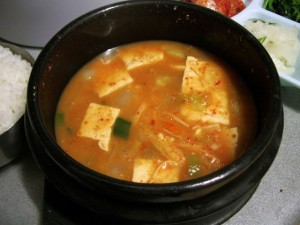
The term dwenjang-nyeo is derived from dwenjang, a fermented soybean paste that serves as the foundation for dwenjang jjigae (bean paste stew). In the Korean culinary hierarchy, this stew represents the pinnacle of humble, traditional, and affordable dining. A hearty bowl of dwenjang jjigae typically costs between 3,500 and 5,000 KRW (approximately $3 to $4 USD), making it a staple for students and low-wage workers.
The paradox of the "bean paste girl" lies in the contrast between her private subsistence and her public consumption. The stereotypical narrative suggests that these women consume the cheapest possible meals—the metaphorical bean paste stew—so they can afford a 6,500 KRW ($5.50 USD) specialty coffee from an American franchise like Starbucks. In this social framework, the coffee cup is not merely a beverage; it is a portable status symbol, a "luxury" that signals leisure time, Westernized taste, and a membership in the global middle class, even if that membership is financially precarious.
The definition of the term has evolved into several distinct characterizations:
- The Frugal Status-Seeker: A woman who lives with her parents and suppresses her daily living expenses specifically to accumulate enough capital for a single designer handbag or a pair of luxury shoes.
- The Westernized Wannabe: A woman criticized for rejecting traditional Korean values in favor of a "shallow" imitation of New York or Parisian lifestyles, often characterized by a preference for imported brands over domestic quality.
- The Economic Moocher: A more derogatory interpretation that paints the woman as someone who relies on the financial generosity of boyfriends or parents to maintain a lifestyle her own salary cannot support.
Chronology of Economic Transformation and the Roots of Social Stigma
To understand why the dwenjang-nyeo became a target of such vehement criticism, one must examine the historical trajectory of South Korea’s development. The nation’s transition from a war-torn agrarian society to a G20 economy occurred with a speed unparalleled in modern history, a phenomenon known as the "Miracle on the Han River."
The Era of Frugality (1960s–1980s)
Following the Korean War (1950–1953), South Korea was one of the poorest nations on Earth, at one point receiving financial aid from developing nations such as Ethiopia. Under the authoritarian leadership of Park Chung-hee, who took power in 1961, the state enforced a strict ideology of "frugal nationalism." Economic growth was prioritized through export-led industrialization, and domestic consumption—particularly of imported luxury goods—was framed as unpatriotic. During this period, the term kwasobi (excessive spending) was treated as a social vice. National campaigns encouraged citizens to save every won to build the country’s heavy industries.
The Rise of Consumerism (1990s–Present)
By the 1990s, the success of the Chaebols (conglomerates like Samsung and Hyundai) and the hosting of the 1988 Seoul Olympics signaled South Korea’s arrival on the world stage. As disposable income rose, the decades of suppressed desire for luxury goods erupted. The 1997 Asian Financial Crisis (the "IMF Crisis") briefly checked this growth, but it also fundamentally changed the Korean psyche. The collapse of "lifetime employment" led to a shift from long-term saving to immediate gratification and the use of visible consumption to establish social standing in an increasingly competitive environment.
Supporting Data: Luxury Markets and Coffee Culture
The dwenjang-nyeo phenomenon is supported by tangible economic data regarding South Korea’s consumption habits. Despite its relatively small population of 51 million, South Korea consistently ranks as one of the top ten luxury markets globally.
- Luxury Goods Growth: According to reports from market researchers like Euromonitor and Morgan Stanley, South Koreans are the world’s biggest spenders on personal luxury goods per capita, spending an average of $325 per year, compared to $280 for Americans and $55 for Chinese citizens.
- Coffee Shop Density: Seoul has famously high concentrations of coffee shops. As of the early 2010s, Seoul had more Starbucks outlets than any other city in the world. The "coffee culture" became the primary battleground for the dwenjang-nyeo debate because it represented a daily, visible expenditure on a non-essential, Western-branded product.
- The "Small Luxury" Trend: Economists have noted that when large-scale social mobility (like buying a home in Gangnam) becomes impossible due to skyrocketing real estate prices, younger generations pivot toward "small luxuries." A $2,000 bag or a $7 coffee becomes a manageable way to participate in the "good life" when a $1 million apartment is out of reach.
Gender Dynamics and Societal Reactions
A significant point of contention in the dwenjang-nyeo discourse is its gendered nature. Critics and feminist scholars have pointed out the conspicuous absence of a "bean paste boy" (dwenjang-nam), despite the fact that young Korean men are equally active in the luxury market, particularly in the sectors of electronics, imported automobiles, and high-end fashion.
The vilification of women’s spending habits often reflects broader societal anxieties regarding changing gender roles. As women gained more education and entered the workforce in larger numbers during the 2000s, traditional patriarchal structures felt threatened. The dwenjang-nyeo label became a tool for social policing, used to shame women who prioritized their own desires or status over traditional roles of domestic frugality.
Official and Academic Responses
While there has been no "official" government policy regarding the term, it has been the subject of extensive academic study. Laura C. Nelson, in her work Measured Excess: Status, Gender, and Consumer Nationalism in South Korea, argues that consumption in Korea has always been tied to national identity. When women spend on Western luxury, they are often accused of "betraying" the national economy, whereas men’s luxury consumption is often framed as a sign of professional success or "networking."

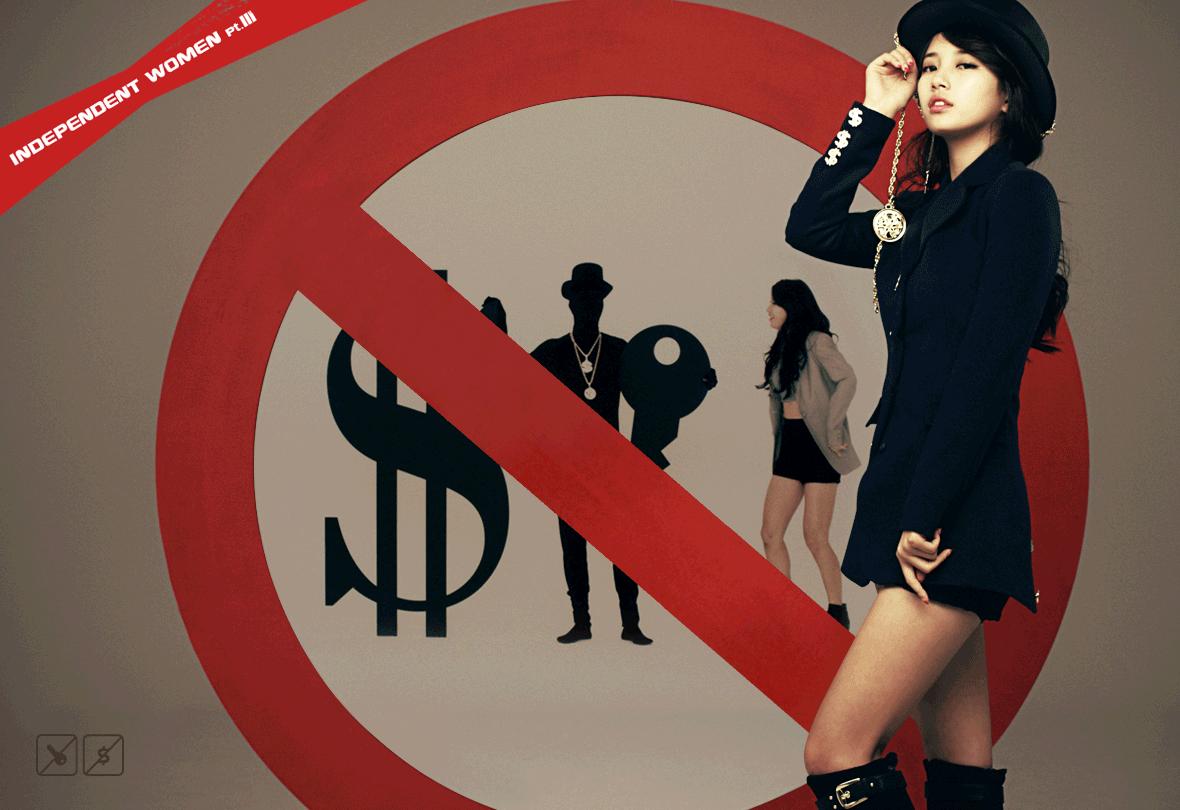
In the mid-2000s and early 2010s, the term sparked a "gender war" on internet forums like DC Inside. This eventually gave rise to even more derogatory terms, such as kimchi-nyeo, which broadened the criticism from spending habits to general character flaws. Conversely, some women reclaimed the term, arguing that if they earn their own money, they have the right to spend it on whatever brings them joy, a sentiment echoed in the music of K-pop groups like miss A, who championed the "independent woman" archetype.
Broader Impact and Implications
The dwenjang-nyeo phenomenon was a precursor to the modern "Hell Joseon" sentiment—a term used by young South Koreans to describe the harsh socio-economic conditions and lack of opportunity in the country. The obsession with luxury and the subsequent social shaming are symptoms of a society where "face" (social reputation) is paramount, but the pathways to genuine wealth are narrowing.
The implications of this phenomenon include:
- Increased Household Debt: The pressure to maintain a certain lifestyle has contributed to South Korea having one of the highest household debt-to-GDP ratios in the OECD.
- Social Fragmentation: The labels used to categorize and shame different demographics have led to increased polarization between genders and social classes.
- Evolution of Marketing: Luxury brands have capitalized on this "status anxiety," specifically targeting the Korean market with limited editions and celebrity endorsements, knowing that the "need" for the brand outweighs the financial cost for many consumers.
Conclusion
The "bean paste girl" is more than a caricature of a woman with an expensive handbag and a Starbucks cup; she is a symbol of the tensions inherent in South Korea’s rapid modernization. She represents the collision between the frugal, nationalist values of the post-war generation and the globalized, consumerist desires of the contemporary era. While Psy’s "Gangnam Style" brought the image of the luxury-seeking Seoulite to the world, the reality of the dwenjang-nyeo remains a poignant reminder of the social costs of economic success and the enduring power of status symbols in a deeply hierarchical society. As long as social standing in Korea is measured by visible markers of wealth, the debate over who has the right to consume—and at what cost—will likely continue.
Related News