Popular Actress Reveals The One Cosmetic Procedure She Thinks Is Worth The Money
Article Editorial Team
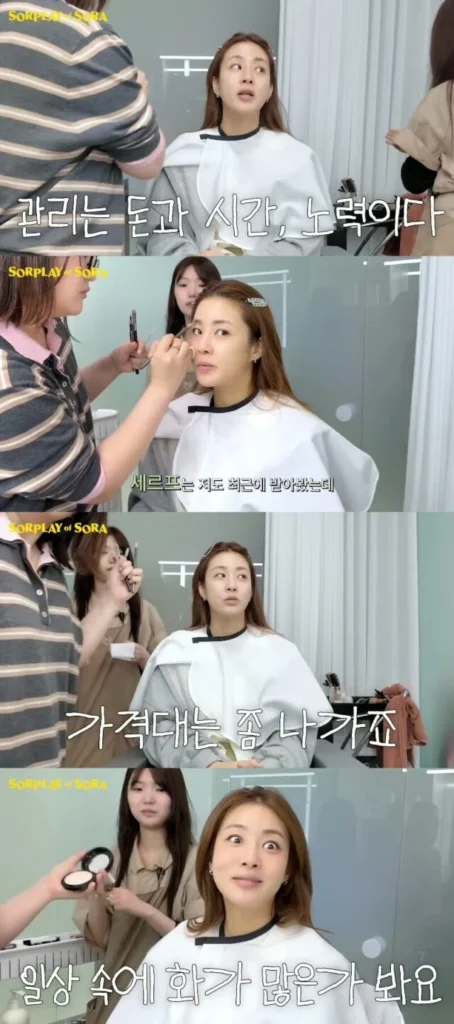
In a recent and refreshingly candid disclosure, acclaimed South Korean actress Kang So Ra has openly discussed her experiences with various cosmetic procedures, offering a rare glimpse into the maintenance routines often undertaken by public figures. Her revelations, made during a segment of her new YouTube video, have sparked considerable interest, particularly her unequivocal endorsement of one specific treatment as a non-negotiable investment. This level of transparency from a prominent figure like Kang So Ra contributes significantly to the ongoing discourse surrounding beauty standards, celebrity authenticity, and the growing acceptance of aesthetic enhancements in contemporary society.
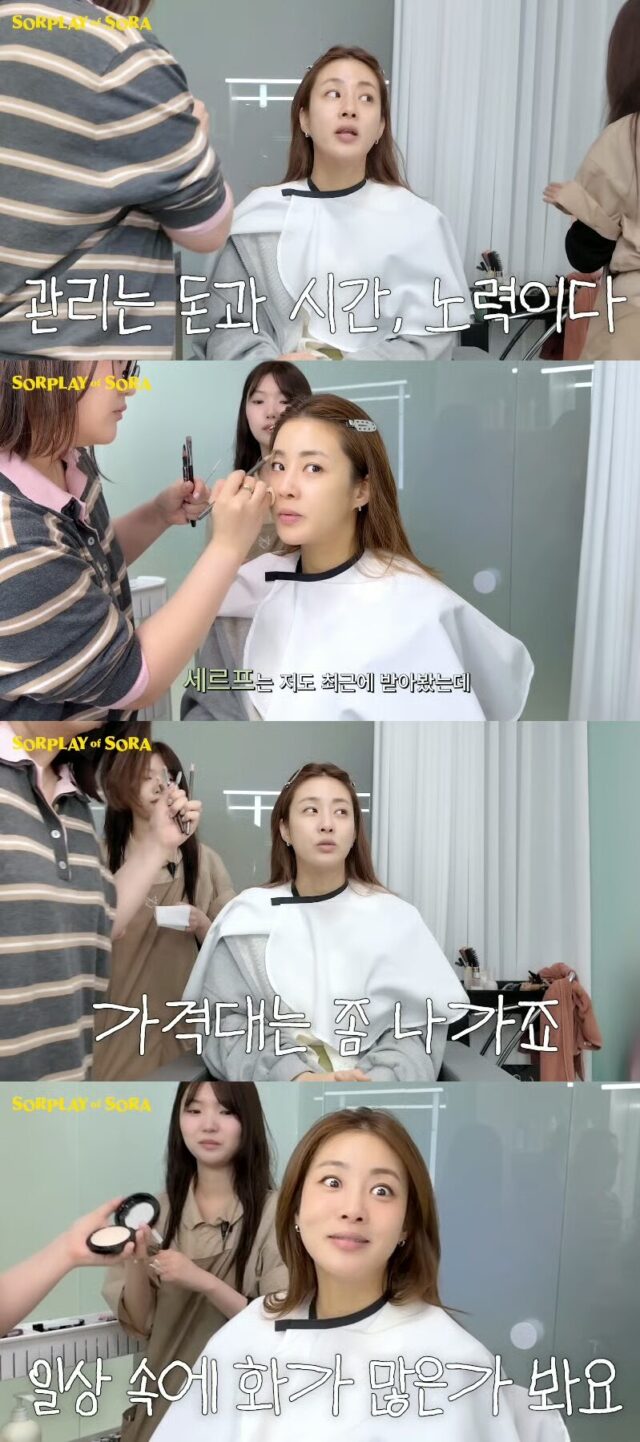
The actress, known for her roles in hit dramas such as "Misaeng: Incomplete Life" and "Dream High 2," shared these insights ahead of a meeting with fromis_9’s Lee Chaeyoung. While preparing at a salon, the conversation naturally veered towards dermatology treatments and the meticulous efforts required to maintain one’s appearance, especially under the relentless scrutiny of the camera. "Maintenance takes money, time, and effort," Kang So Ra remarked, acknowledging the significant commitment involved in her professional sphere.
A Candid Look at Kang So Ra’s Aesthetic Regimen
Kang So Ra detailed several procedures she undergoes, providing a nuanced perspective on each. She mentioned receiving Ultherapy, a non-invasive cosmetic procedure that uses focused ultrasound energy to lift and tighten the skin. "Once a year, or twice if I have a lot of activities, I get Ultherapy," she stated, indicating its importance in her annual beauty calendar. Ultherapy targets deeper foundational layers of the skin, stimulating collagen production for a gradual lifting effect, typically noticeable over several months. It is particularly popular for addressing sagging skin on the face, neck, and décolletage. The procedure involves the precise delivery of ultrasound energy to specific depths, creating thermal coagulation points that initiate the body’s natural wound-healing response, leading to collagen regeneration. While generally well-tolerated, some patients report mild discomfort during the treatment, often managed with topical anesthetics or pain medication.
More recently, Kang So Ra disclosed trying a procedure she referred to as "Serf." She described its effects as similar to "combining Ultherapy and Thermage." Thermage, another well-known non-invasive treatment, uses radiofrequency (RF) energy to heat the deeper layers of the skin, stimulating collagen remodeling and tightening existing collagen fibers. Unlike Ultherapy, which targets specific depths with ultrasound, Thermage delivers bulk heating to a larger volume of tissue, resulting in an overall tightening and contouring effect. The sensation during Thermage is often described as a deep heating, which can be intense but is typically intermittent to ensure patient comfort. Kang So Ra’s description of "Serf" suggests a potential innovation or a customized protocol that integrates the benefits of both ultrasound and radiofrequency technologies, aiming for a more comprehensive lifting and tightening outcome. The evolution of aesthetic technology frequently sees the development of new devices or combined treatments designed to offer synergistic benefits, catering to a diverse range of patient concerns.
The Cost of Professional Appearance and Personal Choice
Addressing the inevitable question about the financial aspect of these treatments, Kang So Ra was forthright. "It is on the pricier side," she admitted, acknowledging the substantial investment required. However, she contextualized this expenditure within her profession. "It’s a choice. Since my job requires me to keep appearing on camera, I do this level of maintenance. For people who don’t have that kind of job, I think it’s a personal choice," she elaborated. This statement highlights the distinction between professional necessity and individual preference, underscoring that while these procedures are integral to her career, they are not presented as universal requirements for everyone.
She further provided guidance on selecting appropriate treatments, demonstrating a practical understanding of different dermatological needs. "For people with cheek fat, Ultherapy is good. If it’s not to that extent and you just want a pleasant lifting feeling, Serf is good. Lasers are different for each person, so you won’t know unless you try them. If it’s your first time, try it once and test it out." This advice emphasizes the personalized nature of aesthetic medicine, where efficacy varies depending on individual skin type, facial structure, and desired outcomes. It also promotes a cautious approach, encouraging first-time users to experiment modestly before committing to extensive treatments.
The Non-Negotiable: Botox and Its Strategic Use
When pressed by the production team to identify the procedure she considered the least wasteful expenditure, Kang So Ra’s answer was immediate and decisive: Botox. "Botox. I get it consistently," she declared without hesitation. This statement positions Botox as a fundamental element of her beauty regimen, a treatment she deems essential.

Botox, short for Botulinum Toxin, is a neurotoxin that temporarily paralyzes muscle activity, thereby reducing the appearance of wrinkles and fine lines caused by repetitive muscle contractions. It is most commonly used for frown lines between the eyebrows (glabellar lines), crow’s feet around the eyes, and horizontal forehead lines. Kang So Ra specifically cited her "frown lines" as a primary concern. "At home, I have too many reasons to use my frown lines. If I don’t get Botox, they’re basically always there. I don’t know. I guess I have a lot of anger in my daily life," she humorously added, attributing her need for Botox to her everyday expressions.
However, her use of Botox is strategically managed in relation to her professional commitments. "But when I’m doing a drama, I need my facial muscles. So when I’m filming a drama, I don’t really get it done," she explained. This demonstrates a sophisticated understanding of how aesthetic procedures can impact an actor’s craft. For an actress, the ability to convey a wide range of emotions through facial expressions is paramount. Excessive Botox could potentially restrict this expressiveness, hindering her performance. Therefore, Kang So Ra meticulously schedules her Botox injections around her filming hiatuses, ensuring that her facial mobility remains unimpeded during active production periods. This nuanced approach underscores the pragmatic considerations public figures often navigate when balancing personal aesthetic preferences with professional demands.
Background and Context: Kang So Ra’s Career and South Korea’s Beauty Landscape
Kang So Ra debuted in 2009 and quickly rose to prominence, solidifying her status as a versatile actress. Her career has seen her take on diverse roles, from romantic comedies to gritty dramas. In 2020, she married a non-celebrity and welcomed her first child in 2021, leading to a temporary hiatus from acting. Her return to the public eye, including the launch of her YouTube channel, signifies a new chapter in her career, characterized by increased openness and direct communication with her fanbase. This shift towards personal vlogs and candid discussions is a growing trend among Korean celebrities, allowing them to connect with audiences on a more personal level and demystify aspects of their lives.
South Korea has long been recognized as a global hub for beauty and aesthetics, with a culture that places a high value on physical appearance. The cosmetic surgery and dermatology market in South Korea is one of the largest and most advanced in the world. According to reports from the International Society of Aesthetic Plastic Surgery (ISAPS) and various market research firms, South Korea consistently ranks among the top countries for per capita rates of cosmetic procedures. The market size for medical aesthetics in South Korea was estimated to be significant, with continuous growth projected in the coming years. Procedures like Ultherapy, Thermage, and Botox are widely available and highly sought after, reflecting both technological innovation and strong consumer demand.

This robust industry is fueled by several factors: intense societal beauty standards, the pervasive influence of K-pop and K-drama on global beauty trends, and a highly competitive and innovative medical tourism sector. Celebrities like Kang So Ra play a crucial role in shaping these trends. Their willingness to discuss procedures openly can demystify treatments for the general public, normalize aesthetic enhancements, and potentially reduce the stigma often associated with them. Historically, celebrities were more reticent about revealing such details, but there is a discernible shift towards greater transparency, fostered by platforms like YouTube and social media, which allow for more direct and unfiltered communication.
Supporting Data: The Science and Market of Aesthetic Procedures
Ultherapy (High-Intensity Focused Ultrasound – HIFU): This non-invasive procedure utilizes micro-focused ultrasound energy to precisely target structural layers of the skin, including the superficial musculoaponeurotic system (SMAS) layer, which is typically addressed in surgical facelifts. The ultrasound energy causes thermal coagulation points at controlled depths (typically 1.5mm, 3.0mm, and 4.5mm), initiating neocollagenesis – the production of new collagen. A single session can yield results that gradually improve over 2-3 months, with full effects visible at 6 months. Results typically last for about 12-18 months. The global market for HIFU devices in aesthetics is substantial, reflecting its popularity for non-surgical lifting.
Thermage (Radiofrequency – RF): Thermage employs capacitive radiofrequency technology to deliver heat into the deeper dermis and subcutaneous tissue. This volumetric heating causes existing collagen fibers to contract and stimulates the production of new collagen over time. The heating is precisely controlled to protect the outer skin layer while effectively treating the deeper tissues. Like Ultherapy, it is a single-session treatment with gradual results, typically lasting for about 1-2 years. The RF aesthetic device market is a significant segment of the overall aesthetic industry, with continuous advancements in technology aiming for improved efficacy and patient comfort.
Botox (Botulinum Toxin Type A): Botox remains one of the most popular non-surgical cosmetic procedures worldwide. Its mechanism involves blocking nerve signals in the muscles where it is injected, preventing them from contracting. This temporary paralysis smooths out dynamic wrinkles caused by facial expressions. The effects typically last 3-6 months, after which muscle action gradually returns, necessitating repeat injections to maintain results. The global market for botulinum toxin is immense, driven by its proven efficacy, relatively low risk profile, and versatility in treating various aesthetic and medical conditions. In South Korea, its usage is widespread, reflecting a proactive approach to wrinkle prevention and reduction.
Broader Implications and Societal Impact
Kang So Ra’s frank discussion contributes to a broader cultural shift towards destigmatizing cosmetic procedures. Her emphasis on Botox as a "non-negotiable" for managing frown lines due to everyday expressions resonates with many individuals who experience similar concerns. By openly discussing the financial and practical aspects, she normalizes the idea of investing in one’s appearance as a personal or professional choice, rather than something to be hidden or ashamed of.
This transparency from high-profile figures can have several implications:
- Normalization of Procedures: It helps to normalize aesthetic treatments, moving them from the realm of taboo to acceptable self-care.
- Informed Consumer Choices: By sharing her experiences and recommendations, Kang So Ra provides valuable, albeit anecdotal, guidance for potential consumers navigating the complex world of aesthetic medicine.
- Influence on Industry Trends: Celebrity endorsements, even indirect ones, can significantly influence demand for specific treatments and technologies. The procedures Kang So Ra mentioned are likely to see renewed interest.
- Challenging Beauty Ideals: While promoting aesthetic intervention, such discussions also subtly challenge the notion of effortless beauty, revealing the "effort, time, and money" that goes into maintaining a public image, thereby making beauty standards seem more attainable (or at least understandable) through conscious effort.
- Promoting Dialogue on Aging: Her strategic avoidance of Botox during filming also sparks a conversation about the balance between aesthetic perfection and the natural expressiveness required for human connection and artistic performance, particularly in an industry often criticized for pressuring actors to maintain youthful appearances at all costs.
Kang So Ra’s candidness is a testament to the evolving landscape of celebrity culture and public discourse around beauty and aging. Her statements underscore that aesthetic maintenance, particularly for those in the public eye, is often a calculated decision, balancing personal comfort, professional demands, and financial investment. Her unequivocal recommendation of Botox as a worthwhile procedure, alongside her thoughtful explanations for her other treatments, provides a valuable and honest perspective that resonates far beyond the confines of her YouTube channel, contributing to a more open and informed conversation about beauty in the modern age.
Related News