Navigating the Complex Ecosystem of Global K-pop Fandoms: From Digital Communities to Official Fan Clubs
Article Editorial Team
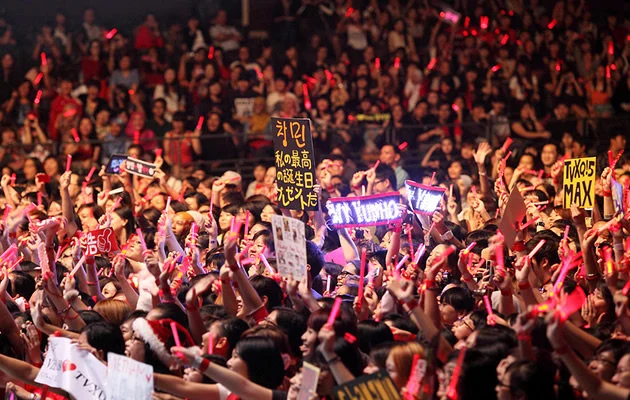
The global expansion of South Korean popular music, commonly known as K-pop, has transformed the traditional relationship between artists and their audience into a highly structured and multi-layered social phenomenon. Unlike mainstream Western music consumption, which often centers on the individual listener’s relationship with a song, K-pop is defined by its fandoms—tightly knit, organized communities that operate with a level of dedication and coordination comparable to political movements or professional organizations. For the uninitiated, entering this space requires an understanding of a complex hierarchy ranging from general interest in the genre to "bias-specific" sub-fandoms and official, company-managed fan clubs.
The Structural Hierarchy of K-pop Fandoms
At the core of the K-pop experience is a sophisticated division of loyalty. While many listeners identify as general fans of the genre, the community is primarily partitioned into specific group fandoms, each with its own unique name, color, and internal culture. For instance, a fan of the group SHINee is known as a "Shawol," a portmanteau of the group’s official fan club name, SHINee World.
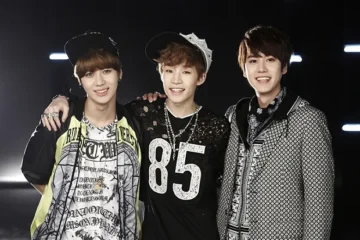
However, the identification often goes deeper into "sub-fandoms." Because K-pop groups are almost exclusively ensembles, fans frequently gravitate toward a "bias"—a favorite individual member. This leads to the creation of member-specific fan groups. Within the Shawol community, a fan who prioritizes the member Taemin may identify as a "Taemint." These intricate layers of identity create a robust social fabric but also introduce the potential for internal friction, often referred to in the industry as "solo stanning" or "akgae" (malicious individual fans) behavior, which can occasionally lead to conflicts within the broader group fandom.
A Chronology of Fan Engagement: From Balloons to Weverse
The methods by which fans interact with K-pop idols have evolved significantly over three decades, moving from localized physical gatherings to a borderless digital economy.
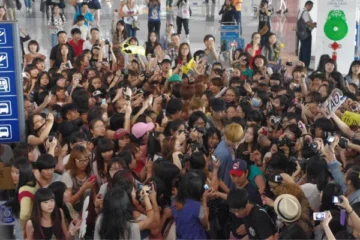
- The First Generation (1990s – Early 2000s): During the era of groups like H.O.T. and SechsKies, fandom was largely a domestic South Korean affair. Engagement was defined by physical presence, such as waiting outside agency buildings or attending music broadcasts. Fans identified themselves in crowds using specific colored raincoats and balloons—white for H.O.T. and yellow for SechsKies.
- The Second Generation (Mid-2000s – 2012): This period saw the rise of the "Fan Cafe," hosted on Korean portals like Daum and Naver. These were the first formalized digital spaces where fans could receive official updates. This era also marked the beginning of international expansion through YouTube and social media, creating a divide between domestic "official" fans and the burgeoning international "unofficial" audience.
- The Third and Fourth Generations (2013 – Present): The advent of dedicated platforms like BTS’s Weverse, SM Entertainment’s Bubble, and the now-defunct V-Live has revolutionized the industry. These platforms have globalized the "Official Fan Club" experience, allowing fans in New York, London, or Jakarta to pay for memberships that were previously exclusive to residents of South Korea.
The Mechanics of Official Fan Cafes and Digital Platforms
For a significant portion of K-pop history, the "Official Fan Cafe" was the ultimate gatekeeper for fan-artist interaction. These cafes are formal websites managed by the artist’s agency. To join, fans often must navigate a "leveling-up" process that requires answering complex trivia about the artist in Korean, providing proof of album purchases, and adhering to strict community guidelines.

For domestic fans, the benefits of official membership are tangible: early access to concert tickets, entry into "pre-recordings" for music shows like M! Countdown or Inkigayo, and exclusive merchandise. For international fans, however, the barrier to entry was historically high due to language requirements and the need for a Korean phone number or resident ID.
In recent years, the industry has shifted toward proprietary apps. HYBE’s Weverse platform, for example, integrates a social media feed, a retail shop, and a live-streaming service. As of 2023, Weverse reported over 10 million monthly active users, illustrating the massive scale of these organized digital communities. This shift has democratized access to some extent, though the "Official Membership" remains a paid tier that separates casual followers from "committed" fans.
Supporting Data: The Economic Impact of Organized Fandom
The commitment of K-pop fandoms is not merely emotional; it is a significant driver of the South Korean economy. According to the International Federation of the Phonographic Industry (IFPI), South Korea has consistently ranked as one of the fastest-growing music markets in the world, largely due to physical album sales driven by "collecting culture."

Fandom activities often involve sophisticated logistics and fundraising:
- Rice Wreaths and Charity: Instead of sending flowers to concerts, K-pop fandoms frequently donate "rice wreaths"—large displays of rice bags that are later donated to charities in the artist’s name. It is not uncommon for a single concert to result in several tons of rice being distributed to the needy.
- Digital Streaming and Voting: Fandoms organize "streaming parties" to ensure their favorite artists rank high on charts like Billboard or MelOn. They also coordinate mass voting for end-of-year award ceremonies, such as the MAMA Awards, where fan votes can account for a significant percentage of the final score.
- Ad Campaigns: To celebrate an idol’s birthday, fandoms often pool thousands of dollars to purchase billboards in Times Square, wrap city buses in advertisements, or even buy "star naming" certificates.
Industry Implications and the "Sasaeng" Phenomenon
While the organized nature of these fandoms provides artists with unparalleled support, it also presents unique challenges for agencies. The high level of emotional and financial investment can lead to a sense of "ownership" over the artist’s personal life. This is most visible in the "Sasaeng" phenomenon—obsessive fans who engage in stalking, privacy invasion, and other criminal behaviors to get closer to their idols.
Agencies must walk a fine line between encouraging deep fan engagement and protecting the mental health and safety of their performers. The "Official Fan Club" rules are often designed to mitigate this, with agencies threatening to blacklist fans who violate privacy boundaries from attending future events. Furthermore, the "dating bans" once common in the industry are slowly eroding, though the reaction of a fandom to an artist’s personal relationship remains a volatile factor in an idol’s career longevity.

Analysis of International Fan Contributions
The source article highlights that international fans, often unable to participate in the domestic Korean infrastructure, have built their own parallel systems. These include:
- Translation Teams: Volunteers who translate lyrics, variety shows, and social media posts into dozens of languages, acting as the primary engine for global growth before official subtitles were standard.
- Fan Fiction and Fan Art: Creative communities on platforms like Tumblr, Twitter (X), and Archive of Our Own (AO3) that expand the "lore" of K-pop groups, particularly those with complex conceptual storylines like EXO or LOONA.
- Educational Advocacy: International fans often organize to explain cultural nuances or defend artists against misinformation, acting as a decentralized PR wing for the groups they support.
Conclusion: The Future of the Fan-Artist Connection
The K-pop fandom model is increasingly being studied by Western marketing experts and music executives as the "gold standard" for consumer loyalty. The transition from being a passive listener to an active participant in a fandom represents a shift in the music industry’s business model—from selling a product (music) to selling an identity and a community.
As the industry moves toward the integration of AI, virtual idols (such as PLAVE or MAVE:), and metaverse fan meetings, the definition of "fandom" will likely continue to expand. However, as the source article notes, the fundamental core of the experience remains the emotional connection. Whether through an official fan cafe in Seoul or a fan-made edit on social media in Brazil, the strength of the K-pop industry lies in its ability to make every fan feel like a vital part of a global movement. No matter the level of involvement, the sense of belonging provided by these communities remains the genre’s most potent export.
Related News