The Evolution of K-pop Fandom from Digital Community to Global Social Movement and the Complexities of Collective Action
Article Editorial Team
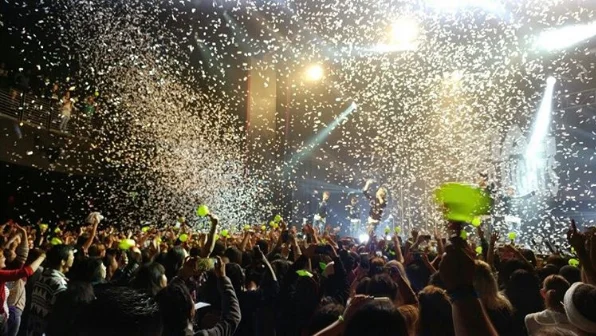
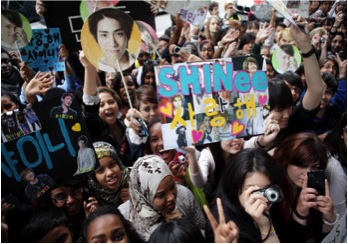
The traditional boundaries of celebrity worship have undergone a radical transformation in the 21st century, evolving from passive consumption into a sophisticated, highly organized form of social and political mobilization. Central to this shift is the global K-pop phenomenon, where "fandoms"—coordinated groups of admirers united under specific monikers such as BTS’s ARMY, Stray Kids’ STAY, or Blackpink’s BLINK—have emerged as potent actors on the world stage. These groups leverage the tools of globalization and digital connectivity to transcend geographical and cultural borders, creating a collective identity that functions with the efficiency of a political campaign. However, as these movements gain influence, the dual nature of their power has come under scrutiny, revealing a complex tension between genuine social activism and the singular, often uncompromising goal of protecting a celebrity brand.
The Sociological Framework of the Modern Fandom
To understand the rise of the K-pop fan as a political entity, one must first define the social movement within a digital context. Sociologically, social movements are forms of collective action involving informal networks of individuals and groups who, based on a shared identity, engage in conflict with clearly identified opponents to achieve a common goal. K-pop fandoms fit this definition with remarkable precision. Unlike traditional Western fanbases, which often operate on an individualistic level of appreciation, K-pop fandom is rooted in a collectivist ethos.
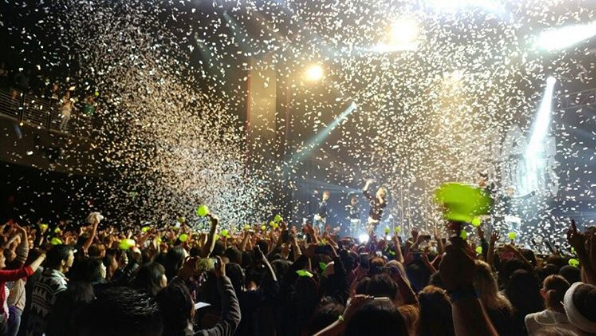
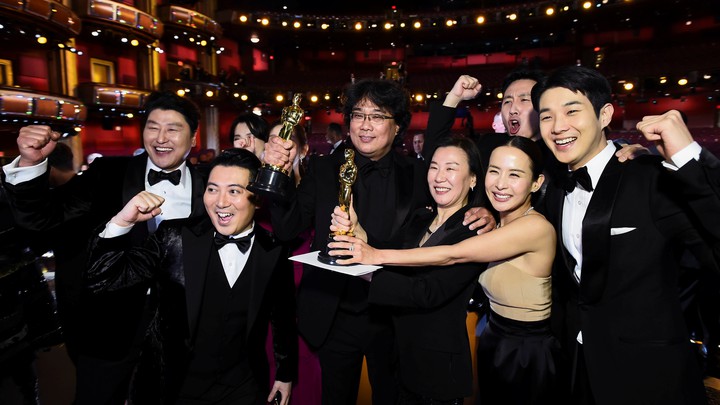
This collectivism is a cornerstone of East Asian social structures, prioritizing the well-being and reputation of the community over the individual. When applied to the music industry, this translates into a "ride or die" mentality where the success of the idol is viewed as a personal victory for the fan. Globalization has acted as the primary conduit for this ethos, allowing South Korean cultural exports—collectively known as the Hallyu or Korean Wave—to find fertile ground in Western markets. The success of the film Parasite at the 2020 Academy Awards and actress Youn Yuh-jung’s subsequent Oscar win for Minari are symptomatic of a broader shift where Western audiences no longer view foreign-language media as a niche interest, but as a mainstream standard.
A Chronology of Digital Mobilization: 2020 as a Turning Point
While K-pop fans have long been known for their ability to "trend" hashtags or manipulate music charts, the year 2020 marked a definitive shift into overt political and social justice territory. The summer of 2020, characterized by global unrest and the resurgence of the Black Lives Matter (BLM) movement, provided a backdrop for the most significant display of fandom power to date.
On June 4, 2020, the global superstars BTS and their agency, Big Hit Entertainment (now HYBE), announced a $1 million donation to the Black Lives Matter movement. The response from their fanbase was immediate and calculated. Using the hashtag #MatchTheMillion, a fan-led organization known as "One in an ARMY" began a fundraising campaign. The chronology of the event highlights the unprecedented speed of this digital movement:
- June 4: BTS announces the $1 million donation.
- June 5: #MatchTheMillion begins trending globally as fans coordinate across Twitter, Discord, and KakaoTalk.
- June 6: Within 24 hours of the campaign’s launch, organizers reported that over $817,000 had been raised from more than 34,000 individual donors.
- June 7: The goal of $1 million is reached and surpassed, totaling approximately $1,026,531 within roughly 25 hours.
This event was followed by the disruption of a political rally for then-President Donald Trump in Tulsa, Oklahoma. Thousands of K-pop fans and TikTok users reportedly registered for free tickets to the event with no intention of attending. While the Trump campaign expected a capacity crowd of 19,000, the actual attendance was significantly lower, with official figures hovering around 6,200. These incidents demonstrated that K-pop fandoms possessed the logistical capability to impact real-world political events and charitable causes on a massive scale.
Strategic Marketing and the Feedback Loop of Influence
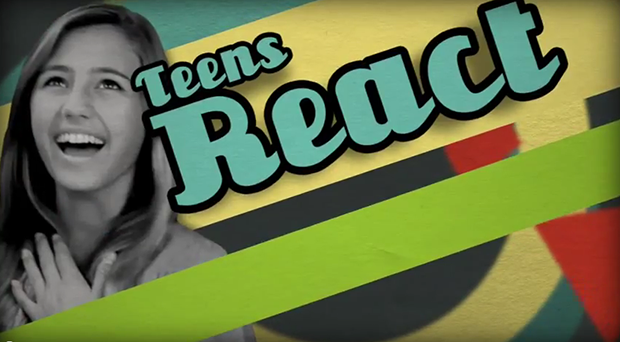
The efficacy of these movements is not accidental; it is built into the very architecture of K-pop marketing. Korean entertainment agencies have mastered the art of "shareability," creating content designed to be dissected, reacted to, and disseminated. A primary example is the "reaction video" genre. Channels such as ReacttotheK have built entire platforms by analyzing the musicality of K-pop, bridging the gap between casual listeners and students of classical music.
This creates a feedback loop: the more content fans create, the more the "algorithm" favors the artist, leading to increased visibility in Western media outlets like Vogue, Refinery29, and Seventeen. The fans become unpaid marketing executives, using their collective power to ensure their favorite artists remain at the center of the cultural conversation. This synergy between the industry’s marketing strategies and the fans’ collectivist drive creates a formidable engine for global influence.
The Paradox of Protection: Weaponization and Internal Conflict
Despite the accolades K-pop fans received for their social justice efforts in 2020, the movement possesses a darker, more exclusionary side. The same tools used to fight racial injustice have frequently been "weaponized" to silence dissent within the community or to obscure legitimate criticisms of K-pop idols.
In early 2021, a wave of bullying allegations struck the Korean entertainment industry, involving several high-profile idols, including Stray Kids’ Hyunjin. In response, segments of the fandom organized hashtag campaigns to demand the artist’s return and to proclaim his innocence before investigations were concluded. This highlights a recurring issue: when the "common goal" of a social movement is the protection of a person rather than a principle, the movement risks becoming a tool for silencing victims.
Furthermore, Black K-pop fans have frequently reported feelings of alienation and harassment within the very fandoms that claim to support Black Lives Matter. When fans of color raise concerns about cultural appropriation—such as idols wearing box braids or using African American Vernacular English (AAVE) as a "concept"—they are often met with "dogpiling." This involves hundreds or thousands of fans coordinatedly attacking a single individual’s account to drown out their critique.
Another common tactic is "clearing the searches." When an idol is involved in a scandal, fans will flood search engines and social media with positive phrases and unrelated images. While fans frame this as "protecting the artist’s image," critics argue it is a form of digital revisionism that prevents honest discussion and accountability.
Analysis of Implications: Fandom vs. Activism
The rise of the K-pop fandom as a social movement presents a unique challenge to the traditional understanding of activism. While these groups can achieve tangible, positive results—raising millions for charity and drowning out racist rhetoric on social media—their primary loyalty is to a commercial entity.
The distinction between "fandom as activism" and "activism for the sake of fandom" is critical. In a traditional social movement, the goal is systemic change or justice for a marginalized group. In a fandom-based movement, the ultimate goal is the elevation of the idol. If a social justice cause aligns with the idol’s image, the fandom will mobilize. However, if the pursuit of justice requires holding the idol accountable, the movement often pivots toward protectionism and the suppression of information.
Industry analysts suggest that this power dynamic is unlikely to shift as long as the parasocial relationship between idol and fan remains the primary driver of the K-pop economy. Agencies encourage fans to feel a personal responsibility for the idol’s well-being, which in turn fuels the ferocity of their collective action.
Future Outlook and Global Impact
As K-pop continues to integrate into the global music landscape, the influence of its fandoms will likely expand into new territories. We are seeing the "K-pop model" of fan organization being adopted by Western artists and even political figures, where digital "stans" coordinate to influence public opinion and policy.
The legacy of K-pop fandom as a social movement is thus one of contradiction. It has proven that digital communities can be a force for profound global good, breaking down cultural barriers and providing a voice to the youth. Yet, it also serves as a cautionary tale about the dangers of unchecked collectivism and the potential for digital tools to be used as instruments of harassment. As these movements mature, the global community must grapple with a new reality: the most powerful political organizers of the 21st century may not be found in traditional institutions, but in the digital trenches of global pop culture.
Related News