Navigating the Intersection of Black Culture and Korean Pop Perspectives on Appreciation Appropriation and the Global Fandom Experience
Article Editorial Team
The global phenomenon known as K-pop, or Korean popular music, has long been celebrated for its high-production values, intricate choreography, and addictive melodies. However, beneath the polished veneer of the Hallyu wave lies a complex and often contentious relationship with Black culture, which serves as the foundational blueprint for much of the industry’s musical and aesthetic output. As the genre continues its aggressive expansion into Western markets, particularly the United States, the voices of Black K-pop fans are becoming increasingly vital in highlighting the thin line between genuine artistic appreciation and harmful cultural appropriation. This discourse is not merely about music; it encompasses a broader conversation on historical literacy, racial stereotypes, and the necessity of respect within a diverse, international fandom.
The Foundation of K-pop: A History of Borrowed Beats
To understand the current friction between K-pop and its Black audience, one must examine the genre’s origins. The birth of modern K-pop is widely attributed to the 1992 debut of Seo Taiji and Boys, a group that revolutionized the Korean music scene by incorporating American rap, hip-hop, and new jack swing. This shift was heavily influenced by the presence of U.S. military bases in South Korea and the subsequent influx of African American musical styles.
Throughout the late 1990s and early 2000s, producers like Lee Soo-man (SM Entertainment) and Park Jin-young (JYP Entertainment) further refined this model, often recruiting African American songwriters and choreographers to craft the "idol" sound. Park Jin-young, in particular, has frequently cited Motown and 1970s soul as his primary inspirations. Consequently, genres such as R&B, funk, jazz, and hip-hop are not just influences on K-pop; they are its DNA. From the soulful harmonies of early groups like Shinhwa and g.o.d to the trap-heavy anthems of modern acts like BTS and EXO, the debt to Black artistry is undeniable.

Chronology of Cultural Friction and Key Incidents
Despite this deep-rooted musical connection, the history of K-pop is peppered with incidents of cultural insensitivity that have alienated Black fans. The decade leading up to 2015 saw a significant rise in these "cringe-inducing" moments, often occurring as K-pop idols attempted to adopt "hip-hop" personas.
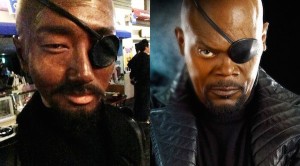
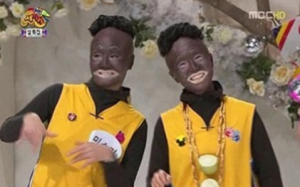
- The Blackface Controversy (Ongoing): Various idols, including members of Super Junior and other veteran groups, have faced backlash for using dark makeup to "parody" or "impersonate" Black celebrities. In 2013, Yesung of Super Junior faced criticism for a photo depicting him as Nick Fury, which many fans viewed as blackface.
- The Use of Slurs: In 2014 and 2015, several prominent rappers in the Korean scene, including Zico of Block B and solo artist San E, were criticized for using the "N-word" in lyrics or social media posts. While some fans defended these actions as "ignorance" of U.S. history, Black fans pointed out that in a digital age, such excuses were increasingly hollow.
- Appropriative Aesthetics: The 2015 release of 4Minute’s "Crazy" and Keith Ape’s "It G Ma" sparked intense debate. While "Crazy" was lauded for its energy, it was also criticized for using Black aesthetics—such as cornrows and stylized streetwear—as a "tough" or "edgy" costume. Similarly, Keith Ape was accused of "trap appropriation," mimicking the style of OG Maco without providing proper credit or understanding the cultural context of the subgenre.
- The Confederate Flag Incident: Periodic sightings of the Confederate flag in K-pop music videos or fashion shoots have caused outrage. Fans often point to Western artists like Kanye West, who used the flag as a provocative fashion statement, as a defense. However, Black fans argue that one artist’s controversial choice does not grant a universal license to use a symbol of systemic oppression.
Appreciation vs. Appropriation: Defining the Boundary
The distinction between appreciation and appropriation often boils down to research and respect. During a recent roundtable discussion among Black K-pop fans and critics, several key themes emerged regarding how idols can successfully navigate these waters.

True Appreciation:
Artists like RM (Rap Monster) of BTS have been cited as positive examples of appreciation. RM has frequently used his platform to recommend music by Black artists such as D’Angelo, Prince, and India Arie, encouraging his fanbase to explore the roots of the music he creates. This approach is seen as a way of "paying it forward" and acknowledging the source material. Furthermore, collaborations with Black producers and artists—such as John Legend’s performance at the Mnet Asian Music Awards (MAMA)—are viewed as mutually beneficial exchanges that validate the contributions of Black creators.
The "Costume" Problem:
Conversely, appropriation occurs when elements of Black culture—hair, dialect, or fashion—are used as a gimmick or a "concept" that can be discarded once the promotional cycle ends. Critics argue that when a group adopts a "hip-hop concept" only to pivot back to "pure pop" once they have achieved a certain level of "swag," it treats Black culture as a disposable tool for commercial gain.

Supporting Data: The Economic and Social Reality
The K-pop industry is currently a multi-billion dollar enterprise. According to the International Federation of the Phonographic Industry (IFPI), South Korea has consistently ranked among the top ten music markets globally. A significant portion of this growth is driven by international consumption, with the U.S. being a primary target.
Data from social media analytics suggests that the Black K-pop fandom is a highly engaged and vocal segment of the international audience. On platforms like Twitter and Tumblr, Black fans often lead the charge in translating lyrics, organizing streaming parties, and, crucially, calling out problematic behavior. Despite this, Black fans frequently report feeling invisible within the broader fandom. In fan-generated content, such as "reader-insert" fanfiction, the physical characteristics of Black women are rarely represented, reinforcing a "lovey-dovey illusion" that excludes those who do not fit Eurocentric or East Asian beauty standards.
Official Responses and Industry Accountability
The response from South Korean entertainment agencies has been varied. In some instances, companies have demonstrated a willingness to learn. Seven Seasons, the agency for Block B, has been noted for responding positively to international fans who reached out to educate them on the history of racial slurs and "black style" impressions.
However, a "let it slide" mentality remains prevalent among a large portion of the non-Black fandom. Critics argue that this passive-aggressive dismissal—labeling Black fans as "fake outraged"—is a form of marginalization. By suggesting that idols are "too ignorant" to learn, these defenders inadvertently insult the intelligence of the artists they claim to support. As one critic noted, if an idol is smart enough to learn complex choreography and multiple languages, they are smart enough to understand basic cultural history.

Broader Impact and Future Implications
The tension between Black culture and K-pop is a microcosm of global cultural exchange in the 21st century. For K-pop to achieve a sustainable and respected presence in the West, it must move beyond imitation.
The Need for Cultural Competency:
As agencies like SM, YG, and HYBE (formerly Big Hit) establish offices in the U.S. and collaborate with Western labels, the need for cultural competency training is paramount. This involves hiring diverse staff who can vet concepts, lyrics, and styling before they reach a global audience.

The "Impress Us" Standard:
For non-Black rappers in the K-pop scene, there is an unspoken "Impress Us" sign. Because hip-hop is rooted in the Black American experience of struggle and resistance, those who adopt the genre must prove their authenticity. This does not mean they must have the same life experiences, but they must show a mastery of the craft and a respect for its pioneers, such as Tiger JK and Tasha Reid (Yoon Mi-rae) in the Korean domestic scene.
The Kaleidoscope of Music:
Ultimately, the beauty of music lies in its ability to bridge cultures. As K-pop fans often point out, the genre has allowed them to learn new languages, try new foods, and appreciate Asian artistry that is often underrepresented in Western media. For this relationship to flourish, it must be built on a foundation of mutual respect. Black fans are not asking for K-pop to stop using hip-hop or R&B; they are asking for the industry to respect the roots of the music that has made it a global powerhouse.
As the Hallyu wave continues to crest, the industry stands at a crossroads. It can continue to treat culture as a costume, or it can embrace a more informed, inclusive, and respectful approach to global entertainment. For the "kaleidoscope of colors" in music to truly shine, every color must be seen, heard, and respected.
Related News