A Comprehensive Guide to Navigating the Complexity of Global K-pop Fandom Structures and Community Dynamics
Article Editorial Team
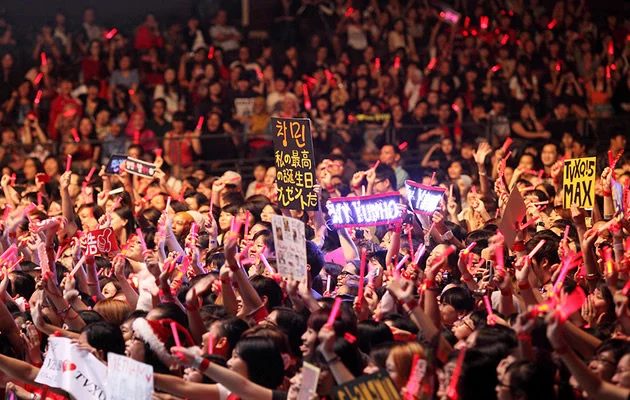
The global phenomenon of South Korean popular music, widely known as K-pop, is characterized not only by its highly produced audiovisual content but also by its exceptionally organized and stratified fan culture. For new observers, the transition from being a casual listener to an active participant in the community involves navigating a sophisticated social ecosystem. Unlike Western music fandoms, which often operate as loose affiliations of enthusiasts, K-pop fandoms are structured hierarchies with specific nomenclatures, behavioral codes, and varying levels of institutional recognition. Understanding these dynamics is essential for comprehending how the Korean music industry has achieved unprecedented levels of consumer loyalty and international market penetration.
The Hierarchical Structure of K-pop Fan Identity
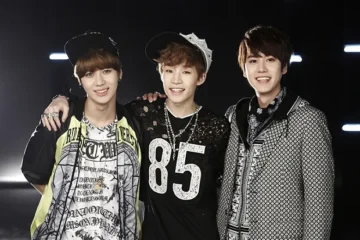
The entry point for most individuals into the K-pop ecosystem is the selection of a "bias." In industry terminology, a bias refers to a fan’s favorite member within a specific idol group. This choice often dictates the fan’s primary focus within the community. However, the identification process does not end there. A fan may belong to a broader group fandom—such as being a "Shawol" for the group SHINee—and further specialize as a "Taemint" if their bias is the member Taemin.
This intricate division system creates a multi-layered identity. While the overarching category is "K-pop fan," the internal politics of these groups can be intense. Conflict often arises between "solo stans" (those who support only one member) and "OT" fans (from "One True," referring to those who support the group in its entirety, such as "OT5" for a five-member group). These sub-fandoms function as micro-communities, each with its own social media hubs, internal slang, and specific projects.
Historical Evolution of Fan Organizations
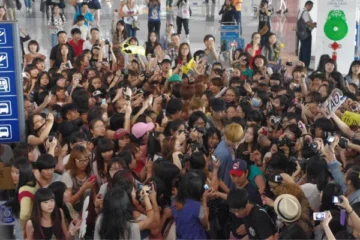
The current state of K-pop fandom is the result of three decades of evolution, beginning with the "First Generation" of idols in the mid-1990s. Groups like H.O.T. and Sechs Kies established the foundational elements of the culture, including representative fandom colors and organized cheering. During this era, fans physically gathered at music stations, wearing identical raincoats and carrying balloons in their group’s official color to demonstrate visual dominance in the stands.
As the industry moved into the "Second Generation" (mid-2000s to early 2010s), the focus shifted to digital organization. The emergence of Daum and Naver "Fan Cafes" allowed entertainment agencies to centralize their fanbases. This era also saw the formalization of the "Official Fan Club" system, where fans paid annual dues in exchange for membership cards, exclusive merchandise, and priority access to concert tickets.

The "Third and Fourth Generations" (2012–present) have been defined by globalization. The rise of social media platforms like Twitter (now X), Tumblr, and TikTok decentralized fan activity, moving it away from Korean-centric portals and into a global digital diaspora. This shift necessitated a change in how agencies interact with fans, leading to the development of proprietary communication apps like Weverse and Bubble.
Official vs. International Fandom Dynamics
A significant divide exists between the "official" fandom experience, primarily centered in South Korea, and the "international" experience. For a fan to be considered "official," they must typically join a group’s official fan cafe or a paid membership tier on a global platform.
The Official Fan Cafe System
The official fan cafe (Fancafe) is a web-based community hosted on Korean portals like Daum. These are often moderated by the entertainment agencies themselves. Participation levels are tiered:

- Associate Member: Entry-level access with limited viewing rights.
- Regular Member: Achieved by answering specific trivia questions about the artists to prove "loyalty."
- Excellent/VIP Member: Often reserved for those who have purchased official memberships or verified album purchases.
For international fans, the official fan cafe remains a difficult barrier due to the language requirement and the need for a Korean phone number or i-PIN for identity verification. Despite these hurdles, being an official member is often the only way to secure "pre-sale" tickets for concerts in Seoul or to gain entry to weekly music show recordings like Mnet’s M Countdown or SBS’s Inkigayo.
International Fan Sites and Digital Communities
To bridge the gap, international fans have created their own robust infrastructure. Independent fan sites—often run by volunteer "admins"—act as news aggregators, translation hubs, and project coordinators. These groups are responsible for "fan-subbing" (adding subtitles to Korean video content) and translating social media posts in real-time, services that were historically neglected by agencies but were crucial for the genre’s global expansion.
Economic Impact and Mobilization Data
The organizational power of K-pop fandoms translates into significant economic and social influence. According to data from the Hyundai Research Institute, the "BTS effect" alone was estimated to contribute over $3.6 billion annually to the South Korean economy during the group’s peak activity years. This economic impact is driven by highly coordinated fan behaviors:

- Mass Streaming and Voting: Fandoms organize "streaming parties" to ensure their artists debut at the top of charts like Billboard or the Circle Chart (formerly Gaon). This involves meticulously scheduled playlists designed to maximize algorithm visibility.
- Philanthropy and Rice Wreaths: K-pop fans have pioneered a unique form of celebrity-driven charity. Instead of traditional flowers, fans send "rice wreaths" to press conferences and concerts. These consist of large floral arrangements adorned with bags of rice, which are later donated to local charities in the artist’s name. In 2013 alone, SHINee fans reportedly donated over 10 tons of rice for a single event.
- Bulk Buying: To support their artists’ first-week sales figures, fans often engage in bulk purchasing of physical albums. While this has raised environmental concerns, it remains a primary metric of a fandom’s strength and "purchasing power."
The Complexity of Fandom Politics
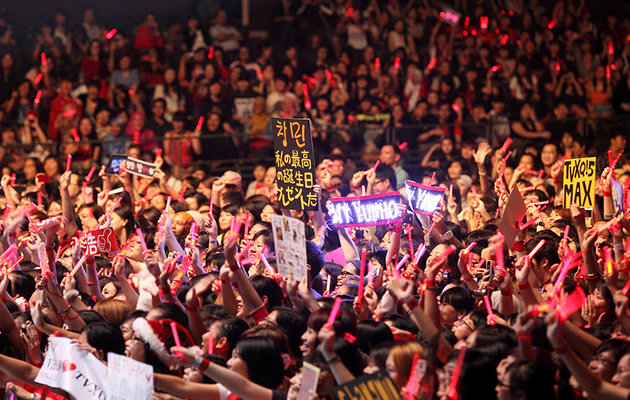
With high levels of devotion comes the inevitability of internal and external conflict. "Fan-wars" are a recurring feature of the K-pop landscape, often sparked by competition for year-end awards (Daesangs) or perceived slights between groups. These conflicts can range from social media arguments to the "Black Ocean"—a coordinated protest where fans turn off their lightsticks during a rival group’s performance to show a lack of support.
Furthermore, the industry must navigate the "Sasaeng" phenomenon—extreme fans who engage in stalking and privacy violations. Major agencies like SM Entertainment and HYBE have increasingly taken legal action against such individuals, reflecting a shift in the industry toward protecting artist well-being over unconditional fan appeasement.
Technological Shifts and the Future of Engagement
The landscape of K-pop fandom is currently undergoing its most significant transformation since the advent of the internet. The "Platform Era" has seen agencies move away from third-party sites to create "super-apps."

- Weverse (HYBE): A centralized hub that combines social media, merchandise stores, and live-streaming. It allows artists to post directly to fans, bypassing traditional media.
- DearU Bubble (SM/JYP): A subscription-based service where fans pay a monthly fee to receive "private" messages from idols in a chat-like interface. This has commodified the feeling of one-on-one intimacy, a hallmark of the "parasocial relationship" that defines K-pop success.
These platforms have effectively erased the geographical boundaries that once separated Korean and international fans. However, they have also intensified the "pay-to-play" nature of the hobby, where the most dedicated experiences are locked behind various subscription models.
Conclusion: The Cultural Significance of the K-pop Fan
In the final analysis, being a K-pop fan is an active rather than a passive pursuit. Whether through editing photos, writing fan fiction, translating content, or organizing large-scale charitable donations, fans are co-creators of the artist’s brand and global reach. The labels of "Shawol," "BLINK," or "ARMY" represent more than just a preference in music; they denote membership in a sophisticated, globalized community that operates with the efficiency of a multinational corporation.
While the intricacies of fan chants, official colors, and cafe rankings may seem overwhelming to the uninitiated, they are the mechanisms that sustain the industry’s longevity. In an era of fragmented media consumption, the K-pop fandom model stands as the gold standard for building a dedicated, resilient, and economically powerful audience. Ultimately, the strength of the community lies in the emotional connection between the fan and the artist—a bond that transcends language barriers and geographical borders to create a truly global cultural movement.
Related News