The 46th Golden Cinematography Awards, held on June 8, 2026, at the CG Art Hall in Seoul, was intended to be a night of celebration for one of South Korea’s most enduring cinematic icons. Son Ye Jin, often referred to as the "Nation’s First Love" and a titan of the Hallyu wave, arrived at the prestigious event to accept one of the evening’s highest honors. However, the discourse surrounding her appearance quickly shifted from her professional achievements to a heated debate regarding her red carpet styling. While the actress’s natural beauty remained a point of consensus, a significant portion of her domestic and international fanbase expressed vocal dissatisfaction with her wardrobe, hair, and makeup, leading to allegations that the actress’s styling team may be "sabotaging" her visual potential.
The Golden Cinematography Awards, an event organized by the Korean Society of Cinematographers since 1977, is known for its focus on the technical and aesthetic merits of filmmaking. Unlike other ceremonies that prioritize popularity, this event is judged by the cinematographers themselves, making a win here a mark of high professional regard. Son Ye Jin attended the 46th edition as a frontrunner for her performance in the critically acclaimed film No Other Choice. Despite the gravity of the occasion, the immediate social media reaction focused on the perceived disconnect between the actress’s stature and her aesthetic presentation.

Detailed Breakdown of the Red Carpet Appearance
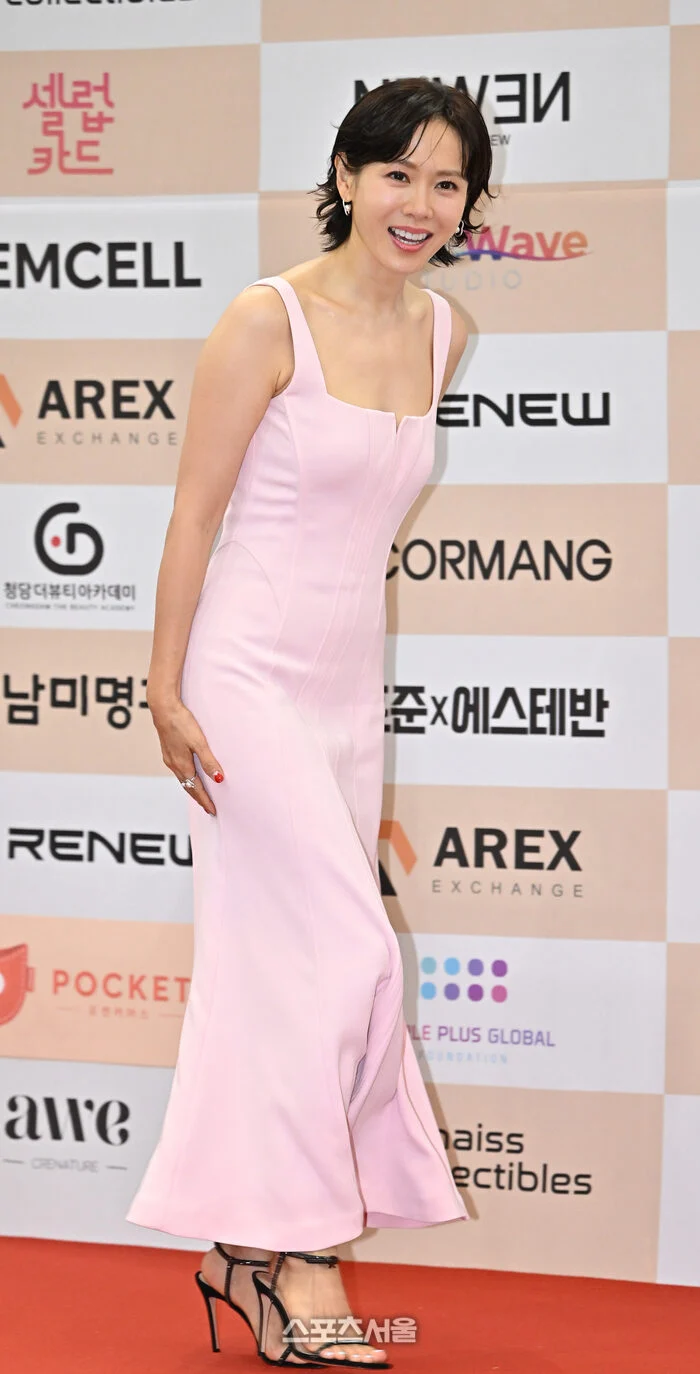
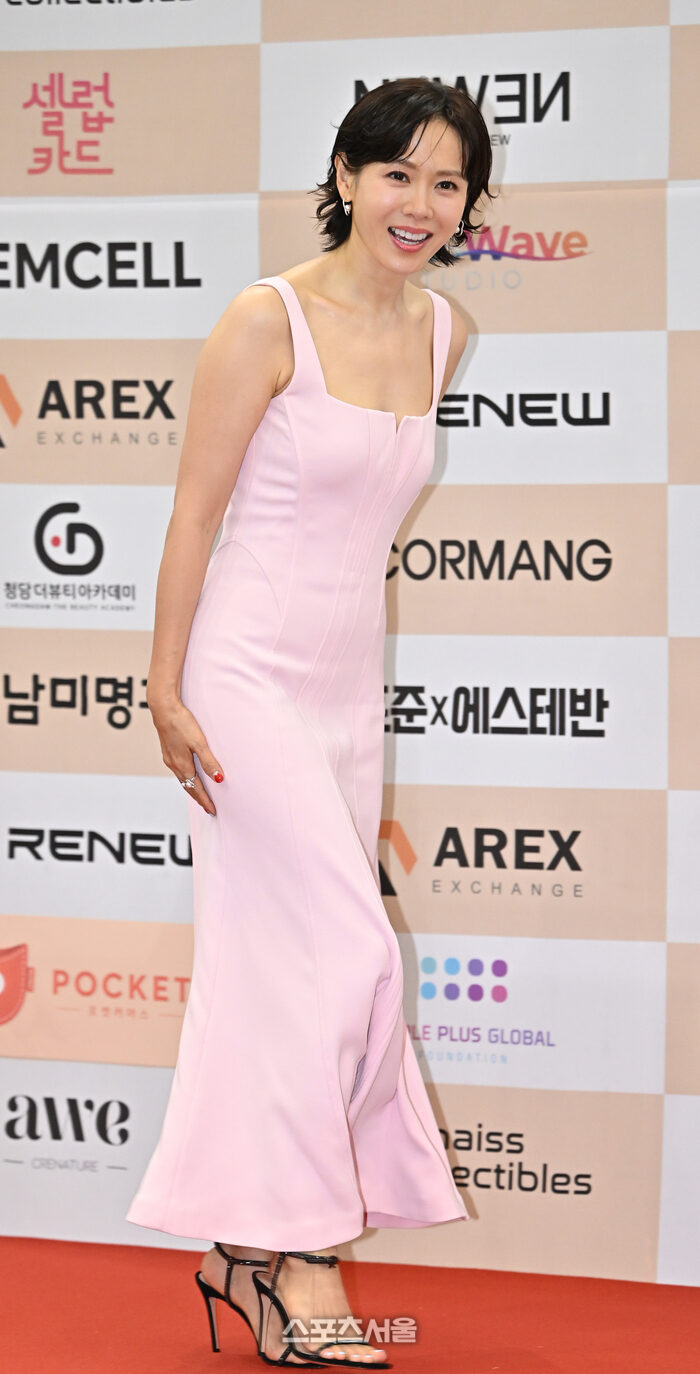
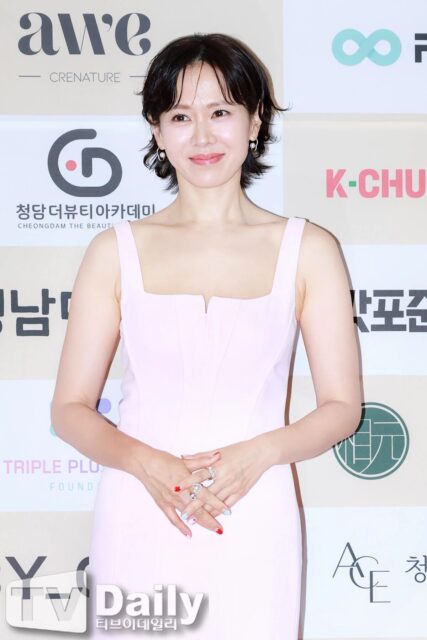
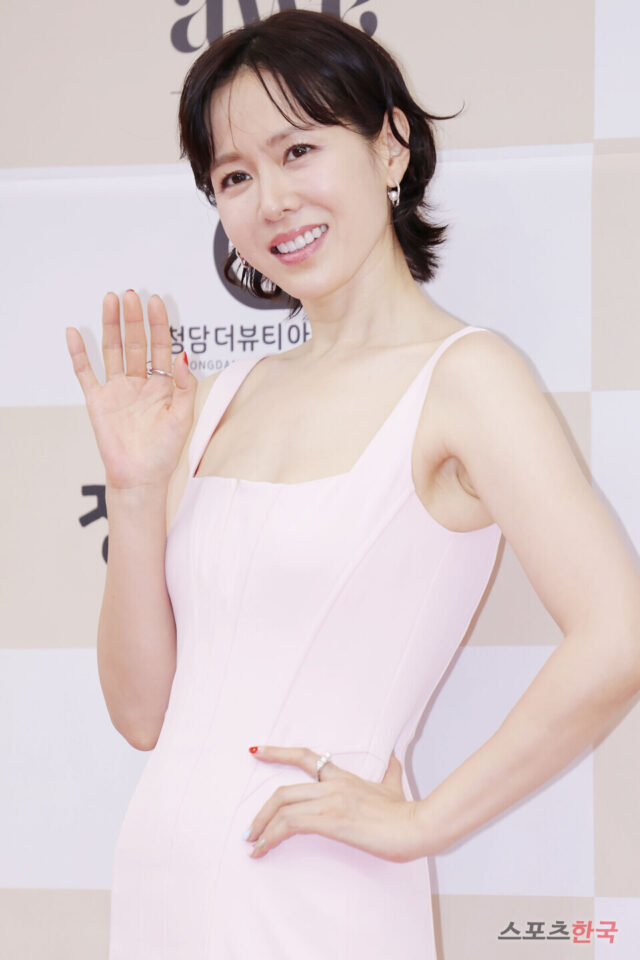
Son Ye Jin opted for a light pink, sleeveless floor-length gown. The dress featured a minimalist silhouette with a soft, pastel hue intended to evoke her signature image of elegance and innocence. On paper, the choice aligned with the "melo-queen" persona she has cultivated over a career spanning more than two decades. However, as high-resolution photographs from the press wall began to circulate, netizens pointed out several elements that they deemed "tacky" or "dated."
The primary point of contention was the footwear. Stylists typically pair light, ethereal fabrics like the pale pink silk of Son’s dress with nude, silver, or matching tonal heels to maintain a continuous visual line. Instead, Son was styled with heavy black pointed-toe heels. Fashion critics and fans alike noted that the stark contrast of the black shoes "cut" the silhouette, creating a jarring visual break that detracted from the flow of the gown.
Furthermore, the hairstyle drew comparisons to the "wind-swept" or "shaggy" layered trends prevalent in the early 2000s. While retro aesthetics have seen a resurgence in recent years under the "Y2K" banner, fans argued that this specific iteration did not suit the formal nature of the Golden Cinematography Awards. The layers appeared unpolished in the flash of the cameras, leading to comments that the style looked "disheveled" rather than "intentionally messy." Additionally, observers noted that her nail art—a darker, more saturated tone—clashed with the delicate palette of the dress, further fueling the narrative of a lack of coordination within her styling team.

The "Sabotage" Narrative and Fan Reaction
In the ecosystem of Korean entertainment, the relationship between a top-tier star and their "cordi" (stylist) is often scrutinized. When a beloved actress appears in an outfit that is perceived as subpar, fans frequently use the term "sabotage" to express their frustration with the management agency or the specific styling staff. This sentiment stems from the belief that a star of Son Ye Jin’s caliber should have access to the finest couture and the most skilled artisans in the industry.
Within hours of her appearance, online communities and social media platforms were flooded with critiques. On platforms such as the Korean forum theqoo and international sites like X (formerly Twitter), the sentiment was overwhelmingly protective. One widely shared comment lamented, "She is Son Ye Jin. Her face is doing all the work, but the clothes and hair are actively fighting against her." Another fan questioned the professional judgment of the team, asking, "Who decided on black shoes for a light pink dress? It feels like they aren’t even trying to highlight her best features."
This is not the first time a high-profile Korean actress has faced such a situation. Similar "styling controversies" have historically targeted the teams behind stars like Song Ji-hyo and Han So-hee, where fans went as far as sending protest trucks to agency headquarters to demand a change in staff. While the reaction to Son Ye Jin has not yet reached that level of organized protest, the intensity of the online discourse highlights the high stakes of red-carpet fashion in the modern Hallyu era.
Professional Triumph Amidst Aesthetic Criticism
Despite the noise surrounding her wardrobe, the evening was a definitive success for Son Ye Jin’s professional trajectory. She was awarded the Best Actress trophy for her role in No Other Choice, a film that marked her significant return to the big screen following a brief hiatus. The movie, directed by a renowned auteur, allowed Son to showcase a grittier, more complex side of her acting range, moving away from the romantic roles that defined her early career.
In her acceptance speech, Son Ye Jin remained poised and focused on the craft of cinema. She expressed her gratitude to the cinematographers who captured her performance, stating that the award was particularly meaningful because it came from the professionals who "see the actors through the lens most intimately." Her ability to command the stage and deliver a sophisticated speech served as a reminder that her professional legacy is built on talent and longevity, rather than transient fashion trends.
Analysis of Current Styling Trends in the Korean Film Industry
The criticism of Son Ye Jin’s look may be indicative of a broader tension within the industry between traditional elegance and the push for experimental styling. In recent years, many veteran actresses have attempted to modernize their images to appeal to a younger, global audience. This often involves taking risks with hair and makeup that deviate from the "classic" beauty standards of the 2000s and 2010s.
However, the "experimental" approach often fails when it lacks a cohesive vision. In Son Ye Jin’s case, the mismatch of the 2000s-era hair with a 2020s minimalist dress and mismatched accessories suggested a lack of a unified aesthetic direction. Industry insiders suggest that the pressure on stylists to create "viral" or "unique" looks can sometimes lead to over-styling or the forced inclusion of clashing elements.
Chronology of Son Ye Jin’s Style Evolution
To understand the fans’ disappointment, one must look at the timeline of Son Ye Jin’s public appearances:
- Early 2000s (The Classic Era): Defined by long, straight hair and extremely minimalist, "girl-next-door" styling. This established her as the benchmark for natural beauty in Korea.
- 2010s (The Award Show Veteran): Son became known for her "Goddess" looks, frequently wearing flowing white or champagne gowns from designers like Valentino and Jenny Packham. These looks were universally praised for their timelessness.
- 2020-2022 (The Global Icon): Following the success of Crash Landing on You, her style became more structured and high-fashion, reflecting her status as a global brand ambassador.
- 2026 (The Current Controversy): The shift toward more layered hair and experimental color blocking (pink and black) represents a departure from her established brand, which fans are currently struggling to embrace.
Broader Implications for Brand and Management
For an actress like Son Ye Jin, who maintains lucrative contracts with luxury fashion and beauty brands, public perception of her styling is not merely a matter of vanity—it is a business concern. Red carpet appearances serve as a live portfolio for potential brand collaborations. If the consensus remains that her styling team is failing to maximize her visual appeal, it could lead to internal shifts within her management agency, MSteam Entertainment.
Typically, when such controversies arise, agencies may issue a quiet statement or, more commonly, debut a "refreshed" look at the next public event to appease the fanbase. The "sabotage" narrative, while often hyperbolic, serves as a feedback loop that ensures management remains attentive to the star’s public image.
Conclusion
The 46th Golden Cinematography Awards will be remembered for two contrasting reasons: Son Ye Jin’s undeniable excellence as an actress and the polarizing fashion choices that overshadowed her arrival. While the "tacky" labels and "sabotage" accusations continue to trend, they ultimately underscore the immense level of public interest in every facet of her career. As Son Ye Jin continues to evolve in her fifth decade, the balance between honoring her classic image and exploring new aesthetic territories remains a delicate challenge for her creative team. For now, her Best Actress win stands as a testament to the fact that while a dress can be criticized, her contribution to Korean cinema remains beyond reproach.