
Choi Young-jae, globally recognized as a member of the prominent third-generation K-pop group GOT7, has ignited a significant controversy within the South Korean entertainment industry by publicly accusing a production company of failing to fulfill its financial obligations. Currently serving his mandatory military enlistment, the artist took to social media on June 9, 2026, to express his frustration over long-overdue appearance fees stemming from his participation in a high-profile musical production. The dispute involves Artone Company, the production house behind the musical Again Dream High, which concluded its run nearly a year ago.
The public nature of this grievance highlights a recurring issue within the South Korean arts and performance sector: the delayed or withheld payment of wages to performers, including established celebrities. Youngjae’s decision to "put the company on blast" serves as a rare instance of a high-profile idol using their platform to demand corporate accountability while actively serving in the military, a period during which idols typically maintain a lower public profile.
The Nature of the Dispute and Youngjae’s Statement
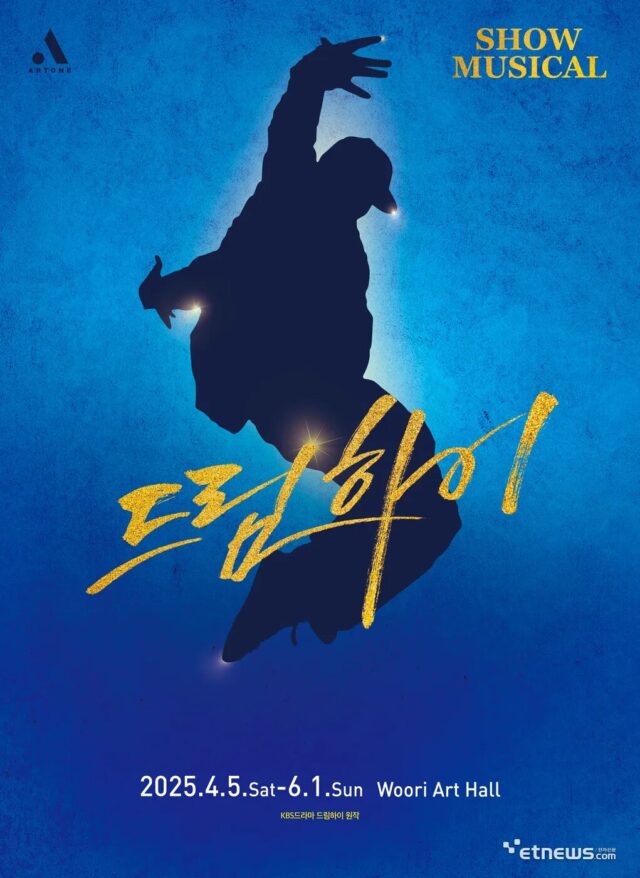
The conflict centers on the musical Again Dream High, a theatrical continuation of the immensely popular 2011 K-Drama Dream High. Youngjae was cast in a leading role, a move that was seen as a significant milestone in his career as a musical actor following his departure from JYP Entertainment and subsequent solo endeavors. The production ran during the spring of 2025 and officially concluded its performances in June 2025.

According to Youngjae’s detailed post on his personal Instagram account, the financial settlement for his work remains unresolved as of June 9, 2026—exactly one year after the production ended. The artist revealed a pattern of broken promises and stalling tactics employed by the production company. In his post, Youngjae expressed the emotional and professional toll the situation has taken on him.
"You said you would settle this by June 9, but it seems it still hasn’t been resolved even today," Youngjae wrote, addressing Artone Company directly. He detailed the repetitive nature of his interactions with the firm, noting that whenever he attempted to collect the money he was owed, he was met with the same dismissive response: "Didn’t I say I’d pay you? Please wait a little longer."
Youngjae further clarified that while some payments had been made, they represented only a fraction of the total amount agreed upon in his contract. He argued that these "small portions" do not constitute a settled account and criticized the company for using partial payments as a shield against claims of total non-payment. "By August, it will have been almost a full year without this being settled. At this point, it’s becoming very difficult," he added, emphasizing that his time, effort, and the grueling practice process should not be treated as "meaningless."
Chronology of Events: From Stage to Social Media
To understand the gravity of the situation, a timeline of Youngjae’s involvement with the production and the subsequent payment delays is essential:

- Spring 2025: Youngjae is cast in Again Dream High. The production generates significant buzz due to its connection to the original Dream High intellectual property and the inclusion of a popular third-generation idol.
- June 2025: The musical concludes its scheduled run. At this point, standard industry practice usually dictates that final appearance fees are settled within 30 to 90 days.
- Late 2025 – Early 2026: Youngjae begins his mandatory military service. During this period, communication regarding his professional accounts is handled through his representatives, yet promises of payment continue to be deferred.
- June 9, 2026: The specific deadline allegedly promised by Artone Company passes without the full balance being transferred.
- June 9, 2026 (Post-Deadline): Youngjae publishes his statement on Instagram, bringing the matter to the attention of his millions of followers and the domestic news media.
The timing of this public call-out is particularly poignant. By June 2026, the industry had expected the financial books for a mid-2025 production to be closed. The fact that an artist of Youngjae’s stature—who possesses a massive international fanbase and significant legal resources—is struggling to collect payment suggests deeper systemic issues within the production company’s liquidity or management.
Context: The Musical Industry and "Dream High" Legacy
Again Dream High was not a minor production. It was built on the legacy of a franchise that originally starred K-pop icons like IU, Suzy, and members of 2PM and T-ARA. For Artone Company to secure the rights to such a property suggests a production of considerable scale and investment.
In the South Korean musical theater industry, idols are often brought in to ensure ticket sales. Their "appearance fees" are significantly higher than those of traditional musical actors because they bring a guaranteed audience. However, the industry has a documented history of "pay disputes." Smaller or mid-sized production companies often operate on thin margins, relying on ticket revenue from one show to pay the expenses of the previous one. If a show underperforms or if there is financial mismanagement, the performers are often the last to be paid.
Youngjae’s frustration stems not just from the money itself, but from the perceived lack of respect for the labor involved. Musical theater requires months of intensive vocal training and choreography rehearsals, often more demanding than the preparation for a standard K-pop comeback.

Official Response and Corporate Silence
Following Youngjae’s public accusation, the spotlight shifted to Artone Company. As of the time of reporting, the company has not issued a formal press release or a counter-statement to address the specific allegations of unpaid wages. Instead, the company took the defensive measure of disabling the comment sections on its official social media platforms, including Instagram.
This move has been widely interpreted by fans and industry observers as an admission of the sensitivity of the situation. In the age of digital transparency, disabling comments is often seen as a temporary measure to stem the tide of public criticism, but it rarely resolves the underlying PR crisis.
Legal experts suggest that Youngjae’s public statement could be a precursor to a formal lawsuit. In South Korea, the non-payment of wages is a serious violation of labor standards, though entertainers are often classified as independent contractors rather than employees, which can complicate legal proceedings. However, the breach of a specific performance contract remains a clear-cut civil matter.
Broader Implications for the K-pop Industry
This incident resonates beyond Youngjae’s individual career. It touches upon several critical themes in the modern K-pop landscape:
1. The Vulnerability of Enlisted Idols
While idols are in the military, they are prohibited from engaging in for-profit activities. However, they are legally entitled to receive payments for work completed prior to their enlistment. Youngjae’s situation highlights how companies might take advantage of an artist’s absence from the public eye, assuming they will be less likely to cause a "scene" while in uniform.
2. The Power of Direct Communication
Youngjae’s decision to bypass a traditional agency statement and speak directly to fans illustrates the evolving power dynamic between idols and corporations. By going public, he has effectively utilized his "fandom power" to exert pressure on Artone Company that a private legal letter might not have achieved.
3. Systemic Financial Instability in Musicals
The South Korean musical market has seen explosive growth, but this growth has been uneven. There is a growing call for stricter regulations regarding how production companies manage their budgets and escrow accounts for performer salaries. If a star of Youngjae’s level can be denied payment for a year, it raises dire questions about the treatment of ensemble members and technical staff who lack his platform.
Fan Reaction and Support
The GOT7 fandom, known as iGOT7 or "Ahgase," has mobilized in support of Youngjae. On various social media platforms, fans have trended hashtags demanding that Artone Company fulfill its contractual obligations. The sentiment among the public is largely one of sympathy for the artist, with many noting that it is "shameful" for a company to withhold earnings from someone who worked hard to contribute to a production’s success.
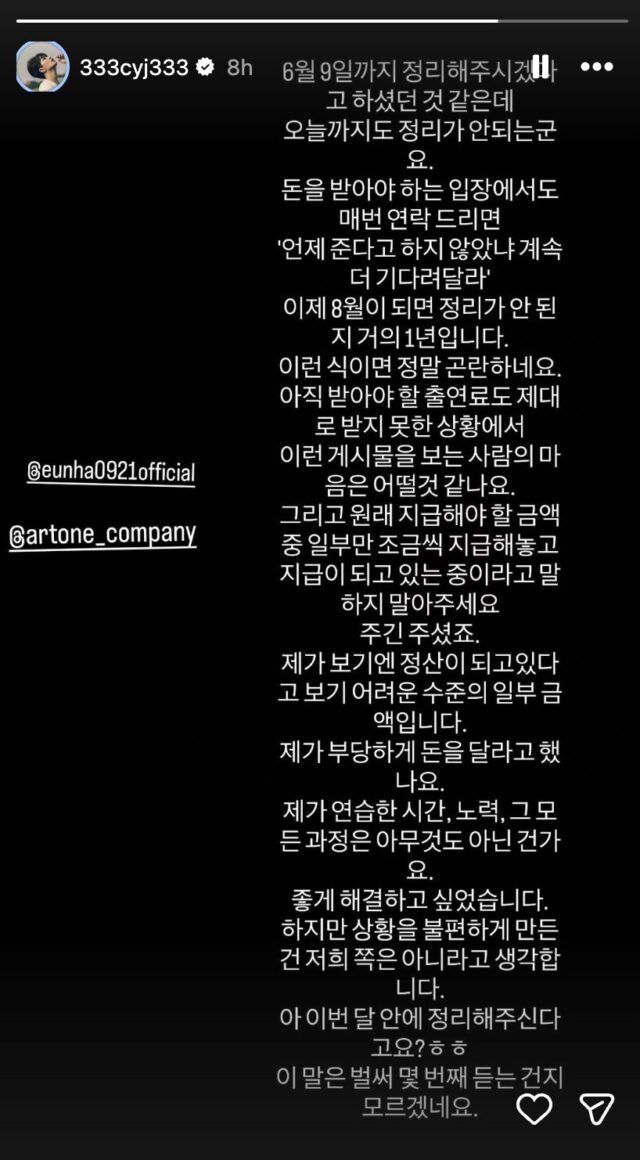
The phrase "Did I ask for money unfairly?" from Youngjae’s post has become a rallying cry for fans who argue that professional compensation is a basic right, not a favor to be granted at the company’s convenience.
Conclusion and Outlook
As the situation stands, Choi Young-jae remains in the military while his legal and professional representatives are expected to continue the pursuit of the outstanding fees. The "June 9" deadline has passed, and the ball is now in Artone Company’s court. Whether they will choose to settle the debt quietly or face a prolonged legal battle remains to be seen.
This case serves as a stark reminder that even the most successful figures in the "Hallyu" wave are not immune to the administrative and financial pitfalls of the entertainment business. As Youngjae himself noted, the effort and time invested by an artist are not "nothing," and the industry may be reaching a breaking point where such delays will no longer be tolerated in silence. For now, the K-pop community remains watchful, hoping for a resolution that respects the labor and talent of one of the 3rd generation’s most beloved vocalists.