BLACKPINK Jennie’s Governors Ball Performance Ignites "Lazy" Controversy Amidst Fan Backlash and Conflicting Crowd Reports
Article Editorial Team

BLACKPINK member Jennie Kim’s recent solo performance at the prestigious Governors Ball music festival in New York City has plunged her into a renewed wave of controversy, drawing criticism for what some attendees and online commentators have described as a "lazy" and low-energy stage presence. The backlash has been particularly amplified by accusations that even some of her own fans, known as BLINKs, have "shaded" the idol, adding a layer of internal conflict to the ongoing public scrutiny. This incident, which occurred on June 8, 2026, has reignited long-standing debates within the K-Pop community regarding idol performance standards, artist workload, and the relentless pressure from both fans and the general public.
The Governors Ball Performance: An Anticipated Solo Stage
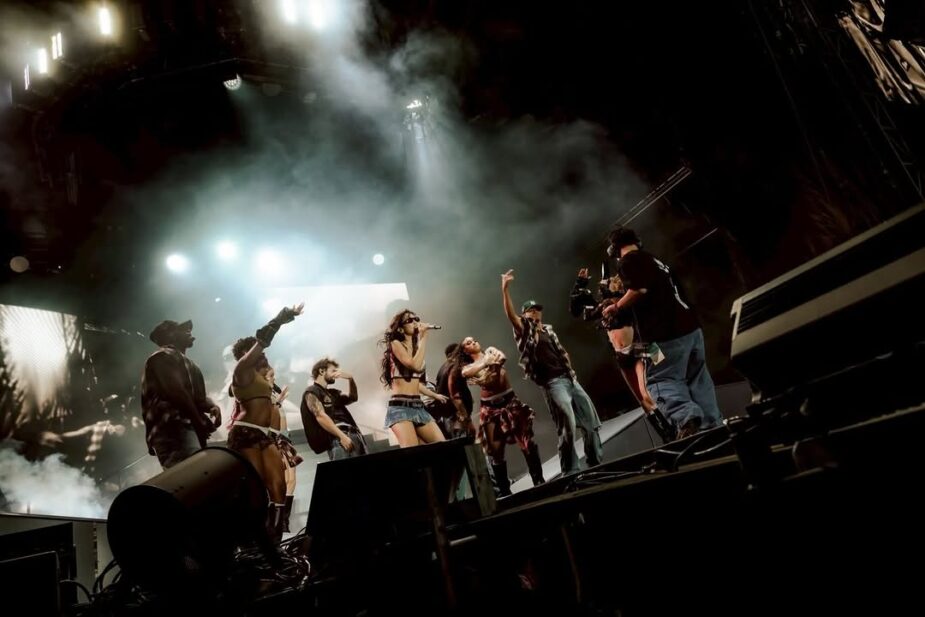
Jennie Kim, a global fashion icon and a core member of the immensely popular K-Pop girl group BLACKPINK, was a highly anticipated solo act at the 2026 Governors Ball. Her appearance marked a significant moment for her individual career, offering a platform to showcase her distinct artistry beyond the group’s dynamic. The Governors Ball, an annual multi-genre music festival held on Randall’s Island, New York City, is renowned for featuring a diverse lineup of established and emerging artists, attracting tens of thousands of music enthusiasts. For a K-Pop idol to secure a solo slot at such a prominent Western festival speaks volumes about their global reach and individual star power. Jennie’s setlist reportedly included her solo tracks and possibly some unreleased material, aiming to deliver a memorable experience to her international fanbase. Her previous solo outings, including her performance at Coachella with BLACKPINK and her own solo debut "SOLO," have always garnered significant attention, making this festival appearance a critical juncture for her burgeoning solo career.

The Genesis of the Controversy: "Lazy Performance" Accusations
The controversy began almost immediately after Jennie’s performance, with numerous short video clips and fan accounts circulating on social media platforms, particularly Twitter (now X) and TikTok. The central accusation revolved around her perceived lack of energy and engagement during certain segments of her set. Critics pointed to instances where Jennie appeared to deliver less strenuous choreography compared to her backup dancers, or where her vocal delivery seemed subdued. The term "lazy performance," which has unfortunately shadowed Jennie in previous instances, quickly resurfaced and gained traction.
One particular TikTok video, posted by an account associated with an "Asian Glow Podcast," went viral for interviewing audience members. While one interviewee notably expressed unfamiliarity with Jennie, the video also inadvertently captured reactions that many interpreted as "shading" from her own fanbase. Comments and replies across social media platforms echoed sentiments such as "not her own fans clowning her at the festival this is so embarrassing," and "Jennie is being shaded and dragged by her own fans after they claimed that she is lazy during her performances and she puts very little energy." These posts highlighted a concerning disconnect where even dedicated supporters felt compelled to vocalize their disappointment, rather than offer unconditional praise, which is often characteristic of K-Pop fandoms. The sentiment of embarrassment among some fans suggested a breach of expected performance quality from an idol of Jennie’s stature.
Conflicting Narratives: The Crowd Size Debate

Adding another layer to the controversy were conflicting reports and visual evidence regarding the crowd size at Jennie’s performance. Initial viral tweets and posts suggested a sparse attendance, with some users claiming that the turnout was disappointingly low. Phrases like "this girl can’t even hold up a crowd" and "No wonder she don’t make her own tour" circulated, attempting to undermine her individual popularity and drawing comparisons to her group’s massive stadium tours. These claims often featured wide-angle shots that, depending on the camera angle and timing, could indeed make a crowd appear smaller than it was.
However, counter-arguments quickly emerged, accompanied by alternative videos and photographs showcasing a substantial and enthusiastic crowd. These images depicted densely packed areas in front of the stage, indicating a strong presence of fans eager to witness her performance. Supporters shared posts like "Jennie’s crowd was INSANE," presenting a starkly different picture. This dichotomy in reporting highlights the subjective nature of visual evidence on social media and the ease with which narratives can be manipulated or misinterpreted. It also underscores the intense scrutiny and polarized opinions that often accompany high-profile K-Pop idols. While the exact numerical attendance remains unofficial, the visual evidence suggests that a significant number of people were present, even if the entire festival grounds weren’t uniformly packed.
Historical Context: Previous Performance Criticisms
This is not the first time Jennie has faced criticism regarding her stage presence. The "lazy performance" label first gained significant traction during BLACKPINK’s 2019 world tour and later intensified during their 2023 Coachella headlining performance. During these periods, some fans and general public members noted a perceived inconsistency in her energy levels compared to her fellow group members, or compared to the high-octane performances expected from K-Pop idols. These past incidents led to extensive online debates, with some defending Jennie by citing potential health issues, demanding schedules, or artistic choices, while others maintained that a top-tier idol should consistently deliver peak performance.
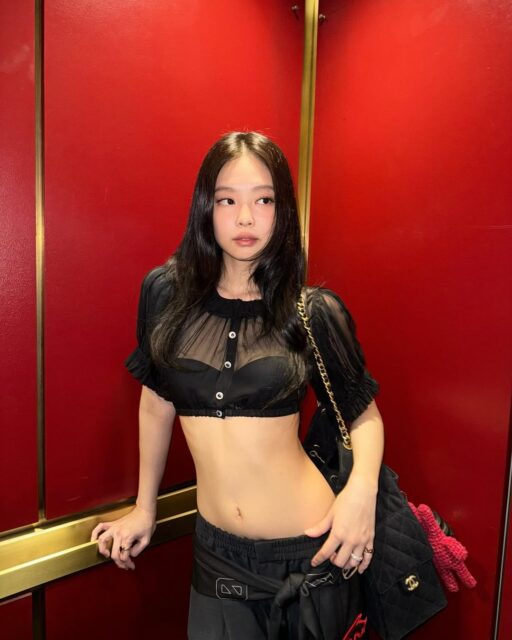
The recurrence of these criticisms indicates a persistent concern among a segment of the audience. While many idols experience fluctuations in performance due to various factors, the consistent nature of these particular criticisms directed at Jennie suggests a pattern that some find troubling. This history provides crucial context, demonstrating that the current Governors Ball incident is not an isolated event but rather a continuation of an ongoing narrative surrounding her individual stage delivery.
The Broader K-Pop Performance Standard Debate
The controversy surrounding Jennie’s Governors Ball performance opens a wider discussion about the rigorous standards and expectations placed upon K-Pop idols. The K-Pop industry is globally recognized for its meticulous training systems, synchronized choreography, live vocal prowess, and unwavering stage presence. Idols are expected to embody perfection, delivering high-energy, flawless performances consistently, often across demanding schedules that include international tours, promotions, and recording sessions.
This expectation often leads to a "damned if you do, damned if you don’t" situation for idols. If they perform with less intensity, they are accused of laziness or lack of professionalism. If they push themselves too hard, they risk injury or burnout, which also draws criticism or concern. The debate often involves questions of artistic freedom versus industry expectations. Is an idol always obligated to perform at 150% intensity, or should there be room for varied artistic expression and energy levels depending on the song or concept?
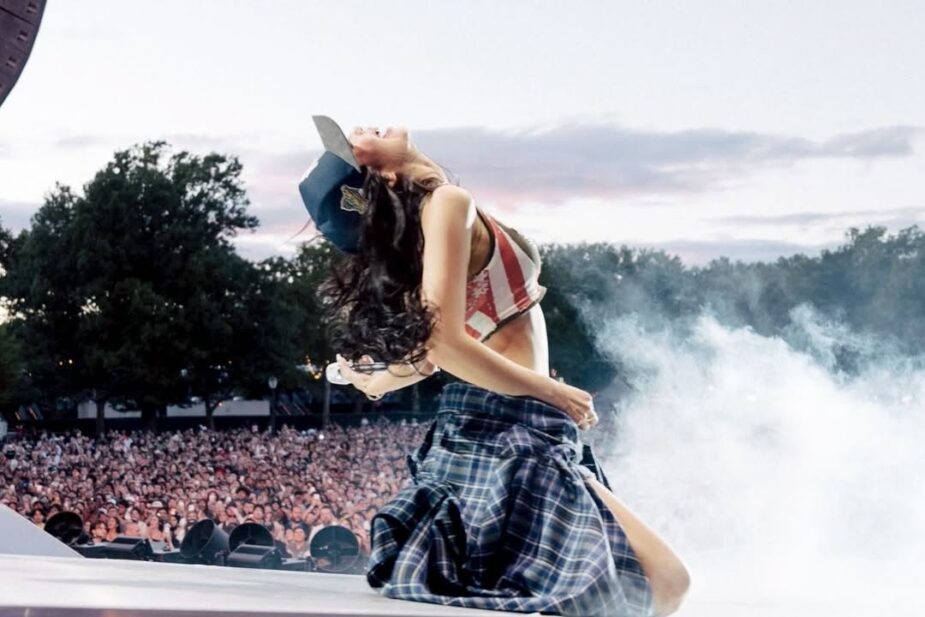
Furthermore, the physical toll of continuous performances cannot be understated. Idols are athletes as much as they are artists, and sustained high-energy output is physically demanding. Factors such as fatigue, jet lag, minor injuries, or even mental health can subtly impact a performance, which might then be misinterpreted as "laziness" by an audience unfamiliar with the behind-the-scenes realities. However, for a high-profile festival like Governors Ball, where artists are expected to deliver their best, any perceived dip in quality is likely to be scrutinized heavily.
Fan Reactions and Online Discourse: A Divided Fandom
The online discourse following the Governors Ball performance showcased a deeply divided fanbase. On one side, staunch defenders rallied around Jennie, dismissing the criticisms as malicious attacks from anti-fans or misunderstandings. They argued that her performance style is unique, that she brings a different kind of charisma, and that judging her based on a few short clips is unfair. Many pointed to her overall impact, her fashion influence, and her success as indicators that her star power transcends momentary performance critiques. They also highlighted the massive crowds visible in some videos as proof of her undeniable popularity.
On the other side, a segment of BLINKs expressed genuine disappointment, echoing the "lazy performance" sentiments. These fans, who often invest heavily emotionally and financially in their idols, feel entitled to a certain level of performance quality. Their criticism, while harsh, often stems from a place of high expectations and a desire to see their idol excel. The phrase "shading by her own fans" underscores this internal conflict, where the loyalty is unwavering but the critique is sincere. This internal fan critique is arguably more impactful than external criticism, as it suggests a failure to meet the standards set by those who support her most.

Beyond the fandom, the general public and K-Pop commentators weighed in, often with less emotional attachment but with critical eyes. Some expressed that, regardless of her fame, a professional performer should consistently deliver. Others questioned whether the intense scrutiny placed on K-Pop idols is healthy or sustainable, pointing out that Western artists are often afforded more leeway in their stage presence. The sheer volume of tweets and posts related to the controversy, with Jennie’s name trending globally, indicates the widespread interest and the polarizing nature of the topic.
Management’s Role and Artist Well-being
In the wake of such controversies, the role of artist management agencies like YG Entertainment (BLACKPINK’s agency) and ODDATELIER (Jennie’s personal label for solo activities) comes under scrutiny. These agencies are responsible for managing artist schedules, ensuring their well-being, and guiding their public image. The persistent nature of the "lazy performance" criticism raises questions about whether Jennie’s workload is appropriately managed, if she receives adequate rest, or if there’s an ongoing dialogue with her about performance consistency.
It is a delicate balance for agencies to push artists to achieve global stardom while safeguarding their physical and mental health. The demanding nature of the K-Pop industry can lead to burnout, and an idol’s perceived "laziness" could sometimes be a symptom of exhaustion rather than a lack of effort. However, agencies also have a responsibility to the public and to their artists’ brand reputation to ensure a certain standard of quality, especially when performing at high-profile international events. As of the time of reporting, neither YG Entertainment nor ODDATELIER has issued an official statement regarding the Governors Ball performance or the ensuing controversy.
Implications for Jennie’s Solo Career and BLACKPINK
The Governors Ball controversy, while potentially fleeting in the long run, could have several implications for Jennie’s solo career and, by extension, BLACKPINK’s reputation. For her solo brand, consistent criticisms of performance quality could erode trust among a segment of the audience and potentially impact future solo opportunities, endorsements, or tour prospects. In an industry where competition is fierce, maintaining an impeccable image and consistent performance quality is paramount.
For BLACKPINK, while the group’s overall success is monumental, individual member controversies can sometimes cast a shadow on the collective. The group has historically faced similar scrutiny regarding performance consistency across all members, though Jennie has often been the primary target. As BLACKPINK continues its global dominance, ensuring that all members are consistently perceived as top-tier performers is crucial for sustaining their legacy. This incident serves as a reminder of the immense pressure and constant public evaluation that global K-Pop superstars face.
In conclusion, Jennie’s Governors Ball performance has become a flashpoint for discussions on idol performance ethics, fan expectations, and the relentless scrutiny of public figures in the digital age. While her supporters continue to laud her undeniable charisma and global influence, the recurring "lazy performance" narrative and the surprising "shading" from some of her own fans indicate a complex challenge that Jennie and her management will need to address to ensure her sustained success and positive public image in the highly competitive world of K-Pop. The incident underscores the dynamic and often unforgiving relationship between K-Pop idols and their global audience, where every stage appearance is meticulously dissected and debated.
Related News