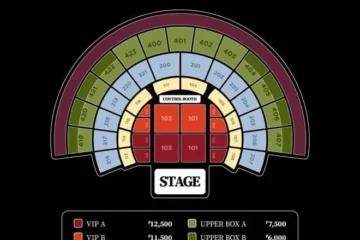
Organizational Failures Mar BTS Busan Concert, Sparking Widespread Fan Fury and Raising Concerns for Future Major Events
Article Editorial Team

The highly anticipated BTS concert in Busan, a pivotal event in the ongoing ARIRANG tour, was unfortunately marred by significant organizational failures before the show even commenced, igniting widespread anger and frustration among the devoted global fanbase, known as ARMY, and prompting critical questions regarding event management. Scheduled to begin at 7:00 PM Korea Standard Time (KST), thousands of attendees found themselves caught in chaotic queues, unable to enter the venue just minutes before the anticipated start, leading to considerable distress and a palpable sense of disappointment.
Chronology of a Chaotic Pre-Show
The evening’s events unfolded with mounting tension. As early as 6:50 PM KST, mere moments before the advertised curtain-up, social media platforms began to flood with videos and accounts from fans depicting vast, stagnant lines stretching outside the concert venue. Images and clips shared online showed dense crowds, with many fans expressing their disbelief and anxiety over the apparent lack of progress in entering the stadium. One fan, @PerrineBTS, posted a video illustrating the "insane" lines at 6:50 PM, highlighting the stress of the situation despite having already entered themselves. Another account, @btschartsxdaily, echoed these sentiments, observing "a lot of ARMYs outside the stadium right now! Oh god." The sentiment was clear: the pre-show experience was far from the smooth, celebratory atmosphere fans had envisioned.
Concerns quickly escalated as the clock ticked past 7:00 PM KST, the designated start time, with no clear communication from event staff or management regarding the delays. Fans reported that gates remained bottlenecks, with insufficient entry points or inefficient scanning procedures contributing to the backlog. The disorganization was particularly galling given the immense scale of BTS’s global following and the predictable demand for meticulous planning for an event of this magnitude.
BTS Members Acknowledge and Express Empathy

Adding a poignant layer to the unfolding situation, the members of BTS themselves became aware of the entry issues and took to the live stream chat to address their waiting fans. Their messages, while lighthearted in tone at times, subtly conveyed a shared sense of frustration and empathy for their audience. One chat message, attributed to various members but likely a collective sentiment, read, "Guys, the delay is insane cutely," followed by "I think it’s because there’s a lot of people attending." Further messages confirmed their readiness, stating, "We are waiting too, hope it starts soon," and revealing, "We had meditation time at 6 PM and we’ve been waiting to go up since then."
These comments, shared by accounts like @eternalhyyh, @yoongiptdass, and @ryuminating, provided a direct line of communication between the artists and their waiting fans. While the members maintained their characteristic professionalism and playful banter, their explicit mention of having been ready since 6 PM KST underscored that the delay was entirely beyond their control and likely as frustrating for them as it was for the audience. Fans interpreted these messages as a clear indication that BTS was not pleased with the management of the event, with one user, @parkainhoa13, commenting, "They apologized multiple times and this is not even their fault, management is being a mess and it’s been an hour… Hope they are not harsh on themselves and and that Busan gets his sh*t together." Another, @thvchapters, simply stated, "35 minutes delay… oh I know they are MAD."
The Broader Context: BTS’s Global Stature and Busan’s Aspirations
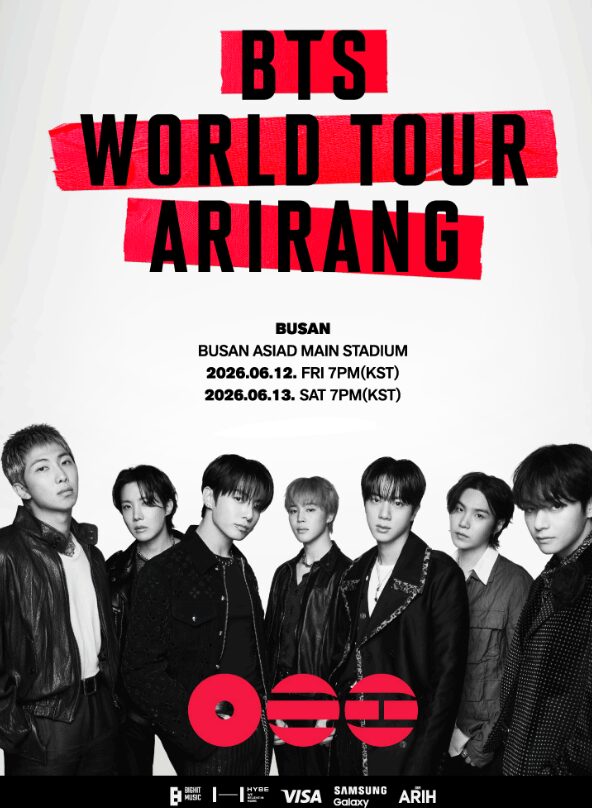
This concert, part of the significant ARIRANG tour, was not merely another stop for BTS; it represented a major cultural moment for Busan, a city with grand ambitions on the international stage. BTS, a global phenomenon, commands an unparalleled level of devotion from its fanbase, ARMY, which numbers in the tens of millions worldwide. Their concerts are typically sell-out events, drawing attendees from every corner of the globe, making them massive logistical undertakings. The group’s influence extends far beyond music, impacting tourism, culture, and national branding for South Korea.
Busan itself has been actively working to elevate its international profile, famously bidding to host the World Expo 2030 and regularly seeking to attract large-scale international events. Hosting a BTS concert, especially one under the "ARIRANG tour" banner, which often implies a celebration of Korean culture and heritage, was an opportunity for the city to showcase its capabilities as a premier global event destination. Therefore, the organizational shortcomings witnessed at this concert carry implications beyond just a single delayed show; they reflect on Busan’s capacity to manage large international gatherings and its image on the global stage.
Analysis of Organizational Shortcomings
The issues reported by fans extended beyond just slow entry. Accounts like that from @Loli_Seok described a general "worst organization by staff I’ve ever seen," detailing confusing venue layouts, illogical pathways, and inefficient processes for basic activities like merchandise pickup. This suggests a systemic failure in event planning and execution, rather than an isolated glitch.
Several factors could contribute to such widespread disorganization:
- Inadequate Staffing and Training: A lack of sufficient personnel, particularly at critical entry points, or staff who are poorly trained in crowd management and emergency protocols, can quickly lead to chaos.
- Insufficient Infrastructure Planning: The venue’s design and the allocated entry/exit points might have been inadequate for the anticipated crowd size, or the flow management plan was poorly conceived.
- Communication Breakdown: A failure to communicate effectively between event organizers, security, and the public can exacerbate issues. The absence of clear signage, public address announcements, or real-time updates left fans confused and frustrated.
- Underestimation of Fan Numbers and Enthusiasm: Despite BTS’s well-documented popularity, organizers may have underestimated the sheer volume of attendees and the associated logistical challenges.
- Lack of Contingency Planning: Large events require robust contingency plans for unforeseen circumstances. The inability to adapt quickly to entry delays suggests a lack of such preparedness.
One fan, @btschartsxdaily, highlighted a previous "controversy where they tried to blame BTS" and "took credit for projects that weren’t even theirs," suggesting a history of mismanagement and accountability issues with the "Busan organization." This historical context further underscores the gravity of the current incident, indicating a recurring pattern rather than an isolated mistake.
Fan Sentiment and Broader Implications
The collective anger from ARMY was not merely about a delayed start; it encompassed concerns for safety, comfort, and the overall experience that fans had traveled far and wide to enjoy. Many expressed worry about potential stampedes or other safety hazards in the dense, unmoving crowds. The dedication of BTS fans, often involving significant financial and personal sacrifices to attend concerts, makes the impact of such disorganization particularly acute. A compromised fan experience can erode trust in event organizers and even reflect negatively on the host city.
Beyond the immediate frustration, the incident carries several broader implications:
- Reputational Damage: For Busan, hosting a globally renowned act like BTS is a double-edged sword. A successful event burnishes its image, but a poorly managed one can inflict significant reputational damage, especially when international media and millions of fans are watching. This could hinder future bids for major events.
- Economic Impact: While the concert itself brings revenue, negative publicity can deter future tourism and event participation, potentially impacting the city’s long-term economic aspirations.
- Organizer Accountability: The incident puts pressure on the responsible event organizers and local authorities to provide a transparent explanation and outline corrective measures. A failure to do so could lead to calls for greater oversight and regulation of large-scale events.
- Artist-Fan Relationship: While BTS members handled the situation with grace, such incidents can place an undue burden on artists to mitigate fan dissatisfaction, even when the issues are beyond their control. Their public empathy for fans highlights their commitment, but also exposes the organizational gaps.
Moving Forward: Lessons for Future Events
The issues at the Busan concert serve as a critical reminder of the complexities inherent in organizing large-scale international events, particularly those involving artists with a colossal global following like BTS. It underscores the absolute necessity for meticulous planning, robust infrastructure, adequate staffing, clear communication protocols, and comprehensive contingency strategies.
For Busan and other cities aspiring to host major cultural and entertainment spectacles, this incident provides valuable, albeit costly, lessons. Future events will undoubtedly require:
- Enhanced Crowd Management Systems: Implementing advanced technologies for ticket scanning, clear queueing systems, and dynamic crowd flow management.
- Increased Staffing and Training: Ensuring a sufficient number of well-trained personnel, including security, ushers, and medical staff, who are familiar with emergency procedures.
- Transparent Communication: Establishing clear channels for real-time updates to attendees, both before and during the event, to manage expectations and address issues promptly.
- Pre-Event Simulation and Risk Assessment: Conducting thorough simulations of crowd movement and potential bottlenecks to identify and mitigate risks before the event day.
- Collaboration and Accountability: Fostering seamless collaboration between all stakeholders—venue management, concert promoters, local authorities, and artist agencies—with clear lines of responsibility and accountability.
While the BTS Busan concert ultimately proceeded, the pre-show chaos cast a shadow over what should have been a purely celebratory occasion. The incident highlights the critical need for event organizers to prioritize fan safety and experience, ensuring that the magic of live performance is not overshadowed by preventable logistical failures. The global spotlight on BTS means that any misstep is magnified, making excellence in execution not just desirable, but essential.
Related News