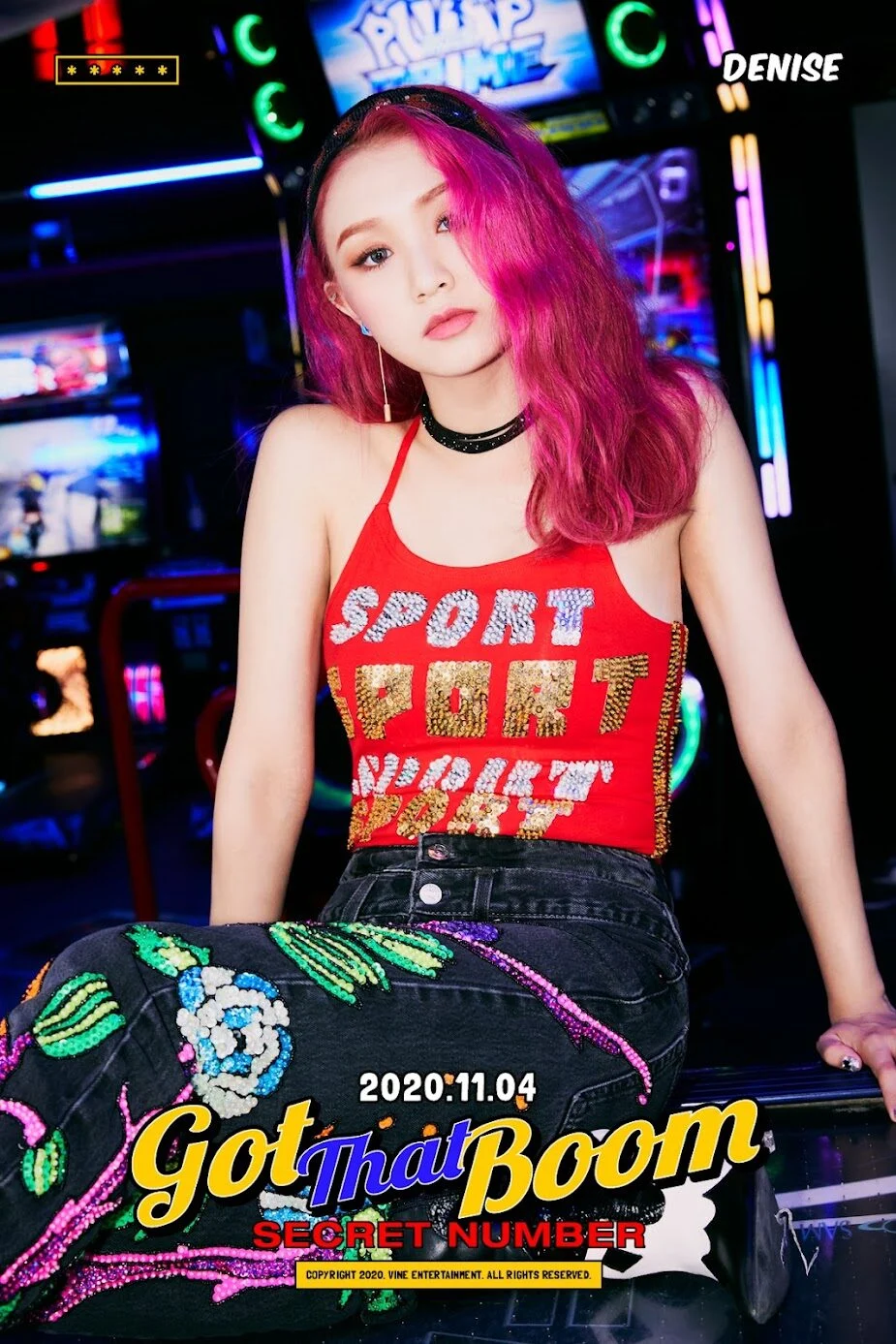
The rigorous world of K-Pop often presents a glamorous facade, but beneath the polished performances and meticulously crafted images lies an intense environment where idols navigate extraordinary pressures, including the natural biological processes that are rarely acknowledged publicly. One such candid revelation came from former SECRET NUMBER member Denise, who recently shared a personal anecdote that sheds light on the often-overlooked struggles female idols endure, particularly concerning menstruation and its impact on their demanding schedules and public appearances. Her account vividly illustrates the swift, discreet crisis management required behind the scenes and underscores the broader conversation about idol welfare and destigmatizing natural bodily functions within the entertainment industry.
The Unseen Pressures of K-Pop: A Reality for Female Idols
K-Pop idols are subjected to an unrelenting regimen of training, recording, rehearsing, and promoting, leaving little room for personal well-being or rest. For female idols, this demanding lifestyle is compounded by monthly menstrual cycles, which can bring a range of physical discomforts, from debilitating cramps and fatigue to bloating and mood fluctuations. Despite these physiological realities, the industry’s expectation for continuous performance and an impeccable public image often means that idols cannot afford to take breaks or receive special accommodations, even when experiencing severe symptoms. Styling choices, dictated by group concepts and promotional aesthetics, frequently disregard practicality or comfort, sometimes requiring idols to wear light-colored or revealing outfits that present significant challenges during menstruation. This inherent conflict between professional demands and biological realities creates a constant source of stress and vulnerability for female performers.
A Day in the Life: Denise’s Account of a Tense Promotion Schedule
Denise’s recounting of a particular incident during her time with SECRET NUMBER offers a granular look into these pressures. The scene was set during a period of active music show promotions, a phase characterized by intense schedules, back-to-back performances, and minimal rest. Music shows are pivotal for K-Pop groups, serving as primary platforms to showcase new releases, engage with fans, and compete for weekly awards. These events typically involve multiple rehearsals, pre-recordings, and live broadcasts, often stretching across an entire day. Idols are expected to maintain peak energy and flawless appearances throughout, despite the physical and mental exhaustion.
Denise described the palpable fatigue that permeated the atmosphere among the group members. "Everyone was exhausted, so obviously, any chance we got, we were sleeping," she recollected, emphasizing the pervasive need for rest in any available downtime. On the day of the incident, after their initial performance, the group found themselves with a brief interlude before returning to the stage for the highly anticipated ending shot, where the week’s winner would be announced. Seizing the opportunity, Denise, like her fellow members, succumbed to exhaustion. "I was knocked out on this couch, absolutely just gone," she shared, painting a clear picture of the profound weariness inherent in their promotional cycles.
The Incident: A Stylist’s Quick Thinking Averts a Crisis
The crucial element of the day’s styling was a white skirt – a seemingly innocuous choice that, for a female idol on her period, can become a source of immense anxiety. Denise confirmed she was, indeed, menstruating on that particular day. After approximately an hour of deep sleep, she began to stir, preparing to have her hair and makeup retouched for the final stage appearance. It was at this moment, as she stood up, that the gravity of the situation became apparent, initially to her stylist.
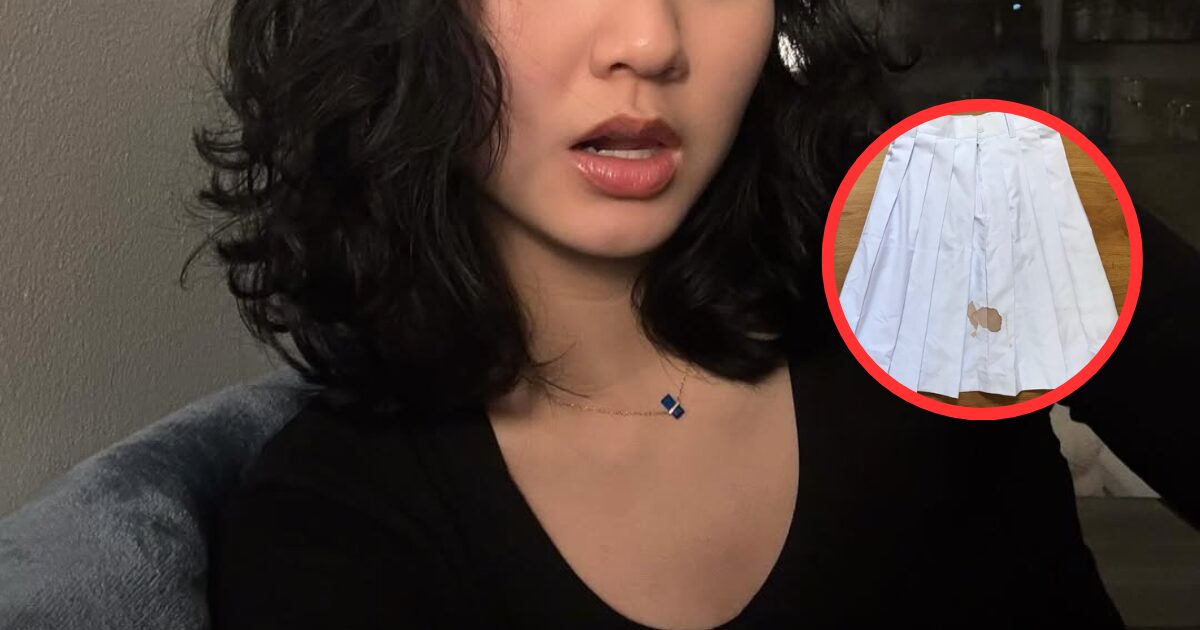
Denise recalled hearing a sharp gasp, followed by her stylist approaching her from behind. What she initially perceived as a casual, affectionate gesture – "She comes, and she just like hugs me from the back to which I was kind of like… Oh, you know, cute" – quickly transformed into an urgent and discreet intervention. The stylist’s tone shifted, conveying a sense of quiet alarm: "But then she goes, ‘Denise, let’s go to the bathroom.’" The immediate need for privacy and the stylist’s controlled demeanor signaled to Denise that something was amiss.
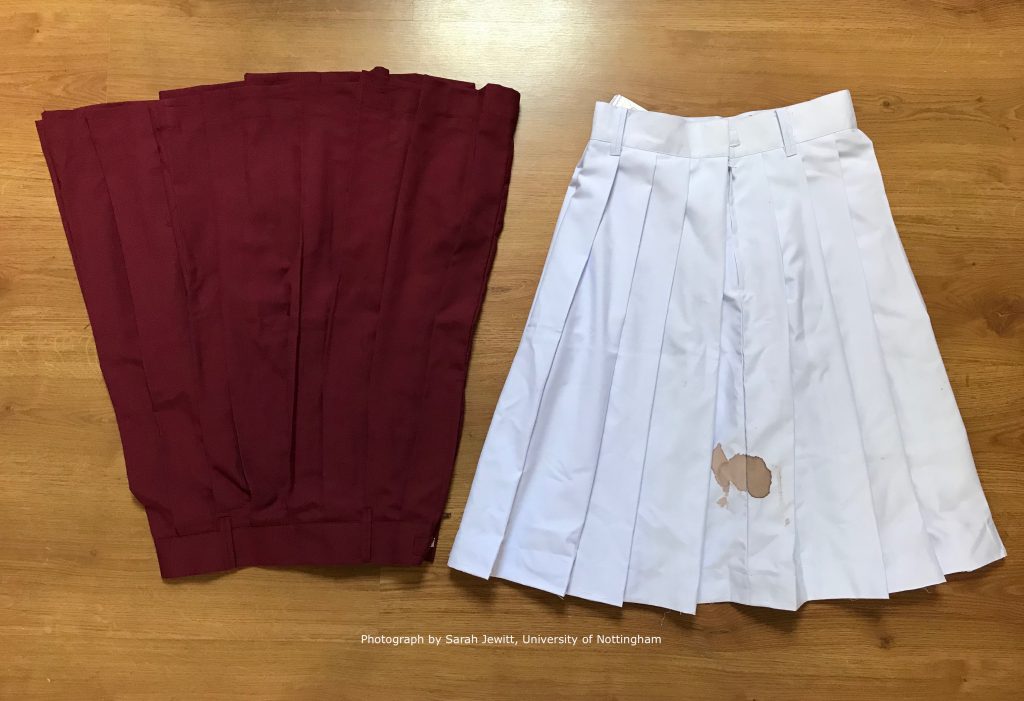
Upon entering the bathroom, the full extent of the issue was revealed. "So, we go into the bathroom, and all of a sudden she goes, ‘Oh my gosh,’ and so I turn around, and low and behold, in the mirror, it’s just there is a fat-ass red dot… It was pretty bad," Denise recounted, detailing the visible blood stain on her white skirt. This moment, while deeply personal and potentially embarrassing, highlights the precarious balance idols maintain between their public persona and private realities.
The situation, though distressing, was met with remarkable professionalism and efficiency by the styling team. Denise’s stylist promptly enlisted the help of the head stylist, who took charge with the decisiveness of a "commander." The head stylist’s immediate priority was to resolve the issue swiftly and discreetly, ensuring Denise could return to the stage without incident. Rather than attempting to find a replacement skirt, which would have been time-consuming and potentially impossible given the tight schedule and specific stage outfits, they opted for an on-the-spot cleaning operation. "She’s like, ‘Cold water, soap, someone grab a hair dryer, let’s go, chop-chop!’ Skirt’s off, they’re scrubbing, they’re doing all that, I’m standing on the side being like, ‘I’m so sorry!’" Denise described the rapid, coordinated efforts to remove the stain. This impromptu cleaning session, conducted under high pressure, underscores the dedication and resourcefulness of idol support staff, who often act as guardians of an idol’s image and well-being in unforeseen circumstances.
Remarkably, the stylists succeeded in completely removing the stain, and Denise was able to make it back to the stage on time for the final broadcast. Reflecting on the incident, Denise acknowledged the intense stress and tension of the moment, largely attributed to the pervasive lack of sleep and the high stakes of their burgeoning careers. However, with the benefit of hindsight, she also mused that the situation, while stressful, might have been slightly overblown given their position as a relatively new group. "We were pretty new in the scene at that point, and they were not gonna put us in the front, they’re probably gonna put us in the back. No one’s gonna see me from the back at that point," she observed, adding a touch of humor to the retrospective analysis of the high-pressure environment.
The Broader Context: Menstruation and the K-Pop Industry’s Demands
Denise’s experience is not an isolated incident but rather a microcosm of the systemic challenges faced by female idols in an industry that prioritizes perfection and relentless productivity. The demands placed on K-Pop idols are extraordinary, encompassing rigorous physical training, strict dietary control, and an often-unforgiving schedule that leaves little room for personal health considerations. When it comes to menstruation, these challenges are amplified.
Physiologically, menstrual cycles can induce a variety of symptoms that directly impact performance capabilities. Dysmenorrhea (menstrual cramps) can range from mild discomfort to severe, debilitating pain, often accompanied by backaches, headaches, and nausea. Fatigue, bloating, and breast tenderness are also common, all of which can hinder an idol’s ability to execute complex choreography, maintain vocal stability, or project an energetic stage presence. The mental toll can be equally significant, with hormonal fluctuations potentially leading to increased irritability, anxiety, or emotional sensitivity, all of which must be suppressed or managed privately to maintain a cheerful and professional public persona.
The K-Pop industry’s aesthetic standards further complicate matters. Concepts often involve form-fitting, light-colored, or revealing outfits designed to enhance visual appeal. Wearing white, in particular, is a perennial risk for menstruating individuals, yet it remains a common styling choice. This creates an added layer of anxiety for female idols, who must not only perform flawlessly but also constantly worry about potential leaks or visible signs of their period, which could be perceived negatively or even lead to viral "scandals" in the unforgiving digital landscape.
Navigating Stigma: The Silence Surrounding Idols’ Health
Despite menstruation being a universal biological process for half the global population, it remains largely a taboo subject, particularly within conservative societies and highly scrutinized industries like K-Pop. This stigma means that open discussions about menstrual health, pain management, or necessary accommodations are rare. Idols are often pressured to maintain an image of unwavering strength and resilience, making it difficult for them to voice their discomfort or request adjustments to their schedules or styling. This silence contributes to a culture where female idols are expected to simply "power through" their periods, often without adequate support or understanding.
The lack of public discourse surrounding menstruation in K-Pop perpetuates a cycle where idols feel isolated in their experiences. While fans often express concern for idols’ general health, specific discussions about menstrual well-being are largely absent, reflecting broader societal discomfort. When incidents like Denise’s occur, they are typically handled with extreme discretion, further reinforcing the idea that such natural events are "problems" to be hidden rather than normal aspects of human physiology that require empathy and practical solutions.
The Role of Support Staff: Unsung Heroes Behind the Scenes
Denise’s story prominently features the critical role played by her stylists, particularly the head stylist, in managing a potentially embarrassing situation with remarkable speed and efficiency. Stylists, makeup artists, and other behind-the-scenes personnel are often the unsung heroes of the K-Pop industry. They are not merely responsible for an idol’s appearance but also frequently act as de facto caregivers, confidantes, and crisis managers. Their proximity to the idols and understanding of the intense pressures they face make them invaluable support systems.
In this instance, the stylists’ quick thinking, practical skills, and decisive action prevented a public mishap that could have generated unwanted attention and stress for Denise and her group. Their ability to remain calm under pressure, allocate tasks, and execute a solution on the spot highlights the demanding nature of their roles, which extend far beyond aesthetic considerations. This incident serves as a powerful testament to the professionalism and dedication of these support teams, who are constantly working to ensure idols can perform without added anxiety, often navigating unforeseen challenges with limited resources and time.
Towards Greater Empathy: Implications for Idol Welfare and Fan Understanding
Denise’s decision to share this personal story, even retrospectively, is a significant act of transparency that contributes to the ongoing, albeit slow, destigmatization of menstruation within the public sphere, including the highly curated world of K-Pop. By openly discussing such a common yet rarely spoken-about experience, she humanizes the idol experience, reminding fans and the industry alike that behind the glitz and glamour are real individuals facing real human challenges.
The implications of such revelations extend to potential improvements in idol welfare. As more former idols or industry insiders share their experiences, it can foster greater awareness and pressure for agencies to implement more humane policies. This could include better health support, more flexible scheduling during peak menstrual discomfort, or at least more considerate styling choices. While direct "official responses" to such personal anecdotes are rare from agencies, the cumulative effect of these stories can gradually shift industry practices.
For fans, understanding the depth of these challenges can cultivate greater empathy and a more nuanced appreciation for idols’ dedication. It moves beyond simply admiring their talent to acknowledging the immense personal sacrifices and pressures they endure. Such narratives encourage a shift from an expectation of infallible perfection to a more realistic and compassionate view of idols as individuals striving to excel in an exceptionally demanding environment.
In conclusion, Denise’s candid account of her period mishap during K-Pop promotions serves as a poignant reminder of the unseen struggles faced by female idols. It underscores the intense demands of the industry, the critical role of support staff in managing unforeseen crises, and the pervasive stigma surrounding menstruation. As discussions around idol welfare continue to evolve, stories like Denise’s are vital in fostering greater understanding, empathy, and ultimately, advocating for more humane and supportive environments for K-Pop artists. Her bravery in sharing this personal experience contributes to a broader conversation about destigmatizing natural bodily functions and recognizing the full spectrum of challenges that define the K-Pop journey.