Miss Universe 2015 Pia Wurtzbach and the Intersection of Global Pageantry and K-pop Fandom
Article Editorial Team

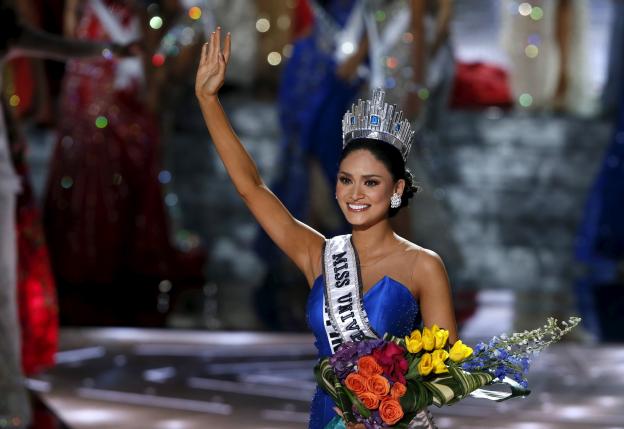
The 64th Miss Universe pageant, held on December 20, 2015, at the AXIS in Las Vegas, Nevada, remains one of the most discussed events in the history of international beauty competitions. While the evening was initially defined by a monumental live broadcasting error, the subsequent weeks revealed a unique cultural crossover that bridged the worlds of global pageantry and South Korean pop music. Pia Alonzo Wurtzbach, representing the Philippines, was eventually crowned Miss Universe 2015, but her victory served as a catalyst for a broader discussion regarding the influence of the Hallyu wave—the global spread of South Korean culture—and the digital footprints of modern public figures.
The conclusion of the pageant was marked by a mistake that briefly overshadowed the achievements of the contestants. Host Steve Harvey mistakenly announced Miss Colombia, Ariadna Gutiérrez, as the winner. Following a period of celebration for the Colombian delegation, Harvey returned to the stage to clarify that Wurtzbach was the actual winner, while Gutiérrez was the first runner-up. This error sparked immediate global media coverage, ranging from traditional news outlets to social media platforms, where the incident was analyzed for its production failures and the emotional toll it took on both contestants. However, as the initial shock of the crowning error subsided, a new narrative emerged within the digital space, specifically among the global K-pop community.
Chronology of the 2015 Miss Universe Finale and Subsequent Revelations
The timeline of the event and its aftermath illustrates how quickly digital communities can shift the focus of a global news story. On the night of December 20, the televised error occurred at approximately 10:00 PM Eastern Time. Within minutes, "Miss Universe 2015" became the top trending topic worldwide on Twitter (now X). By the following morning, December 21, news organizations had shifted from reporting on the error to exploring the background of the new Miss Universe.
By December 22 and 23, K-pop enthusiasts, particularly those in the Philippines, began unearthing social media posts from Wurtzbach’s past. These posts, dating back to 2009, 2010, and 2011, revealed her as an ardent fan of the South Korean boy band Super Junior. Specifically, Wurtzbach had frequently posted about her admiration for member Choi Siwon, often referring to herself in a lighthearted manner as "Mrs. Siwon Choi." This revelation turned Wurtzbach into a relatable figure for millions of K-pop fans worldwide, effectively humanizing a global beauty icon through the lens of shared fandom.
On December 27, 2015, the narrative reached its peak when Choi Siwon himself acknowledged Wurtzbach’s victory. Through an Instagram post, the K-pop star congratulated the new Miss Universe and invited her to attend a future "Super Show," the group’s signature concert tour. This interaction solidified the link between the pageant world and the music industry, demonstrating the power of social media in facilitating cross-cultural and cross-industry engagement.
The Growth of the Hallyu Wave in the Philippines
The discovery of Wurtzbach’s K-pop fandom is not an isolated curiosity but rather a reflection of the deep-seated influence of South Korean culture in Southeast Asia, particularly in the Philippines. The Hallyu wave began gaining significant traction in the Philippines in the early 2000s, initially through the popularity of "Koreanovelas" (Korean television dramas). By the late 2000s, K-pop had become a dominant force in the Philippine music market.
Super Junior, the group Wurtzbach supported, was a primary driver of this phenomenon. In 2010, they became the first K-pop artist to reach the top of the Philippines’ Odyssey Music and Video charts with their album Bonamana. Data from that period indicates that the Philippines consistently ranked among the top countries for K-pop consumption on platforms like YouTube and Twitter. Wurtzbach’s tweets from 2009 coincided with the height of Super Junior’s "Sorry, Sorry" era, a song that remains a staple of K-pop history and was instrumental in the genre’s expansion across Asia.
The demographic overlap between pageant fans and K-pop fans in the Philippines is substantial. Both cultures emphasize dedicated "fandom" behavior, including organized voting, social media campaigning, and public displays of support. Wurtzbach’s background as a fan resonated with a young, digitally active demographic that saw her not just as a representative of national beauty, but as a peer within a global subculture.
Official Responses and the Validation of Fan Culture
The reaction from the K-pop industry was swift and professional, acknowledging the prestige of the Miss Universe title while embracing the fan connection. Beyond Choi Siwon’s personal message, Leeteuk, the leader of Super Junior, also took to social media to congratulate Wurtzbach. He noted the group’s pride in having a Miss Universe among their "E.L.F." (Ever Lasting Friends, the official name of Super Junior’s fan club).
These responses were significant for several reasons. First, they validated the passion of K-pop fans, showing that even those in the highest echelons of celebrity are not immune to the charms of the genre. Second, it provided a moment of positive publicity for the Miss Universe Organization, which was seeking to move past the controversy of the crowning error. The "K-pop connection" offered a lighthearted, engaging story that appealed to a younger audience—a demographic that traditional pageants often struggle to capture.
Wurtzbach’s own response to the resurfaced tweets was one of grace and humor. Rather than distancing herself from her past "stanning" (a term used to describe obsessive fandom), she embraced it. This authenticity contributed to her popularity during her reign, as she was perceived as a modern, relatable woman who balanced the responsibilities of her title with genuine personal interests.

Analysis of Implications: The Digital Footprint of Modern Icons
The intersection of Pia Wurtzbach’s victory and her K-pop fandom highlights a critical aspect of 21st-century celebrity: the permanence of the digital footprint. In previous decades, a beauty queen’s past was often a curated narrative. In the age of social media, however, public figures enter the spotlight with years of documented personal thoughts, interests, and interactions.
This case serves as a blueprint for how public figures can navigate their digital histories. While some might view past social media activity as a liability, Wurtzbach’s history as a K-pop fan became an asset. It provided her with an immediate, built-in global community of supporters who felt a personal connection to her success. This phenomenon demonstrates that relatability can be as powerful as aspirational beauty in the modern media landscape.
Furthermore, the incident underscored the economic and cultural power of K-pop. The fact that a Miss Universe’s past tweets could generate as much international headlines as the pageant itself speaks to the massive reach of the South Korean entertainment industry. It also illustrates the "borderless" nature of modern fandom, where a Filipino woman can find community in a South Korean music group and eventually be celebrated by them on a global stage.
The Lasting Legacy of the 2015 Pageant
Years after the 2015 Miss Universe pageant, the event is remembered for two distinct reasons: the "Steve Harvey Flub" and "Pia the K-pop Fan." The former is a cautionary tale of live television production, while the latter is a testament to the cultural shifts defining the current era. Wurtzbach’s reign was marked by her advocacy for HIV/AIDS awareness and her work in disaster relief, but her identity as a K-pop fan remains a beloved footnote that continues to endear her to the Hallyu community.
The statistical impact of this crossover is also noteworthy. Following the pageant, social media engagement for both Wurtzbach and Super Junior saw measurable spikes. The interaction between the two parties became a case study in organic brand synergy, where two disparate entities benefited from a shared, authentic connection.
In conclusion, the 2015 Miss Universe pageant was more than a beauty competition or a broadcast error; it was a cultural milestone that reflected the interconnectedness of modern society. Pia Wurtzbach’s victory, bolstered by the enthusiastic support of the K-pop community, showed that the path to the crown is often paved with the same digital experiences shared by millions of ordinary fans. As the Hallyu wave continues to evolve and the pageant world adapts to a digital-first audience, the story of the "E.L.F. who became Miss Universe" remains a definitive example of how shared culture can unite the world in unexpected ways.
Related News