
The landscape of international K-pop fandom has undergone a significant transformation over the past decade, moving from a niche community of enthusiasts to a global network of critical consumers and cultural commentators. At the center of this evolution are independent media platforms like Seoulbeats, which have served as a "campfire" for fans to gather and analyze the complexities of the Hallyu Wave beyond its polished surface. A recent internal review and roundtable discussion among the site’s contributors reveals a profound shift in how digital media participation alters the relationship between the fan and the industry. This dialogue highlights a transition from passive consumption to a more detached, analytical, and critical engagement with Korean entertainment, reflecting broader trends in global pop culture consumption.
The Professionalization of the Fan Experience
For many contributors to the K-pop discourse, the journey begins as a solitary experience. Writers within the Seoulbeats collective often describe their early days as "K-pop loners," consuming content without a local peer group to share their thoughts. The transition from a reader to a writer marks a pivotal shift in identity. As noted by contributors like Gabrielle and Mark, joining a critical platform provides a sense of community that replaces the vacuum of solo fandom. However, this professionalization often leads to a phenomenon described as "fandom detachment."
Ree, a veteran contributor, observes that the fervor typically associated with "stanning"—a portmanteau of "stalker" and "fan" denoting intense devotion—often diminishes when one begins to write critically about the industry. This detachment is not necessarily a loss of interest but rather a relocation of social needs. When writers are constantly in contact with a group of like-minded critics, the urge to immerse oneself in specific, often volatile, fan forums decreases. The community of the editorial board becomes the primary social outlet, allowing for a more objective distance from the "vitriol" and tribalism that can characterize online fandoms.
The Context of the Hallyu Wave (2012–2014)
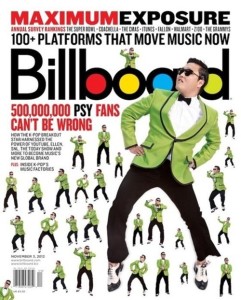
To understand the weight of these reflections, one must look at the timeline of the Hallyu Wave during this period. The discussion took place during a transformative era for Korean entertainment. In 2012, Psy’s "Gangnam Style" shattered global barriers, becoming the first YouTube video to reach one billion views. By 2013 and 2014, the industry was grappling with how to sustain this momentum.
During this time, the Korea Creative Content Agency (KOCCA) reported a surge in music exports, which grew by nearly 20% annually. This era saw the rise of third-generation groups like EXO and the early debut phases of BTS, alongside the continued dominance of established acts like Big Bang, Girls’ Generation, and 2NE1. The "volume of content" mentioned by writers like Fannie and Kelsey refers to the relentless "comeback" cycle—a unique industry mechanism where groups release new material every few months to maintain public visibility. This high-pressure environment necessitated a new breed of critics who could sift through the "mediocre" to find the "good," providing a filter for an increasingly overwhelmed global audience.
Critical Consumption and the Business of Idoldom
A recurring theme in the discourse is the development of a "critical eye" regarding the business and ethical aspects of the K-pop industry. Writers such as Shweta and Kelsey emphasize that participating in critical media has made them more astute about the technical and subjective levels of music success. This includes an awareness of the corporate lack of transparency and the "Idol Code"—the unwritten set of behavioral rules that idols must follow, ranging from dating bans to rigid public personas.
The "Idol Code" remains one of the most contentious points of analysis. Nicholas, a contributor focused on the analytical side of the industry, notes that while Western standards of individualism may not always apply to Korean culture, the restrictive nature of idol life remains a subject of necessary parody and critique. This critical framework allows fans to appreciate the "universally decent standard" of performance and production while remaining skeptical of the "godly" status often attributed to idols by the more fervent sections of the fandom.
Data and the "Netizen" Effect
The impact of critical media is also felt through the feedback loop of reader comments. In the digital age, the "Netizen"—a term used to describe active internet citizens in the Korean context—plays a crucial role in shaping industry narratives. Mark and Pat highlight that writing for a public platform exposes contributors to the "fury" of netizen comments, which can range from insightful debate to defensive hostility.

Supporting data suggests that this engagement is not merely anecdotal. According to a 2013 survey on global Hallyu consumption, over 60% of international fans cited "social media and blogs" as their primary source of information, ranking higher than official entertainment company websites. This underscores the power of independent platforms in mediating the relationship between the South Korean industry and its global consumers. By providing a space for "logical and critical" thought, sites like Seoulbeats challenge the "polished sheen" of the industry, forcing a recognition of the cultural and systemic differences at play.
Cultural Exchange and Self-Reflection
Perhaps the most significant impact of participating in K-pop criticism is the opportunity for cross-cultural reflection. Ambika, a writer for the site, points out that analyzing a foreign industry often leads to a reevaluation of one’s own society. By picking out flaws or areas for improvement in the Korean system, critics are frequently prompted to look back at their own country’s media and social structures with a more discerning eye.
This disillusionment is seen as a sign of maturity. The "skepticism" mentioned by several writers regarding the Hallyu Wave’s ability to become a "fixed" part of the Western mainstream reflects a grounded understanding of cultural barriers. While the Hallyu Wave is undeniably present, critics often remain wary of labeling it "mainstream" in the same vein as American pop culture, acknowledging its status as a highly successful but still distinct niche.

Broader Implications for the Music Industry
The evolution of these writers from fans to critics mirrors the broader professionalization of the K-pop industry itself. As the industry moves toward more global collaborations—such as the partnership between SM Entertainment and Western producers or the international touring circuits of YG Entertainment acts—the need for a sophisticated press corps becomes vital.
The analytical approach fostered by these communities serves several functions:
- Quality Control: By critiquing the "duds" and the "mediocre acts," independent media encourages a higher standard of production from entertainment agencies.
- Cultural Mediation: Critics act as translators of cultural nuances, explaining the significance of certain behaviors or lyrical themes to an audience that may lack the context of Korean history or social norms.
- Consumer Advocacy: Discussions around the "dark side" of K-pop, including contract disputes and the mental health of performers, bring essential ethical considerations to the forefront of the fan experience.
Conclusion: The Enduring Legacy of Critical Dialogue
The roundtable discussion serves as a microcosm of the modern fan experience in the digital age. It suggests that while the initial spark of fandom may be rooted in "fangirling" or "spazzing" over idols on platforms like Tumblr, the longevity of that engagement depends on the ability to think critically. For the writers of Seoulbeats, the site has transformed K-pop from a mere hobby into a tool for intellectual growth and cultural analysis.

As the Hallyu Wave continues to expand, the role of the "critical fan" will likely become even more central. The transition from being "super jaded" to having an "increased appreciation" through rigorous analysis demonstrates that criticism does not kill enjoyment; rather, it deepens it. By acknowledging the flaws of the industry while celebrating its creative volume, these contributors have built a framework for a more sustainable and mature form of global fandom—one that values the "good stuff" all the more because it has been tested against a standard of excellence and ethical awareness. Whether K-pop ever fully integrates into the Western mainstream or remains a dominant niche, the discourse surrounding it has forever changed the way we perceive the intersection of art, industry, and identity.