
In March 2013, the South Korean government, led by the newly inaugurated President Park Geun-hye, implemented a revised version of the Minor Offenses Act, introducing a specific provision that sparked immediate domestic controversy and international media attention. The law, colloquially referred to as the "overexposure law," mandated a fine of 50,000 South Korean Won (approximately $45 to $48 USD at the time) for individuals found guilty of "overexposure" in public spaces. While the South Korean National Police Agency characterized the measure as a necessary update to existing public decency regulations, the ambiguity of the terminology led to widespread speculation that the government was attempting to regulate fashion, specifically the length of women’s skirts. This legislative move occurred during a period of heightened geopolitical tension with North Korea, yet the domestic focus shifted toward the potential infringement on personal expression and the echoes of the country’s authoritarian past.
Legislative Framework and the Definition of Overexposure
The amendment was part of a broader update to the Minor Offenses Act, which was approved during a cabinet meeting chaired by President Park Geun-hye shortly after her inauguration. The specific clause targeted individuals who "caused discomfort to others by excessively exposing their naked bodies or exposing parts of the body that should be covered." According to the National Police Agency, the primary intent of the revision was to provide a legal basis for fining individuals for acts such as public indecency, streaking, or lewd behavior that fell short of criminal sexual assault but disrupted public order.
The fine was set at a fixed rate of 50,000 KRW, intended to streamline the punishment process for minor infractions. Prior to this amendment, such acts were often handled through more cumbersome legal channels or resulted in inconsistent warnings. The government maintained that the law was not a new restriction but a clarification of existing standards regarding public nudity and extreme indecency. However, the lack of a precise legal definition for "excessive exposure" created a vacuum that was quickly filled by public anxiety and political criticism.
Historical Context: The Shadow of the 1970s
To understand the intensity of the reaction in 2013, one must look back to the 1970s, an era defined by the presidency of Park Chung-hee, the father of Park Geun-hye. During his 18-year tenure, the elder Park implemented the "Yusin" Constitution, a period of military-backed authoritarian rule that included strict social controls. Under the Minor Offenses Act of that era, police officers famously patrolled the streets with measuring sticks to ensure that women’s miniskirts did not end more than 20 centimeters (approximately 7.8 inches) above the knee. Simultaneously, men with long hair were subject to forced haircuts in public or detention.

These measures were framed as efforts to maintain public morality and national discipline, but they became lasting symbols of state repression. When the 2013 law was announced, the historical parallel was unavoidable for many South Koreans. The "Like Father, Like Daughter" narrative gained traction among political opponents and civil rights activists, who argued that the new law represented a regressive return to government-mandated dress codes. The fear was not merely about the length of a skirt, but about the potential for the state to once again micromanage the personal lives and bodies of its citizens.
Chronology of Events and Public Outcry
The controversy began to escalate in mid-March 2013, just days before the law was set to take effect on March 22. The initial government announcement was brief, leading to a rapid spread of misinformation across social media platforms. High-profile celebrities, who are central to South Korea’s cultural and economic identity, played a significant role in amplifying the debate.
On March 11, 2013, K-pop icon Lee Hyori, known for her bold fashion and influence on youth culture, posted a message on Twitter (now X) questioning the law. Her post, which translated to "Is the overexposure fine for real? I’m dead," went viral, leading many fans to believe that K-pop idols would be prohibited from wearing their signature stage outfits. This sentiment was echoed by other entertainers and members of the opposition Democratic United Party.
Politicians from the opposition utilized the law as a point of contention, accusing the Park administration of focusing on trivial moral policing rather than pressing economic or security issues. By March 15, the National Police Agency was forced to issue a formal clarification. Police officials stated that the law was not aimed at miniskirts or short pants but at extreme cases of public nudity that caused genuine offense or alarm. They emphasized that the "overexposure" mentioned in the law referred to the exposure of "private parts" and that ordinary fashion choices would not be subject to fines.
International Media and the "Miniskirt Ban" Narrative
Despite the official clarifications from South Korean authorities, the story gained significant momentum in Western media outlets. Headlines from major organizations like CNN and the UK’s Daily Mail framed the law as a "ban on miniskirts." This reporting often overlooked the nuance of the legislative language and the specific cultural context of South Korean minor offense laws, which are common in various forms globally.
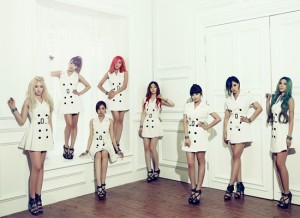
The sensationalized international coverage portrayed South Korea as a nation sliding back into social conservatism. This framing was particularly jarring given South Korea’s global reputation as a hub for high fashion, beauty, and the "Hallyu" (Korean Wave) entertainment industry. The irony of the world’s most famous "K-pop" nation banning miniskirts provided a compelling, albeit inaccurate, narrative for global audiences. This led to a wave of online criticism from international observers who viewed the law as a setback for women’s rights and personal freedom in a developed democracy.
Analysis of Social and Political Implications
The 2013 overexposure law serves as a case study in the intersection of legislation, historical trauma, and media influence. From a purely legal standpoint, the amendment was a minor administrative change. In many jurisdictions, including the United States and parts of Europe, laws against public indecency or "disorderly conduct" provide police with similar discretionary powers to fine individuals for public nudity. However, in the South Korean context, the law could not be viewed in isolation from the country’s struggle for democratization.
For the Park Geun-hye administration, the law was a public relations disaster. It highlighted the sensitivity of the Korean public toward any perceived return to the paternalistic governance of the 20th century. Furthermore, it demonstrated the power of the "celebrity voice" in modern South Korean politics. The intervention of pop stars like Lee Hyori forced the government into a defensive posture, illustrating how cultural icons can act as a check on executive power by mobilizing public opinion.
The law also raised questions about the subjective nature of "public discomfort." Critics argued that by using vague language, the government left too much room for individual police officers to interpret what constitutes "excessive" exposure. In a society where traditional Confucian values often clash with modern, Westernized aesthetics, the enforcement of such a law could theoretically vary wildly depending on the age and personal views of the officer on duty.
Impact on the Entertainment Industry and K-Pop
While the fear of a total ban on miniskirts proved unfounded, the debate prompted a temporary period of caution within the entertainment industry. K-pop agencies, which meticulously manage the image of their artists, were forced to consider whether stage costumes could be interpreted as "indecent" under the new guidelines. However, no major crackdown on idol fashion occurred. The "short-short" and miniskirt remained staples of the industry, and the 50,000 KRW fine was rarely, if ever, applied to fashion-related choices.
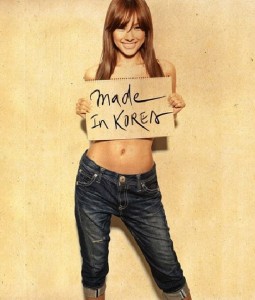
In reality, the law found its primary application in curbing the behavior of "streakers" or individuals engaging in lewd acts in public parks and transit hubs. It also targeted the pervasive issue of public urination, a common minor offense in urban nightlife districts. By shifting the focus to these practical applications, the police were eventually able to de-escalate the "fashion police" narrative that had dominated the news cycle.
Conclusion: Lessons in Media Literacy and Governance
The 2013 South Korean overexposure law remains a notable example of how a minor legislative update can trigger a major national and international crisis when it intersects with a sensitive historical legacy. The episode underscored the importance of clear communication in governance, particularly when dealing with laws that touch upon personal expression and bodily autonomy.
For the public and the media, the event highlighted the dangers of sensationalism. The "miniskirt ban" that never was demonstrated how easily complex domestic issues can be reduced to clickbait headlines in a globalized information economy. Ultimately, the law did not change the way South Koreans dressed, but it did serve as a potent reminder of the country’s vibrant, if sometimes contentious, commitment to protecting the civil liberties won during the democratization movements of the 1980s. The legacy of the 2013 controversy is not one of restricted fashion, but of a vigilant citizenry and a government reminded of the weight of history.