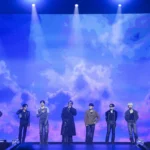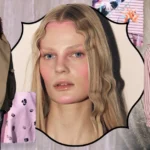

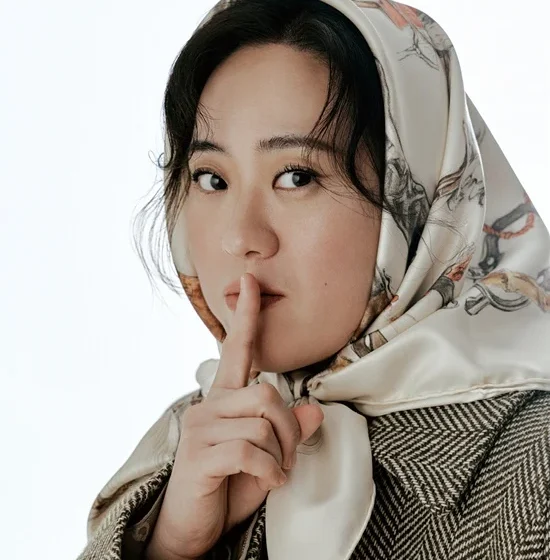

The K-pop landscape is currently awash with vibrant aesthetics, as idols and their styling teams embrace the transitional period of spring. This seasonal shift, characterized by blooming flora, warmer temperatures, and a pervasive sense of renewal, is being masterfully translated into fashion narratives that blend bold chromatic statements with whimsical, nature-inspired motifs. The recurring "For Your Viewing Pleasure" series, a dedicated segment within the Seoulbeats platform, consistently curates and highlights these evolving visual trends, offering a window into the innovative styling choices defining contemporary K-pop. Recent showcases feature prominent figures such as Sohee, known for her imaginative floral integration; AHOF and Hwang Min-hyun, championing effervescent, popping colors; and Go Ah-sung, who embodies casual elegance in soft, leisure-oriented pastels. These examples collectively underscore the industry’s adeptness at capturing the essence of spring, transforming it into a dynamic visual spectacle that resonates far beyond the confines of South Korea and significantly impacts global fashion dialogues.

The Spring Aesthetic: A Fusion of Color and Whimsy
The fashion choices observed across the K-pop spectrum for the spring season present a rich tapestry of styles, each meticulously crafted to evoke the spirit of renewal. Sohee’s interpretation, for instance, adopts a profoundly whimsical tone, seamlessly integrating floral elements into her ensemble. Her portrayal of petals morphing into wings transcends mere attire, symbolizing transformation, lightness, and the ephemeral beauty of spring in a fantastical manner. This approach taps into a broader fashion trend often termed ‘naturecore’ or ‘botanical chic,’ where natural elements are not merely printed onto fabric but are integral to the silhouette, texture, and overall narrative of the outfit. It speaks to a desire for escapism and a return to organic beauty, often seen in high fashion runways before trickling down into mainstream and idol styling.
Contrasting this delicate whimsy are the bold and unapologetic color statements made by artists like AHOF and Hwang Min-hyun. Their looks are characterized by "popping colors," a refreshing and bright take on spring that defies subtlety. This trend aligns with global Spring/Summer 2024 color forecasts, which often include vibrant blues, sunny yellows, radiant reds, and electric greens. These choices are not merely aesthetic; they carry psychological weight, symbolizing optimism, energy, and a joyful embrace of warmer days after the muted tones of winter. In the context of K-pop, such vibrant palettes are often strategically employed to create memorable visual impacts, amplifying an artist’s stage presence and reinforcing their public image as dynamic and forward-thinking. The use of saturated hues also performs exceptionally well in digital media, ensuring high visibility and shareability across social platforms.

On the more subdued yet equally impactful end of the spectrum is Go Ah-sung’s pale lilac outfit. This choice exemplifies the enduring appeal of pastels for spring, offering a calming yet undeniably refreshing quality. Lilac, a color often associated with youthfulness, tranquility, and understated elegance, provides a sophisticated counterpoint to bolder statements. Go Ah-sung’s ensemble further highlights the growing prominence of ‘leisurewear’ and ‘effortless chic’ in K-pop fashion. This trend prioritizes comfort and practicality without sacrificing style, reflecting a broader societal shift towards versatile clothing that can transition seamlessly between various settings. Such a "fit," as described, is universally appealing precisely because it merges comfort with an undeniable sense of refined ease, making it highly relatable and aspirational for a diverse audience. These diverse approaches—from fantastical floral designs to vibrant chromatic expressions and serene pastels—collectively illustrate the multifaceted nature of spring itself, offering a sartorial reflection of the season’s varied moods and aesthetics.
K-Pop’s Strategic Embrace of Seasonal Fashion
The meticulous planning behind K-pop idols’ fashion choices is a cornerstone of the industry’s visual strategy. K-pop groups and solo artists, in collaboration with their agencies, routinely plan their visual concepts, including fashion, to align precisely with their music releases, promotional cycles, and the prevailing seasonal mood. This strategic alignment ensures that every comeback or public appearance is a cohesive artistic statement. Professional stylists, creative directors, and often renowned fashion houses are integral to crafting these looks, working months in advance to source garments, design custom pieces, and accessorize to perfection.

The synergy between music video aesthetics, stage outfits, and promotional photoshoots is paramount. Fashion in K-pop is not merely clothing; it is a narrative tool, enhancing the storytelling inherent in the music and the group’s concept. For spring comebacks, this often translates into concepts that evoke themes of new beginnings, growth, and vibrant energy, perfectly mirrored by the chosen attire. This meticulous planning not only elevates the artistic presentation but also strengthens the brand identity of idols, making them recognizable trendsetters on a global scale. The careful selection of colors, textures, and silhouettes for spring specifically aims to resonate with the audience’s psychological anticipation of the season, creating an immediate and profound connection.
The Evolving Timeline of K-Fashion Influence
The journey of K-pop’s global fashion influence has been a remarkable evolution. In its nascent stages, during the early 2000s, K-pop fashion was primarily focused on domestic trends, often drawing inspiration from Western pop culture while developing its unique blend of streetwear and idol-specific aesthetics. As the Hallyu wave began its global expansion in the late 2000s and early 2010s, particularly through the proliferation of online platforms, K-pop fashion started to gain international traction. Fans worldwide began to emulate their idols’ styles, sparking an initial interest in Korean fashion beyond South Korea’s borders.

By the mid-2010s, K-pop’s influence had matured significantly. Idols were increasingly seen wearing high-fashion brands, and fashion houses began to recognize their immense marketing potential. This period saw the start of more direct collaborations, with idols attending international fashion weeks and becoming brand ambassadors. The seasonal fashion cycles within K-pop have become increasingly sophisticated, mirroring global fashion week trends while consistently infusing a distinct Korean flair. This involves not just adopting trends but often reinterpreting them through a K-pop lens, adding elements of intricate styling, bold color combinations, and often gender-fluid aesthetics that set K-fashion apart.
The rapid dissemination of these trends via social media platforms like Instagram, TikTok, and YouTube has created a phenomenon of near-instantaneous global adoption. A new outfit worn by an idol in a music video or airport fashion can become a worldwide trend within hours, demonstrating the unparalleled reach and responsiveness of the K-pop fanbase. This real-time influence has cemented K-pop idols as not just musical artists but also formidable fashion icons, shaping consumer preferences and driving sales for brands across the luxury and fast-fashion spectrums.

Data-Driven Impact: K-Pop’s Economic and Cultural Footprint in Fashion
The economic and cultural footprint of K-pop in the global fashion industry is substantial and continually expanding. Industry reports indicate that the South Korean fashion market itself is a significant player, with revenues consistently growing year-on-year, often driven by both domestic consumption and increasing international demand fueled by Hallyu. Beyond the domestic market, K-pop idols have become invaluable assets for global fashion brands, particularly in the luxury sector. The phenomenon of idols being appointed as global ambassadors for prestigious houses such as Jennie for Chanel, BTS for Louis Vuitton, NewJeans for multiple brands including Levi’s and Chanel, and EXO’s Kai for Gucci, highlights their unparalleled global reach and ability to influence purchasing decisions.
These collaborations are not merely symbolic; they translate into tangible economic benefits. When an idol is seen wearing a particular item, it frequently leads to a "sold out" effect, where the product disappears from shelves and online stores within minutes or hours. This direct correlation between idol endorsement and consumer purchasing behavior is meticulously tracked by brands, underscoring the commercial power of K-pop. Furthermore, the rise of online K-fashion retailers specifically catering to international demand for idol-inspired styles demonstrates a robust and growing market. These platforms make Korean fashion trends accessible to a global audience, democratizing styles that might otherwise be confined to regional markets. Analysts suggest that the influence of K-pop idols contributes significantly to the billions generated annually by the global fashion and luxury goods markets, particularly among younger demographics. This data-driven impact underscores K-pop’s role as a major economic driver within the broader creative industries.

Industry Perspectives and Creative Direction
From the vantage point of the fashion industry, the strategic integration of K-pop into seasonal fashion trends is a testament to sophisticated creative direction and market savvy. Stylists working within the K-pop ecosystem frequently articulate the challenge and immense creativity involved in translating abstract concepts, such as "spring rejuvenation," into tangible and visually compelling fashion. This process requires not only a deep understanding of current fashion trends but also an acute awareness of the idol’s individual brand, the group’s overarching concept, and the specific message of their latest release. The goal is always to create a harmonious blend that resonates with fans while also pushing stylistic boundaries.
K-pop agencies, recognizing fashion as a critical component of their artists’ overall public image and marketability, invest substantial resources into styling and visual direction. These investments encompass everything from hiring top-tier stylists and designers to securing exclusive pieces from luxury brands and commissioning bespoke outfits. This comprehensive approach ensures that idols are always at the forefront of fashion, setting rather than merely following trends. For fashion brands, the decision to collaborate with K-pop idols is a calculated strategic move. These brands seek to leverage the idols’ unparalleled reach and their ability to connect with a highly engaged, often young and globally diverse demographic. A partnership with a K-pop star offers immediate access to millions of potential consumers, often leading to significant spikes in brand visibility, social media engagement, and ultimately, sales. This symbiotic relationship between the K-pop industry and the global fashion landscape continually fuels innovation and accelerates trend cycles.

Broader Implications: K-Fashion as a Global Cultural Export
The fashion portrayed by K-pop idols during the spring season and throughout the year holds broader implications, positioning K-fashion as a significant global cultural export. It is an integral component of the Hallyu wave, demonstrating South Korea’s cultural soft power on an international scale. Through fashion, K-pop not only promotes its music and entertainment but also showcases Korean aesthetic sensibilities, design innovation, and cultural identity to a global audience. This contributes to a positive perception of South Korea, fostering cultural exchange and inspiring interest in other aspects of Korean culture, from cuisine to beauty.
The influence of K-pop often initiates a democratization of fashion. While idols frequently wear high-end luxury brands, their styles inspire countless affordable interpretations and reproductions, making trends accessible to a broader consumer base. This trickle-down effect from haute couture to everyday streetwear is a powerful mechanism for trend dissemination, enabling fans to participate in the fashion narratives set by their idols. Furthermore, as the fashion industry grapples with increasing calls for sustainability and ethical production, the fast-paced K-pop fashion cycle presents both challenges and opportunities. While the constant demand for new looks can contribute to rapid consumption, it also pushes designers and stylists to innovate with materials, re-styling techniques, and creative repurposing, slowly integrating more conscious practices. This dynamic interplay underscores K-fashion’s role not just as a trendsetter but also as a participant in the evolving global dialogue around fashion’s future.

In conclusion, K-pop continues to assert its formidable presence in the global fashion arena, particularly evident in its vibrant and artful interpretations of seasonal trends. The spring fashion narrative, characterized by a captivating blend of bold colors, whimsical designs, and thoughtful integration of nature-inspired elements, highlights the industry’s unique blend of artistic expression, strategic marketing, and profound cultural resonance. From the fantastical imagery evoked by Sohee to the energetic palettes of AHOF and Hwang Min-hyun, and the serene elegance of Go Ah-sung, K-pop idols consistently define and redefine contemporary style. Their influence, backed by substantial data and intricate industry collaborations, ensures that K-fashion remains a potent force, dictating trends, shaping consumer behavior, and enriching the global tapestry of cultural exchange for years to come.