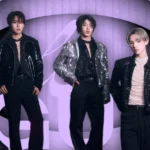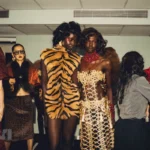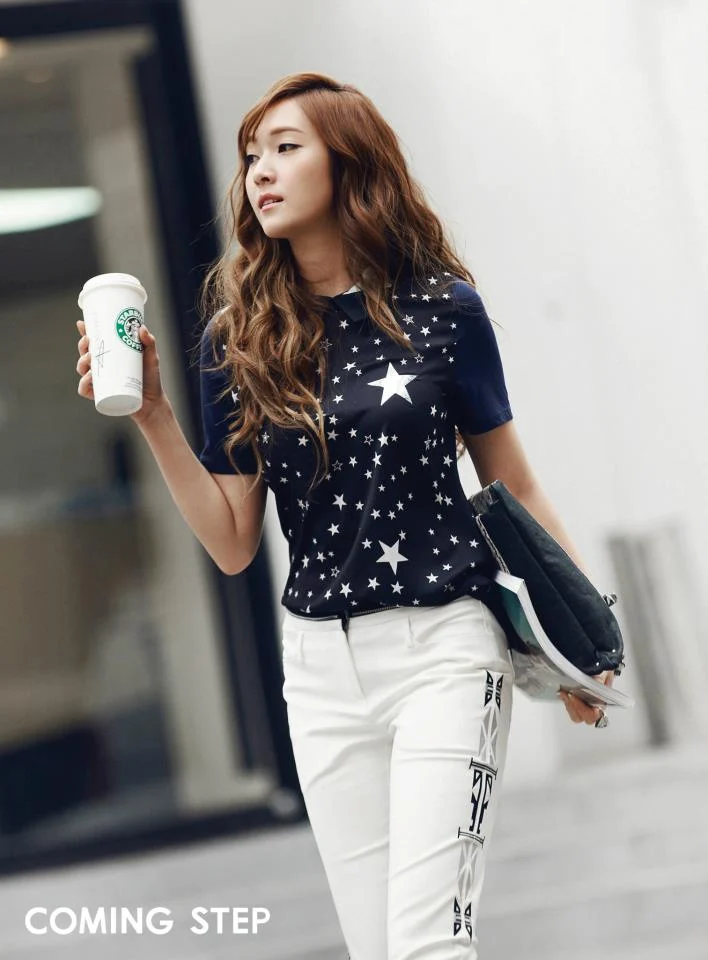
K-pop’s undeniable visual appeal has captivated global audiences, extending far beyond its infectious music and dynamic choreography. Idols dedicate countless hours to honing their craft, but their meticulously curated image is also the product of dedicated teams of stylists, hair artists, and makeup professionals. This relentless pursuit of visual perfection, evident in every music show appearance, concert performance, variety show segment, and even airport transit, has naturally inspired fans to emulate the distinctive fashion of their favorite artists. While many fans embrace K-pop culture by learning intricate dance routines and singing along to hit songs, the most accessible and widespread avenue for fandom expression lies in fashion. The ubiquitous nature of clothing—worn for school, work, or leisure—makes it a readily adaptable medium for incorporating K-pop-inspired aesthetics into personal wardrobes.
Historically, fashion guides have aimed to demystify the process of acquiring K-pop idol-inspired looks, offering advice on sourcing specific garments and accessories. However, the essence of truly adopting K-pop style transcends simply replicating the exact items worn by artists like Jessica of Girls’ Generation or G-Dragon of BIGBANG. The challenge lies not in finding the pieces, but in integrating them authentically into one’s personal style without appearing to be in costume. The distinction between a carefully constructed stage outfit and an everyday ensemble is crucial. Wearing multiple trending items simultaneously, as seen in the distinct fashion choices of idols such as Key of SHINee, CL of 2NE1, or Woohyun of INFINITE, can inadvertently transform a personal look into a theatrical costume, a far cry from the desired outcome of appearing effortlessly cool and stylish in ordinary settings.
The Nuance of K-Pop Fashion Integration
The core principle for successfully translating K-pop idol fashion into personal style is the judicious incorporation of trends in subtle doses, harmonized with one’s inherent aesthetic. Understanding one’s personal style serves as a compass, guiding the selection of K-pop trends that genuinely resonate and complement existing preferences. While experimentation is an integral part of fashion exploration, the ultimate goal is self-discovery and the cultivation of a unique look. The aim is not to become a mere imitation of idols like Zelo of B.A.P. or Minah of Girl’s Day, but to forge an individual identity that draws inspiration without sacrificing authenticity.
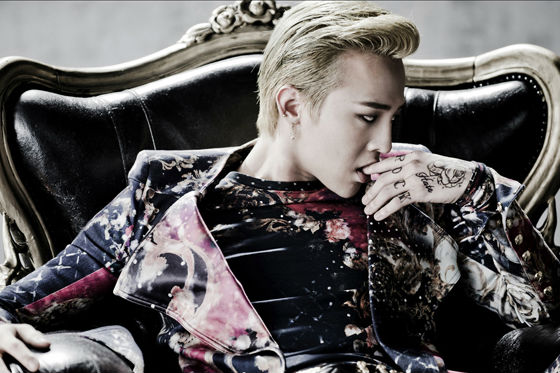
This involves introspection about one’s sartorial inclinations. Do you gravitate towards a minimalist color palette and structured silhouettes? Perhaps a more casual and sporty aesthetic aligns with your preferences. Or maybe you find inspiration in menswear, opting for tailored pieces in muted tones. Posing these questions and actively experimenting with different looks is key to uncovering a personal style. While personal style is dynamic and evolves over time, identifying its core elements is achievable by examining one’s genuine preferences.
A Phased Approach to Wardrobe Evolution
For individuals seeking a significant shift in their personal style, adopting a gradual approach is highly recommended. While the desire to overhaul an entire wardrobe with trendy K-pop pieces is understandable, it is prudent to avoid significant financial outlay on items that may not ultimately align with one’s evolving taste. The process of transforming one’s style is progressive, best navigated through incremental experimentation. Investing in a few carefully chosen pieces allows for assessment and integration without the risk of accumulating a collection of ill-fitting or unloved garments. This measured approach ensures that any new additions can be thoughtfully integrated into an existing wardrobe, fostering a more sustainable and personally resonant fashion journey.
Deconstructing Idol Looks for Personal Application
Once a foundational understanding of one’s personal style is established, the discerning eye can better assess the applicability of specific K-pop idol fashion choices. Items like the distinctive patterned pants worn by Fei of miss A in a music video or a striking jacket showcased by Eunhyuk of Super Junior at a concert can be evaluated for their potential to complement one’s existing wardrobe. The key is to move beyond simply admiring the item in isolation and instead consider its integration within one’s personal collection.
This method encourages a process of incorporation rather than outright replication. By focusing on how a new piece can harmonize with existing items, individuals can save money and develop a more cohesive and personalized aesthetic. The exercise of mentally pairing a potential purchase with items already owned helps to determine its true value and suitability. This thoughtful consideration ensures that new acquisitions enhance, rather than disrupt, one’s established style.

Cultivating Confidence Through Personal Expression
Upon confirming that a particular item or trend genuinely aligns with one’s personal style, the next step is to embrace it wholeheartedly. While the absence of a personal style coordinator is a reality for most, it does not preclude the attainment of sophisticated and fashionable ensembles. Confidence is the ultimate accessory, elevating any outfit and projecting a sense of self-assuredness. By making conscious and personally resonant fashion choices, individuals can build the confidence to curate diverse outfits without the lingering feeling of being in costume or impersonating a K-pop idol.
Ultimately, the journey of developing a personal style inspired by K-pop is an ongoing experiment. Thoughtful decision-making and a commitment to making trends one’s own are paramount. This approach empowers individuals to confidently assemble a variety of looks, ensuring that their fashion choices reflect their unique personality and aesthetic, rather than merely mimicking the visual language of their idols.
The Broader Impact of K-Pop’s Fashion Influence
The global proliferation of K-pop has undeniably reshaped fashion trends, influencing not only fan behavior but also the broader fashion industry. The meticulous attention to detail in idol styling, encompassing everything from avant-garde stage costumes to sophisticated airport fashion, has set new benchmarks for visual presentation in popular culture. This has led to increased demand for Korean fashion brands and designers, fostering a vibrant and dynamic K-fashion ecosystem.
Supporting Data and Industry Trends:

- Global K-Pop Merchandise Market: The global market for K-pop merchandise, which includes fashion-related items, has seen exponential growth. Reports indicate a significant rise in consumer spending on K-pop inspired clothing, accessories, and beauty products worldwide. For instance, the global K-pop merchandise market was valued at approximately USD 7.5 billion in 2020 and is projected to grow at a CAGR of over 10% in the coming years.
- Brand Collaborations: Major international fashion brands have increasingly partnered with K-pop artists and groups. These collaborations, ranging from exclusive clothing lines to endorsement deals, underscore the commercial power of K-pop idols as fashion influencers. Examples include BTS’s partnerships with Louis Vuitton and BLACKPINK’s members serving as global ambassadors for luxury houses like Chanel, Dior, and Celine.
- Social Media Influence: Platforms like Instagram, TikTok, and YouTube have become crucial channels for disseminating K-pop fashion trends. Idols’ social media posts, fan accounts, and styling analysis videos generate massive engagement, driving trends and influencing purchasing decisions among millions of followers. Hashtags related to specific idol fashion styles often trend globally, demonstrating the immediate impact of their sartorial choices.
- Rise of K-Fashion E-commerce: The accessibility of K-pop fashion has been further amplified by the growth of online retail platforms specializing in Korean fashion. These platforms provide a direct channel for international consumers to purchase authentic K-fashion items, contributing to the global reach of Korean style.
Chronology of K-Pop Fashion’s Ascent:
- Early 2000s: The initial wave of K-pop saw idols adopting distinctive fashion styles that began to garner attention internationally, often characterized by vibrant colors and bold accessories. Groups like H.O.T. and S.E.S. were early trendsetters.
- Late 2000s – Early 2010s: With the rise of second-generation K-pop groups such as Girls’ Generation, BIGBANG, and Wonder Girls, K-pop fashion gained significant momentum. These groups showcased diverse styles, from chic and sophisticated to edgy and urban, influencing a broader audience. The "airport fashion" trend began to emerge, highlighting idols’ casual yet stylish off-duty looks.
- Mid-2010s: The global explosion of K-pop, driven by acts like PSY, EXO, and BTS, solidified K-fashion’s international presence. Luxury brands began to take notice, leading to initial collaborations and endorsements. The influence of K-dramas also played a role in popularizing specific fashion aesthetics.
- Late 2010s – Present: K-pop idols are now firmly established as global fashion icons. Third and fourth-generation groups, including BLACKPINK, TWICE, SEVENTEEN, and Stray Kids, are at the forefront of fashion trends, setting styles that are replicated worldwide. Major fashion weeks often feature K-pop idols in attendance and as front-row guests, signaling their integral role in the global fashion conversation.
Analysis of Implications:
The pervasive influence of K-pop fashion signifies a cultural shift where entertainment and high fashion are increasingly intertwined. This phenomenon has democratized fashion inspiration, making trends accessible to a wider demographic. Furthermore, it has empowered Asian artists and designers to gain significant international recognition, challenging traditional Western-centric fashion narratives. The ability of K-pop idols to command attention and drive consumer behavior has made them invaluable assets for global brands seeking to connect with younger, digitally-native audiences. This trend is likely to continue, with K-pop’s influence on fashion becoming even more pronounced as the industry evolves. The emphasis on visual presentation within K-pop culture ensures that fashion will remain a critical component of its global appeal and enduring legacy.
(Images via: YG Entertainment, Coming Step, Marie Claire, SSTV)