

North Korea Unveils Arirang Smartphone as the Traditional Folk Song Continues to Define Regional Identity and Diplomatic Tension

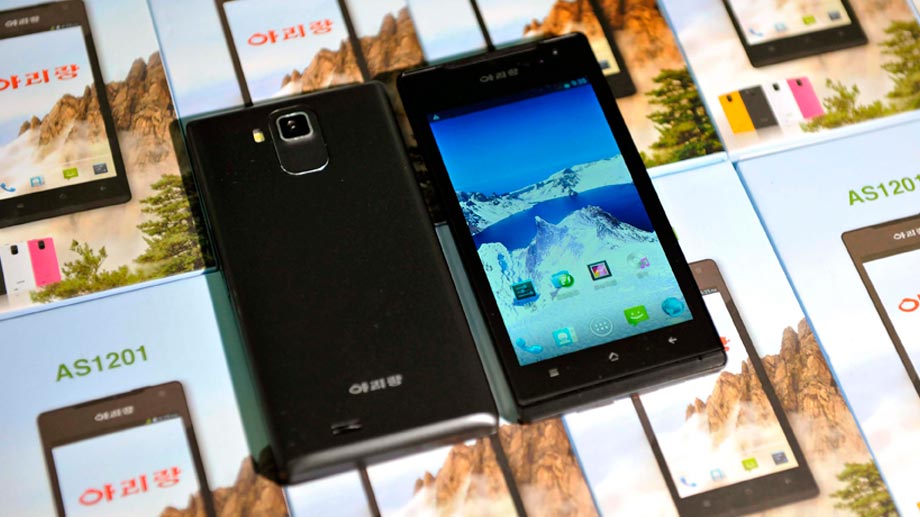
The announcement of North Korea’s first domestic smartphone, the Arirang, marks a significant intersection of technological aspiration and deep-seated cultural symbolism on the Korean peninsula. Named after the quintessential Korean folk song, the device was recently showcased during a high-profile visit by leader Kim Jong-un to the "May 11 Factory," where workers were seen assembling and testing the handsets. While the international community remains skeptical regarding the actual manufacturing origins of the device, the choice of the name Arirang is a calculated move that taps into a thousand-year-old cultural repository shared by both North and South Korea. This development comes at a time of heightened military and political friction, illustrating how soft power, cultural heritage, and modern technology are being leveraged to bolster national identity amidst regional instability.
Technical Specifications and Global Skepticism
The Arirang smartphone, officially designated as the AS1201, is reported to feature a high-resolution touch screen and a camera with "high pixels," according to state-run media outlets. During his inspection, Kim Jong-un praised the device for its "handy" use and its role in fostering national pride. However, technology analysts and regional monitors, including those at the North Korea Tech blog and various international news agencies, have noted that the factory visit showed workers inspecting finished products rather than engaging in the complex manufacturing of circuit boards or internal components.
Evidence suggests that the Arirang is likely a rebadged version of a Chinese-made smartphone, specifically the Uniscope U692. The device likely runs on a modified version of the Android operating system, though it is heavily restricted to prevent access to the global internet. Instead, users are limited to the North Korean domestic intranet, Kwangmyong. Despite these limitations, the introduction of the smartphone represents a shift in Pyongyang’s strategy to modernize its domestic image and provide a controlled digital experience for its emerging elite and middle class in the capital.
The Cultural Weight of the Arirang Folk Song
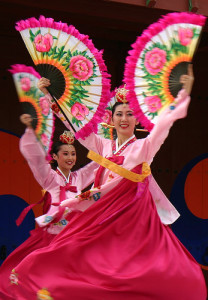
To understand why the name Arirang holds such immense weight, one must look beyond the hardware of a mobile device and into the psychological fabric of the Korean people. Arirang is not merely a song; it is often referred to as the unofficial national anthem of both Koreas. Its melody is recognized instantly across the peninsula, yet its origins are shrouded in antiquity, with estimates of its creation ranging from the 8th century to the late 19th century.
The song’s lyrical content is deceptively simple, often describing a protagonist crossing the "Arirang Pass." While many versions exist—most notably the Jeongseon, Jindo, and Miryang variations—they all share a common theme of "Han," a uniquely Korean concept of collective sorrow, resentment, and longing. This emotional resonance became a pillar of national identity during the Japanese colonial occupation of Korea (1910–1945). During this era, Arirang evolved into a song of resistance. The 1926 silent film Arirang, produced by Na Woon-gyu, used the song to symbolize the struggle against imperial oppression, cementing its status as a vessel for Korean nationalism.
In 2012, following concerted efforts by the South Korean government, UNESCO officially added Arirang to the Representative List of the Intangible Cultural Heritage of Humanity. Interestingly, North Korea followed suit with its own application, highlighting that the song serves as a rare bridge between the two ideologically opposed states.
Chronology of Regional Tensions and Cultural Milestones
The timeline of Arirang’s cultural ascent and the current technological rivalry is marked by several key events that have shaped the modern geopolitical landscape:
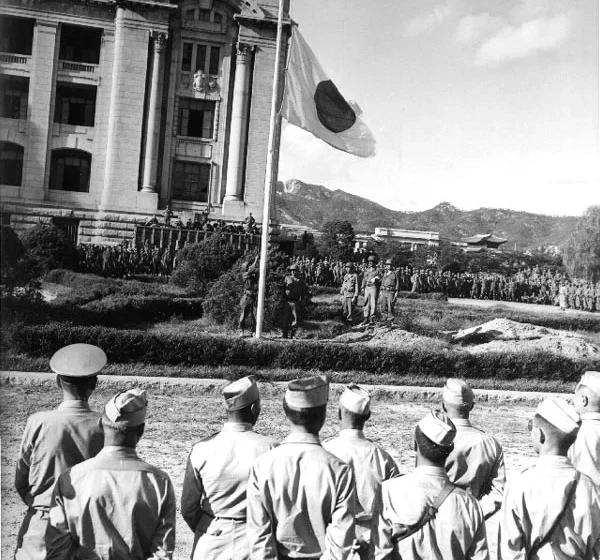
- 1910–1945: The Japanese Empire occupies the Korean Peninsula. Arirang becomes a symbol of national mourning and silent protest.
- 1945–1953: Following the surrender of Japan and the subsequent Korean War, the peninsula is divided into the North (DPRK) and the South (ROK). Both nations claim Arirang as part of their distinct but shared heritage.
- 1960s–1990s: South Korea undergoes the "Miracle on the Han River," transforming into a global tech leader. Meanwhile, North Korea develops its "Juche" (self-reliance) ideology, which influences its approach to domestic technology.
- 2002: The first Arirang Mass Games are held in Pyongyang. This massive synchronized performance, involving over 100,000 participants, uses the song’s themes to celebrate the North Korean state.
- 2012: UNESCO recognizes Arirang as a South Korean cultural heritage asset.
- 2013: North Korea unveils the Arirang smartphone, asserting its presence in the digital age while reclaiming the song’s name for its own industrial achievements.
The Japan-Korea Paradox: Cultural Affinity vs. Political Rivalry
The use of Arirang as a branding tool also reflects the complex relationship between Korea and Japan. Historically, the song found an unexpected audience in mainland Japan during the 1930s. Japanese audiences were drawn to the melancholic beauty of the melody, viewing it through a lens of nostalgia for a simpler, pre-industrial past. This cultural appropriation occurred even as the Japanese government sought to suppress Korean language and identity.
In the contemporary era, this paradox persists through the "Hallyu" or Korean Wave. While diplomatic relations between Seoul and Tokyo are frequently strained by territorial disputes over the Liancourt Rocks (Dokdo/Takeshima) and unresolved historical grievances regarding "comfort women," South Korean pop culture—K-Pop and K-Dramas—remains immensely popular in Japan. Similarly, reports suggest that despite strict prohibitions, South Korean media is a highly sought-after black-market commodity in North Korea.

The Arirang smartphone, therefore, is more than a communication tool; it is a defensive cultural maneuver. By naming their flagship technology after a song that the South has successfully branded on the world stage, Pyongyang is asserting its own legitimacy as the "true" guardian of Korean tradition.
Economic Implications and the Tech Arms Race
The launch of the Arirang smartphone must also be viewed through the lens of regional economic competition. South Korea is home to Samsung and LG, titans of the global electronics industry that have largely displaced Japanese giants like Sony and Panasonic in the smartphone market. For North Korea, the ability to produce—or at least distribute—a domestic smartphone is a matter of economic survival and prestige.
Data from the International Telecommunication Union (ITU) suggests that while mobile phone penetration in North Korea is low compared to the South, it has seen exponential growth among the urban population. The state-run cellular network, Koryolink, a joint venture with Egypt’s Orascom Telecom, reported over two million subscribers by 2013. The introduction of the Arirang device aims to capture this market and reduce reliance on imported Chinese handsets, even if the underlying technology remains foreign.
Official Responses and International Analysis
Official statements from Pyongyang emphasize that the Arirang smartphone was built using "indigenous technology." State media quoted Kim Jong-un as saying, "How nice it is to see the Arirang telephones being successfully produced with indigenous technology." This rhetoric is designed to bolster the domestic image of the leader as a modernizer.
Conversely, analysts from the South Korean Ministry of Unification have expressed skepticism, noting that the North lacks the semiconductor fabrication facilities required to produce high-end smartphone components. "The Arirang phone appears to be an attempt to show the North Korean people that their country is keeping pace with global trends, while simultaneously ensuring that all digital communication remains under the watchful eye of the state," noted one regional security expert.
The Japanese government has remained largely silent on the specific launch of the phone, focusing instead on the broader security implications of North Korea’s technological advancements, particularly in the realm of cyber warfare and missile guidance systems.
Broader Impact and Future Implications
The Arirang smartphone represents a microcosm of the current state of the Korean Peninsula: a place where ancient traditions are used to coat modern ambitions, and where technology is a tool for both liberation and control. The choice of the name "Arirang" serves as a reminder that despite the barbed wire of the Demilitarized Zone (DMZ), there is a shared aesthetic and emotional language that persists.
As the North continues to develop its domestic tech sector, the world will be watching to see if these devices eventually provide a window for the North Korean people to see the outside world, or if they will merely serve as a more efficient means of state surveillance. For now, the Arirang phone stands as a symbol of a divided nation’s search for identity in the 21st century—a digital echo of a song that has survived empires, wars, and ideological schisms. The "Arirang Pass" is no longer just a lyrical metaphor for hardship; it is now a digital gateway in a complex regional power struggle.