


The Evolution and Impact of Sasaeng Culture in the K-pop Industry: A Comprehensive Analysis of Fan Extremism and Artist Safety

The global phenomenon of K-pop is often defined by the intense loyalty and organized mobilization of its fanbases, yet a darker subculture known as sasaeng fans continues to pose significant security and psychological risks to artists. Derived from the Korean words "sa" (private) and "saeng" (life), the term refers to obsessive individuals who engage in invasive behaviors that transcend traditional fandom, often bordering on or crossing into criminal stalking. While the presence of overzealous fans is a reality for many international celebrities, the sasaeng phenomenon in South Korea is uniquely characterized by its systematic nature, technological sophistication, and the high level of physical proximity these individuals attempt to achieve with their idols.
Defining the Sasaeng Phenomenon and Its Core Behaviors
Sasaeng fans are distinct from "extreme fans" in that their primary objective is to gain access to the private lives of idols rather than supporting their professional endeavors. These individuals frequently operate in organized networks, sharing information regarding flight schedules, residential addresses, and private contact details. Common behaviors associated with this subculture include the hiring of "sasaeng taxis"—commercial drivers who specialize in high-speed chases to follow idols’ vans—and the use of digital hacking to monitor private communications.
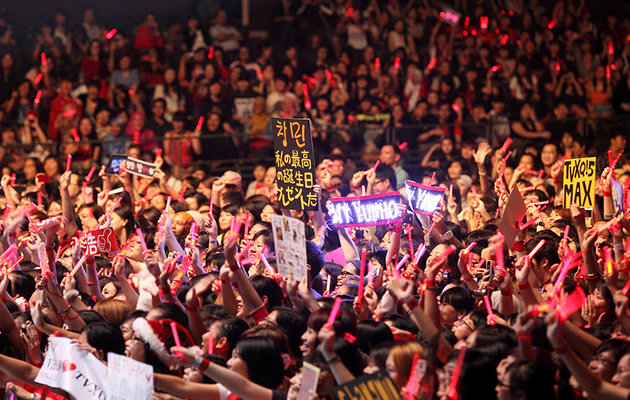
The breach of privacy often extends to physical trespassing. Reports from the industry have documented instances of sasaengs breaking into artist dormitories, stealing personal items such as undergarments for resale or "trophies," and installing hidden cameras. In extreme cases, these individuals have been known to enter residences while idols are sleeping to take photographs, or to purposefully cause minor traffic accidents to force the artists out of their vehicles for a physical encounter.
The Case of EXO and the Escalation of Fan Intrusion
In recent years, the boy group EXO, managed by SM Entertainment, has become a focal point for discussions regarding the dangers of sasaeng culture. Since their debut, the group has faced an unprecedented level of scrutiny and physical harassment. In a 2013 interview with Sports Seoul, the members expressed profound distress over the ongoing interference in their personal lives. The group highlighted that the intrusion had reached a point where it was no longer a matter of "fan love" but a significant burden on their mental well-being and safety.
Notable incidents involving EXO include the recording of member Tao singing in a hotel shower, which was later leaked online, and numerous "stampede" events at international airports. During these airport arrivals, the lack of adequate security cordons often resulted in fans linking arms with members or shoving them to the ground. The group’s experiences mirror those of their senior labelmates, TVXQ, who are historically cited as having one of the most aggressive sasaeng followings in the history of the industry. TVXQ members reported receiving hundreds of calls per day and having their phone numbers duplicated to track their GPS locations.

Historical Context and the Evolution of Extremism
The roots of sasaeng culture can be traced back to the late 1990s with the emergence of the first generation of K-pop "idols," such as H.O.T. and Sechs Kies. During this era, fan rivalry was often physical, and the lack of digital privacy laws allowed for early forms of stalking to go largely unchecked. As the industry transitioned into the second and third generations—marked by groups like Shinhwa, TVXQ, and later EXO—the methods of sasaengs evolved alongside technology.
A significant shift occurred with the advent of social media and smartphones. What used to require physical surveillance now involves the purchase of "data" from telecommunications insiders or airline staff. The "sasaeng taxi" industry also became more commercialized, with some drivers charging upwards of $500 a day to provide fans with 24-hour tracking services. This commercialization has created a self-sustaining ecosystem where the invasion of privacy is a profitable venture for third parties.
Psychological Drivers and Sociological Implications
The motivations behind sasaeng behavior are complex and often rooted in a desire for recognition from the idol. Sociologists suggest that in the highly competitive and often lonely social landscape of modern youth, the "parasocial relationship" between a fan and an idol provides a sense of purpose. For a sasaeng, being hated or noticed negatively by an idol is often preferable to being ignored. The pursuit becomes a competitive game within sasaeng circles, where the individual who obtains the most "intimate" or "secret" information gains the highest social capital within that specific subculture.

Furthermore, the "idol" branding itself contributes to this dynamic. Agencies often market idols as accessible, "ideal" partners or close friends. This marketing strategy, while successful for commercial growth, can blur the boundaries for younger or more vulnerable fans, leading them to believe they have a right to the artist’s private time.
Strategic Management and Industry Responses
The persistence of sasaeng culture has forced entertainment agencies and artists to adopt various mitigation strategies. These range from public condemnation to legal action and changes in promotional tactics.
1. Establishing Firm Boundaries and Public Communication
One of the most effective, albeit controversial, methods involves artists directly confronting the behavior. Shinhwa’s Kim Dong-wan famously stated during the group’s early years that "Shinhwa is not responsible for your lives," a remark intended to remind fans to prioritize their own education and well-being over obsessive following. While this led to an initial loss of some fans, it established a long-term culture of respect within the remaining fanbase. Similarly, members of TVXQ and EXO have used social media to plead for privacy, though the efficacy of these pleas is often limited when dealing with truly obsessive individuals.

2. Legal Recourse and Legislative Advocacy
For years, stalking laws in South Korea were criticized for being too lenient, often resulting in mere fines for "minor nuisances." However, increasing pressure from the industry and the public has led to a tightening of regulations. Agencies like SM Entertainment and Big Hit Music (now HYBE) have begun employing dedicated legal teams to monitor online harassment and file criminal complaints against persistent stalkers. The "Punishment of Stalking Crimes Act," which was significantly updated in recent years, now allows for prison sentences for those found guilty of persistent harassment, providing a more robust legal framework for artist protection.
3. Security and Logistics Overhaul
The logistics of idol travel have been drastically altered to combat sasaengs. This includes the use of VIP exits at airports, private terminals, and the booking of multiple "decoy" flights to mislead those who track flight manifests. Agencies have also increased the ratio of private security personnel to artists during public appearances to prevent the physical shoving and groping incidents seen in the past.
4. Managing the "Hype" and Marketing Strategies
Industry analysts have noted that the level of fan extremism is often correlated with the "hype" generated by big-company debuts. Groups from the "Big Three" agencies (SM, YG, and JYP) enter the market with pre-existing expectations, which can attract sasaengs even before the group has officially debuted. Some agencies have experimented with "surprise" debuts or focusing on older demographics to cultivate a more mature fanbase, though the visual-centric nature of K-pop marketing remains a primary driver for younger, more intense followers.

The Impact on Artist Mental Health
The long-term impact of living under constant surveillance cannot be overstated. Many idols have reported symptoms of anxiety, paranoia, and depression resulting from sasaeng activity. The feeling of being "hunted" in one’s own home or during private moments leads to a state of perpetual hyper-vigilance. The 2013 Sports Seoul interview with EXO was a rare moment of vulnerability where the members admitted that the stress of sasaengs often overshadowed the joy of their musical success.
The industry has seen several high-profile hiatuses where idols have stepped away from the spotlight due to "health reasons," which are frequently linked to the psychological toll of extreme fan pressure. As the conversation around mental health in South Korea becomes more open, there is a growing demand for agencies to prioritize the psychological safety of their artists over the demands of the market.
Conclusion: The Future of Fan-Artist Relations
Sasaeng culture remains an "unfortunate baggage" of the K-pop industry, a byproduct of a system that thrives on intense emotional investment. While the "12-step" satirical guides often circulated in fan communities highlight the absurdity of the situation, the reality is a serious security challenge that requires a multi-faceted approach involving legal reform, better agency management, and a shift in fan culture.

As K-pop continues to expand globally, the industry must grapple with how to maintain the passion of its fanbase without sacrificing the basic human rights of its performers. The evolution from the "silent suffering" of first-generation idols to the proactive legal and public stances taken by modern groups like EXO and BTS suggests a shift toward a more sustainable model. However, until the societal and psychological roots of sasaeng behavior are addressed, the shadow of the "private life fan" will likely continue to loom over the bright lights of the Hallyu wave. The ultimate goal remains a fandom environment where music and talent can be celebrated without the intrusion of criminal obsession, ensuring that the "fun" of K-pop is preserved for both the artists and the millions of respectful fans worldwide.