The Paradox of K-pop Fandom and the Escalating Pressures of Parasocial Relationships in the Digital Age

The global phenomenon of K-pop is built upon a foundation of unprecedented fan devotion, a symbiotic relationship where the success of an idol group is directly proportional to the mobilization of its domestic and international supporters. These fanbases are capable of extraordinary feats, from coordinating massive charitable donations and organizing elaborate "rice wreath" displays at concerts to orchestrating synchronized fan chants that define the live performance experience. However, this intense emotional and financial investment has a documented "dark side," characterized by privacy invasions, online harassment, and a sense of "consumer ownership" that often strips artists of their personal agency. Recent incidents involving prominent figures from SM Entertainment and YG Entertainment have brought these systemic issues to the forefront, highlighting the precarious balance between idol accessibility and the right to a private life.
Case Studies in Fan Interference: Social Media and Personal Privacy
In the early 2010s, as social media became the primary bridge between idols and their fans, the platform also became a battlefield for fandom-related conflicts. A prominent example occurred in mid-2013 when Krystal Jung, a member of the girl group f(x), was forced to deactivate her Instagram account, @kjungxox. The catalyst for this withdrawal was not a personal scandal, but rather the actions of another high-profile idol. G-Dragon, the leader of Big Bang, had "liked" several of Krystal’s photos. This seemingly benign interaction triggered a wave of dating rumors among the online community.
The reaction from a segment of G-Dragon’s fanbase was immediate and hostile. Krystal’s account was flooded with malicious comments, ranging from personal insults to direct threats. Furthermore, the account was targeted by multiple hacking attempts. The digital harassment reached a threshold where the artist chose to delete her presence on the platform entirely. This incident serves as a critical case study in how "shipping" culture and the jealousy of "solo stans" (fans dedicated to only one artist) can lead to the digital exile of female idols, who often bear the brunt of backlash in dating-related rumors.
The "Only 13" Movement and the Boundaries of Group Identity
The tension between fan expectations and company management is perhaps most visible in the history of Super Junior. Since the group’s inception, the "Only 13" movement—a faction of fans dedicated to maintaining the original 13-member lineup—has exerted significant pressure on SM Entertainment. This movement has consistently opposed the inclusion of Zhou Mi and Henry Lau, who were introduced as members of the sub-unit Super Junior-M.
In July 2013, the controversy reached a boiling point, prompting Super Junior member Eunhyuk to issue a public statement clarifying the group’s hierarchy. The statement followed intense demands from supporters who insisted on "clearly defined boundaries" between the official members and what they termed "guest members." Eunhyuk’s clarification that Zhou Mi and Henry were members of Super Junior-M, but not official members of the main Super Junior group, was seen by many industry analysts as a concession to the "Only 13" faction. This dynamic illustrates a broader trend in K-pop where fans believe they have the right to dictate the creative and structural decisions of a group, often at the expense of the professional integration and mental well-being of the artists involved.
The "Apology Culture": Jonghyun and the Cinema Incident
The expectation of "availability" is a cornerstone of the idol industry, often enforced by a perceived dating ban. In August 2013, SHINee’s Jonghyun was photographed at a movie theater with a female companion. Despite the lack of evidence suggesting anything beyond a platonic friendship, the images circulated rapidly on community sites, sparking a firestorm of speculation.
Jonghyun felt compelled to address the situation on Twitter, issuing a statement that reflected the heavy burden of "apology culture" in South Korea. He clarified that the companion was a non-celebrity friend and expressed concern that she might be hurt by the sudden attention. Most tellingly, he wrote: "Even though it’s not something I should be sorry about, I’m sorry." This statement highlights the psychological pressure on idols to mollify their fans, even when their actions—such as going to a movie with a friend—are perfectly normal for a young adult. The incident underscored the "parasocial contract," where fans provide financial support in exchange for the idol maintaining an image of perpetual singleness and accessibility.

Chronology of Toxic Fandom Events (2012–2013)
To understand the scale of these issues, it is necessary to look at the timeline of incidents that defined the era of transition into the "Third Generation" of K-pop:
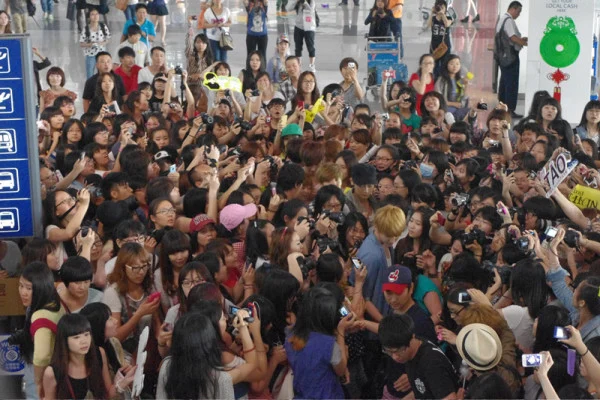
- January 2012: EXO, then a rookie group, experienced significant safety issues at airports. Fans swarmed the members, leading to physical altercations and several members falling due to the lack of adequate security cordons.
- June 2012: Luhan (then of EXO) was subjected to invasive filming and physical crowding, highlighting the rising trend of "sasaeng" (stalker) fans who follow idols to private locations.
- May 2013: Krystal Jung deactivates her Instagram following harassment from G-Dragon fans.
- July 2013: The "Only 13" movement successfully pressures SM Entertainment into clarifying the "guest" status of Henry and Zhou Mi during Super Junior’s promotional cycles.
- August 2013: Jonghyun issues a public apology for a movie outing, further cementing the industry’s trend of artist self-censorship to appease vocal minorities within the fandom.
The Economic and Social Mechanics of the "Fan-Consumer" Model
The K-pop industry is unique in its treatment of fans as "shareholders" rather than mere consumers. When a fan spends thousands of dollars on albums to win a fansign slot or donates large sums for a birthday billboard, they often develop a sense of entitlement. This is the "consumer is always right" mentality taken to a dangerous extreme.
Data from South Korean music industry reports suggests that the "core" fandom—the top 5–10% of spenders—drives a significant portion of a group’s physical sales. Because companies like SM, YG, and JYP are publicly traded entities, they are sensitive to any fluctuations in fan sentiment that could impact stock prices or revenue. This economic reality often leads companies to remain silent when fans behave inappropriately, as they fear alienating their most loyal financial supporters.
The physical safety of artists is also frequently compromised by this model. At airports, the lack of robust security personnel for certain groups has led to "stampedes." In these scenarios, fans push and step over one another, and in some documented cases, have even engaged in inappropriate physical contact or sexual harassment under the guise of trying to get close to their "bias." The silence of the entertainment agencies in the face of these safety violations is often criticized as a tacit endorsement of toxic behavior in exchange for continued engagement.

Analysis of Implications: The Character vs. The Person
At the heart of these conflicts is a fundamental misunderstanding of the idol as a human being. In the K-pop marketing machine, idols are often presented as "characters" in a narrative designed by the company and curated by the fans. When an idol deviates from this narrative—by dating, expressing an unpopular opinion, or changing their public image—the "readers" (the fans) feel a sense of betrayal.
This hypocrisy is most evident in the behavior of "netizens" (internet citizens). While many fans claim to protect their idols from malicious netizens, they often employ the same tactics—harassment, privacy invasion, and public shaming—when the idol does not meet their specific expectations of "perfection." The demand for perfection is a double-edged sword; it creates the high-polish entertainment that the world loves, but it also creates a poisonous environment for the individuals behind the makeup and choreography.
Conclusion: The Path Toward a Sustainable Fandom Culture
The "blind negativity" and inappropriate behavior observed in these incidents represent a systemic failure in the K-pop industry. For the industry to remain sustainable and ethical, a shift in the power dynamic is required. This involves:
- Agency Responsibility: Entertainment companies must prioritize artist safety over fan accessibility. This includes hiring professional security for all public appearances and taking legal action against those who hack or harass artists online.
- Artist Agency: Idols should be encouraged to set boundaries without the fear of career-ending backlash. The "apology culture" for non-scandals (like dating or socializing) must be dismantled.
- Fan Self-Regulation: The "mature" majority of fans must take an active role in reprimanding toxic behavior within their own ranks. As fans are capable of organizing massive charity projects, they are equally capable of enforcing a code of conduct that respects the privacy and humanity of the artists they support.
The success of K-pop is a testament to the power of community. However, that community must realize that their favorite idols are not products they own, but artists who deserve the same dignity and privacy as any other individual. Until the industry and the fans collectively decide to stop pandering to the most vocal and toxic elements of the community, these cycles of harassment and apology will continue to mar the genre’s global reputation.