“10-Year-Curse?” The Actual Reason For NCT DREAM’s On-Stage Tears Amid Disbandment And Enlistment Discussion
Article Editorial Team
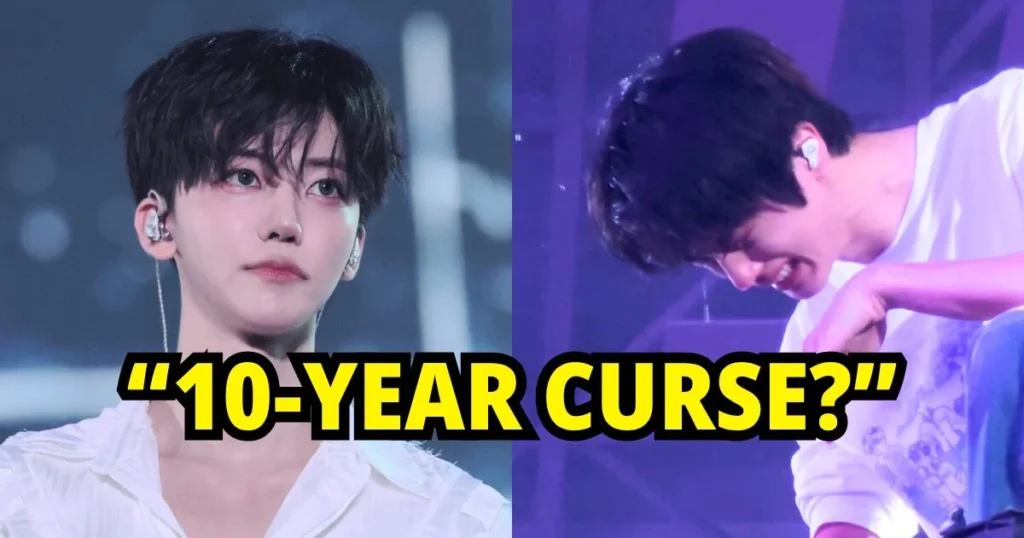
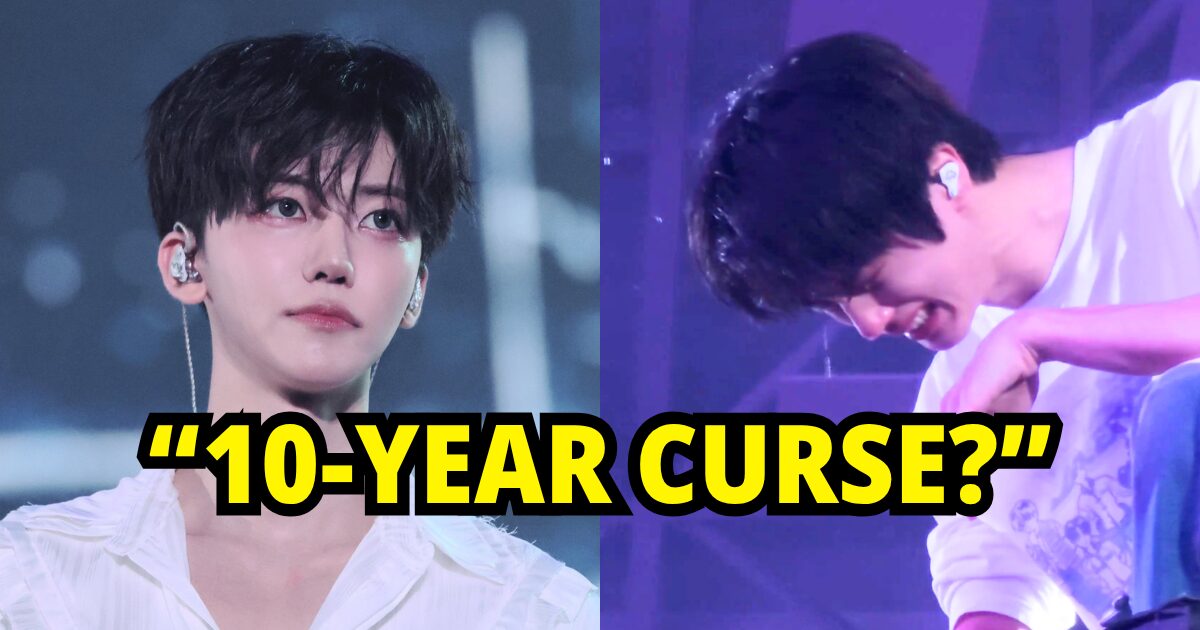
The final night of THE DREAM SHOW 4 was held amidst an atmosphere of palpable emotion, culminating in an unexpected outpouring of tears from the members of NCT DREAM. Fans present at the concert, as well as those following online, noted that even members typically known for their composure became visibly overwhelmed, openly sobbing during the concert’s closing moments. This uncharacteristic display of raw emotion immediately ignited a firestorm of concern across social media platforms, with NCTzens (NCT fans) questioning the underlying reasons for such intense reactions. The group, which debuted in August 2016, is approaching its tenth anniversary, a critical juncture in the careers of many K-Pop idol groups, often associated with contract renegotiations and potential changes in group lineups or activities.
The Emotional Culmination of THE DREAM SHOW 4
NCT DREAM, a sub-unit of the larger NCT brand under SM Entertainment, has garnered a massive global following since its debut. Known for their vibrant "youth dream" concept, powerful performances, and strong bond, the seven members – Mark, Renjun, Jeno, Haechan, Jaemin, Chenle, and Jisung – have cultivated a reputation for resilience and camaraderie. THE DREAM SHOW 4, their fourth world tour, marked another significant milestone in their career, showcasing their growth and global reach. The tour itself was a testament to their enduring popularity, selling out multiple dates across various continents and solidifying their status as one of K-Pop’s leading acts.
The March 29 finale, therefore, was anticipated to be a celebratory conclusion to a successful tour. However, as the concert drew to a close and the members delivered their final remarks, the mood shifted dramatically. Videos and fan accounts quickly surfaced online depicting several members, including those rarely seen crying on stage, struggling to hold back tears. The collective emotional breakdown was unlike previous tour finales, leading fans to believe there might be more to the tears than simply the bittersweet end of a concert series. This collective display of vulnerability resonated deeply with the fanbase, amplifying existing anxieties about the group’s long-term trajectory.
The Looming "10-Year Curse" and K-Pop Contract Realities
The immediate and most prominent concern among fans centered around the so-called "10-year curse," a phenomenon widely discussed within the K-Pop industry. This theory posits that idol groups often face significant challenges, including member departures, hiatuses, or even disbandment, around their seventh or tenth anniversary. The "7-year curse" is more commonly cited, stemming from the standard initial contract length for K-Pop idols, typically lasting seven years. At this point, groups must decide whether to renew their contracts with their agency, often leading to difficult negotiations, differing individual aspirations, or a desire for new ventures. For many groups, a successful initial renewal often leads to a shorter, typically three-year extension, bringing the total contract period to ten years. The upcoming tenth anniversary thus becomes another critical period for contract re-evaluation.
SM Entertainment, NCT DREAM’s agency, has a well-documented history with contract renewals and the "curse" phenomenon. Several prominent groups under SM have experienced lineup changes or complete disbandments around these contractual milestones. For instance, some members of Girls’ Generation and EXO eventually opted not to renew their exclusive contracts with the agency after lengthy careers, while other groups faced internal conflicts or departures much earlier. This historical context from their own label only intensified NCTzens’ anxieties, as they recalled previous instances where seemingly stable groups underwent significant transformations or ceased activities.
NCT DREAM’s unique formation also adds a layer of complexity to their contract situation. Initially conceived with a "graduation system" where members would leave the unit upon reaching adulthood (20 years old in Korean age), this system was officially abolished in 2020. This decision allowed the original seven members to remain as a fixed unit, a move that was met with immense relief and celebration by fans. This history, however, means that their journey has already involved significant structural changes, making any future shifts, particularly those related to contracts, feel even more precarious. With their debut on August 25, 2016, NCT DREAM officially reached their 7-year mark in August 2023, and their 10-year anniversary is rapidly approaching in August 2026. The concert on March 29, 2026, placed them just five months shy of this critical 10-year milestone, making contract negotiations an almost certainty and heightening fan apprehension.
Furthermore, online discourse had been rife with rumors preceding the concert finale. Unverified "insider info" regarding alleged disagreements between NCT DREAM members and SM Entertainment had circulated, adding fuel to the fire of fan worries. While the specifics of these rumors were speculative, their very existence contributed to an environment of unease, making the members’ visible distress on stage even more alarming to a fanbase already on edge. The combination of historical precedents, the group’s unique journey, and the timing of the concert near their 10th anniversary created a perfect storm of anxiety among NCTzens.
Jaemin’s Reassurance: A Timely Intervention
Amidst the escalating wave of concern, NCT DREAM member Jaemin took proactive steps to address the fanbase directly. Shortly after the concert, while being transported home, he initiated a live broadcast on Weverse, a fan communication platform. His impromptu appearance was a crucial intervention, providing much-needed clarity and reassurance during a period of intense emotional distress for fans.
Jaemin adopted a calm and comforting demeanor, immediately tackling the rampant speculation head-on. "Don’t cry," he urged fans, his voice gentle but firm. "I mean, on such a good day. We performed for six days. We finished everything so perfectly. Right? We are making such great memories, so why are you crying like this? Don’t cry." His words were a direct plea for fans to focus on the positive aspects of the successful tour rather than succumbing to fear.

He then directly addressed the biggest concern: the group’s future. "No, no. We can see each other again. We will see each other again," he reiterated, emphasizing the continuity of NCT DREAM’s activities. This direct promise countered the pervasive fear of disbandment or indefinite hiatus. He further elaborated on the emotional scene at the concert, offering a simple, relatable explanation for the members’ tears. "Nah, it’s always like that. One person starts crying and we all start crying together," he explained, suggesting a natural chain reaction among the tightly-knit members, rather than a deeper, more ominous reason. He concluded his message with powerful affirmations: "Promise, promise. We will see each other again. We will see each other again, babies! Babies, stop. I will protect you, so don’t worry."
Jaemin’s direct, heartfelt, and logical explanation served as an immediate balm for the worried fanbase. His live broadcast was quickly dubbed a "therapy session" by grateful fans online, who expressed immense relief and appreciation for his quick thinking and genuine concern. Social media platforms, which had been awash with anxious discussions and tearful reactions, saw a significant shift towards renewed hope and trust in the group’s future. This incident underscored the profound impact of direct artist-to-fan communication in mitigating crises and managing widespread emotional reactions within the K-Pop fandom.
Broader Implications for NCT DREAM and SM Entertainment
Jaemin’s reassurance, while calming immediate fears, does not entirely negate the inherent pressures that K-Pop groups face around contract renewal periods. However, it strongly suggests that the members of NCT DREAM are united in their desire to continue as a group. This sentiment, coming directly from a member, carries significant weight and provides a foundation for cautious optimism among NCTzens.
For NCT DREAM, the implication is a continued commitment to their collective journey. Fans now anticipate future musical releases, concert tours, and group activities, buoyed by the promise of their beloved idols. The incident also highlights the strong emotional bond within the group, where members are deeply affected by each other’s feelings, reinforcing their familial dynamic.
For SM Entertainment, the episode underscores the ongoing challenge of managing public perception and artist contracts in a highly scrutinized industry. While Jaemin’s swift response helped de-escalate the situation, the initial widespread panic demonstrates the fragility of fan trust and the intense emotional investment of K-Pop fandoms. The agency’s ability to navigate future contract negotiations transparently and in a manner that supports the artists’ well-being and the group’s integrity will be crucial. SM Entertainment has recently emphasized its "SM 3.0" strategy, which aims to enhance artist support, global expansion, and fan engagement. This incident could serve as a reminder of the critical importance of these initiatives, particularly in ensuring long-term artist satisfaction and group stability.
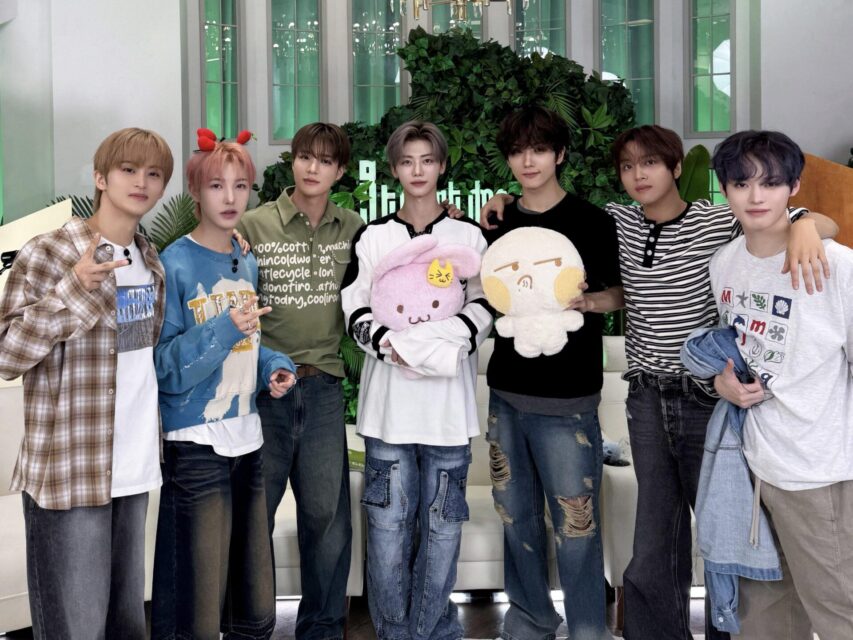
In a broader K-Pop context, this event reinforces the power of direct communication from artists in managing fan anxieties. In an era dominated by social media and rapid information dissemination, an idol’s personal message can often cut through speculation and rumor more effectively than official agency statements. It also sheds light on the emotional toll that the K-Pop industry can take on artists, even successful ones, as they navigate intense schedules, public scrutiny, and the uncertainty of contractual milestones.
In conclusion, while the final concert of THE DREAM SHOW 4 initially plunged NCTzens into a state of profound worry, Jaemin’s timely and heartfelt intervention provided a much-needed sense of reassurance. His promise of continued activities, coupled with a simple explanation for the members’ tears, has largely restored faith in NCT DREAM’s future. The "10-year curse" remains a significant discussion point within the K-Pop industry, but for now, NCT DREAM and their fans appear poised to face the future with a renewed sense of unity and hope, trusting in the bond between the members and their collective commitment to their shared dream.
Related News