2nd Gen Boy Group Member Under Fire For Using Explicit Words
Article Editorial Team
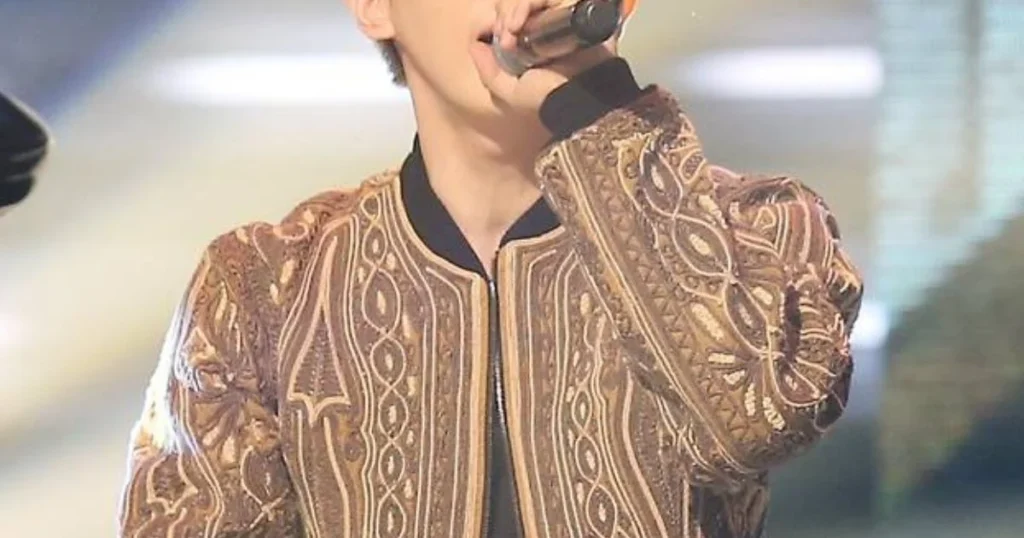
Former BEAST (now Highlight) member Jang Hyunseung has issued a formal apology after facing significant criticism for his use of an online slang term with deeply controversial associations. The incident, which unfolded on May 23, 2026, originated from screenshots of conversations between Jang Hyunseung and his fanbase on a dedicated fan communication platform, which subsequently rapidly disseminated across various online communities, sparking widespread debate and concern among fans and the general public alike.
Chronology of the Incident
The controversy began when a fan, curious about contemporary online lexicon, directly asked Jang Hyunseung on a fan communication platform about the meaning of "yareu," a relatively new Gen Z slang term. In his response, Jang Hyunseung clarified the term’s meaning, stating it was "a perfect replacement for ‘Anggimotti.’" This seemingly innocuous explanation, however, quickly ignited a firestorm. While "Anggimotti" is recognized by some internet users as a casual expression denoting a feeling of satisfaction or pleasure, its usage is reportedly far more complex and problematic within certain online communities. Specifically, the phrase has been frequently associated with Ilbe Storage (Ilbe), a highly controversial South Korean online forum infamous for its extreme right-wing, misogynistic, and often hateful content, including hate speech targeting women, minorities, and victims of historical tragedies. Many online users and media outlets commonly refer to Ilbe as an "incel site" due to the prevalence of involuntarily celibate and anti-feminist ideologies within its user base.
Upon seeing Jang Hyunseung’s response and its problematic association, fans quickly reacted with alarm. Many expressed immediate concern, with some directly messaging the idol to warn him about the term’s unsavory connotations and its ties to the Ilbe community. Jang Hyunseung reportedly engaged with these concerned fans, although his initial direct responses to their warnings were swiftly removed from the communication platform, indicating an awareness of the escalating situation and an attempt to mitigate immediate fallout. This removal, however, did little to stem the tide of screenshots that had already captured the problematic exchange, which continued to circulate and fuel public discussion.
Following the rapid spread of the screenshots and the ensuing public outcry, Jang Hyunseung released an official apology. In his statement, he unequivocally clarified that he had been unaware of the contentious context and broader implications behind the expression "Anggimotti" and its association with the Ilbe site. He expressed regret for his oversight and for causing concern among his fans and the wider public.
Background on Slang and Online Communities
The incident involving Jang Hyunseung underscores the perilous landscape of rapidly evolving internet slang and the significant challenges it poses for public figures. "Yareu" and "Anggimotti" are prime examples of terms that, while seemingly innocent on the surface or in certain contexts, can carry heavy baggage depending on their origin and primary usage within specific online subcultures. The digital realm is a fertile ground for linguistic innovation, with new terms, memes, and phrases emerging daily, often within niche communities. These terms can then seep into mainstream usage, sometimes without their controversial origins being widely known.
Ilbe Storage, or Ilbe, represents a particularly toxic corner of the Korean internet. Established in 2010, it quickly gained notoriety for its extreme right-wing political views, fervent anti-feminist rhetoric, and often offensive content. The site has been implicated in numerous controversies, including the disparagement of victims of the Sewol Ferry disaster, the promotion of hate speech against specific regions and demographics, and the normalization of misogynistic language. Consequently, any public figure associated with terms or symbols originating from or heavily used by Ilbe faces immediate and severe backlash, as such an association can be interpreted as an endorsement or tacit acceptance of the platform’s problematic ideologies. The term "Anggimotti" itself, while perhaps having a neutral literal translation, has been co-opted and infused with the negative connotations prevalent on Ilbe, making its casual use a significant misstep for anyone in the public eye.
Jang Hyunseung’s Career and Public Scrutiny
Jang Hyunseung, a prominent figure in the second generation of K-pop, debuted with BEAST (later rebranded as Highlight) in 2009. Known for his distinctive vocals and powerful stage presence, he contributed significantly to the group’s success before his departure in 2016 to pursue a solo career. His journey through the highly competitive K-pop industry has placed him under constant public scrutiny, a reality that applies to virtually all idols. Fan communication platforms, like the one where this incident occurred, are designed to foster closer, more direct interaction between idols and their fans. While intended to build rapport and community, these platforms also serve as direct channels where every word, nuance, and choice of expression is subject to immediate interpretation, analysis, and potential criticism. The expectation for idols to maintain an impeccable public image extends to their informal digital interactions, making digital literacy and cultural awareness paramount.
Fan and Public Reactions

The reactions to Jang Hyunseung’s gaffe were multifaceted, reflecting the complex relationship between idols and their fanbases, as well as broader societal concerns about online conduct. Many long-time fans expressed deep disappointment and concern, not only for the idol’s apparent lack of awareness but also for the potential damage to his image and career. Some articulated feelings of betrayal, emphasizing the responsibility public figures bear to be informed and sensitive, especially regarding platforms notorious for hate speech. These fans often highlighted the potential for such missteps to inadvertently normalize or legitimize harmful online cultures.
Conversely, a segment of the fanbase and some sympathetic observers defended Jang Hyunseung, echoing his apology that he genuinely "did not know the context." They argued that the rapid evolution of internet slang makes it challenging for anyone, let alone busy public figures, to keep abreast of every term’s nuanced origins and associations. This perspective called for more understanding and less immediate condemnation, advocating for education over cancellation. However, even these sympathetic voices generally agreed that the apology was necessary and that greater caution is warranted in future online interactions. The incident also sparked broader discussions among the general public regarding the pervasive influence of online communities like Ilbe and the societal imperative to counter hate speech, even when it appears disguised in seemingly innocuous slang.
Broader Impact and Implications
This incident is not an isolated occurrence but rather a recurring symptom of the challenges faced by public figures navigating the digital age. The rapid proliferation of internet slang, often born from insular online communities, presents a minefield for celebrities whose every utterance is amplified and scrutinized. The "Jang Hyunseung controversy" has thus sparked discussion online about several critical issues:
- Digital Literacy for Public Figures: The incident highlights the urgent need for enhanced digital literacy and cultural awareness training for celebrities, particularly K-pop idols. This extends beyond basic online safety to encompass a deep understanding of internet subcultures, the origins and connotations of slang, and the potential for seemingly harmless words to carry significant social and political weight. Management agencies are increasingly expected to provide such guidance to protect their artists from inadvertent controversies.
- Responsibility of Influence: As public figures, idols wield considerable influence over their young and impressionable fanbases. Unwittingly using terms associated with hate speech platforms can inadvertently expose fans to these communities or, worse, normalize the language and ideologies propagated within them. This places a higher burden of responsibility on idols to be diligent in their online communications.
- The Nature of Online Communication Platforms: While fan communication platforms offer a unique avenue for direct interaction, they also blur the lines between private and public discourse. The informal nature of these chats can lead to a false sense of security, where idols might use language they wouldn’t in a formal interview, only for it to be instantly screenshot, shared, and scrutinized by millions.
- Societal Combat Against Hate Speech: The swift and strong public reaction to Jang Hyunseung’s use of the term also reflects a broader societal intolerance for platforms like Ilbe and the hate speech they harbor. It serves as a reminder that public sentiment is increasingly against the normalization of such content, and any perceived connection, however accidental, will be met with severe censure.
- Precedent and Industry Standards: This event adds to a growing list of similar incidents involving public figures and controversial online content. It reinforces the evolving standards of conduct expected from celebrities in the digital age, setting precedents for how agencies and artists must proactively manage their online presence and interactions. The K-pop industry, in particular, with its global reach and highly engaged fandoms, is under constant pressure to uphold impeccable ethical standards.
In conclusion, Jang Hyunseung’s apology, while acknowledging his oversight, has brought into sharp focus the intricate complexities of online communication for public figures. The incident serves as a critical case study, prompting continued reflection within the entertainment industry and among the general public about the rapid evolution of digital language, the insidious spread of hate speech, and the indispensable role of awareness and accountability in an increasingly interconnected world. The challenge remains for idols and their management to navigate this complex digital terrain with vigilance, ensuring that their platforms of influence are used responsibly and without inadvertently endorsing harmful ideologies.
Related News