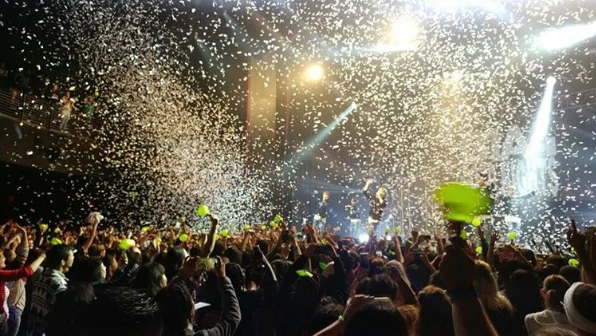
The phenomenon of the modern fandom has transcended the traditional boundaries of celebrity admiration, evolving into a sophisticated and powerful social movement that reshapes global culture. In the contemporary landscape of celebrity worship, major figures across the music, gaming, and social media influencer industries have cultivated vast, diverse fan bases. These groups, often unified by a specific "fandom name," operate with the primary objective of supporting their chosen celebrity. However, the convergence of social media and rapid globalization has fundamentally altered the scale and impact of these communities. As physical borders and cultural barriers diminish, the collective power of fandoms has transitioned from simple enthusiastic support to influential social and political action.
This transformation is most visible within the sphere of K-pop, where the intersection of fandom and globalization has yielded unprecedented results. From dominating global trending topics to organizing multi-million dollar donation drives and influencing political events, K-pop fandoms have demonstrated a capacity for organization that rivals established political NGOs. Yet, as these groups increasingly engage with social justice movements, a complex dichotomy emerges. While fandoms are capable of generating significant positive change, the same mechanisms used for social good can be weaponized against the very individuals and causes they claim to support, revealing a tension between genuine activism and the protective instincts of celebrity worship.
Defining the Fandom as a Social Movement
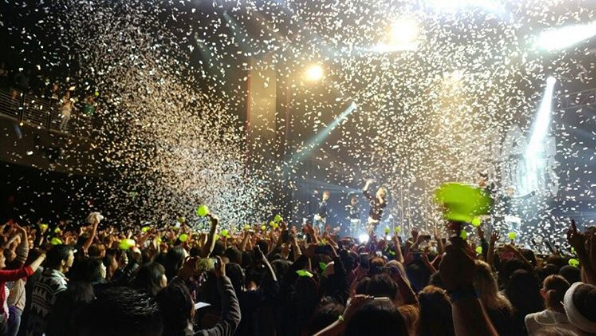
To understand the current state of K-pop activism, it is necessary to define what constitutes a social movement. Sociologically, social movements are forms of collective action involving networks of interactions between groups and individuals. These movements are driven by a common goal that emerges from a shared collective identity. Under this definition, K-pop fandoms qualify as modern social movements. They span diverse demographics—including various races, ages, sexualities, and geographic locations—and execute highly effective, coordinated actions to support a central figure or group.
The efficacy of these fandoms is rooted in the concept of collectivism. Unlike Western individualistic models, collectivism emphasizes the well-being and goals of the community over the individual. This cultural framework is deeply embedded in South Korean society, influencing everything from corporate structures to family life. When applied to K-pop, collectivism allows millions of individual fans to synthesize their efforts into a singular, unified force. Whether it is through mass voting for awards, coordinated album purchasing to influence chart positions, or global hashtag campaigns, the fandom operates as a synchronized unit, driven by a shared devotion to their "idol."
The Role of Globalization and the Rise of Hallyu
Globalization has served as the essential vehicle for the international expansion of K-pop. Defined as the complex web of economic, social, political, and cultural changes that allow ideas to transcend national borders, globalization has enabled South Korean culture—often referred to as the "Hallyu" or Korean Wave—to gain a foothold in Western markets. The success of this movement is evident in the recent accolades achieved by South Korean media. In 2020, Bong Joon-ho’s Parasite made history by winning Best Picture at the Academy Awards, and in 2021, Youn Yuh-jung secured the Oscar for Best Supporting Actress for her role in Minari.
Beyond cinema, K-pop stands as the most prominent example of successful globalization. Groups like BTS have consistently sold out stadium tours across North America and Europe, while mainstream Western publications such as Vogue and Refinery29 now provide regular coverage of the industry. This global reach is further amplified by digital marketing strategies that prioritize "shareability." Reaction videos, for instance, have become a genre unto themselves. Channels like "ReacttotheK" leverage the visual and musical complexity of K-pop to engage diverse audiences, including classical music students and professional musicians. This creates a feedback loop where globalization continually pushes K-pop into new cultural spheres, further expanding the reach and power of the associated fandoms.
A Chronology of K-pop Activism and Political Engagement
The year 2020 marked a significant turning point for K-pop fandoms, as their collective power was increasingly directed toward sociopolitical causes. The following timeline highlights key moments where fandom organization translated into tangible real-world impact:
June 4–7, 2020: The #MatchAMillion Campaign
Following the tragic death of George Floyd, BTS and their label, Big Hit Entertainment (now HYBE), issued a public statement in support of the Black Lives Matter (BLM) movement, accompanied by a $1 million donation. Within 24 hours of the announcement, the BTS fan base, known as ARMY, launched the #MatchAMillion campaign. Organized by the fan-led collective "One in an ARMY," the movement successfully raised over $800,000 in a single day, reaching the $1 million goal by June 7. This event demonstrated the speed and financial mobilization capacity of digital fandoms.
June 2020: Disrupting the Tulsa Rally
In one of the most publicized instances of "fandom pranking," K-pop fans and TikTok users claimed credit for sabotaging a campaign rally for then-President Donald Trump in Tulsa, Oklahoma. Fans reportedly registered hundreds of thousands of tickets for the event with no intention of attending. While the Trump campaign denied that the digital interference affected attendance, the actual turnout of approximately 6,200 people fell significantly short of the anticipated 19,000-seat capacity, leading many political analysts to cite the incident as a prime example of digital collective action.
June 2020: Co-opting Racist Hashtags
During the height of the 2020 social justice protests, white supremacist groups attempted to trend hashtags such as #WhiteLivesMatter and #BlueLivesMatter to drown out BLM discourse. In response, K-pop fans flooded these hashtags with thousands of "fancams"—short video clips of idols performing. The sheer volume of K-pop content effectively broke the hashtags’ algorithms, rendering them useless for those attempting to spread racist rhetoric.
The Dual Nature of Fandom Power: Protection vs. Activism
While the achievements of K-pop fandoms in the realm of social justice are significant, the movement is not without its controversies. The same organizational strength used to fight racism or raise money for charity is often employed to silence criticism and protect idols from accountability.

One of the most prevalent practices in this regard is "clearing the searches." When an idol is involved in a scandal—such as allegations of bullying, cultural appropriation, or the use of offensive language—fans coordinate to flood search engines and social media platforms with positive keywords and images. This practice is designed to bury negative news and obscure information from the general public. While fans view this as an act of protection, critics argue it prevents necessary discussions regarding accountability and social responsibility.
Furthermore, minority fans within these communities have frequently reported experiences of "dogpiling" and harassment. When Black fans or other marginalized groups voice concerns about an idol’s behavior (such as the use of racial slurs or the appropriation of hairstyles), they are often met with a wave of hostility from fellow fans. In these instances, the collective goal of "protecting the idol" takes precedence over the social justice values the fandom claims to uphold.
Analysis of Implications: Fandom is Not Activism
The rise of K-pop fandoms as social movements presents a unique challenge for sociologists and political scientists. On one hand, these groups have proven that they can mobilize faster and more efficiently than many traditional organizations. They have the power to influence elections, support global charities, and provide a sense of community to millions of people.
However, the fundamental motivation of a fandom-based movement differs from that of a traditional activist movement. In a social justice movement, the goal is systemic change or the advancement of a cause. In a fandom movement, the ultimate goal is the person—the idol. This distinction is critical. Because the primary objective is the preservation of the idol’s reputation and success, the "activism" performed by fandoms is often conditional. It is supported when it aligns with the idol’s image but can be discarded or inverted when the idol’s interests are threatened.
As K-pop continues to integrate into the global mainstream, the influence of its fandoms will likely grow. The digital infrastructure they have built—spanning global communication networks and sophisticated fundraising tools—is a testament to the power of modern collectivism. Yet, the transition from celebrity worship to genuine social activism requires a level of internal critique and accountability that many fandoms have yet to achieve.
Ultimately, while K-pop fans have successfully harnessed the tools of social movements to achieve remarkable feats, the community remains a "person-centric" movement. The power of the collective is undeniable, but as long as the primary mission is the protection of a celebrity rather than the pursuit of justice, the label of "activism" remains a complicated and often contested fit. The future of these movements will depend on whether they can reconcile their devotion to their idols with the broader ethical demands of the global society they now inhabit.