
Ji Yeon Soo, a prominent television personality and former racing model, has ignited a public conversation regarding the financial and systemic challenges faced by single mothers in South Korea. In a comprehensive video uploaded to her official YouTube channel on June 29, 2026, Ji addressed the often-misunderstood nature of child support, characterizing it not as a discretionary allowance for the custodial parent, but as a fundamental right of the child. During the broadcast, she provided rare transparency into her own financial arrangements, revealing the specific amount she receives from her former husband, Eli, a former member of the K-pop group U-KISS. This disclosure comes at a time when Eli has reportedly moved forward with his personal life, having recently entered into a new marriage.
The Financial Reality of Single Motherhood in South Korea
During the video, Ji Yeon Soo acted as a confidante for other single mothers, reading through submitted stories that highlighted the recurring struggle of securing timely child support payments. One particular narrative involved an ex-husband who allegedly defaulted on his financial obligations to his child while simultaneously displaying a lifestyle of luxury and high-end purchases on social media platforms. Ji’s reaction was one of firm advocacy, emphasizing that child support is essential for a child’s basic needs, including nutrition, education, healthcare, and transportation.

"Child support is money that helps raise a child as they grow up, so it is the child’s right," Ji stated. She critiqued a common psychological barrier among non-custodial parents, noting that many men perceive these payments as personal gifts or alimony to their former wives rather than as an investment in their offspring’s welfare. According to Ji, this fundamental misunderstanding of parental duty is a primary hurdle in the enforcement of support agreements.
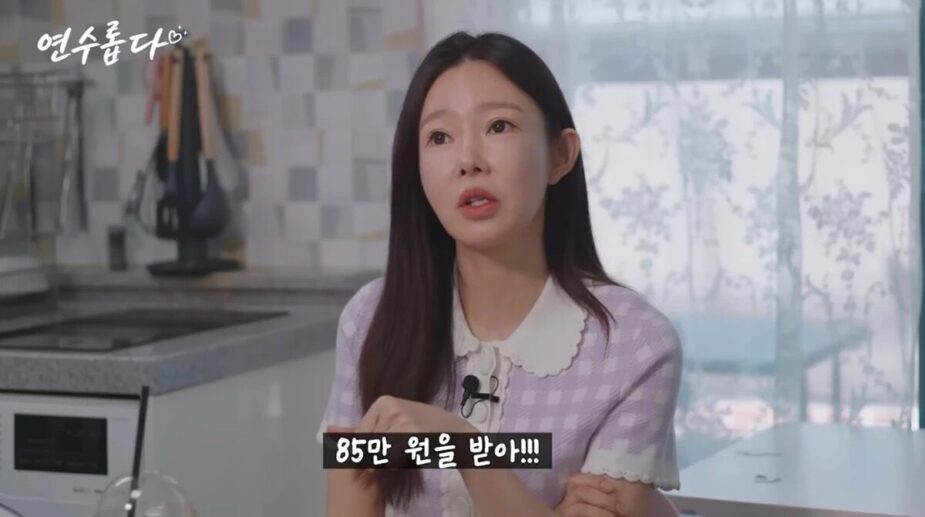
Ji further revealed the specific figures of her own arrangement. She disclosed that Eli pays her ₩850,000 KRW per month, which is approximately $554 USD at current exchange rates. While this amount is above the absolute legal minimum, Ji argued that it remains insufficient when compared to the actual cost of living in modern South Korea. She pointed out that the national minimum child support for the youngest age brackets currently sits around ₩640,000 KRW (approximately $417 USD), a figure she views as drastically disconnected from economic reality.
Analysis of the Child Support Calculation Standards
A significant portion of Ji’s critique was directed at the "Child Support Guideline Table," a framework utilized by South Korean courts to determine payment amounts based on the combined income of the parents and the age of the child. Ji argued that the current standards are outdated and fail to account for the rapid inflation and the rising costs of private education and healthcare that have characterized the Korean economy in recent years.

"There is a child support calculation table, but it’s from several years ago," Ji explained. "Prices keep going up, but the calculation table is still lacking, so it’s nowhere near enough."
Economic data supports Ji’s concerns. South Korea has seen a steady rise in the Consumer Price Index (CPI), particularly in sectors related to child-rearing. The cost of "hagwons" (private academies), which are considered essential for academic competitiveness in South Korea, often exceeds the total monthly child support payment for a single subject. By highlighting the discrepancy between the legal guidelines and the real-world expenses of raising a son in Seoul, Ji has brought attention to a systemic issue that affects thousands of non-celebrity households.
A Chronology of the Relationship: From Public Marriage to Divorce
The relationship between Ji Yeon Soo and Eli was one of the most publicized "age-gap" romances in the Korean entertainment industry. The couple married in June 2014, a union that garnered significant media attention due to the 11-year age difference between Ji and Eli. In 2016, they welcomed their son, Michael (Min-soo), and their family life was frequently documented on reality programs such as KBS2’s Mr. House Husband.

However, the marriage faced numerous public and private pressures. In November 2020, Eli announced via social media that the couple had decided to part ways. The divorce was finalized shortly thereafter, with Ji Yeon Soo taking primary custody of their son. In 2022, the former couple appeared on the TV Chosun reality show We Got Divorced 2, which aimed to explore the possibility of reconciliation or, at the very least, a healthy co-parenting dynamic. While the show featured emotional moments of Eli spending time with his son and the former couple discussing their grievances, they ultimately decided not to reunite.
Following the conclusion of the show, Eli returned to the United States for a period before eventually returning to Korea to pursue business ventures. Reports recently surfaced that Eli has since remarried, a development that Ji Yeon Soo has acknowledged with a pragmatic outlook, focusing her energy on her career and her son’s upbringing.
The Psychological Toll and the "Zero Expectations" Strategy
One of the most poignant moments of Ji’s YouTube broadcast was her advice to mothers who receive no support at all. When the production team noted that a large percentage of single parents in Korea struggle to collect any form of payment from their ex-spouses, Ji’s response was one of "brutal honesty" born from experience.
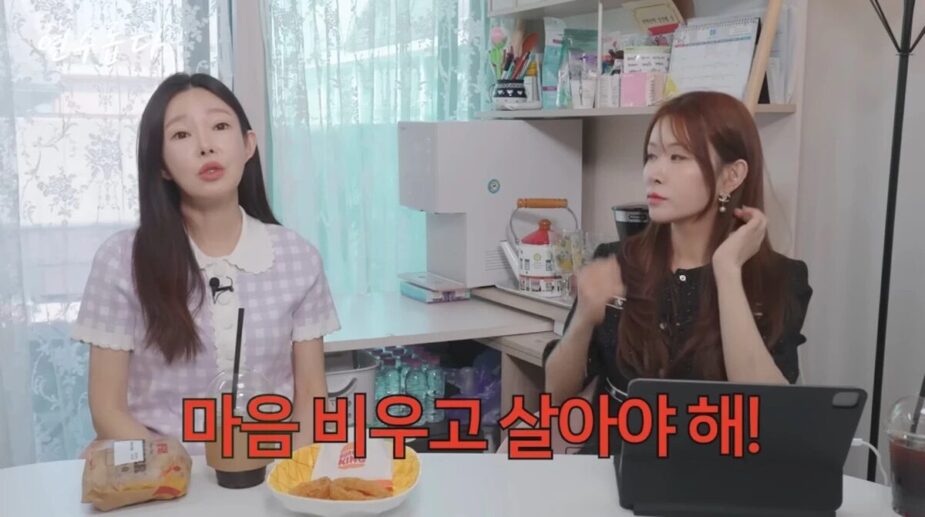
She advised mothers to adopt a mindset of "zero expectations" regarding their ex-partners. "If you keep thinking about it, you’re the only one who ends up collapsing," she warned. Ji argued that the mental and emotional energy spent chasing a non-compliant parent can often be more damaging to the mother’s health and the child’s environment than the loss of the money itself. She suggested that, in cases of extreme non-compliance, it is often more productive for the custodial parent to focus on their own earning potential—such as taking on part-time work—rather than remaining in a state of perpetual legal and emotional conflict.
This perspective highlights a grim reality in South Korean family law: while the "Bad Fathers" website and recent legislative changes have sought to shame and penalize non-payers (including measures like driver’s license suspension and travel bans), the actual collection of funds remains a bureaucratic challenge for many.
Broader Implications for South Korean Society
Ji Yeon Soo’s transparency is part of a growing trend of "divorce positivity" and transparency in South Korea, a society that has historically stigmatized broken marriages and single parenthood. By openly discussing the ₩850,000 KRW payment, Ji is demystifying the lifestyle of celebrity divorcees and grounding the conversation in relatable financial terms.
Legal experts suggest that Ji’s public critique of the calculation tables may resonate with ongoing calls for legislative reform. The Ministry of Gender Equality and Family has periodically updated the Child Support Guidelines, with the most recent major revision in 2021, but critics argue these updates do not move fast enough to keep pace with the hyper-competitive educational landscape of Korea.
Furthermore, the involvement of public figures like Ji Yeon Soo helps to shift the narrative from "charity" to "legal obligation." Her insistence that child support is a "child’s right" aligns with international standards set by the UN Convention on the Rights of the Child, to which South Korea is a signatory.
Conclusion and Future Outlook
As Ji Yeon Soo continues to build her independent career through television appearances and digital content, her role as an advocate for single parents appears to be strengthening. By sharing her personal experiences and the specific financial details of her life post-divorce, she provides a roadmap for others navigating similar circumstances.
The public response to her video has been largely supportive, with many viewers praising her resilience and her realistic approach to co-parenting in the wake of Eli’s remarriage. While the ₩850,000 KRW monthly payment from Eli serves as a baseline for their son’s needs, Ji’s message remains clear: the responsibility of a parent transcends legal minimums, and the strength of a single mother often lies in her ability to provide stability even when the system and the former spouse fall short.
The ongoing discourse sparked by Ji Yeon Soo is expected to contribute to the pressure on policymakers to further refine enforcement mechanisms and ensure that the "Child Support Guideline Table" reflects the true cost of raising the next generation in an increasingly expensive world. For now, Ji remains focused on her son, Michael, ensuring that his rights are protected while maintaining her own professional and emotional independence.