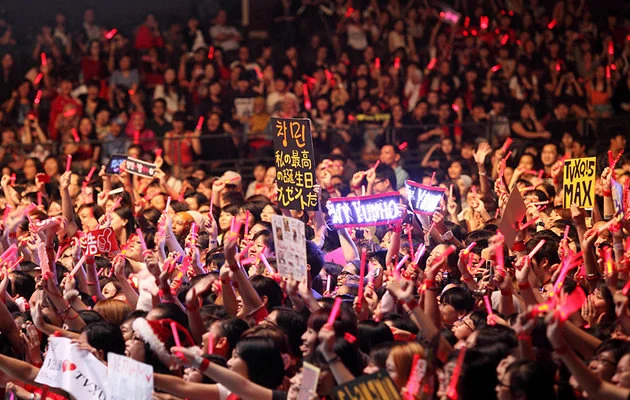
The global ascent of South Korean popular music, commonly known as K-pop, has transformed the traditional relationship between artists and their audience into a complex, multi-layered social and economic ecosystem. Central to this phenomenon is the concept of the "fandom," a highly organized community of supporters whose activities extend far beyond mere music consumption. For the uninitiated, entering the world of K-pop involves navigating an intricate system of terminology, hierarchy, and digital infrastructure that distinguishes it from Western pop music fan cultures. While many listeners engage with the genre solely for its melodic and visual appeal, the internal politics and structural divisions of these communities are often unavoidable for those seeking a deeper connection to the scene.
The Hierarchical Structure of K-pop Fan Communities
In most global entertainment sectors, a fan is generally defined by their interest in a specific medium or artist. In the K-pop industry, however, fandom is characterized by a granular division of loyalty. At the broadest level, an individual may identify as a K-pop fan, participating in the general community that follows the industry’s trends, news, and major releases. However, the culture encourages a more specific alignment with individual groups, each of which possesses a unique, company-assigned fandom name and identity.
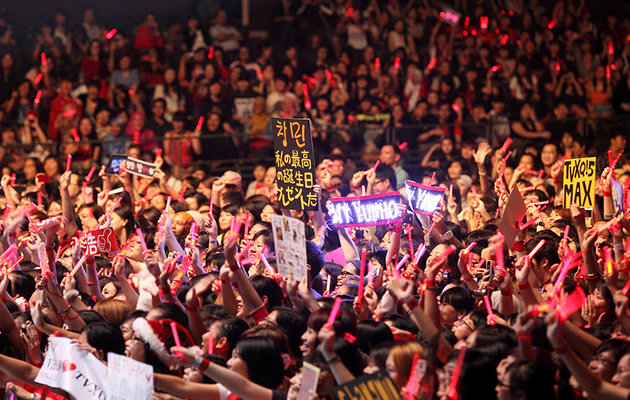
For instance, a supporter of the group SHINee is identified as a "Shawol," a portmanteau of the group’s official fan club name, SHINee World. Within this group-level fandom, further subdivisions exist based on an individual’s "bias"—their favorite member of the group. A fan who favors the member Taemin might identify as a "Taemint." This layering creates a micro-community structure where fans can find common ground at various levels of specificity.
This system, while fostering a strong sense of identity, also invites internal friction. Unlike general movie fans who might disagree over the quality of a film, K-pop fans often engage in "fan wars" or internal disputes regarding the distribution of lines in a song, screen time in a music video, or the perceived mistreatment of a specific member by their management agency. The "bias" system, while a tool for engagement, frequently leads to "solo stans"—fans who support only one member—sometimes at the expense of the group’s collective harmony.
The Evolution of Fan Engagement: A Chronological Overview
The structure of K-pop fandoms has evolved significantly since the genre’s inception in the early 1990s. Understanding this timeline is essential for comprehending the current state of global fan engagement.

- The First Generation (1990s – Early 2000s): Fandoms for groups like H.O.T. and Shinhwa were primarily domestic and physically oriented. Fans utilized colored raincoats and balloons to signify their allegiance during live performances. Communication was largely localized through fan clubs and telephone hotlines.
- The Second Generation (Mid-2000s – 2011): The rise of the internet and social media platforms like YouTube and Twitter began to bridge the gap between Korean idols and international audiences. Groups such as Girls’ Generation, BIGBANG, and Super Junior saw the emergence of dedicated international fan sites that translated content into English, making the genre accessible to a global audience for the first time.
- The Third and Fourth Generations (2012 – Present): The current era is defined by the total globalization of K-pop, led by acts such as BTS, BLACKPINK, and Stray Kids. Engagement has moved from fan-run forums to centralized, company-owned platforms. The integration of technology has allowed for real-time interaction between artists and fans regardless of geographic location.
Institutionalized Fandom: The Role of Official Fan Cafes
For the most dedicated fans, the "official" route of engagement involves joining a group’s fan café, typically hosted on the Korean web portal Daum. These cafes serve as the primary communication hub between the management agency and the fan base. Membership in an official fan café offers tangible benefits, including early access to concert tickets, opportunities to attend music show recordings (such as Mnet’s M Countdown or KBS’s Music Bank), and exclusive merchandise.
However, the barrier to entry for international fans remains high. These platforms are predominantly in Korean and often require a Korean phone number or resident registration number for full verification. While international guides exist to help non-Korean speakers navigate the "level-up" process—a series of tasks or questions required to gain full access—the practical benefits are limited for those not residing in South Korea.
In recent years, the industry has seen a shift toward proprietary platforms like HYBE’s Weverse or SM Entertainment’s Lysn (Bubble). These apps are designed with a global audience in mind, offering multi-language support and paid subscription models that allow fans to receive "private" messages from their favorite idols. According to industry data, Weverse reached over 10 million monthly active users by 2023, illustrating the massive scale of institutionalized digital fandom.

The Rise of International Fan Groups and Digital Contributions
Given the barriers to official Korean platforms, international fans have developed a robust parallel infrastructure. Independent fan sites and social media communities serve as the lifeblood of the global K-pop scene. These groups are responsible for critical tasks that the official agencies often overlook, such as:
- Translation and Subtitling: Volunteer teams translate lyrics, variety show appearances, and social media posts, ensuring that non-Korean speakers remain engaged with the artist’s narrative.
- Philanthropy and "Rice Wreaths": A unique aspect of K-pop culture is the "rice wreath," where fans donate large quantities of rice to charity in an artist’s name to celebrate a concert or comeback. International fan groups often coordinate massive fundraising efforts for global causes, such as environmental conservation or disaster relief, to bolster their artist’s public image.
- Digital Streaming and Charting Projects: Modern fandoms are highly data-driven. Organized groups coordinate "streaming parties" to ensure music videos reach milestone views and songs rank high on global charts like the Billboard Hot 100 or Spotify Global Top 50.
Economic Impact and Fandom Data
The commitment of K-pop fandoms translates into significant economic power. Data from the Korea Customs Service revealed that K-pop album exports reached a record high of $290 million in 2023, a trend driven largely by fan communities that purchase multiple copies of albums to collect "photo cards"—small, collectible portraits of individual members included in the packaging.
The "photo card" economy has become a market unto itself, with rare cards fetching hundreds or even thousands of dollars on secondary markets. This level of commercial engagement is a testament to the "bias" system, where the desire to possess an image of a specific member drives significant revenue for entertainment companies.

Fandom Politics and the Challenges of Internal Conflict
Despite the communal benefits of fandom, the landscape is often fraught with political tension. "Fandom politics" refers to the unwritten rules and social hierarchies within these communities. Long-term fans may look down upon "new fans" (often derogatorily called "locals" or "newbies"), while different group fandoms may clash over award show results or perceived plagiarism.
One of the more controversial aspects of K-pop fandom is the "Sasaeng" phenomenon. Sasaengs are obsessive individuals who engage in stalking and privacy-invasive behaviors, such as following artists to their dormitories or purchasing their private flight information. While the broader fandom generally condemns these actions, the line between "extreme dedication" and "harassment" is a frequent point of debate within the community.
Furthermore, the pressure to "stan" correctly can lead to burnout. Fans often feel an obligation to spend money on every release and spend hours voting on music show apps. This "labor-based" fandom model has been criticized by sociologists for commodifying the fan experience and turning a hobby into a high-pressure environment.

Broader Implications for the Global Music Industry
The K-pop fandom model has fundamentally altered the global music industry’s approach to consumer engagement. Western artists are increasingly adopting K-pop strategies, such as the use of "collectible" album variants and direct-to-fan messaging apps. The level of loyalty seen in K-pop fandoms is now a blueprint for building a sustainable, high-revenue artist brand in the digital age.
The success of these communities lies in their ability to provide a sense of belonging. In an increasingly digital and isolated world, being a "Shawol" or an "ARMY" (BTS’s fandom) offers a global network of friends and a shared purpose. The collective power of these groups has even spilled over into the political sphere, with fans using their organizational skills to influence social justice movements and digital activism.
Ultimately, the K-pop fandom experience is defined by the individual’s level of involvement. Whether one is an "official" member of a fan café in Seoul or a casual listener on Tumblr, the community provides a platform for creativity, social interaction, and emotional connection. While the intricacies of fan chants, official colors, and internal politics may seem daunting to outsiders, they are the threads that weave together one of the most dedicated and influential subcultures in modern entertainment. As the industry continues to expand, the definition of a "fan" remains personal, rooted not in the amount of money spent or the number of albums owned, but in the genuine affinity for the art and the artists who create it.