
The South Korean entertainment industry, a global powerhouse known as the Hallyu wave, has long been a subject of international fascination, not only for its musical and cinematic exports but also for its rigorous aesthetic standards. In recent years, the discourse surrounding plastic surgery has moved from the fringes of tabloid speculation into the heart of mainstream media. Whether navigating search engines like Naver and Daum or browsing international platforms like Google, the auto-suggestion of "plastic surgery" or "before and after" remains an almost permanent fixture alongside the names of top-tier celebrities. This phenomenon reflects a broader societal obsession with physical perfection, a trend that is both championed and criticized within the cultural fabric of South Korea.
The Public Debate: G.NA and the Defense of Aesthetic Enhancement
A pivotal moment in the public discourse occurred when solo artist G.NA engaged in a televised debate regarding the merits of cosmetic procedures. During an appearance on a popular variety program, G.NA faced off against comedian Lee Yoon-suk, who voiced a traditionalist disapproval of plastic surgery. Lee argued that altering one’s appearance through surgical means could be viewed as a "violation of the marriage oath," suggesting that a partner should remain satisfied with their spouse’s natural features. He contended that the argument for "self-satisfaction" was often a facade for deeper insecurities that surgery could not truly resolve.
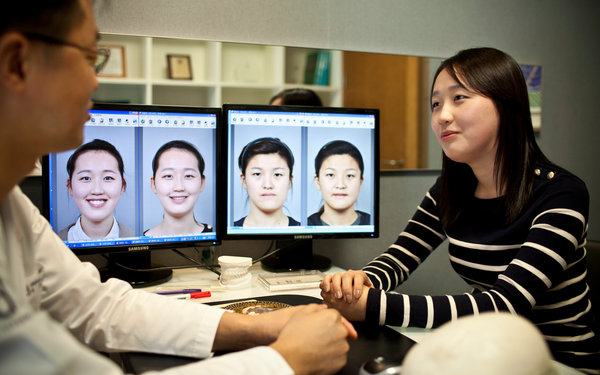
In response, G.NA offered a defense rooted in psychological well-being and personal autonomy. She emphasized the importance of "personal satisfaction and happiness," citing her own grandfather’s positive experience with hair transplants as a catalyst for improved self-esteem. G.NA argued that for many individuals, correcting a perceived physical flaw can provide a critical boost to mental health and confidence. The exchange highlighted a significant generational and ideological rift: while Lee represented the view that beauty is an inherent, unalterable trait linked to authenticity, G.NA represented the modern perspective that the body is a customizable vessel for personal happiness.
This defense was particularly notable given G.NA’s position in the industry. As a high-profile "idol," her features have frequently been the subject of scrutiny. By speaking out, she provided a rare counter-narrative to the standard denials issued by many celebrities. Typically, stars like SISTAR’s Hyorin or 2NE1’s Park Bom have faced intense public backlash when their histories with procedures like blepharoplasty (double eyelid surgery) or rhinoplasty have come to light. G.NA’s stance suggested that rather than hiding these choices, there is a valid argument for embracing them as tools for self-empowerment.
The Case of Miss Daegu 2013: The Uncanny Valley of Beauty
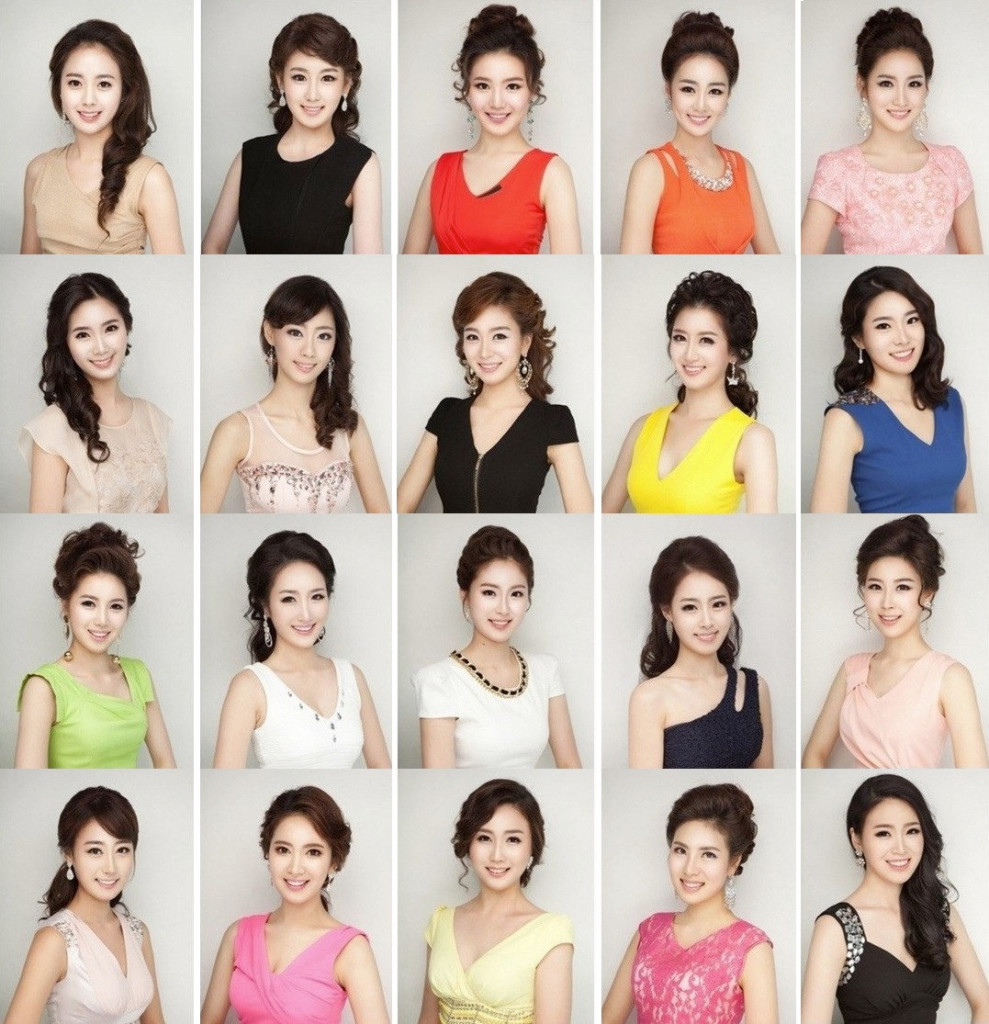
The debate reached a fever pitch in 2013 with the release of the official portraits for the Miss Daegu beauty pageant. The images, which featured twenty contestants vying for the regional title, went viral globally due to the striking physical similarities between the women. Observers noted that the candidates possessed nearly identical features: large, almond-shaped eyes with pronounced double eyelids, high and narrow nose bridges, flawlessly pale skin, and the "V-line" jaw—a heart-shaped facial structure that has become the gold standard of beauty in South Korea.

The controversy surrounding the Miss Daegu candidates served as a visual manifestation of what critics call the "homogenization" of Korean beauty. While each woman was objectively beautiful, the lack of individual distinguishing features sparked a debate about the "uncanny valley" of plastic surgery. The incident suggested that the pursuit of a singular, manufactured ideal had reached a point where individuality was being sacrificed for a standardized template of perfection. Kwak Ka-hyun, who was ultimately crowned, became a symbol of this tension, representing a nation that had become the world leader in cosmetic procedures per capita.
Statistical Context: South Korea as the Global Capital of Surgery
To understand the intensity of this debate, one must look at the data. According to the International Society of Aesthetic Plastic Surgery (ISAPS), South Korea consistently ranks among the highest in the world for cosmetic procedures per capita. In the Gangnam district of Seoul, specifically the Apgujeong and Sinsa neighborhoods, an area known as the "Beauty Belt" houses over 400 specialized clinics.
The most common procedures include:

- Blepharoplasty (Double Eyelid Surgery): The creation of a crease in the eyelid to make the eyes appear larger and more "Westernized."
- Rhinoplasty: Narrowing the bridge and refining the tip of the nose.
- V-line Jaw Surgery: A more invasive procedure involving the shaving of the mandible to create a slim, tapered chin.
- Fat Grafting: Injecting fat into the forehead or under the eyes to maintain a youthful, "baby-faced" appearance.
The ubiquity of these procedures is reinforced by pervasive advertising. Commuters in Seoul are frequently met with large-scale "before and after" billboards in subway stations, often accompanied by slogans that equate beauty with professional success and romantic fulfillment. This environmental conditioning creates a reality where surgery is not seen as an extreme measure, but as a standard step in self-improvement, akin to braces or skincare.
The Societal Pressure: "Lookism" and the Job Market
The drive for surgical enhancement in South Korea is not solely fueled by vanity; it is deeply intertwined with the country’s competitive social and economic landscape. The term "lookism" (oe-mo-ji-sang-ju-ui) refers to the prejudice or discrimination based on physical appearance. In South Korea, it is common for job resumes to require a photograph, and many applicants believe that a "refined" appearance provides a necessary edge in a saturated labor market.
For many young Koreans, plastic surgery is viewed as an investment in their "spec"—a term used to describe the specifications or qualifications needed for employment. When beauty is commodified as a tool for upward mobility, the decision to undergo surgery ceases to be a purely personal one. Instead, it becomes a rational response to a societal structure that rewards those who adhere to its aesthetic norms. This creates a feedback loop: as more people undergo surgery to fit the ideal, the ideal becomes the baseline, further marginalizing those with natural or "non-standard" features.
The Role of Media and the Lack of Alternative Narratives
A significant factor in the persistence of these standards is the lack of diverse representation in South Korean media. Unlike Western entertainment industries, which have seen a slow but steady rise in "body positivity" movements and the celebration of unconventional beauty, the Korean industry remains largely monolithic.
In the United States, figures like Tina Fey, Lena Dunham, and Mindy Kaling have built successful careers while openly critiquing or satirizing beauty standards. Tina Fey, in her memoir Bossy-pants, famously listed the impossible "laundry list" of attributes women are expected to possess, ranging from "Caucasian blue eyes" to "Jamaican dance hall ass." While the U.S. still struggles with beauty pressures, these vocal critiques provide a necessary counter-weight.
In contrast, South Korean celebrities who do not fit the traditional mold are often relegated to the role of "gagwomen" or "gagmen." Comedians like Kim Shin-young or Jung Ju-ri frequently base their acts on self-deprecating humor regarding their appearance. This binary—where one is either a "visual" idol or a "unattractive" comedian—leaves little room for the middle ground of average, natural beauty. When the media presents only one version of "glamorous," it reinforces the notion that any deviation from that standard is a "deficiency" that needs to be corrected.

Broader Implications and the Path Forward
The normalization of plastic surgery in South Korea has profound implications for the future of cultural identity. As the "manufactured ideal" becomes the dominant face of the nation on the global stage, there is a risk of losing the unique ethnic features that define Korean heritage. The psychological toll on the younger generation, who grow up in an environment where their natural faces are treated as "works in progress," is a growing concern for mental health professionals.
However, there are signs of a burgeoning shift in consciousness. Some K-pop groups, such as Brown Eyed Girls, have addressed the topic through satire, as seen in their "Plastic Face" parody of Lady Gaga’s "Poker Face." Furthermore, a small but vocal minority of "natural beauty" advocates is beginning to emerge on social media, challenging the necessity of the "V-line" and the "double eyelid."
The debate between personal autonomy, as argued by G.NA, and societal pressure remains unresolved. While the individual right to seek happiness through aesthetic change is valid, it cannot be viewed in a vacuum. As long as the South Korean media and corporate structures continue to reward a singular type of beauty, the "personal choice" to undergo surgery will remain heavily influenced by a societal mandate. The challenge for South Korea in the coming decade will be to foster an environment where "personal satisfaction" can be achieved without the necessity of a scalpel, and where diversity is celebrated as a strength rather than a flaw to be fixed.