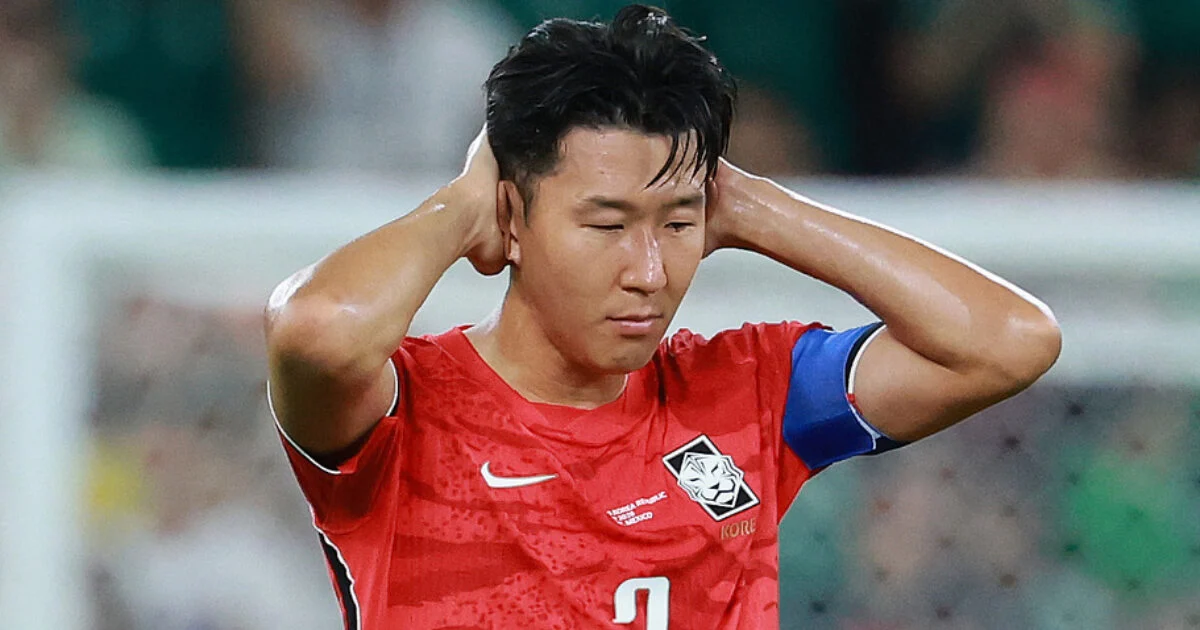
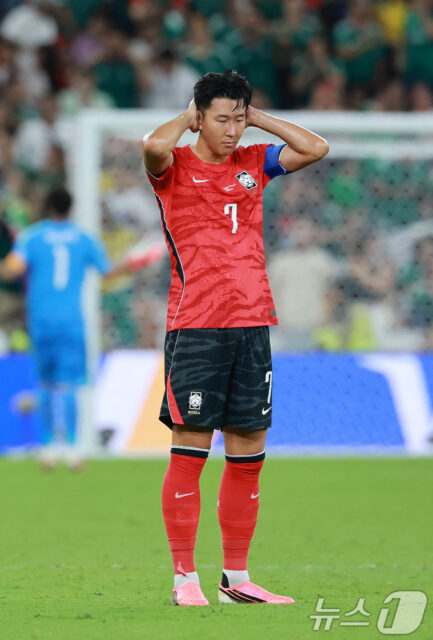
The South Korean national football team’s 2026 World Cup campaign has reached a somber conclusion, marked not only by an early exit from the tournament but by a profound sense of national introspection regarding the future of the sport in the country. Following the team’s failure to advance beyond the group stage, captain Son Heung Min took to social media to deliver a poignant and deeply personal apology to the nation. His message, which resonated with millions of fans, arrived at a moment of peak tension as the Korea Football Association (KFA) faced unprecedented scrutiny and head coach Hong Myung Bo officially tendered his resignation. The convergence of these events has sparked a wider debate about leadership, the emotional burden carried by elite athletes, and the structural failures within the South Korean footballing hierarchy.
The Captain’s Burden: Son Heung Min’s Emotional Address
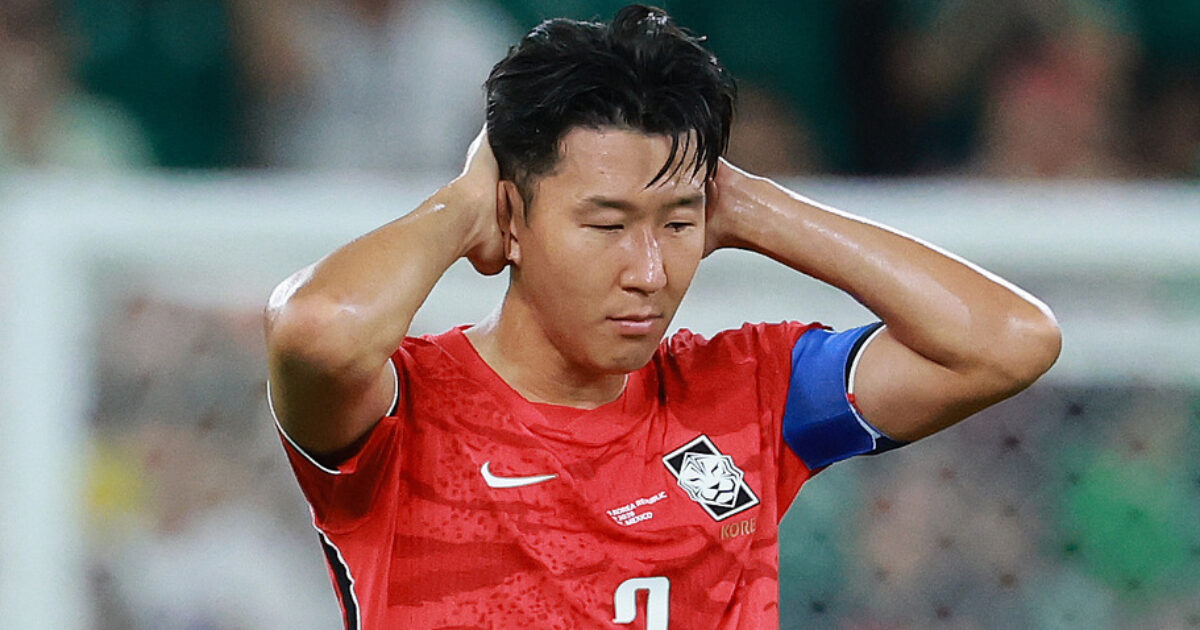
Even after enduring one of the most difficult stretches of his storied career, Son Heung Min’s primary concern remained the fans who had supported the "Taegeuk Warriors" through a tumultuous tournament. Returning to Instagram after a period of silence following the team’s elimination, Son shared a lengthy statement that bypassed the usual platitudes of sports PR, opting instead for raw honesty. He admitted to feeling a sense of devastation that he struggled to put into words, describing the World Cup as the "dream stage of a little boy" that had effectively collapsed before his eyes.
In his address, Son expressed a deep sense of responsibility for the team’s performance. "I don’t know where to begin," he wrote. "I can’t pretend not to know, and I don’t want to avoid reality." He went on to apologize sincerely to the people of South Korea, noting that as a lover of the game himself, he understood the heartbreak and frustration felt by the public. Son emphasized that no amount of words could fully compensate for the disappointment of the fans, yet he felt a moral obligation to address them directly. He specifically pleaded with the public to direct their frustrations away from the younger players, asking for "warm support and encouragement" rather than "excessive criticism and hurt" for a squad that he believes gave their all under difficult circumstances.
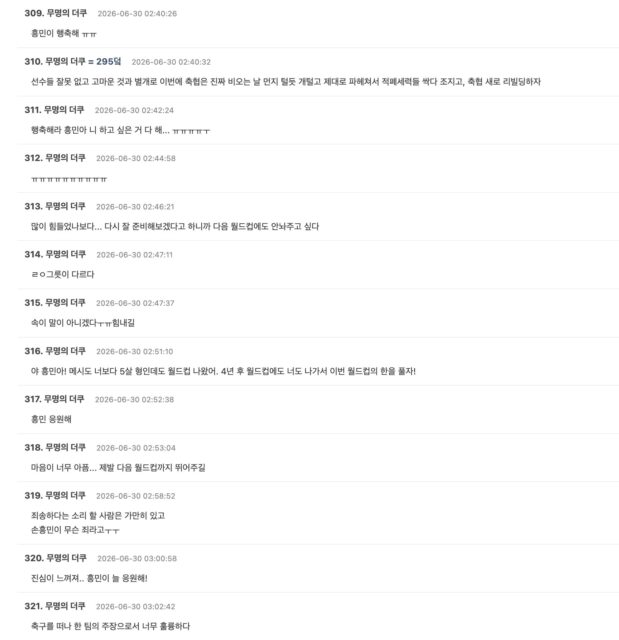
The reaction to Son’s post was immediate and overwhelmingly supportive. While the public’s ire was firmly fixed on the coaching staff and the KFA, fans rallied around their captain. Many commenters urged Son not to shoulder the blame, calling him the "eternal captain" and expressing hope that he would continue to lead the national team through the next cycle. This disconnect—where the star player apologizes while the fans demand he be absolved—highlights the unique status Son holds in Korean society as both a sporting icon and a symbol of national pride.
Chronology of a Crisis: From Appointment to Elimination
To understand the weight of Son’s apology, it is necessary to examine the timeline of South Korea’s 2026 World Cup cycle, which was mired in controversy long before the first whistle blew. The appointment of Hong Myung Bo as head coach in the lead-up to the tournament was met with significant resistance from the footballing community and the general public. Critics argued that the selection process lacked transparency and that the KFA had bypassed more qualified international candidates in favor of a familiar, albeit polarizing, figure.
The tournament itself began with high expectations, given the talent pool available, including stars from top European leagues. However, tactical inconsistencies and a perceived lack of cohesion plagued the team’s performances. The turning point in public sentiment occurred following a devastating loss to South Africa in the group stage. The defeat was not merely a setback on the scoreboard; it was the manner of the loss and the subsequent reaction from the coaching staff that ignited a firestorm.
During the post-match press conference in South Africa, Coach Hong Myung Bo was perceived by many fans as being dismissive or insufficiently apologetic. Clips of the press conference circulated widely on social media platforms like X (formerly Twitter) and theqoo, with fans expressing outrage over his demeanor. One viral post criticized his "expression and voice," suggesting he looked "relieved" rather than distraught over the loss. This perceived lack of accountability from the leadership stood in stark contrast to the visible anguish of the players on the pitch, further alienating the fanbase.
The Fall of Hong Myung Bo and the KFA Backlash
The mounting pressure reached a breaking point shortly after South Korea’s official elimination. Hong Myung Bo, recognizing that his position had become untenable, announced his resignation. In his final press conference, he apologized for the team’s failure and took responsibility for the tactical decisions that led to the early exit. However, for many fans, the resignation was seen as an inevitable conclusion to a flawed tenure rather than a proactive step toward reform.
The backlash has not been limited to the head coach. The Korea Football Association, led by President Chung Mong Gyu, has faced intense criticism for its administrative decisions. Fans and analysts alike have pointed to a systemic failure in how the national team is managed, from the hiring of coaching staff to the long-term development of youth players. The "Save Korean Football" sentiment has gained momentum, with supporters calling for a complete overhaul of the KFA’s leadership.
The frustration even spilled over into the entertainment world, illustrating the high-pressure environment surrounding the World Cup. Popular K-Drama actor Lee Ki Hyuk found himself at the center of an unusual controversy when some fans attempted to deflect blame toward him, though the majority of the public quickly dismissed such claims as irrational. This incident, however, serves as a testament to the heightened emotions and the desperate search for answers following a national sporting disappointment.
Data and Context: South Korea’s World Cup Legacy
South Korea’s performance in 2026 must be viewed against the backdrop of its historical successes. Since the 2002 World Cup, where the co-hosts reached the semi-finals, the expectations for the "Taegeuk Warriors" have remained consistently high. The team has a proud history of being a dominant force in Asian football, often serving as the continent’s primary representative on the world stage.
In the 2022 World Cup in Qatar, South Korea achieved a dramatic qualification for the Round of 16, a feat that galvanized the nation and set a high bar for the 2026 tournament. The failure to replicate that success in 2026, especially given the expansion of the tournament format to 48 teams, is seen as a significant regression. Statistical analysis of the team’s performance in the 2026 group stage revealed deficiencies in defensive transitions and a lower-than-expected conversion rate for clear-cut chances, despite possessing one of the world’s premier finishers in Son Heung Min.
Furthermore, the age profile of the current squad suggests that this was a "win-now" window for several key veterans. With Son Heung Min and other senior players entering the later stages of their careers, the missed opportunity in 2026 carries an added weight of finality. The urgency expressed in Son’s apology reflects his awareness that his time on the "dream stage" is finite.
Broader Implications and the Path Forward
The fallout from the 2026 World Cup exit is likely to trigger a period of significant change for South Korean football. The immediate priority for the KFA will be the search for a new head coach who can restore public trust and implement a modern tactical framework. There is a growing consensus that the association must look toward a candidate with a proven international track record, someone capable of maximizing the potential of a squad that features elite talent playing at the highest levels of European football.
Beyond the coaching search, the KFA faces a broader mandate for transparency. The public outcry has made it clear that the fans will no longer accept opaque decision-making processes. Structural reforms, potentially including changes to the executive board and a more rigorous scouting and appointment system, are being discussed as necessary steps to modernize the organization.
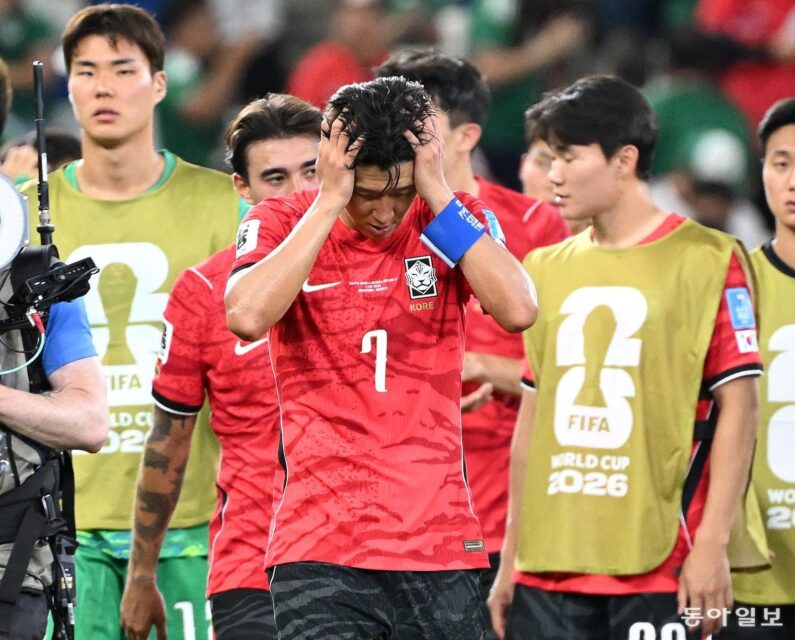
For the players, the focus will be on healing and refocusing for upcoming international fixtures, including the AFC Asian Cup and the next cycle of World Cup qualifiers. Son Heung Min’s plea for "warm support" is a reminder of the mental toll that high-stakes competition takes on athletes. In an era where social media can amplify negativity, the role of the captain as a shield for his teammates has never been more critical.
Conclusion: A Turning Point for the Taegeuk Warriors
The story of South Korea’s 2026 World Cup is one of unfulfilled potential and the heavy burden of national expectation. Son Heung Min’s apology stands as a testament to his character and his deep connection to the fans, but it also highlights the precarious state of the national team’s leadership. As Hong Myung Bo departs and the KFA faces a reckoning, the path forward remains uncertain.
However, the enduring passion of the South Korean fans and the commitment of players like Son provide a foundation for a eventual recovery. The 2026 campaign may have ended in heartbreak, but it has also sparked a necessary conversation about the values and structures that should define the future of Korean soccer. Whether this moment serves as a catalyst for genuine reform or remains a painful footnote in the country’s sporting history will depend on the actions taken by the KFA in the coming months. For now, the nation reflects on a "collapsed dream," waiting for the day when their team can once again bring them the joy that Son Heung Min so earnestly promised to deliver.