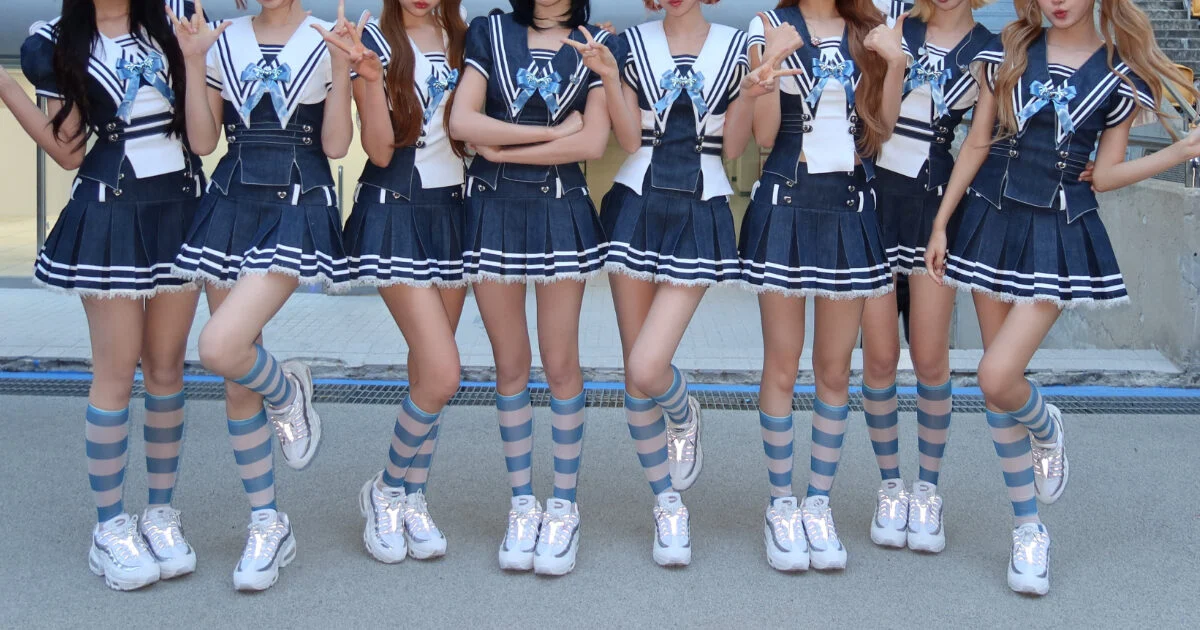
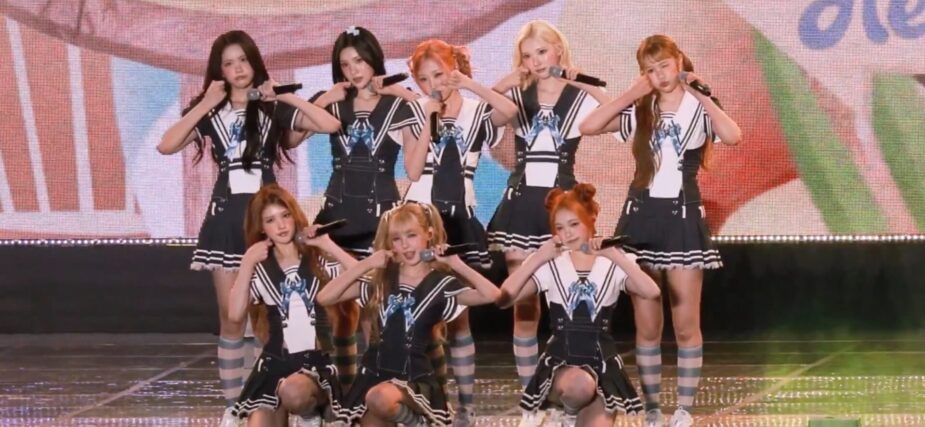
A recent performance by SM Entertainment’s rising rookie girl group, Hearts2Hearts, at the prestigious 2026 Busan One Asia Festival (BOF) has ignited a fervent discussion across online communities and within the global K-Pop fandom. The controversy centers on allegations of lip-syncing during their highly anticipated stage for the track "Lemon Tang," particularly highlighted by an apparent technical mishap involving member Stella. The incident, captured and disseminated widely, has fueled a nuanced debate about performance authenticity, industry practices, and fan expectations in the competitive K-Pop landscape.
Chronology of the Incident and Initial Reactions
The performance in question took place on the evening of June 30, 2026, as part of the Busan One Asia Festival, a prominent annual event showcasing the best of Korean culture and entertainment. Hearts2Hearts, a relatively new addition to SM Entertainment’s formidable roster, delivered their energetic rendition of "Lemon Tang" to a massive audience both in person and via global live streams.
Shortly after the broadcast, an original post (OP) on a popular South Korean online community rapidly gained traction. The author, identifying as a dedicated SM fan and a regular viewer of Hearts2Hearts’ content, expressed profound disappointment. The fan acknowledged the group’s established reputation for strong live vocal performances but questioned the decision to have them lip-sync with handheld microphones at such a significant event. The critical moment, as pinpointed by the OP, occurred at the 1:51 mark of the performance video, where member Stella reportedly lowered her microphone, yet her vocals continued to be clearly audible. This apparent synchronization lapse, according to the fan, created an awkward visual and undermined the perceived authenticity of the stage. The OP further speculated that the use of handheld microphones for a pre-recorded vocal track was counterproductive, as it restricted the members’ choreography while still failing to deliver a genuine live singing experience.
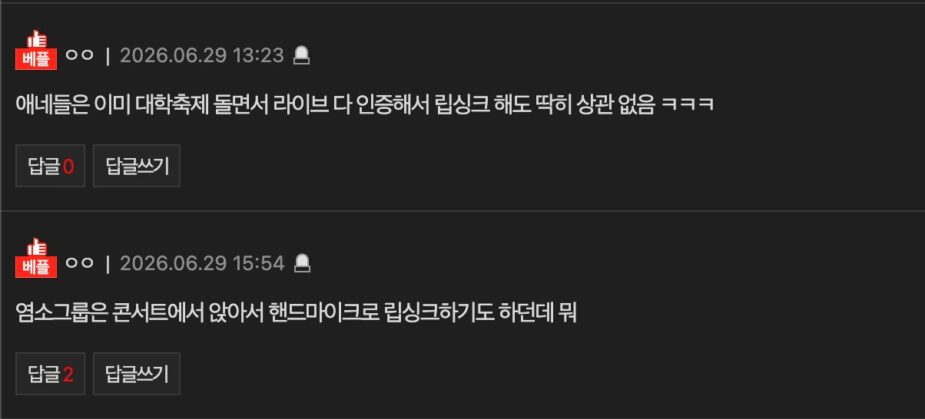
The viral post quickly led to a deluge of comments, polarizing netizens into distinct camps. Some echoed the OP’s disappointment, arguing that a group known for its live abilities should not resort to lip-syncing, especially with such overt staging. Others defended the practice, citing various factors from industry standards to the demanding nature of K-Pop performances.
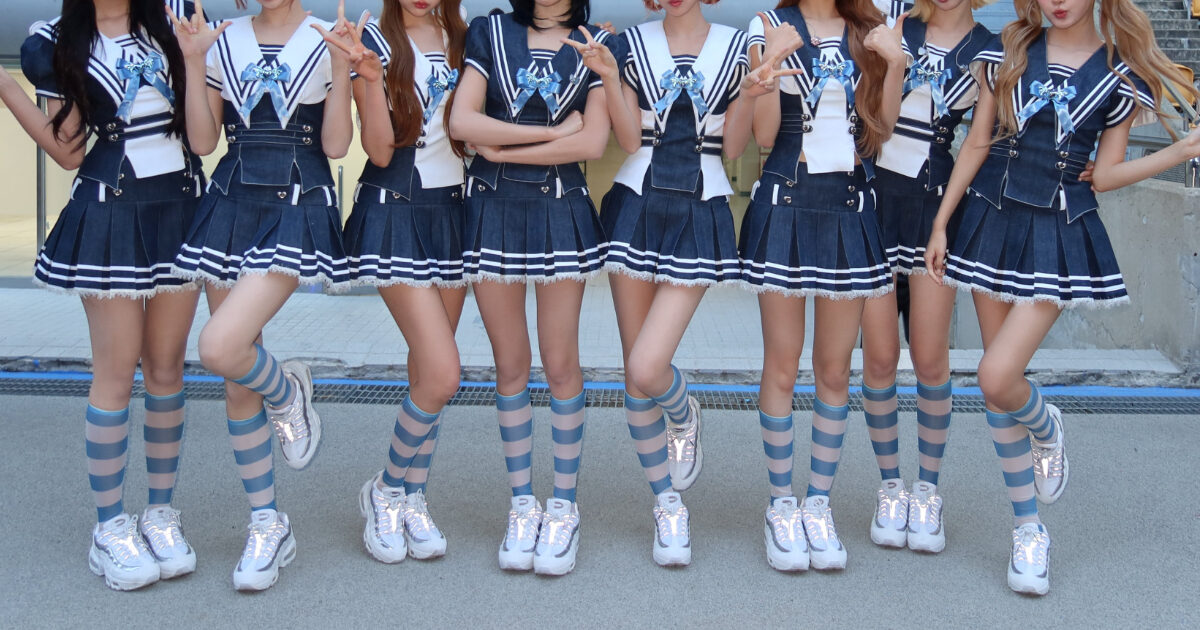
Hearts2Hearts: A Rising Force Under SM Entertainment
Hearts2Hearts debuted in late 2025 under the aegis of SM Entertainment, one of South Korea’s "Big 4" entertainment agencies, renowned for producing top-tier K-Pop acts with strong vocal and performance capabilities. From their pre-debut promotions, the group garnered significant attention for their vocal talent and intricate choreography, quickly establishing themselves as a promising rookie ensemble. Their initial releases and music show performances had largely been praised for their stable live vocals, even amidst demanding dance routines. This prior reputation is precisely why the lip-syncing accusation struck a chord with many fans, particularly those who follow the group closely.
SM Entertainment itself has a long-standing legacy of emphasizing vocal prowess, from early groups like H.O.T. and S.E.S. to modern powerhouses like Girls’ Generation, EXO, Red Velvet, and aespa. This historical context often sets a high bar for their artists, and fans frequently expect a certain level of live vocal integrity from SM acts. Hearts2Hearts, as a rookie group, carries the weight of this legacy, facing immense pressure to live up to the agency’s established standards while simultaneously carving out their own identity in a saturated market.
The Busan One Asia Festival: A High-Stakes Platform
The Busan One Asia Festival is not merely another performance venue; it is an international cultural festival designed to promote Korean culture and tourism, featuring a grand K-Pop concert as its centerpiece. Performing at BOF offers rookie groups like Hearts2Hearts invaluable exposure to a vast domestic and international audience. The stages are typically elaborate, with high production values, complex camera work, and often challenging outdoor conditions. For a burgeoning group, delivering a flawless performance at such an event is paramount for solidifying their image and attracting new fans. The stakes are incredibly high, and any perceived misstep can be amplified across global media and fan communities.
The Nuance of K-Pop Performance: Live Vocals vs. Production Quality

The debate surrounding Hearts2Hearts’ performance reignites a perennial discussion within the K-Pop industry regarding the balance between live vocal delivery and overall stage production. This is a complex issue with no single, universally accepted answer, and the industry has seen an evolution in performance practices over the decades.
Traditionally, live singing was a non-negotiable standard for artists. However, as K-Pop choreography became increasingly intricate, physically demanding, and visually spectacular, the reliance on pre-recorded elements grew. Industry terms like "ARS" (All Recorded Sound, essentially full lip-syncing), "MR" (Music Recorded, referring to the instrumental track), and "MR-removed" (a fan-made track that attempts to isolate live vocals by removing the instrumental) became common parlance among fans dissecting performances.
Arguments for Lip-Syncing in K-Pop:
- Choreographic Demands: Modern K-Pop choreography is often incredibly complex and physically taxing, requiring immense stamina and precision. Performing these routines while maintaining perfect vocal stability can be incredibly difficult, even for highly trained singers. Lip-syncing allows groups to prioritize the visual spectacle of their dance.
- Vocal Preservation: K-Pop idols maintain grueling schedules, often involving multiple performances in a single day, back-to-back promotions, and extensive travel. Constant live singing under such conditions can lead to vocal strain, damage, and burnout. Lip-syncing or using heavily backed tracks helps preserve vocal health.
- Technical Considerations: Large-scale outdoor festivals like BOF can present significant technical challenges, including unpredictable acoustics, wind interference, and potential microphone feedback. Using pre-recorded vocals ensures a consistent audio quality for both the live audience and broadcast viewers, mitigating potential technical glitches that could mar a performance.
- Flawless Delivery: For high-stakes events, companies often aim for a perfectly polished, broadcast-ready performance. Lip-syncing guarantees vocal perfection, removing the risk of pitch inaccuracies, breathiness, or other live vocal imperfections that might arise from physical exertion or nerves.
- Focus on Stage Presence: When artists are not primarily focused on vocal delivery, they can dedicate more energy to their facial expressions, stage presence, and interaction with the audience, enhancing the overall immersive experience.
Arguments Against Lip-Syncing and for Authenticity:
- Artistic Integrity: Many fans believe that live performance is the ultimate test of an artist’s skill and integrity. Lip-syncing is often seen as a form of deception, undermining the authenticity of the performance and the artists’ talent.
- Fan Expectation: Dedicated fans, especially those who appreciate vocal artistry, expect to hear their idols sing live. When a group is known for their live abilities, resorting to lip-syncing can feel like a letdown and a breach of trust.
- The "Live" Experience: The thrill of a live concert often comes from the raw, unedited nature of the performance, including minor imperfections that highlight the human element. Lip-syncing can diminish this unique aspect of a live show.
- Misleading Staging: The use of handheld microphones while lip-syncing, as observed with Hearts2Hearts, is particularly criticized because it creates an illusion of live singing. If pre-recorded vocals are necessary, some argue for the use of headset microphones or a clear indication that it’s a performance primarily focused on dance.
Historical Context and Previous Controversies
The debate around lip-syncing is not new in K-Pop. Over the years, numerous groups and artists have faced scrutiny for their performance practices. Iconic groups from the 1990s and early 2000s often performed with heavy backing tracks or full lip-syncing, a practice that was more widely accepted then. However, with the rise of global K-Pop and increased fan engagement through online platforms, the demand for live vocals has intensified. Incidents involving other prominent groups, where vocal tracks were audible despite a member not singing or a microphone being too far from their mouth, have periodically reignited these discussions. These past instances demonstrate that while lip-syncing is a common industry tool, its transparency and context remain critical to public reception.
Potential "Official" Responses and Industry Perspectives
While SM Entertainment has not yet issued an official statement regarding the Hearts2Hearts incident, the precedent set by previous controversies suggests several possible approaches. A common response from agencies often cites "technical considerations," "ensuring the highest quality broadcast," or "prioritizing the artists’ health and stage impact" as reasons for using pre-recorded vocals. Such statements aim to manage public perception without directly admitting to or apologizing for lip-syncing.
Industry insiders and music critics often offer a more nuanced perspective. They acknowledge the immense pressure on K-Pop idols to deliver perfection across all aspects of performance – vocals, dance, visuals, and stage presence. For rookie groups, every stage is an audition, and any perceived flaw can have long-term repercussions. Therefore, agencies sometimes opt for the "safer" route of pre-recorded vocals to guarantee a flawless outcome, especially for high-profile events. The expectation for idols to be triple threats – exceptional singers, dancers, and visual performers – creates a challenging environment where compromises might be deemed necessary.
Broader Impact and Implications
The Hearts2Hearts lip-syncing controversy carries several implications for the group, SM Entertainment, and the broader K-Pop industry.
For Hearts2Hearts:
- Reputational Scrutiny: The incident will undoubtedly lead to increased scrutiny of their future performances. While their established live vocal skills might mitigate long-term damage, the immediate aftermath could see a temporary dent in their reputation among a segment of the fandom.
- Opportunity for Reaffirmation: Conversely, this presents an opportunity for Hearts2Hearts to double down on showcasing their live vocal abilities in subsequent stages, thus reinforcing fan trust and proving their talent beyond doubt.
- Learning Experience: For a rookie group, such an incident can serve as a harsh but valuable lesson in managing public perception and understanding the heightened expectations placed upon them.
For SM Entertainment:
- Industry Standards Debate: The incident puts SM Entertainment, a leading agency, at the forefront of the ongoing debate about authenticity in K-Pop performances. It may prompt internal discussions about their approach to live stages versus pre-recorded ones for their artists, especially rookie groups.
- Fan Trust: SM Entertainment’s reputation for producing vocally strong artists means that any perceived lapse in live performance can be particularly jarring for their loyal fanbase. Maintaining fan trust is crucial for long-term success.
For the K-Pop Industry:
- Renewed Discussion on Authenticity: The controversy will likely reignite broader discussions among fans, media, and industry professionals about the definition of "live" performance in K-Pop, the role of pre-recorded elements, and the need for greater transparency.
- Evolving Fan Expectations: As K-Pop’s global reach expands, the diversity of fan expectations also grows. Western audiences, for example, often place a higher emphasis on raw live vocals, while some East Asian fans might prioritize overall visual spectacle and flawless execution. This incident highlights the challenge of satisfying diverse global expectations.
- Technological Advancement vs. Artistry: The debate also touches upon the ever-evolving relationship between technological advancements in music production and the raw artistry of performance. As technology allows for increasingly polished and "perfect" sound, the value of unadulterated live talent becomes a focal point of discussion.
In conclusion, the incident surrounding Hearts2Hearts’ performance at the 2026 Busan One Asia Festival transcends a simple accusation of lip-syncing. It serves as a microcosm of the complex dynamics at play within the K-Pop industry, where artistic integrity, demanding choreography, immense pressure for perfection, and evolving fan expectations constantly intersect. While the immediate reaction has been one of heated debate, it ultimately contributes to a larger, necessary conversation about the future of K-Pop performance and what "live" truly means in the modern entertainment landscape. As Hearts2Hearts continues their journey, their response to this scrutiny will be closely watched, potentially shaping their narrative as a group and influencing industry practices moving forward.