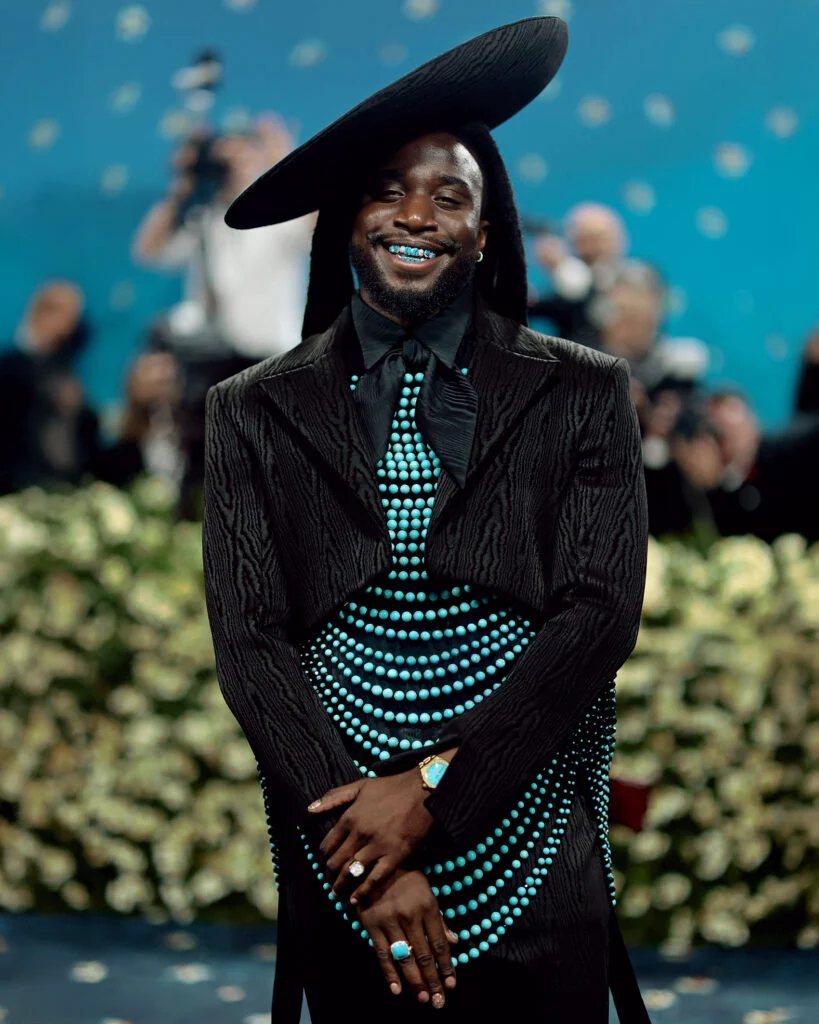
Anastasia Walker, a stylist whose career trajectory mirrors the high-speed dynamism of the fashion industry, recently joined a Zoom call from Los Angeles, her appearance polished and professional, a testament to her meticulous approach. This conversation, however, was a rescheduled affair, a consequence of a last-minute trip to Paris for the Balenciaga Fall 2026 show. The whirlwind schedule is characteristic of Walker’s life, a constant flux between global fashion capitals and the vibrant Hollywood scene, now punctuated by the impending intensity of Oscars weekend. Her journey, from a teenage ambition to a sought-after creative force, is a compelling narrative of dedication, resourcefulness, and a profound understanding of how clothing can define perception.
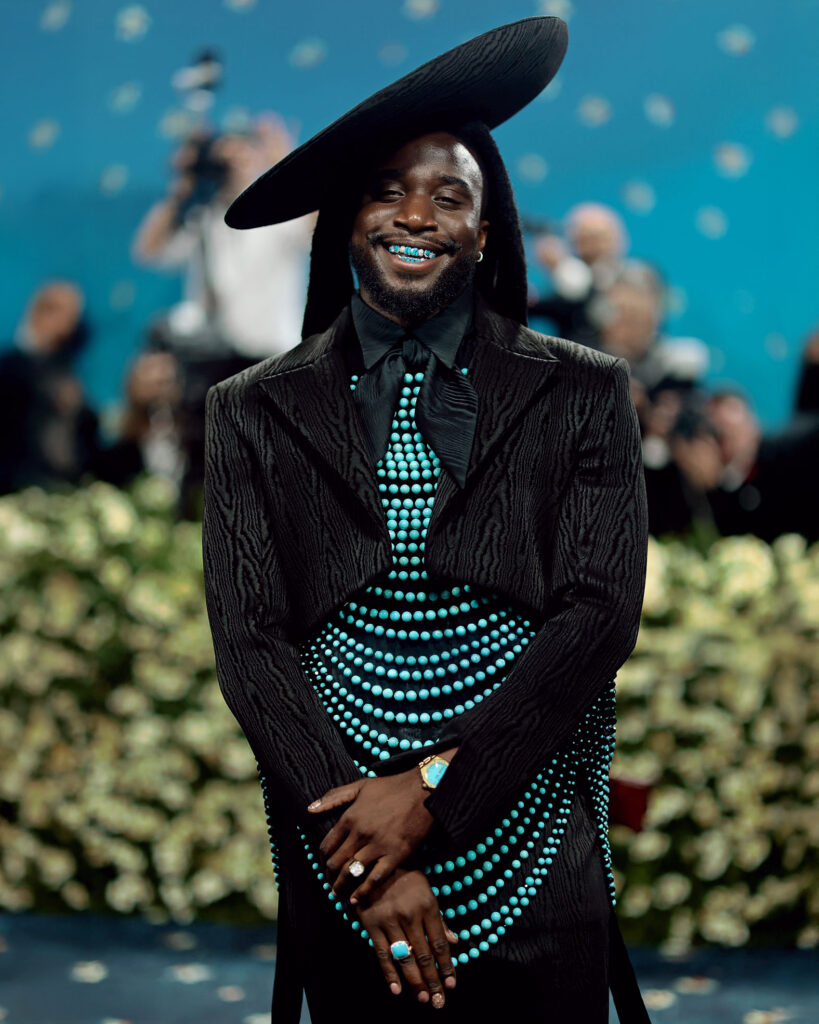
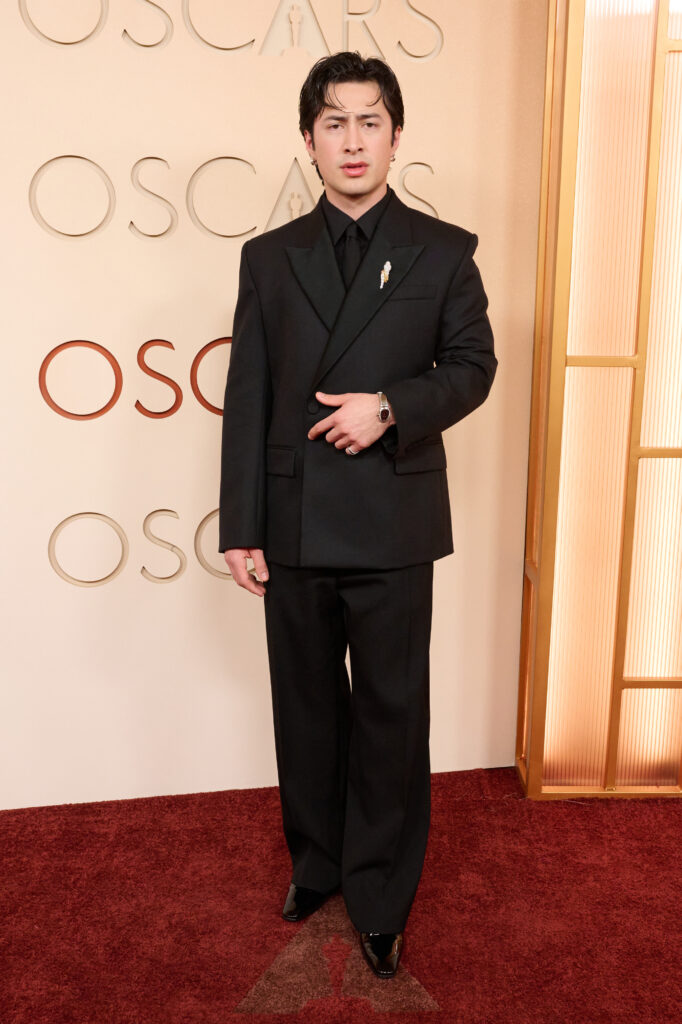
Since embarking on her fashion career at the age of 17, Walker has cultivated an impressive roster of clients. Her portfolio boasts Olympic icon Shelly-Ann Fraser-Pryce, country music sensation Shaboozey, Mexican corridos star Peso Pluma, and the rapidly ascending actor Hudson Williams, whose breakout year has positioned him as one of Hollywood’s most captivating new talents. Walker’s work is characterized by a delicate balance of intuition and deliberate intent, gracing the most prestigious platforms, from the GRAMMYs red carpet and the hallowed steps of the Met Gala to the front rows of fashion weeks in New York and Paris. Her ambition, however, extends beyond mere sartorial arrangement; she is driven by the desire to fundamentally shape how individuals are perceived.
"I think what drives me and inspires me is honestly, really just that I am so grateful that this is something I’ve wanted to do my entire life, and things that I once dreamed about are coming to fruition," Walker shared, reflecting on the realization of her lifelong aspirations. Her journey, as she unpacks it, is a multifaceted exploration of storytelling, dedicated service, and the sheer resilience required to thrive in the demanding world of fashion.
The Genesis of a Stylist: Bay Area Roots and Resourceful Beginnings
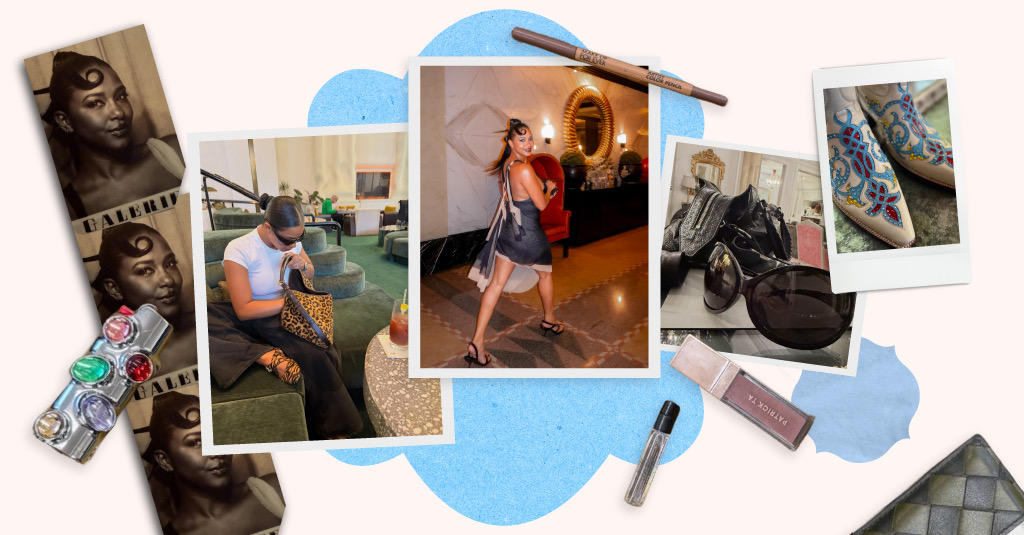
Walker’s formative years were steeped in a rich environment of style and ingenuity, nurtured by what she affectionately terms "fly women" in her family. Hailing from the Bay Area, her maternal grandmother, a skilled seamstress, provided an early glimpse into the transformative power of tailored garments. Her mother, a businesswoman with an impeccable sense of presentation, would draw inspiration from Neiman Marcus, then meticulously craft outfits at home using Vogue mini patterns, ensuring her daughter always presented a polished and stylish image. "We’d have coordinating outfits, but it was all stuff she made," Walker recalled.
On her father’s side, her aunts embodied a similar blend of style and ambition, their appearances marked by long nails, gleaming gold jewelry, luxurious BMWs, and designer pieces acquired through savvy shopping at stores like TJ Maxx. This upbringing instilled in Walker a profound sense of resourcefulness, emphasizing the art of discerning and acquiring the perfect pieces regardless of their price tag. She firmly believes that financial status is not a prerequisite for good style. "You don’t need a lot of money to have good style and to look good," Walker asserted. "Those two things do not have to go together."
For Walker, the transition from a passionate interest in fashion to a professional career was not a singular epiphany but rather a gradual integration. Fashion was intrinsically woven into the fabric of her life, encompassing family aesthetics, a strong work ethic, and the inherent narrative potential of clothing. "I think so much of fashion has been integrated into my life, even in ways I don’t think I realized," she mused.
Old-School Training: The Unvarnished Realities of Editorial Fashion
Walker’s professional immersion into the fashion industry began not with styling, but with writing. After an initial stint at Pier59 Studios, she found her footing at Condé Nast, where she spent approximately seven years ascending the editorial ladder. Her tenure progressed from intern to assistant roles across various publications, culminating in her position as assistant to the fashion director and eventually as a fashion editor. This traditional path, while instrumental in shaping her understanding, was characterized by relentless hard work and a distinct lack of glamour.
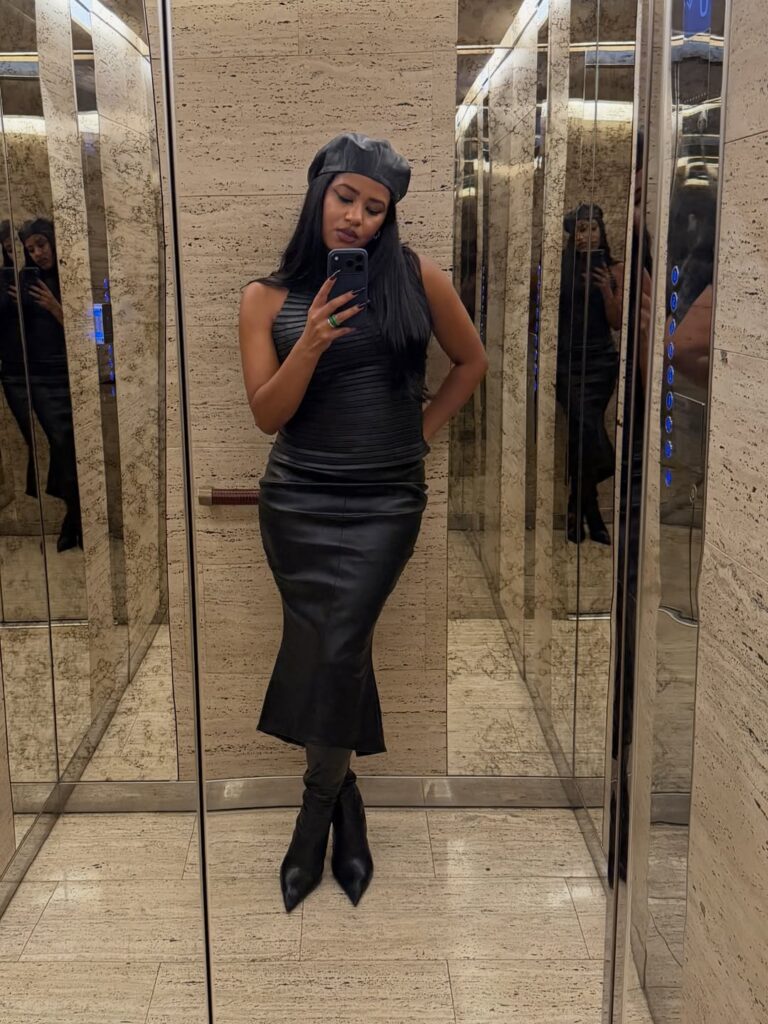
"Editorial is what inspired my love for fashion," Walker stated. "Everything was about storytelling." However, being deeply embedded within the industry offered a starkly different perspective than the idealized mood boards and aesthetic concepts. Fashion transformed from an art form into a tangible business, revealing the significant influence of advertisers and sales on creative decisions. This insight, she emphasizes, is invaluable when navigating the high-stakes world of VIPs and red carpet events. She candidly compares the demanding nature of the industry to the fictionalized pressures of "The Devil Wears Prada," where one might feel like a "slave for fashion."
The reality of the profession, as she describes it, often involves an unwavering commitment to delivering results, regardless of personal circumstances. "Whatever you got to do to get the job done is what you’re doing, and they’re going to get their coin at the end of the day regardless," she explained. This dedication has sometimes meant sacrificing personal milestones, such as missing birthdays and family gatherings, or enduring periods of financial strain to maintain the professional image expected of a "fashion girl."
Despite the arduous nature of these early years, Walker credits them with imparting some of her most critical lessons. "I’m genuinely so grateful that is the training and upbringing and where I came from in the world of fashion, because it has prepared me truly for everything," she affirmed.
One profound lesson learned is the often-impersonal nature of the industry. "Nobody cared," Walker stated regarding personal challenges. "Everybody wants their deliverable. They do not care what’s going on, it doesn’t matter." She also highlights the inherent precariousness of the work, acknowledging that "you can be replaced at any time." This reality is particularly acute for those in supporting roles, where their contributions are essential for delivering on projects, yet they remain vulnerable to being supplanted by others eager for the opportunity.
Compounding these challenges is the pervasive issue of under-compensation and invisible labor within the fashion industry. Walker points to the standard payment timelines, which can extend invoices from net-30 to 60 or even 90 days, creating significant financial hurdles. "There’s probably a lot of very talented people who are just not able to do this full time or do this at the level they’d like to, simply because they can’t afford to," she observed. This financial reality meant Walker herself juggled multiple jobs for years, including a stint at Amazon Fashion, before styling became a financially sustainable full-time career approximately six years ago. The rigor of this foundational period continues to inform her approach to her work today.
Styling as Service: Navigating Chaos with a Solution-Oriented Mindset
Walker firmly positions styling as a discipline that is as much about service as it is about creative expression, a distinction she finds crucial. "As a stylist, this is very much an artistic role," she stated. "But the bigger side of it that most people don’t see is that it really is a service, and I consider myself – yes, I work in fashion, but I also work in the service industry."
Like any service-oriented profession, styling demands constant investment of time and energy. The inherent chaos of travel, last-minute adjustments, and high-stakes events presents a continuous challenge. When asked about maintaining her energy, Walker humorously responded, "Well, the answer is, you don’t." Instead, she has cultivated an unwavering focus on problem-solving, a skill honed during her editorial years and now an ingrained survival instinct.
A poignant example of this approach occurred when Peso Pluma suffered a foot injury just weeks before the commencement of his tour dates. This incident necessitated an immediate and comprehensive reevaluation of every look. Walker had to devise outfits that could accommodate a medical boot, streamline the dressing process for quick changes during performances, and adapt to revised choreography. Beyond the aesthetics, she meticulously considered the unseen logistical challenges, such as discreetly concealing and securing microphone packs and ensuring seamless costume transitions within a 30-second window backstage.
"Some things are just out of your control and so the best thing that I think you could do is just be solution-oriented," Walker advised. Her calm demeanor in the face of crises is remarkable. "When things are on fire, I’m still pretty chill. It’s like, alright, this is not great, I’m not pleased. But like, what are we going to do to fix it? What’s the next solution?" This pragmatic outlook extends to her preparation, where she advocates for a "backup-of-the-backup" mindset, even anticipating minor mishaps like buttons popping off moments before a red carpet appearance.
Walker believes that sustained success in her field hinges not only on talent but also on professional conduct and the cultivation of strong relationships. "I think there’s a lot that could be said for more of us to be creatives who are also considerate and kind and are professional in the setting and know how to carry themselves like that, with temperament as well," she remarked.
The Evolving Visibility of the Stylist
In recent years, the role of the stylist has evolved significantly, moving from a strictly behind-the-scenes position to one that increasingly demands public visibility. Historically, discussing one’s clients was considered a breach of professional etiquette, a cultural norm that emphasized the stylist’s supportive, rather than spotlighted, role. "A lot of us, in the time that I came up, we were strictly meant to be behind the scenes," Walker explained.
This paradigm has shifted, and Walker recognizes the necessity for stylists to be "more forward facing." While public-facing roles do not come naturally to her, she feels a responsibility to leverage her platform to share her expertise and hard-earned knowledge. This manifests through speaking engagements and showcasing her creative process on social media, not as a means of self-promotion, but as a conduit for disseminating valuable insights. As her clients’ profiles have risen, so too has the attention on their creative teams. The increased visibility of individuals like Hudson Williams, for instance, has drawn greater focus to the stylists behind his acclaimed looks. This heightened spotlight, while requiring her to "get comfortable being uncomfortable," has facilitated her ability to meet the demands of the moment.
The Art of Dressing Men: Narrative and Archetypes
Walker’s approach to styling her male clients is fundamentally rooted in storytelling. "Storytelling is the whole idea," she emphasized. "It’s what made me fall in love with fashion. Everything is about conveying the story and the details matter." Her clientele often comprises men of color, each with unique cultural backgrounds and personal narratives. Her process begins with a deep understanding of who they are in the present moment: their identity, personality, heritage, career trajectory, and the specific context of the occasion, whether it be a red carpet event, a campaign shoot, or a live performance. The objective is to create looks that are both appropriate for the setting and authentically reflective of the individual.
"I approach it very much in a way where it is personal to each of them," Walker explained. "But mainly it’s not about the look. It’s about me making them the best version of themselves." She describes this as "elevating their own archetype," a process that involves refining what is already natural to them through sharper silhouettes, superior tailoring, or carefully considered forays into new stylistic territories, rather than imposing fleeting trends.
Walker has been fortunate to collaborate with clients who embrace fashion and actively engage with the creative process. "I’ve been really lucky to have some of my boys who are all about it and they’re real fashion boys," she shared. "It’s exciting for them and it’s fun for them, and they want to be more ingrained in that world."
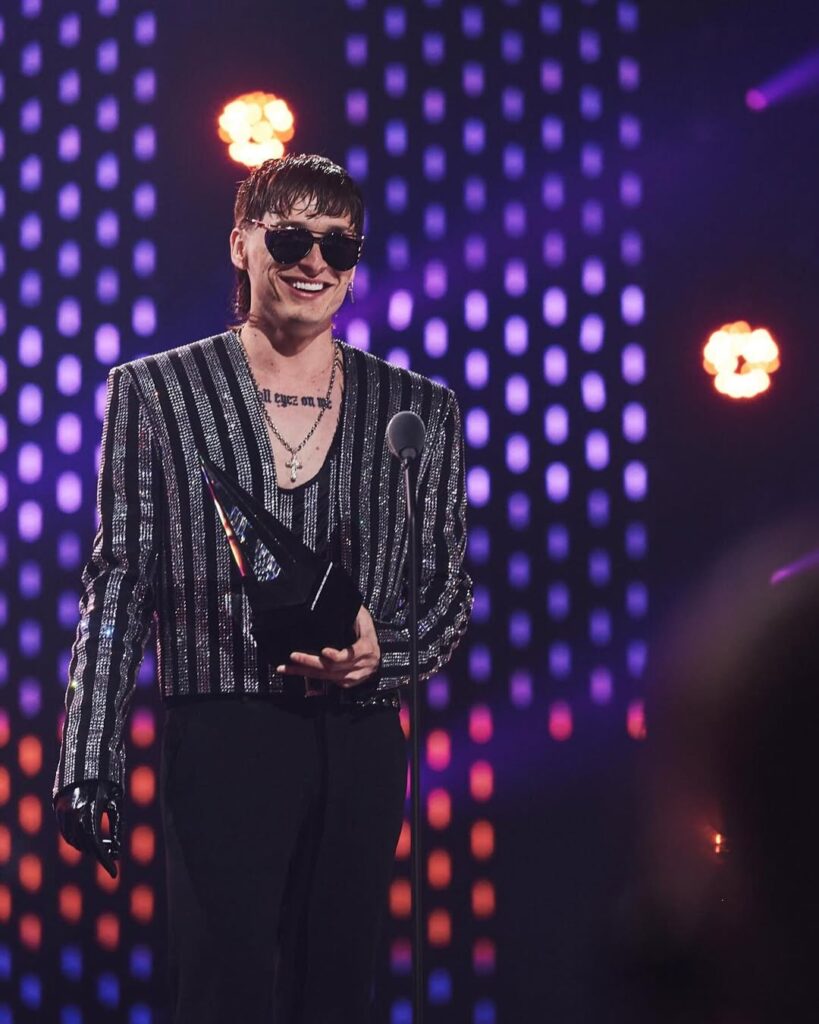
Her focus is not on chasing archival pieces solely for their status as a trend, a practice she finds less compelling than the concept of fashion as a cultural asset. Instead, she frequently gravitates towards runway collections and bespoke creations. For Shaboozey, whom she affectionately calls her "bespoke boy," this often involves custom-made garments, as his physique does not always align with standard sample sizes. This approach has led to a series of notable custom builds, including an Etro jacket with matching chaps, Rocketbuster boots, and David Yurman jewelry for the 2025 American Music Awards, as well as a Christian Cowan ensemble paired with John Hardy jewelry for Clive Davis’s 2025 Pre-Grammys Gala.
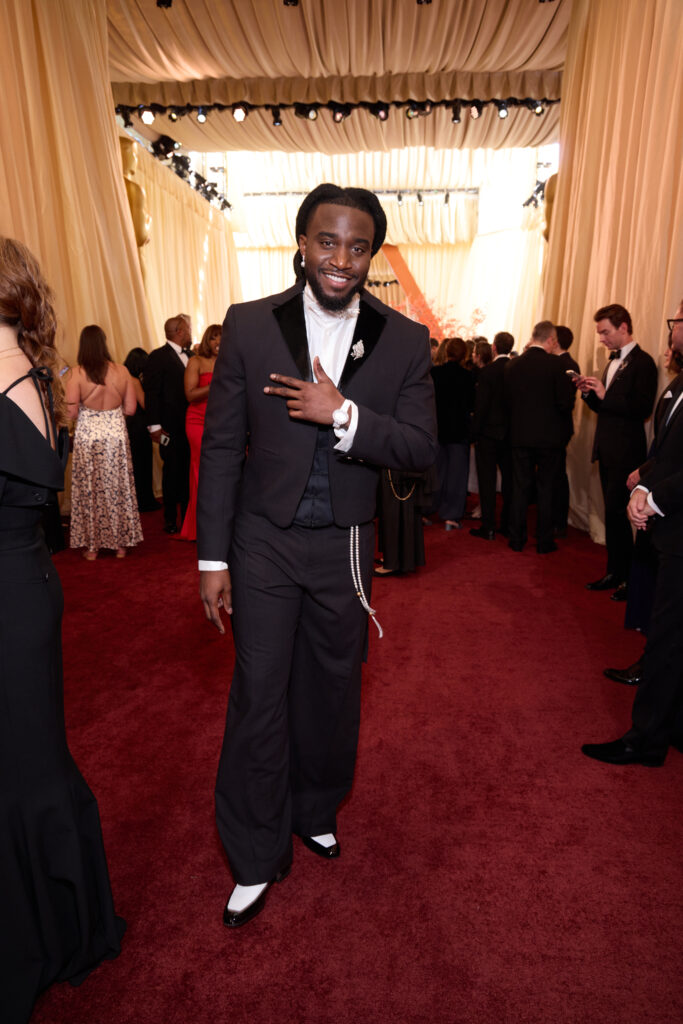
These collaborations often extend beyond major fashion houses, as Walker frequently partners with artisans and emerging designers whose timelines and creative visions align with her clients’ specific needs. She has commissioned custom pairs of boots from Rocketbuster Boots in Texas for Shaboozey and enlisted Viviano Studio to create a distinctive black lace shirt with a tweed vest and pants for Hudson Williams’ appearance at a pre-Oscars party. When such collaborations amplify the narrative Walker is weaving for her client and support the artisans involved, she readily leverages these platforms to increase visibility for all parties. "I was trained in a time where we were being resourceful," she stated, recalling her practice of sourcing from vintage shops, surplus stores, and runways alike to assemble an "eclectic mix that we could find to convey the story that we’re trying to tell."
Shaping a Legacy: A Future in Motion
Walker’s personal favorite looks offer a glimpse into the lasting legacy she is meticulously crafting. Her styling of Peso Pluma in Las Vegas, a "very Michael Jackson-coded" ensemble featuring a black-and-rhinestone striped Balmain jacket, a deep tank, and a single glove, exemplifies her ability to capture iconic moments. Similarly, Shaboozey’s 2025 Met Gala appearance in a custom Robert Wun creation and his GQ Man of the Year ensemble, built around their inaugural fully custom piece, underscore her capacity to profoundly shape a client’s image through meticulous attention to detail.
While Walker remains discreet about upcoming projects, including the highly anticipated Met Gala in May, her focus remains firmly on preparation and execution rather than premature hype. Even as her professional profile continues to ascend, she maintains a profound sense of gratitude for the artists who entrust her with their image and approaches her craft with humility.
Looking towards the long game, Walker cites legendary stylist Patti Wilson, whose career has spanned decades and continues to flourish into her seventies, as an inspiring model for a sustained career in fashion. Walker fully intends to remain a stylist for as long as possible, while also remaining open to evolving roles that may emerge from her accumulated knowledge and experiences. "I’m grateful enough that I am in the position I am in, that was something that was a dream of mine, and it’s being actualized is more than enough to keep me going," she concluded.