The Strategic Importance of Accessory Selection in K-Culture Styling
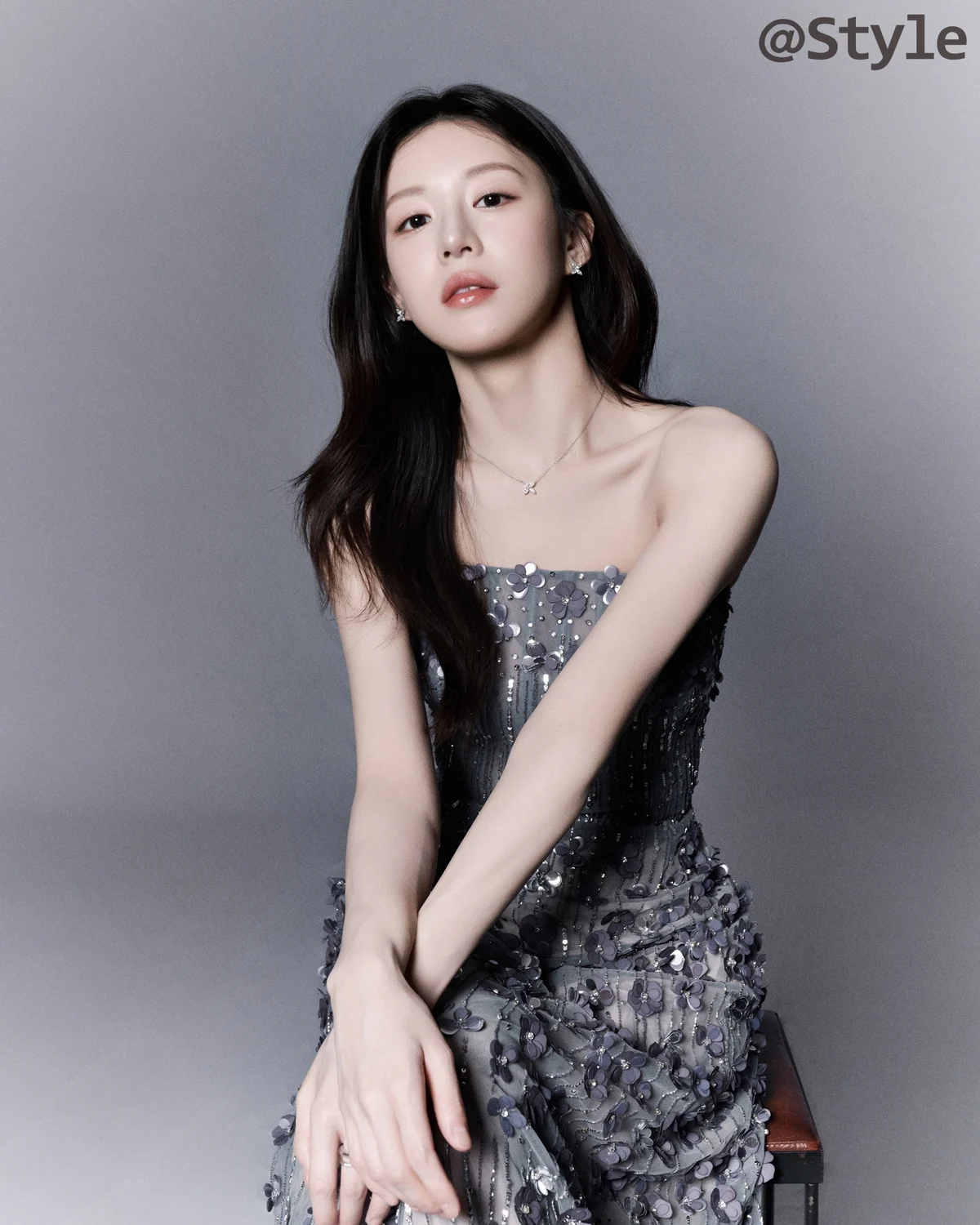
In the highly competitive and visually driven world of K-pop and K-drama, every element of an artist’s appearance is meticulously curated to convey a specific message, reinforce a brand image, or accentuate an individual’s unique persona. While elaborate stage costumes and high-fashion editorial pieces often capture immediate attention, it is frequently the subtle addition of an accessory that provides depth, personality, and a focal point for double-takes. Stylists working with top-tier talent understand that these "hidden gems" can dramatically alter the perception of an outfit, transforming a simple white shirt into an elegant statement or adding an unexpected edge to a sophisticated gown. This strategic approach extends beyond mere aesthetics; it is deeply intertwined with brand endorsements, cultural symbolism, and the meticulous construction of an artist’s public image.

The observation from For Your Viewing Pleasure specifically noted how actors Zo In-sung and Hwang Jung-min showcased sleek watches with silver and gold accents, demonstrating the enduring appeal of classic timepieces as symbols of sophistication and status. In contrast, Jeongyeon of the immensely popular girl group Twice was featured accentuating a minimalist white outfit with a delicate yet impactful set of necklaces and rings, illustrating how layered jewelry can introduce complexity and elegance without overpowering simplicity. The trend of chunky chains, often associated with streetwear and a bolder aesthetic, was exemplified by The8 of Seventeen and Zhang Hao of And2ble, reflecting a broader movement towards more audacious and gender-fluid accessory choices in contemporary fashion. Actress Jung Ho-yeon, globally recognized for her role in Squid Game, demonstrated an acute awareness of detail by pairing metallic nail polish with an assortment of jewels in cool ocean hues, creating a cohesive and striking visual narrative. A particular highlight was actress Kim Min-ha, whose pink dress was adorned with pearls, a classic embellishment reimagined for modern elegance, underscoring the versatility and timelessness of such details.
A Deeper Dive into Featured Accessory Trends and Their Industry Impact
Luxury Watches: A Mark of Sophistication and Endorsement
The choice of a luxury watch, as seen on Zo In-sung and Hwang Jung-min, transcends mere timekeeping. In the celebrity sphere, watches are powerful status symbols and prime vehicles for high-end brand endorsements. The South Korean luxury watch market has seen significant growth, with brands like Rolex, Omega, Cartier, and Patek Philippe investing heavily in celebrity ambassadorships. These timepieces, often featuring intricate mechanisms and precious metals, communicate a sense of refinement, success, and discerning taste. For actors, aligning with such brands can elevate their image and expand their global appeal, tapping into an affluent consumer base that values heritage and craftsmanship. The subtle gleam of silver or gold accents on a watch can draw the eye, signifying attention to detail that resonates with luxury connoisseurs.

Layered Necklaces and Rings: Crafting Personal Narratives
Jeongyeon’s elegant layering of necklaces and rings on a simple white outfit exemplifies a pervasive trend in K-pop styling: the use of multiple, often delicate, pieces to create a rich texture and personal narrative. This approach allows for versatility, enabling stylists to mix metals, incorporate different pendant styles, or combine rings of varying sizes and designs. Brands such as Tiffany & Co., Bulgari, and Pandora have capitalized on this trend, offering collections that encourage personalization and stacking. For idols, these layers can symbolize different facets of their personality or convey a specific mood, offering fans subtle cues about their evolving image. The careful arrangement ensures that the accessories enhance rather than compete with the overall look, demonstrating a sophisticated understanding of visual balance.
Chunky Chains: The Resurgence of Edgy Streetwear
The prominent chunky chains sported by The8 and Zhang Hao signify the powerful influence of streetwear and hip-hop aesthetics within mainstream K-pop. This trend, which began gaining traction in the late 2010s, has now firmly established itself as a staple, challenging traditional notions of masculine and feminine jewelry. Heavy-gauge chains, often in silver or gold-tone metals, are utilized to add an element of rebellion, confidence, and urban cool. This style frequently crosses gender lines, reflecting a broader movement towards gender-fluid fashion where jewelry is seen as an expression of individual style rather than conforming to prescriptive norms. Brands like Ambush, Chrome Hearts, and even luxury houses like Givenchy and Versace have integrated chunky chains into their collections, further legitimizing this aesthetic in high fashion.
Metallic Nail Polish and Ocean-Hued Jewels: Cohesive Glamour
Jung Ho-yeon’s choice to coordinate metallic nail polish with ocean-hued jewels is a masterclass in cohesive styling, where every detail, no matter how small, contributes to the overall artistic vision. Nail art has become an integral part of celebrity styling, moving beyond simple polish to intricate designs, extensions, and embellishments that act as miniature canvases. When paired with complementary jewelry, such as sapphires, aquamarines, or even colored diamonds, it creates a harmonious color story that can evoke specific themes or moods. This level of detail highlights the comprehensive nature of K-culture styling, where makeup, hair, and accessories are all meticulously aligned to present a unified and impactful image, often reflecting high-fashion editorial standards.

Pearls: Timeless Elegance Reimagined
Kim Min-ha’s adornment of pearls on a pink dress offers a refreshing take on a classic. Once primarily associated with traditional elegance and formality, pearls have experienced a modern resurgence, often styled in unexpected ways to add a touch of sophisticated charm. From delicate strings to oversized baroque pearls, their versatility allows them to complement a range of aesthetics, from vintage-inspired to contemporary chic. Brands like Mikimoto and Tasaki continue to champion classic pearl designs, while avant-garde designers integrate them into more experimental pieces. For celebrities, pearls can convey a sense of timeless grace, maturity, and refined taste, subtly elevating an outfit without overt flashiness.
Bright Scarves: Dynamic Color and Texture
While not linked to specific individuals in the provided text, the mention of "bright scarves" underscores their role as versatile accessories. Scarves can introduce a vibrant pop of color, add texture, or even create new silhouettes when tied creatively. From silk foulards to chunky knit wraps, they are employed to inject personality, complement a color palette, or provide a contrasting element. High-fashion brands like Hermès, Gucci, and Louis Vuitton are renowned for their iconic scarf designs, often seen draped around necks, tied to handbags, or woven into hairstyles by celebrities, demonstrating their adaptability and ability to transform an outfit.
The Economic and Cultural Nexus of K-Pop Fashion

The meticulous attention to accessories in K-pop and K-drama styling is not merely an artistic choice; it is a significant economic driver and a powerful cultural phenomenon. South Korea’s entertainment industry has become a global trendsetter, with its idols and actors serving as highly influential brand ambassadors.
Market Influence and Brand Ambassadorships: K-pop’s global ascendancy has dramatically increased the visibility and desirability of luxury brands. Idols like the members of Blackpink (Lisa for Celine and Bulgari, Jennie for Chanel, Rosé for Saint Laurent and Tiffany & Co., Jisoo for Dior and Cartier), BTS (Louis Vuitton), EXO (various luxury brands), and numerous others have become global faces for fashion and jewelry houses. These endorsements translate directly into sales. For instance, reports from financial analysts often correlate surges in brand engagement and sales with the announcement of a K-pop idol as a brand ambassador. The strategic placement of a specific watch, necklace, or pair of earrings in an idol’s photoshoot or public appearance can generate immense online buzz and drive consumer demand worldwide. The global luxury goods market, valued at over $300 billion annually, increasingly looks to K-pop for fresh faces and trend inspiration.
Fan Engagement and Consumer Behavior: K-pop fandoms are renowned for their dedication and purchasing power. Fans often meticulously identify the brands and specific items worn by their favorite idols, leading to "sold out" phenomena where products vanish from shelves shortly after being showcased. This direct correlation between idol endorsement and consumer acquisition highlights the unique and potent influence of K-pop on global consumer behavior. The desire to emulate an idol’s style, down to the smallest accessory, creates a powerful feedback loop that fuels the fashion industry.

South Korea as a Global Fashion Hub: The rise of K-pop has firmly positioned South Korea, particularly Seoul, as a formidable force in the global fashion landscape. Seoul Fashion Week has gained international prominence, showcasing both established and emerging Korean designers who often blend traditional Korean aesthetics with contemporary global trends. This vibrant ecosystem of design, styling, and celebrity influence creates a fertile ground for accessory innovation, making Seoul a key city for predicting future fashion trends.
Evolution of K-Pop Fashion: A Brief Chronology
The journey of K-pop fashion, and by extension, the role of accessories, has undergone a significant transformation:

- 1990s – Early 2000s: Uniformity and Group Identity: Early K-pop groups like H.O.T. and S.E.S. often emphasized coordinated outfits and strong group identities. While accessories were present, they were generally less individualized and more about reinforcing a unified concept, often leaning towards streetwear elements or simple, matching jewelry.
- Mid-2000s – 2010s: Diversification and Genre Influence: As K-pop diversified, so did its fashion. Groups like TVXQ and Girls’ Generation began experimenting with more varied styles, incorporating elements of rock, R&B, and high fashion. Accessories became more varied, with a greater emphasis on individual styling, though still within a cohesive group aesthetic. The rise of hip-hop influenced groups like Big Bang brought a bolder approach to accessories, including larger chains and statement pieces.
- 2010s – Present: Globalization, Luxury Integration, and Individual Expression: This era marks the explosion of K-pop onto the global stage. With increased international exposure came a deeper integration with luxury fashion brands. Stylists began to meticulously craft individual identities for each idol, with accessories playing a crucial role in distinguishing personas. High-end watches, designer jewelry, and bespoke accessory pieces became commonplace, reflecting the idols’ status as global fashion icons. This period also saw a significant push towards gender-fluid fashion and experimental styling, where accessories are used to challenge norms and express unique artistry.
Behind the Scenes: The Stylist’s Meticulous Craft
The seamless integration of accessories into K-pop and K-drama looks is the result of painstaking work by professional stylists. These unsung heroes of the entertainment industry are responsible for conceptualizing, sourcing, and executing every aspect of an artist’s visual presentation. Their process involves:
- Concept Development: Collaborating with artists, management, and creative directors to define the aesthetic vision for a comeback, album, drama, or photoshoot. This includes understanding the mood, theme, and desired image.
- Sourcing and Curation: This is where accessories become paramount. Stylists meticulously scour showrooms, boutiques, and designer collections for the perfect pieces—be it a vintage pearl necklace, a cutting-edge watch, or a custom-made chain. They must balance artistic vision with brand partnership requirements and budget constraints.
- Personalization and Fit: Ensuring that accessories not only match the outfit but also complement the artist’s individual physique, skin tone, and personal style. A necklace that perfectly frames one idol’s neckline might not suit another.
- Trend Forecasting: K-pop stylists are often at the forefront of trendsetting, constantly analyzing global fashion movements and predicting future directions. They are instrumental in introducing new accessory styles to a mass audience.
Broader Impact and Implications for the Global Fashion Landscape

The sophisticated use of accessories in K-pop and K-drama styling has several profound implications for the global fashion industry:
- Trend Acceleration: K-pop acts as a powerful accelerator for fashion trends. What is seen on a K-pop idol today can become a global street style trend tomorrow. This rapid dissemination of trends, often driven by social media and highly engaged fan communities, forces traditional fashion cycles to adapt.
- Blurring Boundaries: The seamless integration of high fashion, streetwear, and performance wear in K-pop styling blurs traditional fashion boundaries. Accessories are a key tool in this fusion, allowing for unexpected pairings (e.g., a luxury watch with a casual tracksuit, or chunky chains with haute couture).
- Increased Diversity in Representation: K-pop’s global reach has brought more diverse faces and cultural perspectives to the forefront of the fashion world. This has encouraged brands to be more inclusive in their marketing and design, acknowledging the powerful influence of Asian celebrities.
- Innovation in Design: The demand for fresh, innovative looks for K-pop idols often pushes designers and accessory brands to experiment with new materials, forms, and functionalities, fostering creativity across the industry.
In conclusion, the detailed examination presented by For Your Viewing Pleasure regarding the role of accessories in K-pop and K-drama styling highlights a critical aspect of modern celebrity culture and global fashion. Far from being mere afterthoughts, these carefully chosen embellishments are integral to storytelling, brand building, and trend creation within the South Korean entertainment industry. As K-culture continues its global expansion, the meticulous art of accessorizing by its idols and actors will undoubtedly remain a significant force, dictating trends, driving market demand, and perpetually redefining the landscape of contemporary fashion.