From Pageant Stage to K-Pop Fandom The Intersection of Miss Universe 2015 Pia Wurtzbach and the Global Hallyu Wave
Article Editorial Team

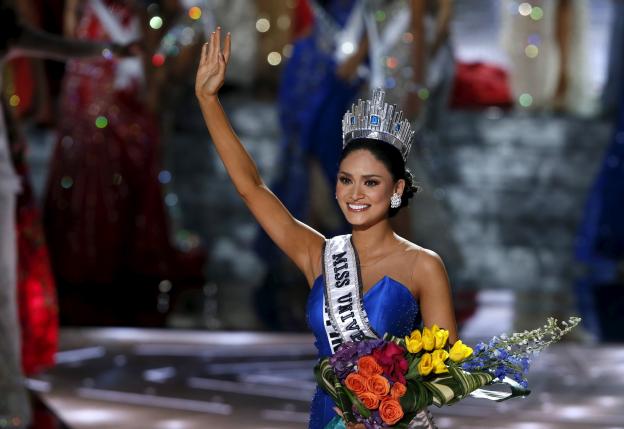
The 64th Miss Universe pageant, held on December 20, 2015, at the AXIS in Las Vegas, Nevada, will forever be etched in the annals of television history, not only for its crowning of the Philippines’ Pia Wurtzbach but for a procedural error of unprecedented proportions. While the immediate aftermath of the event was dominated by the public relations fallout surrounding host Steve Harvey’s mistaken announcement of Miss Colombia as the winner, a secondary narrative soon emerged within the digital sphere. Shortly after her victory, the global K-pop community discovered that Wurtzbach was a dedicated "stan"—a fervent fan—of the South Korean boy band Super Junior, specifically favoring member Choi Siwon. This revelation served as a potent case study in the pervasive reach of the Hallyu wave, or the Korean Cultural Wave, and its ability to transcend traditional boundaries of celebrity and national identity.
The 64th Miss Universe Pageant: A Night of Unprecedented Controversy
The Miss Universe 2015 finale began as a standard high-stakes international competition, featuring 80 contestants from around the globe. As the program reached its climax, the three finalists—Pia Wurtzbach of the Philippines, Ariadna Gutiérrez of Colombia, and Olivia Jordan of the United States—awaited the final verdict. In a moment that immediately went viral, host Steve Harvey announced Gutiérrez as the winner. The Colombian contestant was crowned, given a bouquet of flowers, and began her celebratory walk.
However, minutes into the celebration, Harvey returned to the stage to inform the audience and the millions of viewers worldwide that he had misread the results card. Wurtzbach was the actual winner, while Gutiérrez was the first runner-up. The live broadcast captured the awkward and emotionally charged transition as the crown was removed from Gutiérrez’s head and placed on Wurtzbach’s. The incident generated a massive surge in social media traffic, with the New York Times and other major outlets reporting on the logistical and emotional toll of the error. Amidst this global media frenzy, a specific subset of internet users began a deep dive into the new Miss Universe’s digital footprint, uncovering her long-standing affinity for Korean pop music.
The Digital Archeology of a K-Pop Fan
As Wurtzbach’s name trended globally, fans of the legendary K-pop group Super Junior, known as "E.L.F." (Ever Lasting Friends), unearthed tweets from 2009 to 2011. In these posts, Wurtzbach expressed her admiration for the group, particularly Choi Siwon, whom she referred to in playful, fan-centric terms. One tweet from 2009 read, "Hello, I’m Mrs. Siwon Choi. Nice to meet you," while others showcased her excitement regarding their music and performances.
These archives revealed that Wurtzbach was not a casual listener but a dedicated participant in the fan culture that defines the K-pop experience. The discovery was met with immense enthusiasm from the Philippine K-pop community, which is one of the largest and most active in Southeast Asia. For many fans, seeing a woman of Wurtzbach’s stature—now a global icon of beauty and grace—sharing their niche interests provided a sense of validation and relatability. It dismantled the stereotype that "stanning" is reserved for adolescents, highlighting instead that the Hallyu wave appeals to a diverse demographic, including high-achieving professionals and international titleholders.
The Hallyu Wave in the Philippines: Context and Data
The revelation of Wurtzbach’s fandom is best understood within the broader context of the Hallyu wave’s dominance in the Philippines. Since the early 2000s, Korean dramas (K-dramas) and K-pop have seen exponential growth in the archipelago. This cultural exchange is supported by strong bilateral ties between the Philippines and South Korea, involving trade, tourism, and labor migration.
Data from the Korea Foundation’s "Global Hallyu Status" reports consistently rank the Philippines as one of the top countries for Hallyu consumption. In 2015, the year of Wurtzbach’s win, K-pop concerts in Manila were frequent sell-out events, and Korean brands were becoming staples in Philippine retail. Super Junior, in particular, holds a "legacy" status in the country, having been one of the first major groups to hold large-scale "Super Show" concerts in Manila, which helped pave the way for the genre’s mainstream success. Wurtzbach’s tweets coincided with the era of Super Junior’s "Sorry, Sorry," a song that achieved massive crossover success in the Philippines, famously even being performed by inmates at the Cebu Provincial Detentional and Rehabilitation Center.
Official Responses and the Siwon Interaction
The intersection of pageantry and K-pop reached its zenith when Choi Siwon himself responded to the news. On December 27, 2015, Siwon, who was then serving his mandatory military service as a conscripted policeman, took to Instagram to acknowledge the new Miss Universe. He posted a photo of himself looking dapper and added a caption congratulating Wurtzbach on her win. Furthermore, he extended a formal invitation for her to attend the next "Super Show" concert once his service was completed.
The interaction was a masterclass in modern celebrity engagement. Wurtzbach replied to the post, expressing her gratitude and confirming her continued support for the group. This exchange was not merely a social media "moment"; it represented a convergence of two massive industries—the international beauty pageant circuit and the global K-pop machine. For Super Junior’s management, SM Entertainment, the association with a Miss Universe winner provided a unique promotional opportunity, while for Wurtzbach, it solidified her image as a relatable and authentic figure who remained true to her personal interests despite her newfound global fame.
Chronology of Events: From Gaffe to Global Recognition
To understand the rapid progression of this story, a timeline of the events in late December 2015 is essential:
- December 20, 2015: The Miss Universe finale takes place in Las Vegas. The Steve Harvey error occurs, and Pia Wurtzbach is crowned.
- December 21–22, 2015: Global media focuses on the crowning mistake. Concurrently, K-pop fans in the Philippines begin sharing Wurtzbach’s old tweets about Super Junior.
- December 23–25, 2015: The "Pia is an E.L.F." narrative goes viral across K-pop news sites like Seoulbeats, Allkpop, and Soompi. International fans begin tagging Choi Siwon in posts about the win.
- December 27, 2015: Choi Siwon posts his official congratulatory message on Instagram, inviting Wurtzbach to a future concert.
- Early 2016: Wurtzbach continues to acknowledge her K-pop fandom in various interviews during her media tour in New York City, further cementing the link between her title and her personal interests.
Analysis of Implications: The Humanization of the Global Icon
The transition from a private citizen to a public figure often involves a scrutiny of one’s past. In many cases, "internet sleuthing" is used to find controversial or negative information. However, the case of Pia Wurtzbach presents a rare instance where a digital history of "stanning" served to enhance a public figure’s brand.

From a sociological perspective, Wurtzbach’s openness about her fandom addresses the "stigma of the fan." Historically, intense fandom, especially regarding boy bands, has been dismissed as hysterical or trivial. By having a Miss Universe openly identify as a fan, the narrative shifts. It suggests that one can be both a symbol of traditional elegance and a participant in modern, digital-first fan communities.
Furthermore, the incident highlights the power of "soft power" in international relations. The Hallyu wave is a primary tool of South Korean cultural diplomacy. When a person of Wurtzbach’s influence promotes Korean culture, it acts as an organic endorsement that carries more weight than traditional advertising. This phenomenon has economic implications, as it encourages tourism and the consumption of Korean goods among the winner’s massive following.
Broader Impact on the Pageant Industry
Wurtzbach’s reign marked a shift in how Miss Universe winners engaged with their audiences. Moving away from the stoic, untouchable persona of past decades, Wurtzbach utilized social media to show her personality, including her hobbies, her sense of humor, and her "geekier" interests, such as gaming and K-pop. This approach proved highly successful, as she remains one of the most followed and influential Miss Universe titleholders in the history of the organization.
The "Siwon-Pia" connection also demonstrated the importance of cross-industry collaboration in the digital age. It showed that the barriers between different entertainment sectors—be it pageantry, music, or film—are increasingly porous. A win in one arena can trigger a celebration in another, creating a globalized culture where a Filipino woman winning a title in America can become a major news story in South Korea.
Conclusion: The Lasting Legacy of the "E.L.F." Queen
As the world moved toward the New Year of 2016, the story of Pia Wurtzbach remained a prominent topic of discussion. While the Steve Harvey error provided the initial shock, Wurtzbach’s personality and her unapologetic love for K-pop provided the lasting charm. Her journey from a three-time contestant in the Binibining Pilipinas pageant to Miss Universe is a story of persistence, but her digital legacy as a Super Junior fan is a story of modern cultural connectivity.
In the years following her reign, Wurtzbach has continued to be a vocal supporter of the arts and culture, often bridging the gap between the Philippines and the international community. The 2015 Miss Universe pageant did more than just crown a winner; it highlighted the globalized nature of 21st-century celebrity, where a simple tweet from years prior can connect a beauty queen in Manila to a pop star in Seoul, creating a narrative of shared cultural appreciation that resonates far beyond the pageant stage.
Related News