The Double-Edged Sword of K-pop Fandom Examining the Boundaries Between Devotion and Disturbance
Article Editorial Team
The global expansion of the South Korean music industry, commonly referred to as the Hallyu wave, has been fueled by a level of fan dedication that is perhaps unparalleled in any other entertainment sector. K-pop fans are renowned for their organizational prowess, frequently orchestrating massive charity drives, funding elaborate "rice wreath" donations for press conferences, and creating synchronized fanchants that transform concerts into immersive experiences. However, the same fervor that drives these positive contributions has a darker, more intrusive manifestation. In recent months, a series of high-profile incidents involving members of prominent groups such as f(x), Super Junior, and SHINee has brought the issue of toxic fan behavior to the forefront of the industry’s discourse, raising urgent questions about the psychological health of artists and the unsustainable power dynamics between consumers and creators.
The Digital Siege of f(x)’s Krystal
The volatility of online fan communities was vividly illustrated earlier this year when Krystal, a member of the girl group f(x), was forced to deactivate her Instagram account, @kjungxox. The catalyst for this withdrawal was not a scandal of the artist’s own making, but rather a series of digital interactions with G-Dragon, the leader of Big Bang. When G-Dragon "liked" several of Krystal’s photographs, a segment of the "VIP" (Big Bang’s fandom) and other onlookers began speculating about a potential romantic relationship.
The reaction was immediate and vitriolic. Krystal’s comment sections were flooded with derogatory remarks, ranging from insults regarding her appearance to demands that she stay away from the male idol. Beyond verbal harassment, Krystal’s digital security was compromised; multiple reports indicated that fans attempted to hack her account to gain access to private data or to silence her presence on the platform. The deletion of her account serves as a stark reminder of the "glass ceiling" of privacy for female idols, who often bear the brunt of fan jealousy in a patriarchal industry structure. This incident highlights a broader trend where social media, intended to bridge the gap between idol and fan, becomes a weapon for targeted harassment.
The "Only 13" Doctrine and the Marginalization of Super Junior-M
The internal politics of fandoms can often dictate the corporate strategy of major agencies, as evidenced by the ongoing controversy surrounding Super Junior’s lineup. For years, a vocal faction of the "E.L.F." (Ever Lasting Friends) fandom has adhered to the "Only 13" philosophy, a movement dedicated to preventing the permanent addition of new members to the main Super Junior roster. This movement specifically targets Zhou Mi and Henry Lau, members of the sub-unit Super Junior-M.
The tension reached a tipping point last month when Eunhyuk, a senior member of Super Junior, felt compelled to issue a public clarification. He stated that Zhou Mi and Henry were not "official" members of the primary group but were instead "guest members" or sub-unit exclusives. This statement was widely viewed as a capitulation to the demands of the "Only 13" supporters, who have historically protested in front of the SM Entertainment headquarters and even purchased company shares to influence board decisions.
The exclusion of Zhou Mi and Henry reflects a rigid conservatism within fandoms that prioritizes a perceived "original" purity over the professional integration of talented artists. By forcing a clear boundary, the fandom effectively marginalized two artists who have contributed significantly to the group’s success in the Chinese market, demonstrating how fan "ownership" can stifle an artist’s career trajectory and group cohesion.
The Apology Culture: SHINee’s Jonghyun and the Cinema Incident
Perhaps the most poignant example of the suffocating expectations placed on idols is the recent "cinema incident" involving SHINee’s Jonghyun. Last week, Jonghyun was spotted at a movie theater with a female acquaintance. In most global entertainment contexts, a young man attending a film with a friend would be a non-event. In the hyper-monitored world of K-pop, however, it triggered a wave of anxiety and speculation across online community sites.

The pressure was so significant that Jonghyun felt the need to issue a formal apology on Twitter. His statement was a complex mix of factual defense and emotional appeasement: “My stories are appearing a lot on community sites. If I tell you just the facts, I went to the movies with my friends, and they’re just my friends, not celebrities. I hope no one gets hurt by this… Even though it’s not something I should be sorry about, I’m sorry.”
The phrase "even though it’s not something I should be sorry about" highlights the cognitive dissonance experienced by idols. They are aware of their right to a private life, yet they are trapped in a system where the "fan-as-significant-other" marketing strategy makes any hint of outside social interaction feel like a betrayal to the consumer. This apology culture reinforces the notion that the idol’s time and affection are exclusive commodities owned by the fanbase.
Physical Safety and the Logistics of Airport Chaos
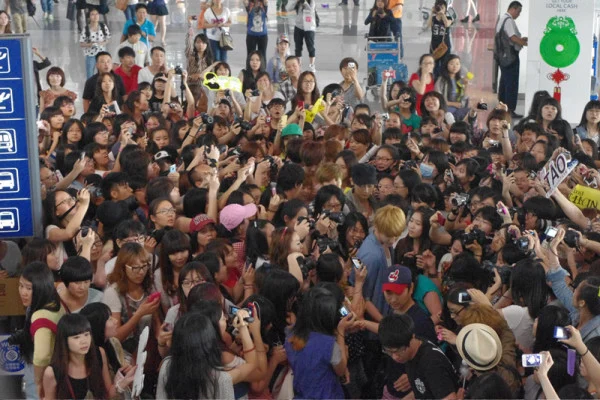
The intrusion into idols’ lives is not limited to the digital realm. The physical safety of artists at airports has become a recurring concern for industry observers. Incheon International Airport and other major travel hubs frequently become sites of "stampedes" when groups like EXO or SHINee arrive. Fans, often referred to as "sasaeng" (obsessive) fans, swarm the artists, pushing past security barriers and shoving cameras inches from the artists’ faces.
In several documented cases, both idols and fans have been knocked to the ground, resulting in minor injuries and significant psychological distress. Despite the recurring nature of these events, agencies have been criticized for a perceived lack of adequate security personnel. Furthermore, there is a notable silence from the corporate side regarding the behavior of these fans. While an individual artist might occasionally post a plea for safety on social media, the agencies rarely take a hardline stance for fear of alienating their primary revenue source. This lack of intervention creates a permissive environment where physical harassment is normalized as a byproduct of popularity.

Analysis of the Consumer-Artist Power Imbalance
The root of these issues lies in the commodification of the idol-fan relationship. In the K-pop business model, fans are not merely listeners; they are active investors. They purchase multiple copies of the same album to boost chart rankings, buy expensive "fan-site" merchandise, and spend thousands of dollars on "fansign" events. This financial investment often translates into a psychological sense of entitlement. The logic follows that because the fan has "built" the idol’s career through financial support, they have a right to dictate the idol’s personal choices, social circles, and even the group’s membership.
This "customer is always right" mentality is weaponized in K-pop more than in any other industry. While agencies like SM Entertainment, YG Entertainment, and JYP Entertainment have built empires on this devotion, they now face the challenge of managing the "monster" they helped create. The "sasaeng" culture is a direct, if extreme, extension of the industry’s own marketing, which sells idols as "pure," "available," and "dedicated only to the fans."
Implications and the Path Toward Reform
The current trajectory of fan-artist relations is unsustainable and poses a significant threat to the mental health and longevity of K-pop performers. The industry is currently at a crossroads where image preservation and profit must be weighed against the basic human rights of the artists.
To rectify this, a multi-pronged approach is necessary:

- Corporate Responsibility: Agencies must stop pandering to the most extreme elements of their fandoms. This includes providing robust security at all times and publicly condemning harassment, even if it comes from "loyal" fans.
- Legal Protections: South Korean authorities have begun to take cyberbullying and stalking more seriously, but more specific legislation regarding the "sasaeng" phenomenon is required to protect public figures from physical and digital intrusion.
- Internal Fandom Regulation: The "silent majority" of healthy fans must play a more active role in self-policing their communities. By calling out inappropriate behavior and refusing to share "sasaeng" photos or leaked personal information, the broader fandom can shift the culture toward one of respect.
- Redefining the Idol Persona: Agencies should move away from marketing idols as "virtual partners" and instead emphasize their roles as professional artists. This would help deconstruct the illusion of ownership that fuels toxic jealousy.
The blind negativity and intrusive behavior witnessed in the cases of Krystal, Jonghyun, and the members of Super Junior are not signs of love, but symptoms of a systemic dysfunction. As K-pop continues to influence the global stage, it must decide whether it will continue to prioritize the demands of an obsessive minority or foster a healthier environment where artists can thrive as both professionals and human beings. The question remains: will the industry take the necessary steps to protect its most valuable assets, or will it wait for a more severe tragedy to occur before enacting change?
Related News