The Struggles of the International K-pop Fan and the Evolution of the Global Hallyu Diaspora
Article Editorial Team

The emergence of South Korean popular music, or K-pop, as a dominant force in the global entertainment industry has fostered a unique demographic known as the international fan diaspora, or "i-fans." This community, spanning from the dense urban centers of Indonesia to the rural suburbs of the United States and Europe, is bound by a digital-first engagement model that transcends traditional geographic and linguistic boundaries. While the "Hallyu Wave" has generated billions of dollars in revenue and elevated South Korea’s soft power, the experience of the international consumer remains characterized by a distinct set of logistical, cultural, and social challenges. These obstacles, ranging from the scarcity of professional translations to the complexities of cross-cultural representation, highlight the friction that occurs when a localized cultural product achieves rapid global saturation.
The Linguistic Barrier and the Digital Translation Crisis
For the international K-pop consumer, the primary obstacle to engagement is the language barrier. Unlike domestic fans in South Korea, i-fans are often dependent on third-party intermediaries to access content. When K-pop idols participate in variety shows, radio interviews, or live-streaming sessions, there is frequently a significant delay between the broadcast and the availability of English or multi-language subtitles.

Historically, this gap was filled by "fansubbers"—volunteers within the fandom who dedicated hours to translating and typesetting videos. However, the rise of strict copyright enforcement and the transition to proprietary platforms like Weverse and Bubble has complicated this grassroots ecosystem. International fans often find themselves navigating a "murky depth" of the internet, encountering deleted videos and copyright strikes in their pursuit of understanding. While major agencies like SM Entertainment, HYBE, and JYP Entertainment have improved official subtitling efforts, a vast majority of "B-side" content—such as behind-the-scenes footage and older archives—remains inaccessible to those without Korean language proficiency. This creates a tiered experience where international fans are often "smiling and nodding" at visual content while remaining disconnected from the nuanced personality-driven narratives that define the idol-fan relationship.
Sociocultural Friction and the Challenge of Aesthetics
The international expansion of K-pop has also brought South Korean beauty standards and gender expressions into direct contact with varying global norms. I-fans frequently report a sense of social "victimization" or misunderstanding when sharing their interests with the uninitiated. A recurring point of friction involves the "flower boy" (kkonminam) aesthetic, which emphasizes soft features, makeup, and stylized hair for male idols.
In many Western contexts, these aesthetic choices are often misinterpreted through the lens of rigid gender binaries. Fans frequently find themselves defending the masculinity of artists like Ren (formerly of NU’EST) or members of SHINee to peers who equate makeup with a lack of heteronormative masculinity. This cultural disconnect often leads to "interrogations" regarding the artist’s gender or sexuality, forcing the international fan into the role of a cultural educator. This dynamic suggests that while K-pop music is globally accessible, the underlying cultural nuances of South Korean performance art require a level of context that is not always present in the global marketplace.

The Complexity of Fandom Lexicon and Terminology
The K-pop industry operates on a specialized vocabulary that can be impenetrable to outsiders. Concepts such as "bias" (a favorite member), "aegyo" (displayed cuteness), "comeback" (the release of new music), and "sasaeng" (obsessive, intrusive fans) form a linguistic shorthand that defines the community.
For the international fan, the accidental use of this terminology in a non-K-pop context can lead to social alienation. Explaining the difference between a "fansite" (a dedicated photographer) and a "sasaeng" requires a deep dive into the industry’s unique parasocial architecture. Furthermore, the industry’s penchant for complex acronyms adds another layer of difficulty. Groups like Teen Top, whose name stands for "Teenager Emoboys Emoticon Next generation Talent Object Praise," or the branding of SHINee and T-ara, require constant clarification. This specialized language acts as both a badge of community belonging and a barrier to mainstream social integration in the fan’s home country.
Geographic Isolation and the Touring Disparity
Despite the global rhetoric of the Hallyu Wave, the physical presence of K-pop idols remains concentrated in specific markets. For many i-fans, the possibility of attending a live concert is statistically low. Touring schedules frequently prioritize South Korea, Japan, and major coastal cities in the United States, often bypassing entire continents such as Africa, large swaths of South America, and Eastern Europe.

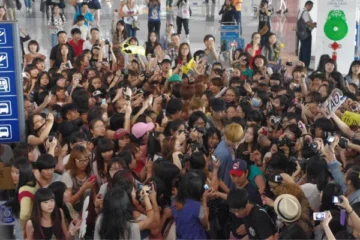
This geographic disparity relegates the international fan to a "digital-only" existence. Participation in the fandom is often limited to the "i" in i-fan—referring to the internet. Fans are forced to consume performances through low-resolution "fancams" or paid digital streaming events. This lack of physical proximity creates a sense of "cruel repression," where the fan’s financial and emotional investment in a group is rarely rewarded with the opportunity for live engagement. The industry’s reliance on digital sales and social media engagement from international fans often feels extractive when those same fans are excluded from the touring circuit.
Chronology of Global Expansion and Market Evolution
The struggles of the modern i-fan are best understood through the timeline of K-pop’s international trajectory:
- 1990s – Early 2000s (The Foundation): The first generation of K-pop (H.O.T., S.E.S.) was primarily domestic, with limited outreach to China and Japan. International fans during this era were a tiny niche, relying on physical CD imports and early internet forums.
- 2008 – 2012 (The Breakout): Groups like Wonder Girls, Girls’ Generation, and BIGBANG began making inroads into Western markets. The 2012 viral success of PSY’s "Gangnam Style" served as a catalyst, proving that Korean-language content could achieve global ubiquity.
- 2013 – 2017 (The Social Media Revolution): The debut of BTS and the strategic use of Twitter/X and YouTube allowed i-fans to bypass traditional media gatekeepers. This era saw the rise of the "global fandom" as a coordinated political and economic force.
- 2018 – Present (The Institutionalization): K-pop is now integrated into the global music industry, with groups like Blackpink headlining Coachella and NewJeans partnering with global brands like McDonald’s and Apple.
Supporting Data: The Economic Weight of the International Fan
The significance of the international fan is underscored by recent economic data. According to the Korea Customs Service, K-pop album exports reached an all-time high of nearly $290 million in 2023, a significant increase from the $40 million recorded a decade prior. Japan remains the largest market, followed by the United States and China. However, emerging markets in Germany, the Netherlands, and the United Kingdom show the fastest growth rates.

YouTube statistics further illustrate the i-fan’s dominance. For many top-tier groups, over 90% of their total views originate from outside South Korea. Countries like the Philippines, Indonesia, and Brazil consistently rank in the top five for streaming volume. This data confirms that while the "struggles" of the i-fan are personal and social, their collective economic impact is the primary driver of the industry’s current expansion strategy.
Industrial Responses and Future Implications
In response to the challenges faced by international fans, South Korean entertainment agencies are shifting their business models. The "Globalization by Localization" strategy, championed by JYP Entertainment, involves creating groups that follow the K-pop training model but consist of members from specific regions (e.g., NiziU in Japan, VCHA in the U.S.).
Furthermore, the inclusion of English-language lyrics—sometimes referred to as "Engrish" when phrased awkwardly—has become a standard practice to increase radio playability in the West. Lines such as "You zoom zoom my heart like a rocket" may seem linguistically unconventional to native speakers, but they serve as "sonic hooks" designed for a global audience.

The broader implication of this globalized fandom is a phenomenon of cultural disassociation. Many i-fans report feeling more connected to South Korean culture than to their own local music scenes. This "drifting" from one’s own culture, while fostering international solidarity, can also lead to a sense of social isolation within the fan’s immediate community.
Conclusion: The Resilience of the Global Community
The international K-pop fan occupies a precarious position in the global cultural landscape. They are essential to the industry’s survival, yet they remain marginalized by language, geography, and social stigma. Despite these "daily ordeals," the community continues to grow, driven by the "beacon of joy" that the music provides.
The i-fan experience is a testament to the power of digital connectivity to forge bonds across oceans. While the struggle for professional translations, affordable concert tickets, and social acceptance continues, the international fan remains a vital, if often overlooked, architect of the modern music industry. As K-pop continues to evolve, the resolution of these "i-fan struggles" will likely determine the long-term sustainability of the Hallyu Wave as a truly global cultural phenomenon.
Related News